Disturbia
"Suburban boredom has never been so dangerous."
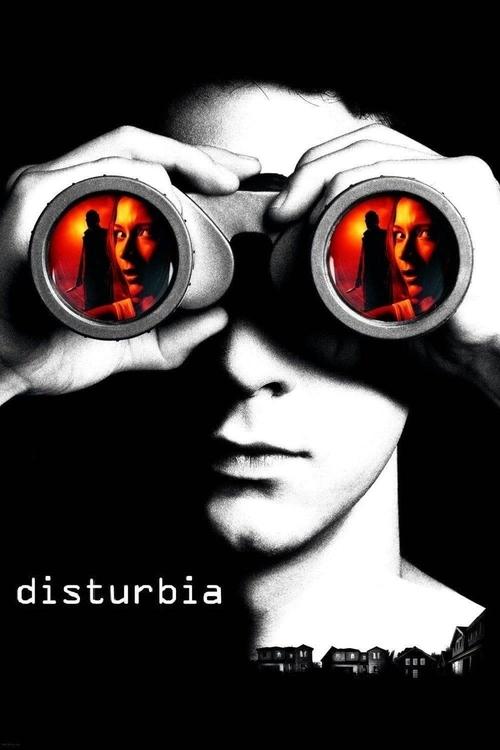
There was a specific window in the mid-2000s where Shia LaBeouf was the undisputed king of our collective teenage anxiety. Before the performance art, the "Just Do It" memes, and the heavy-duty indie dramas, he was the guy we all rooted for—the relatable, fast-talking kid who seemed perpetually out of his depth. 2007 was his peak year, and Disturbia was the film that proved he could carry a blockbuster thriller on his back without the help of giant transforming robots.
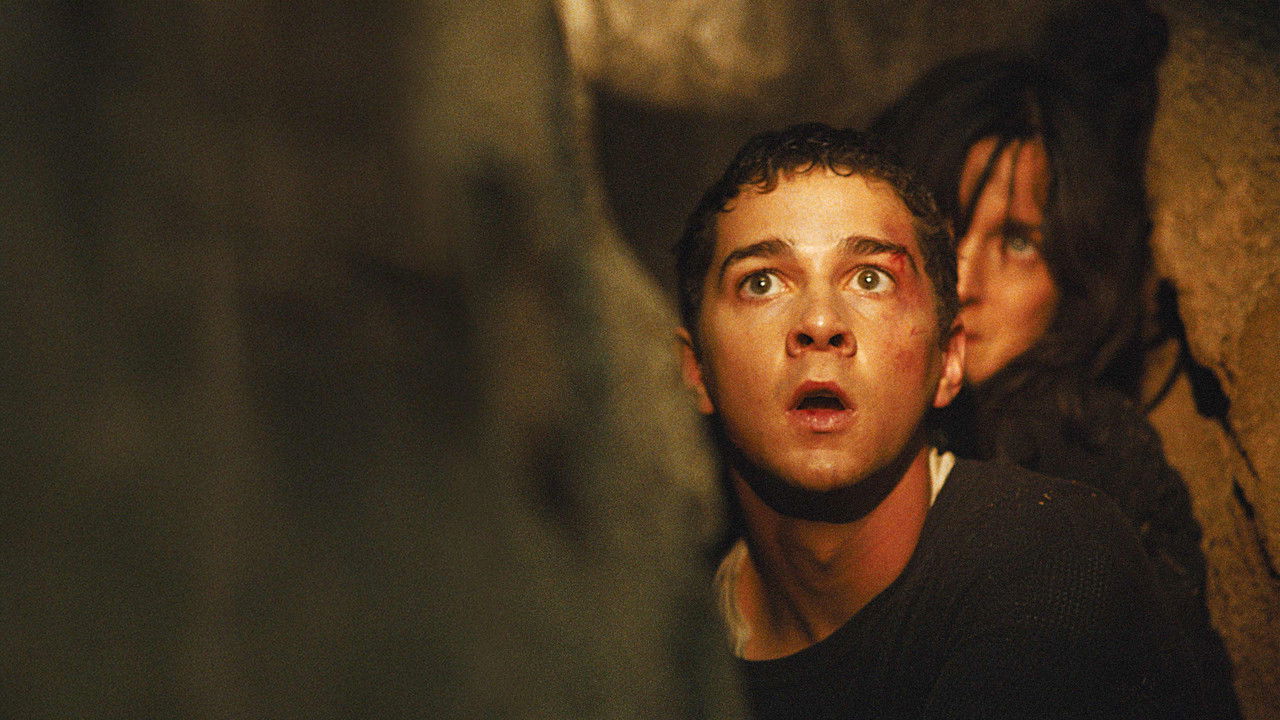
I first watched this on a DVD I borrowed from a local library that smelled faintly of damp wool and old copies of National Geographic. I remember trying to replicate Kale’s snack-tower of Twinkies and Oreos while watching it, only for the whole thing to collapse during the first jump scare. My dignity took a hit, but my interest in the movie didn't. Looking back, Disturbia is a fascinatng time capsule of that era where tech was transitioning from the "cool new toy" to the "all-seeing eye."
Rear Window for the iPod Generation
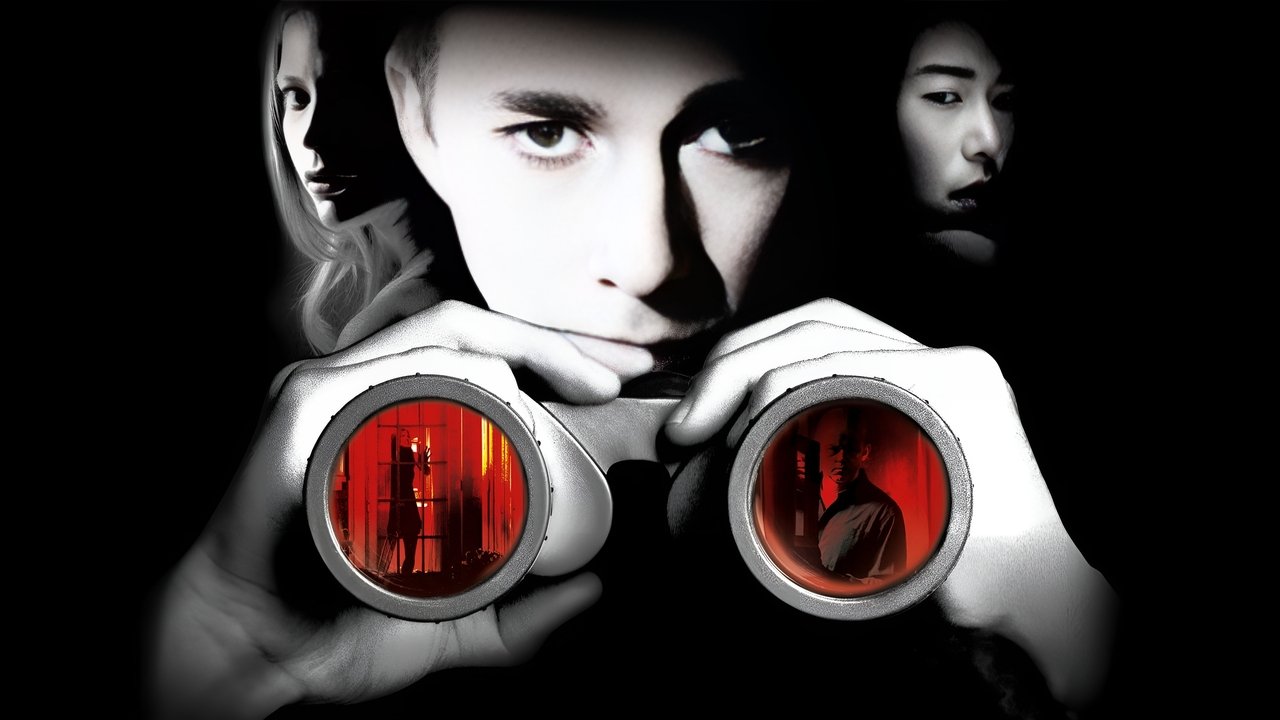
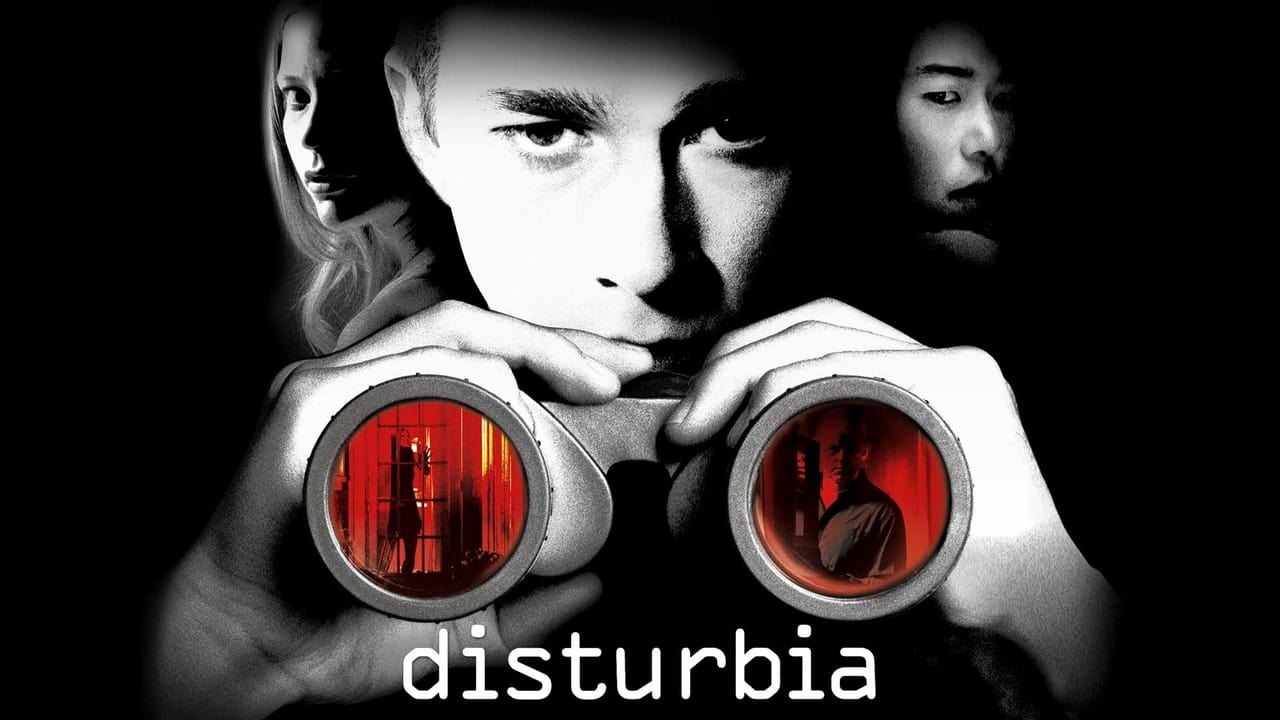
The premise is a blatant, unapologetic riff on Alfred Hitchcock’s Rear Window. If you haven't seen the 1954 classic, don't worry—the filmmakers here clearly assumed you hadn't. It’s basically Rear Window for people who think black-and-white movies are a chore. Instead of a broken leg, our protagonist, Kale Brecht, is confined to his home by a court-ordered ankle monitor after punching his Spanish teacher.
The first twenty minutes are surprisingly heavy for what looks like a teen popcorn flick. We see Kale lose his father in a horrific car accident, and Shia LaBeouf sells the hell out of that grief. It’s this emotional grounding that makes his subsequent descent into voyeuristic madness feel earned. He isn't just a creep with binoculars; he’s a kid trying to fill a hole in his life with the mundane dramas of his neighbors.
When the "hot girl" Ashley (Sarah Roemer) moves in next door, the movie flirts with becoming a standard teen rom-com. Kale and his best friend Ronnie (Aaron Yoo) spend their days spying on her, which, let’s be honest, has aged about as well as a carton of milk left in a hot trunk. However, the film is self-aware enough to have Ashley catch them and, instead of calling the cops, she joins in on the "let's watch the creepy neighbor" game.
The Monster in the Mowed Lawn
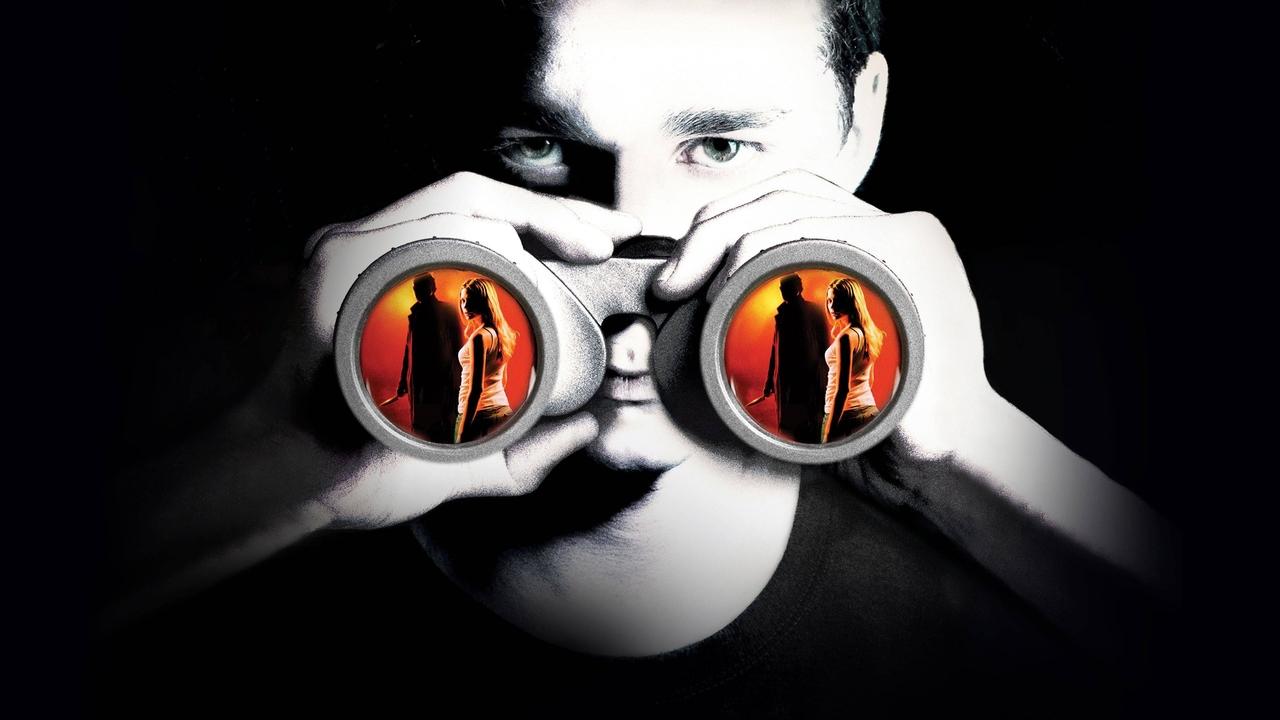
The shift from "teenagers being bored" to "there is a serial killer next door" is handled with impressive grace by director D.J. Caruso. The creepy neighbor in question is Mr. Turner, played by David Morse with a terrifyingly calm precision. David Morse looks like he was born to play a guy who owns a suspiciously clean wood chipper. He’s not a cackling villain; he’s the guy who mows his lawn at 7:00 AM and offers to help you carry your groceries while you wonder if he has a body in his basement.
This is where the post-9/11 suburban paranoia really shines. The film taps into that mid-2000s anxiety that the real monsters aren't in far-off lands, but in the cul-de-sac. It’s the "See Something, Say Something" era applied to a guy who drives a silver Mustang. When Kale starts connecting Turner’s habits to news reports of missing women, the tension ratchets up because Kale is literally tethered to his house. He’s the ultimate unreliable witness—a "troubled" kid under house arrest whose own mother (Carrie-Anne Moss) thinks he’s just losing his mind.
Stuff You Didn't Notice
One of the coolest details about the production is that the two houses (Kale's and Mr. Turner's) were actually located across the street from each other in a real California neighborhood. This gave the actors a genuine sense of distance and voyeurism that you just can't get on a soundstage. Apparently, David Morse took his role so seriously that he barely spoke to Shia LaBeouf, Sarah Roemer, or Aaron Yoo during the entire shoot, wanting to maintain a sense of genuine unease whenever they were around him.
The film also faced some legal heat. The estate of the author who wrote the short story Rear Window was based on actually sued for copyright infringement. However, the courts eventually ruled in favor of Disturbia, noting that the "total concept and feel" were different enough. They weren't wrong; Hitchcock never had a scene where a kid gets stuck in a pool of rotting carcasses while a 2007 alt-rock soundtrack blares.
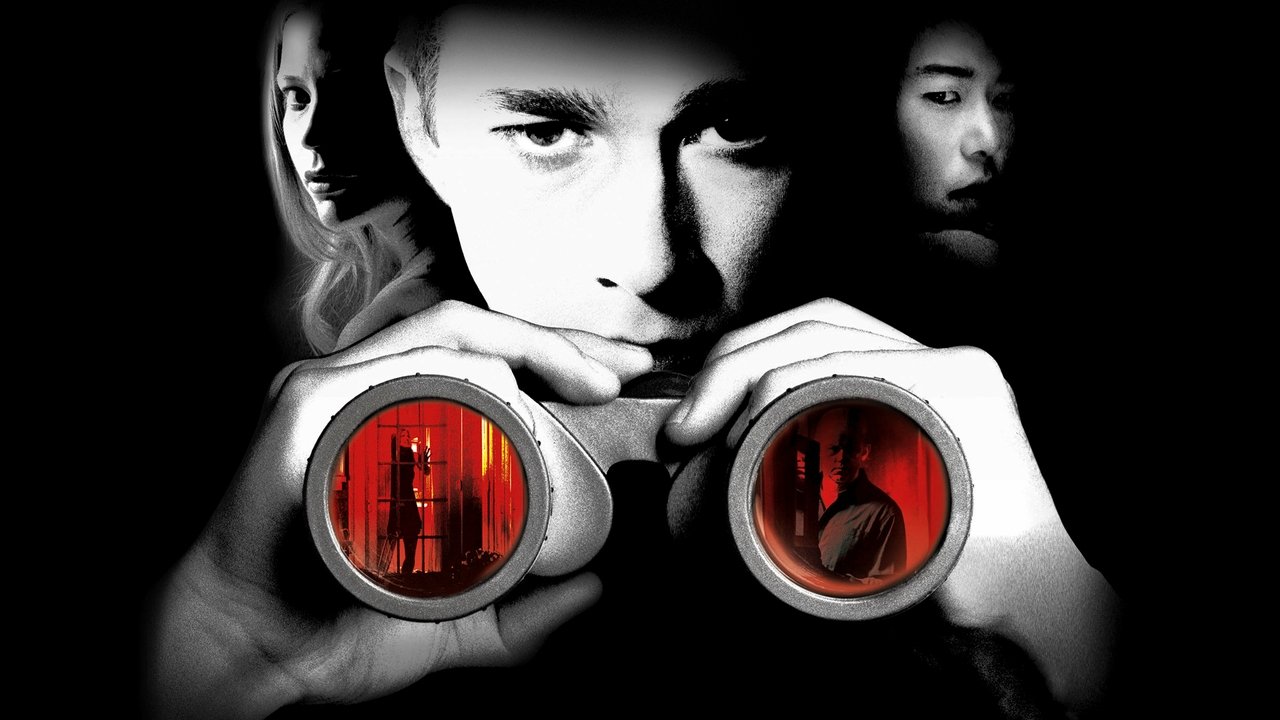
Financially, the movie was a massive win. Produced for a modest $20 million, it raked in over $117 million. It stayed at the #1 spot at the box office for three consecutive weeks, proving that audiences were hungry for mid-budget thrillers that didn't require a degree in comic book lore to understand.
Disturbia is a slick, well-oiled machine of a thriller that knows exactly what it is. It doesn't reinvent the wheel, but it puts some very shiny 20-inch rims on it. It captures a specific moment in time where cell phones were becoming tools for surveillance and suburban boredom felt like a life sentence.
While some of the "stalker" humor feels a bit cringe-worthy by today's standards, the core tension holds up remarkably well. Shia LaBeouf delivers one of his most likable performances, and David Morse provides a villain that will make you look at your own neighbors with a newfound sense of suspicion. If you’re looking for a tight 105-minute ride that feels like a Saturday night at the movies in 2007, this is your stop. Just maybe don't try to build the Twinkie tower.
Keep Exploring...
-

Eagle Eye
2008
-

Signs
2002
-
The Bourne Identity
2002
-
The Village
2004
-
Flightplan
2005
-
The Bourne Ultimatum
2007
-
The Girl with the Dragon Tattoo
2009
-
Ghost
1990
-
In the Line of Fire
1993
-

The Firm
1993
-
The Net
1995
-
Primal Fear
1996
-
Passengers
2008
-
Unbreakable
2000
-
The Forgotten
2004
-
The Jacket
2005
-
The Skeleton Key
2005
-
Inland Empire
2006
-
Lucky Number Slevin
2006
-
In the Valley of Elah
2007