Eastern Promises
"The ink tells the story. The blood pays the debt."
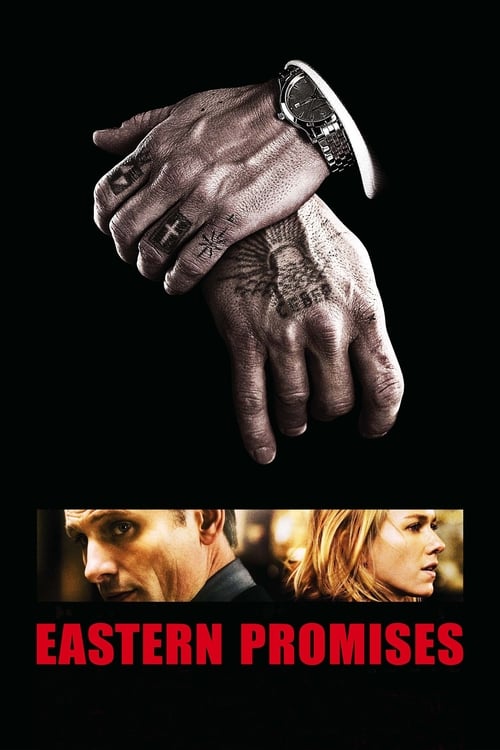
Forget the London of red buses, Big Ben, and cozy tea shops. When David Cronenberg (fresh off the brilliant A History of Violence) stepped behind the lens for 2007’s Eastern Promises, he didn't just give us a crime thriller; he gave us a geography of the human soul etched in ink and blood. I remember watching this for the first time on a flickering CRT television while eating a bowl of cold cereal, and even through that low-res haze, the film felt dangerously sharp. It’s a movie that doesn't just sit on the screen; it vibrates with a cold, clinical intensity that makes you want to button your coat a little tighter.
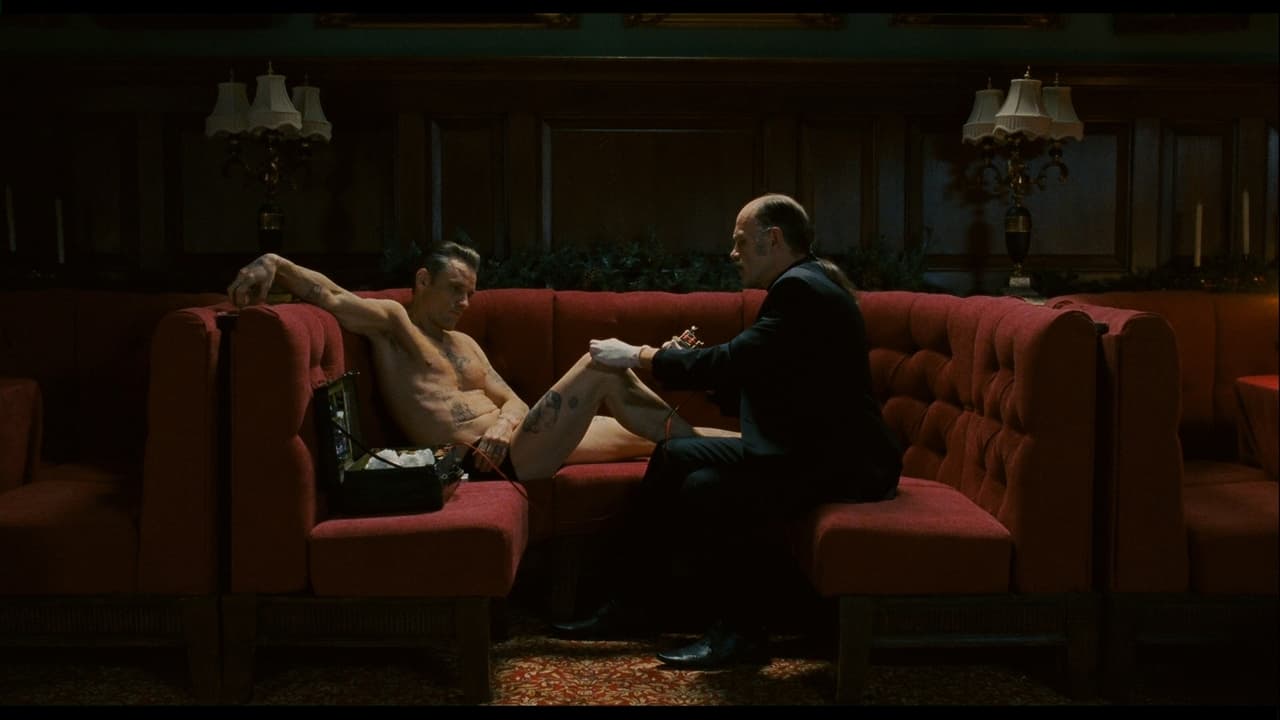
The Geography of the Skin
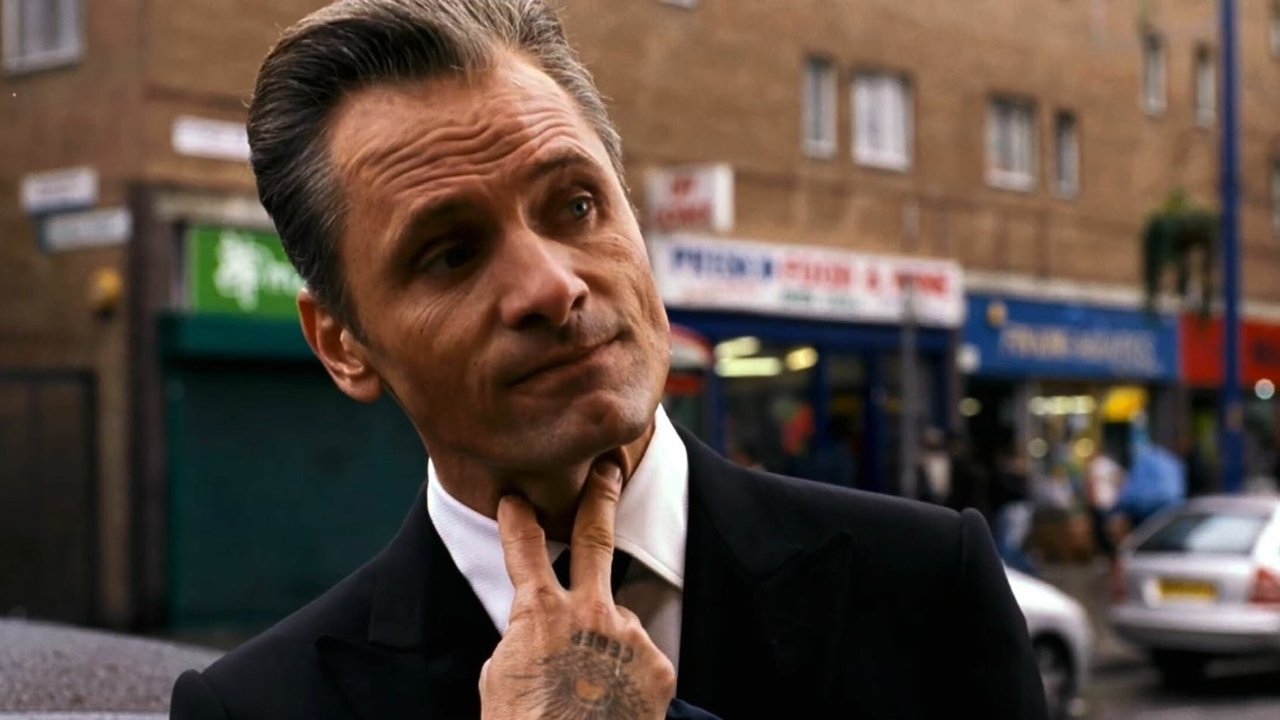
At the heart of the film is Viggo Mortensen as Nikolai, a driver for a brutal Russian crime family. Mortensen is an actor who famously disappears into roles, but here, he doesn't just disappear—he reconstructs himself from the bone up. He plays Nikolai with a stillness that is frankly terrifying. He’s the guy who cleans up the messes, the "undertaker" of the Vory V Zakone. Opposite him is Naomi Watts as Anna, a midwife who stumbles into a hornets' nest after a teenage girl dies in her arms during childbirth, leaving behind a diary written in Russian.
The way Naomi Watts plays Anna is crucial; she’s our surrogate in this world, providing the moral compass in a story that otherwise exists in a deep shade of charcoal. But let’s be honest: we’re all here for the Russians. Armin Mueller-Stahl plays Semyon, the patriarch, with a grandfatherly warmth that masks a predatory soul. It’s a chilling performance because he makes evil look like a shared bowl of borscht. Then there’s Vincent Cassel as Kirill, Semyon's volatile, insecure son. Kirill is basically a coked-out chihuahua in a leather jacket, and Cassel plays that pathetic desperation with every twitch of his face.
A Masterclass in Restraint (Until the Steam Breaks)
This was a pivot point in David Cronenberg’s career. Long gone were the exploding heads of Scanners or the biomechanical nightmares of Videodrome. In this era of modern cinema, Cronenberg traded physical mutations for psychological ones. The violence in Eastern Promises is sparse, but when it hits, it’s absolute. There is no "Hollywood" gloss here. When someone gets hurt, it looks clumsy, painful, and permanent.
The cinematography by Peter Suschitzky captures a London that feels damp and subterranean. It’s a post-9/11 world where the "other" isn't a monster from space, but the guy running the local restaurant. The script by Steven Knight (who would later give us Peaky Blinders) is lean and mean. It respects the audience enough not to over-explain the complex web of Russian criminal hierarchy. You learn the rules by watching characters break them. My neighbor was actually mowing his lawn during the quietest, most tense scene of the movie when I re-watched this recently, and I’ve never wanted to buy a silencer more in my life. The tension is that delicate.
The Stuff You Didn’t Notice

The cult status of Eastern Promises was cemented almost instantly, largely due to the obsessive level of detail Viggo Mortensen brought to the table. This isn't just a "tough guy" movie; it’s a cultural deep-dive that fans have deconstructed for years.
The Tattoo Bible: Viggo spent months studying Russian prison tattoos. He realized they weren't just art; they were a resume. If you wore a tattoo you hadn't "earned," the other inmates would literally cut it off you with a shard of glass. Method Menace: Mortensen spent his downtime traveling alone in Russia, staying in places where no one spoke English. He even kept his fake tattoos on during a trip to a Russian pub in London, and apparently, the silence that fell over the room when he walked in was enough to convince him he had the look right. The Steam Room Legend: The naked bathhouse fight took two days to film. It’s widely considered one of the greatest fight scenes in cinema history because there’s nowhere to hide. No stunt doubles, no clever editing to mask the hits. Viggo Mortensen is the only man who can make a naked knife fight look like high art rather than a localized disaster. Knight's Research: Steven Knight actually interviewed real members of the Russian mob to get the dialogue right, which is why the "thieves' code" mentioned in the film feels so grounded in reality. * The Title's Double Meaning: "Eastern Promises" refers to the false hope given to young women trafficked from the East, a grim social reality that the film refuses to look away from.
Eastern Promises is a rare beast: a prestige drama that has the teeth of a grindhouse thriller. It’s aged beautifully because it doesn't rely on 2007-era tech or trends; it relies on the timeless, terrifying reality of human cruelty and the small, flickering candles of courage that stand against it. It’s a film that demands your full attention and rewards it with a story that lingers like a scar. If you haven't seen it, find the biggest screen you can, turn off your phone, and let the cold London rain wash over you. It’s a journey into the dark that feels vital, even all these years later.

Keep Exploring...
-

A History of Violence
2005
-

Zodiac
2007
-

The Girl with the Dragon Tattoo
2011
-
Kiss Kiss Bang Bang
2005
-
Lucky Number Slevin
2006
-
Spider
2002
-
State of Play
2009
-
Infernal Affairs
2002
-

21 Grams
2003
-
I'm Not Scared
2003
-
Mystic River
2003
-
Tell No One
2006
-
The Girl Who Kicked the Hornet's Nest
2009
-
The Girl with the Dragon Tattoo
2009
-

Red Dragon
2002
-
Road to Perdition
2002
-

Lord of War
2005
-

Changeling
2008
-

Law Abiding Citizen
2009
-

Sherlock Holmes: A Game of Shadows
2011