Elite Squad
"In the favelas, the skull always wins."
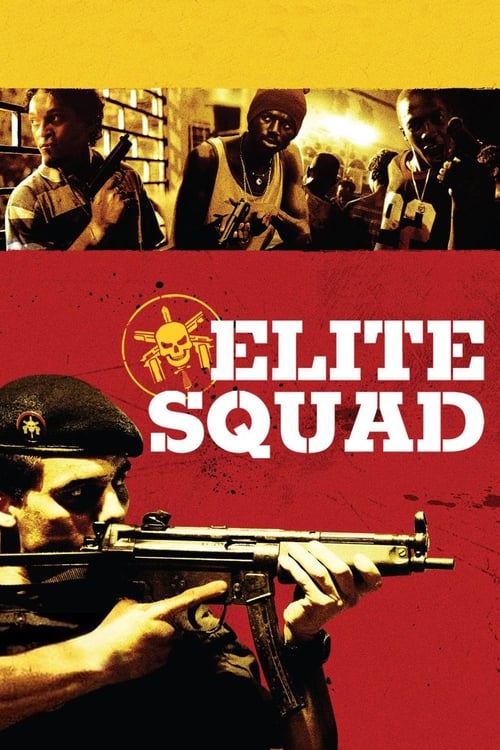
The first thing you notice isn't the gunshots or the shouting; it’s the sound of the dry, rattling cough from a man who has spent too much time breathing in the gun smoke of Rio’s hillside slums. Before I ever sat down to watch Elite Squad, I had heard rumors of its legendary status in Brazil—not as a film, but as a cultural earthquake. By the time it actually hit theaters in 2007, an estimated 11 million people had already seen it on pirated DVDs. It’s a film that the police tried to ban, the public obsessed over, and the critics weren't quite sure how to handle.
I first watched this on a laptop in a crowded airport terminal where the guy sitting next to me was visibly sweating through his business suit, and honestly, the sheer intensity of the opening club scene made me feel like I needed a shower and a sedative. José Padilha didn't just direct an action movie; he filmed a high-velocity heart attack.
The Gospel of the Skull
Elite Squad drops us into 1997, just before Pope John Paul II is set to visit Rio. The mission given to the BOPE (Special Police Operations Battalion) is absurdly simple and predictably bloody: clean up the favela adjacent to where the Pope is staying. No drug dealers, no noise, no problems. Leading this charge is Capitão Nascimento, played by Wagner Moura with a terrifying, eye-bulging intensity that makes his later turn as Pablo Escobar in Narcos look like a Sunday school teacher.
Nascimento is a man coming apart at the seams. He’s having panic attacks, his wife is pregnant and hates his job, and he’s looking for a successor so he can finally take off the black beret. Enter two rookies: the idealistic Matias (André Ramiro) and the hot-headed Neto (Caio Junqueira). The film frames their descent into the "system" like a meat grinder. You aren't watching a hero's journey; you're watching the slow death of empathy. To me, the most striking part isn't the violence against the gangs, but the way Nascimento treats the "peaceful" socialites who buy the drugs. To him, they are the ones pulling the trigger.
Training for the End of the World
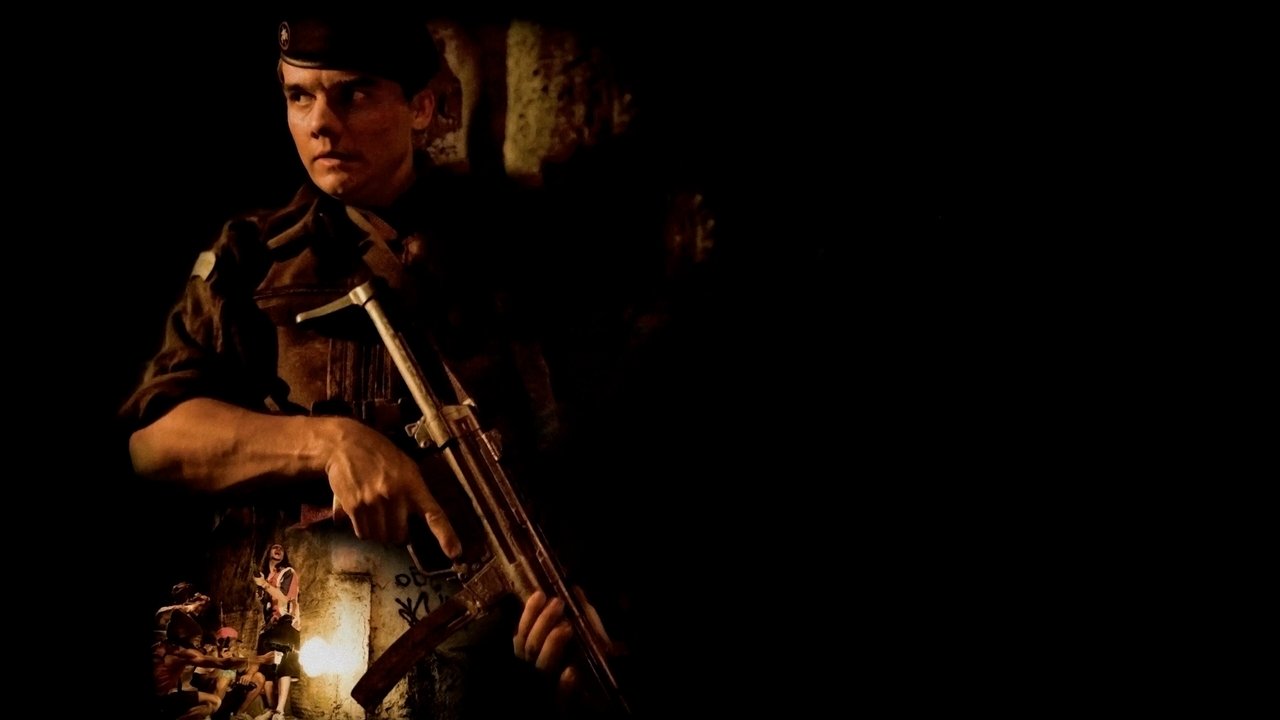
If you think the boot camp in Full Metal Jacket was rough, the BOPE training sequences here will make you want to go back to kindergarten. José Padilha leaned heavily on his documentary roots—he previously directed the staggering Bus 174—to give the film a handheld, grit-under-the-fingernails feel.
Apparently, the actors didn't just "play" soldiers. They were subjected to a real-deal, grueling training program led by Paulo Storani, a former BOPE captain. During one rehearsal, the "slap" that Nascimento delivers to a recruit was so real and so unexpected that it genuinely shocked the cast. It’s that blurring of reality that makes the action feel so dangerous. The shootouts in the narrow, winding alleys of the favelas are choreographed with a frantic, claustrophobic energy. There are no slow-motion dives or endless magazines here. It’s quick, ugly, and final.
Nascimento is essentially a fascist Batman who traded the Batarangs for a plastic bag and a torture bucket, and the film’s biggest trick is making you root for him while you’re simultaneously repulsed by his methods. It captured that post-9/11 anxiety where the "good guys" were suddenly allowed to be monsters as long as they were our monsters.
The Legacy of the Black Beret

What keeps Elite Squad from being just another "cop on the edge" flick is the writing by Bráulio Mantovani, who also penned the screenplay for City of God (2002). While City of God gave us the perspective of the kids trying to survive the streets, Elite Squad shows us the armored boot that crushes them. It’s a cynical, weary look at corruption that goes all the way up to the precinct captains and all the way down to the beat cops taking bribes for coffee.
The film’s score by Pedro Bromfman is a pulse-pounding mix of rock and electronic beats that feels like a countdown timer. It’s a far cry from the sweeping orchestral themes of 90s actioners. This was the era where "realism" became the ultimate currency in cinema, and Elite Squad spent it all in one go. Even the "skull" logo of the BOPE became a weirdly popular fashion statement in Brazil after the release, proving that audiences often miss the point of a critique when the protagonist is cool enough.
In retrospect, Elite Squad stands as a peak of the "Gritty Realism" movement that dominated the mid-2000s. It’s a film that refuses to offer you a hand to hold as it drags you through the mud of Rio’s underbelly. I watched this again recently on a flight where the subtitles were inexplicably set to Comic Sans, and even that couldn't ruin the tension. If you want an action film that actually has something to say—even if what it's saying is a loud, angry scream—this is your stop. Just don't expect to feel clean when the credits roll.


Keep Exploring...
-

Elite Squad: The Enemy Within
2010
-

Batman Begins
2005
-

The Negotiator
1998
-
Training Day
2001
-
Felon
2008
-

Blood and Bone
2009
-

Undisputed III: Redemption
2010
-

Batman: The Dark Knight Returns, Part 1
2012
-
Infernal Affairs
2002
-
A Bittersweet Life
2005
-
The Protector
2005
-
Undisputed II: Last Man Standing
2006
-

United 93
2006
-
Mesrine: Killer Instinct
2008
-
Mesrine: Public Enemy #1
2008
-
The Dark Knight
2008
-

Batman: Under the Red Hood
2010
-
Batman: Year One
2011
-

The Dark Knight Rises
2012
-

Batman: The Dark Knight Returns, Part 2
2013