Elizabeth: The Golden Age
"The Virgin Queen finds her fire."
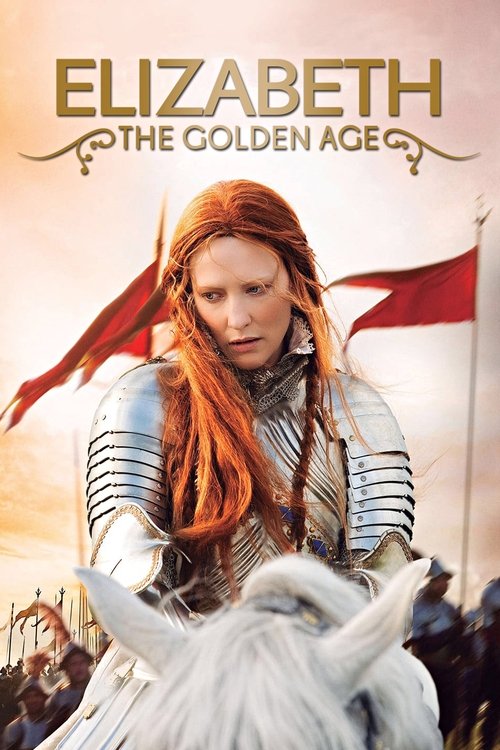
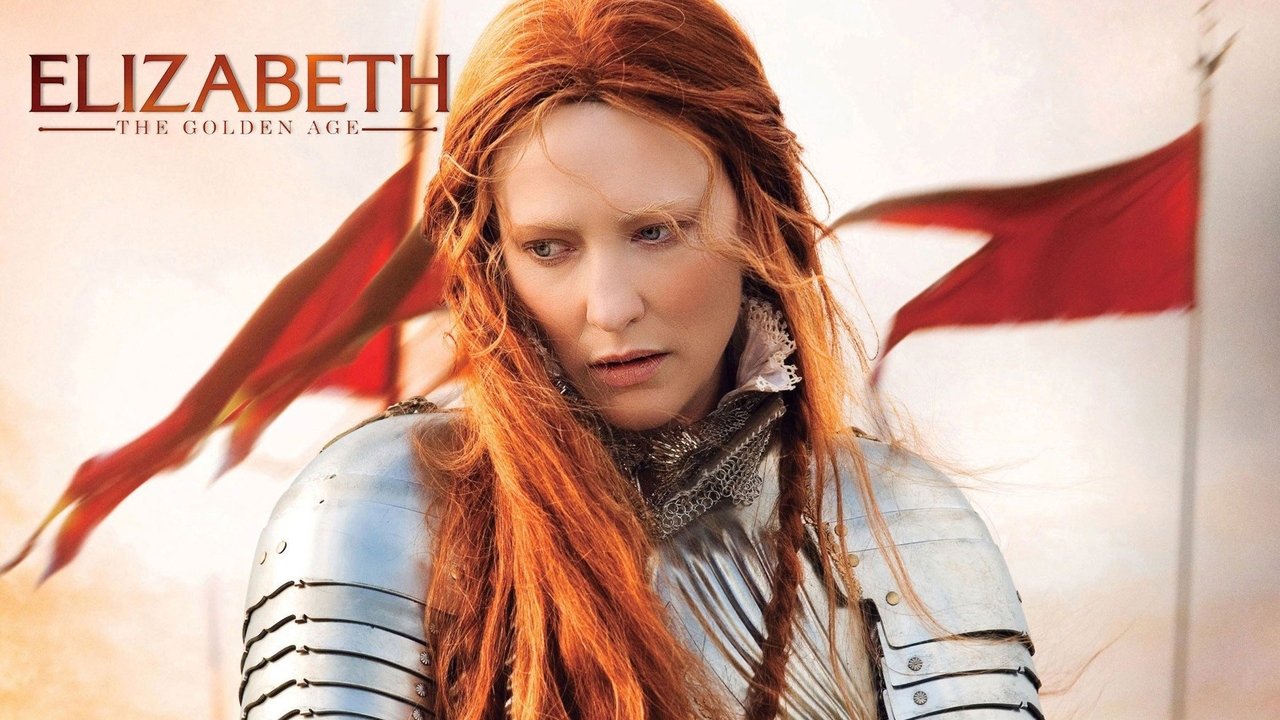
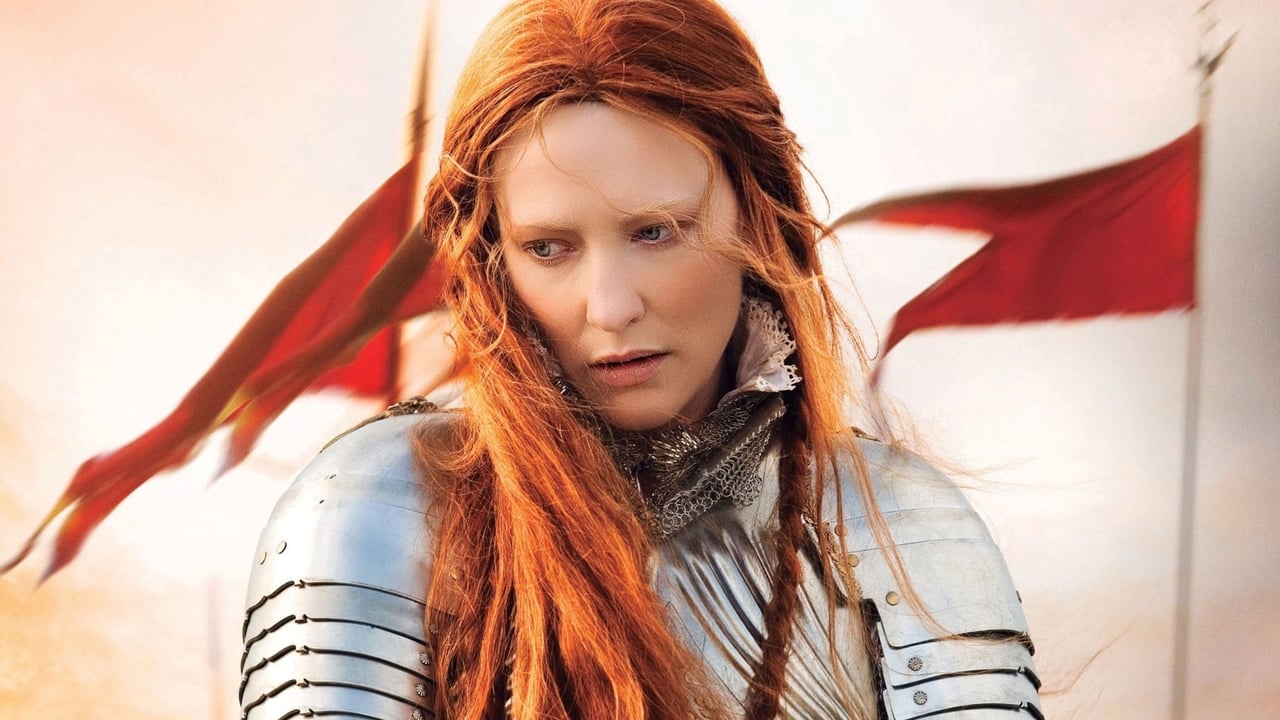
There is a moment in Elizabeth: The Golden Age where Cate Blanchett—returning to the role that made her an icon in the 1998 original—stands on a cliffside in a suit of silver armor, her red hair whipping in the gale as the Spanish Armada approaches. It is, for lack of a more academic term, a "superhero shot." By 2007, the historical drama had shifted its DNA. We were deep into the post-Gladiator and Lord of the Rings era, where even the most stoic British monarchs were expected to have a "warrior" phase.
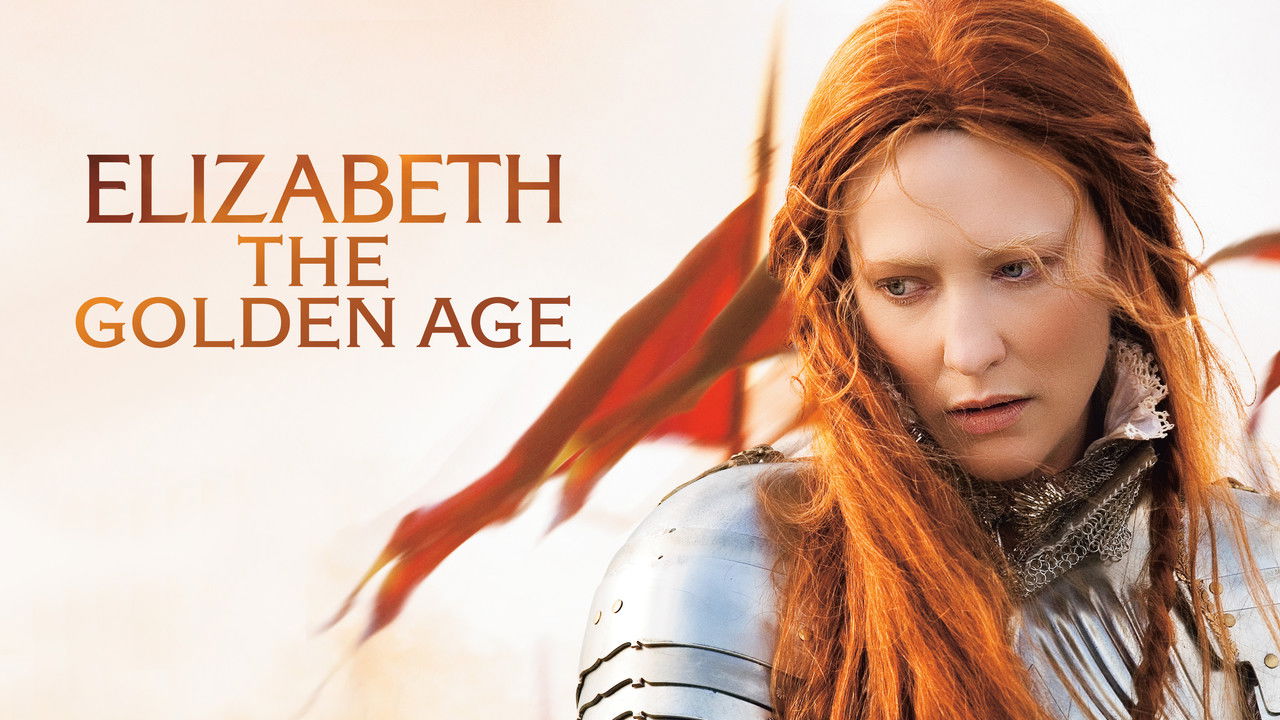
I remember watching this on a scratched DVD I’d rented from a dying Blockbuster, and the disc skipped every time a cannon fired during the climax. Honestly, the rhythmic stuttering of the digital freeze-frame added a weird, avant-garde tension to the naval battle that the actual CGI was struggling to provide. Looking back, this film is the quintessential "Modern Cinema" bridge: a prestige period piece trying desperately to behave like a summer blockbuster.
A Sequel with a Cape
When Shekhar Kapur (who also directed the first Elizabeth) returned to this world nearly a decade later, the cinematic landscape had changed. The 1998 film was a dark, claustrophobic political thriller—all shadows, whispers, and the terrifying realization of what power costs a young woman. The Golden Age, however, is a different beast entirely. It’s brighter, louder, and significantly more obsessed with its own scale.
The plot picks up in 1585. Elizabeth is older, established, but still hounded by the "marriage question." Enter Clive Owen as Sir Walter Raleigh. Owen was in his "leading man" prime here, fresh off Children of Men (2006) and Inside Man (2006), and he plays Raleigh as a rugged, sea-faring rogue who smells like tobacco and salt air. He’s the catalyst for the film’s romantic drama, caught in a triangle between the Queen and her favorite lady-in-waiting, Abbie Cornish.
While the first film was about the birth of a monarch, this one is about the burden of the icon. Cate Blanchett doesn’t just act; she commands. Even when the script gets a bit soapy, her performance is a fortress. She manages to make Elizabeth feel like a human being trapped inside a very expensive, very stiff museum exhibit. She’s basically playing a goddess who really just wants to go for a hike with a cute sailor.
The CGI Armada and Era Quirks
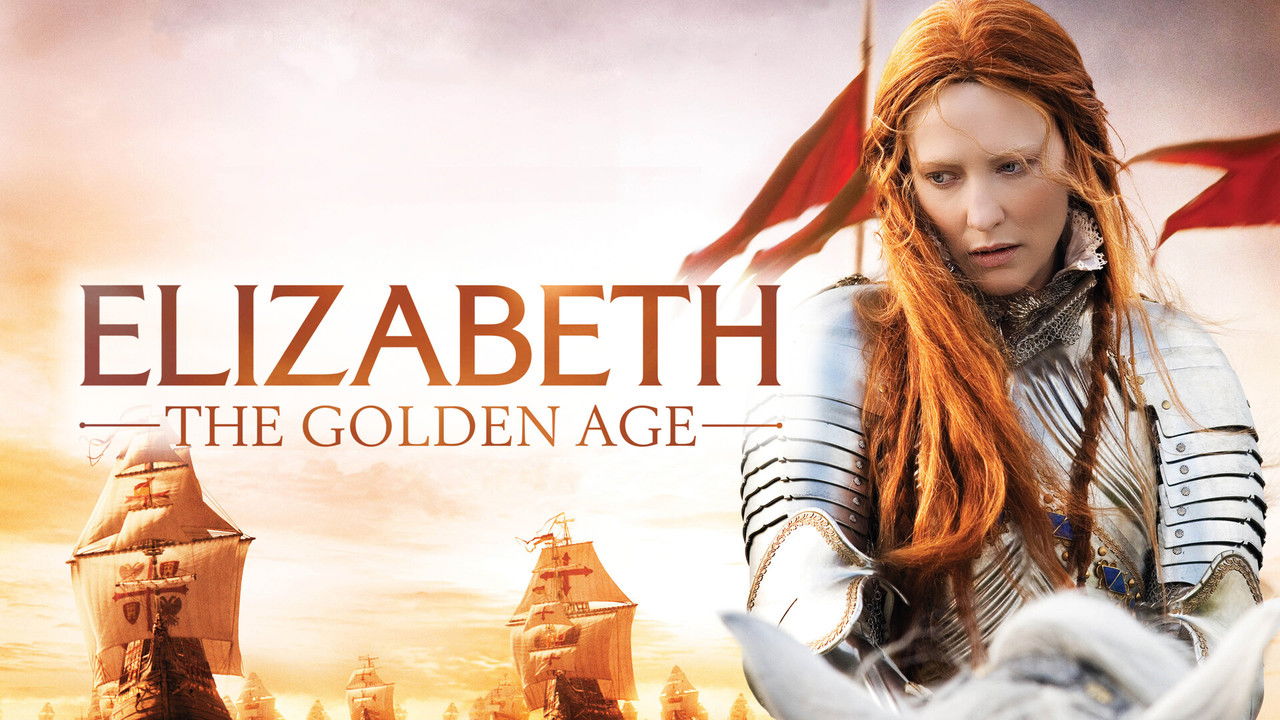
One of the most fascinating things about reassessing films from the mid-2000s is looking at the "Digital Revolution" in its awkward teenage years. The Golden Age relies heavily on early-to-mid-tier CGI for the legendary clash with the Spanish Armada. At the time, it was marketed as a spectacle, but viewing it today, there’s a distinct "video game" sheen to the water and the fire effects. It lacks the tactile, grimy reality of the practical sets used for the palace interiors.
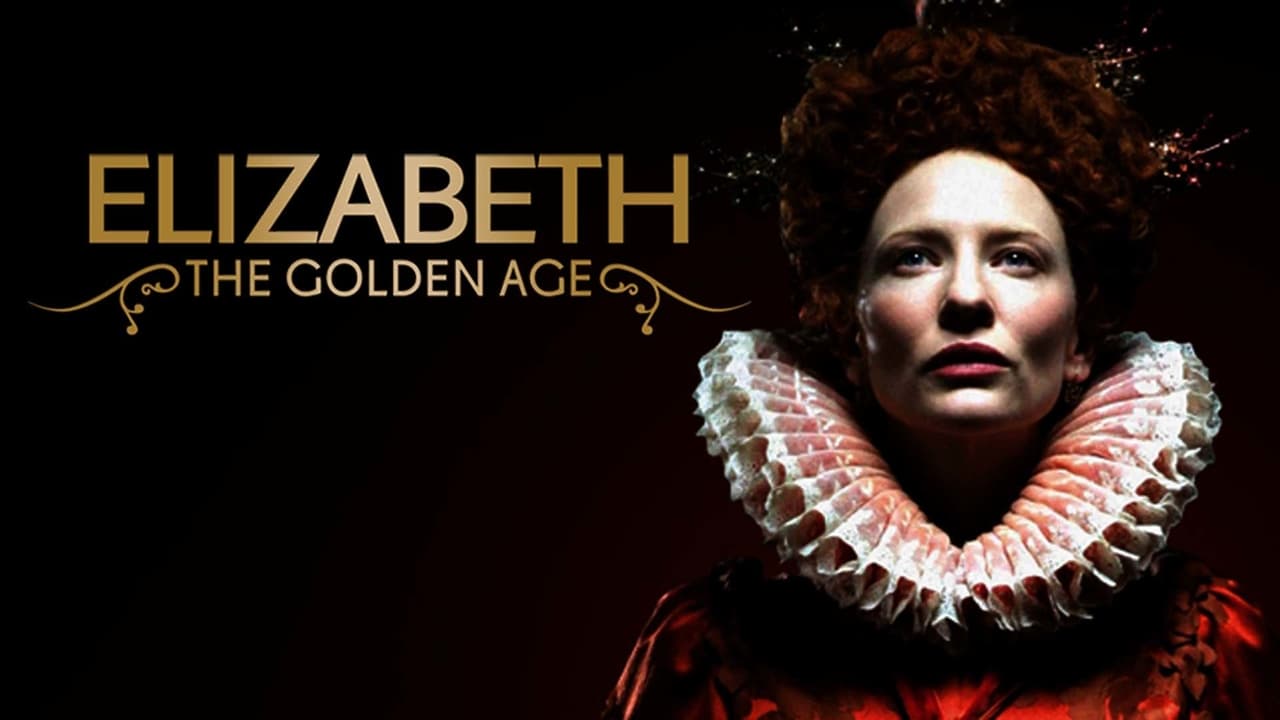
However, what the film lacks in digital realism, it makes up for in sheer, unadulterated style. The costume design by Alexandra Byrne—which rightfully won an Oscar—is staggering. The dresses are architectural marvels that seem to swallow Blanchett whole, reinforcing the theme that Elizabeth the Woman is being consumed by Elizabeth the Crown.
The film also captures that post-9/11 anxiety that snuck into so many mid-2000s scripts. The conflict between Protestant England and Catholic Spain is framed with a heavy-handedness that mirrors the "clash of civilizations" rhetoric of the era. The Spanish, led by a bug-eyed Jordi Mollà as King Philip II, are portrayed almost like religious zealots from a fantasy novel. It’s not subtle, but subtlety was not really the 2007 vibe.
The Forgotten Middle Child
Why did this movie fall into the "obscure" bin while the first one remains a staple of film school syllabi? It’s likely because it feels like a "remix" rather than a revelation. It hits the same beats—betrayal, Mary Queen of Scots (played here by a stern Samantha Morton), and the lonely weight of the throne—but it does so with a much higher budget and much less grit.
It’s a "DVD culture" relic. I recall the special features on the disc spending an inordinate amount of time on the construction of the St. Paul’s Cathedral set. There was a genuine pride in the craft that feels a bit lost in our current era of green-screen voids. Geoffrey Rush returns as Sir Francis Walsingham, and while he’s given less to do this time around, watching him and Blanchett share the screen is still a master-level acting clinic. They have a shorthand that makes the decades of history between their characters feel lived-in.
Interestingly, the film’s score—a collaboration between A.R. Rahman and Craig Armstrong—is an absolute banger. It ditches the traditional choral arrangements for something more driving and rhythmic, further pushing the idea that this is a "historical action movie" rather than a dry biopic.
In retrospect, Elizabeth: The Golden Age is a fascinating example of what happens when a director tries to turn a nuanced drama into a sweeping epic. It’s a bit too glossy, a bit too loud, and the CGI hasn't aged like fine wine. But as a vehicle for Cate Blanchett, it’s undeniable. She gives the film a gravity it doesn't always deserve, turning a somewhat disjointed sequel into a high-camp celebration of one of history’s most formidable women. If you’ve only ever seen the 1998 version, this is worth a look just to see the "Virgin Queen" finally put on her armor and lean into the legend. Just don't expect the history to be as accurate as the embroidery on the dresses.
Keep Exploring...
-
Elizabeth
1998
-
Mona Lisa Smile
2003
-
Confessions of a Dangerous Mind
2002
-
Joyeux Noel
2005
-
The New World
2005
-
The Duchess
2008
-
The Young Victoria
2009
-
A Royal Affair
2012
-

A Good Year
2006
-

Alexander
2004
-

Cinderella Man
2005
-

Memoirs of a Geisha
2005
-
Black Death
2010
-
Les Misérables
2012
-
First Knight
1995
-
Becoming Jane
2007
-

The Other Boleyn Girl
2008
-

My Week with Marilyn
2011
-
Anna Karenina
2012
-
K-19: The Widowmaker
2002