Evangelion: 1.0 You Are (Not) Alone
"The end begins again, in high-definition."
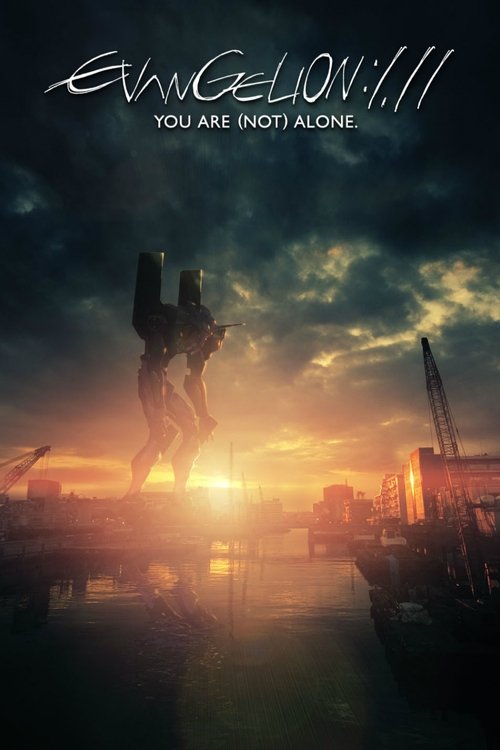
Hideaki Anno didn’t just want to tell his story again; he wanted to burn the old film reels and rebuild the world from the ashes of his own 1990s depression. By 2007, the legend of Neon Genesis Evangelion had reached a fever pitch of cult worship, but its creator seemed restless. The result was Evangelion: 1.0 You Are (Not) Alone, a film that sits in a strange cinematic space: it is simultaneously a high-octane remake of the first six episodes of a TV show and a meta-commentary on the very idea of returning to one’s past.
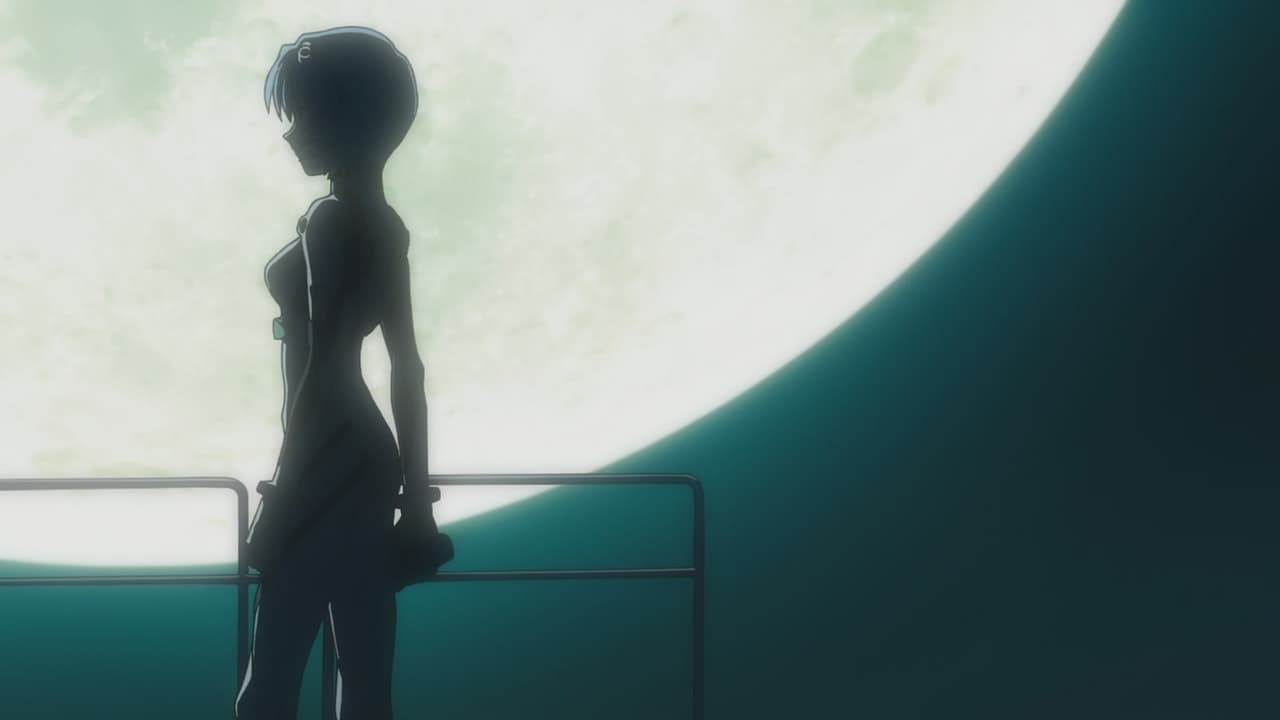
I first watched this on a flickering laptop screen while nursing a cup of lukewarm instant miso soup that I’d forgotten to stir, and even in that unglamorous setting, the sheer scale of the thing knocked the wind out of me. It’s a movie that demands you pay attention to the silence between the explosions.
A Blueprint for the Rebuild Era
The mid-2000s were the Wild West for digital animation. We were moving away from the grainy, hand-painted cels of the 90s into a world where CGI could finally handle the complex geometry that traditional animators dreaded. Evangelion: 1.0 is a fascinating artifact of this transition. While it retains the iconic character designs of Yoshiyuki Sadamoto, the world feels physically heavier. Tokyo-3, the city that retracts into the ground during attacks, isn't just a background anymore; it's a mechanical organism.
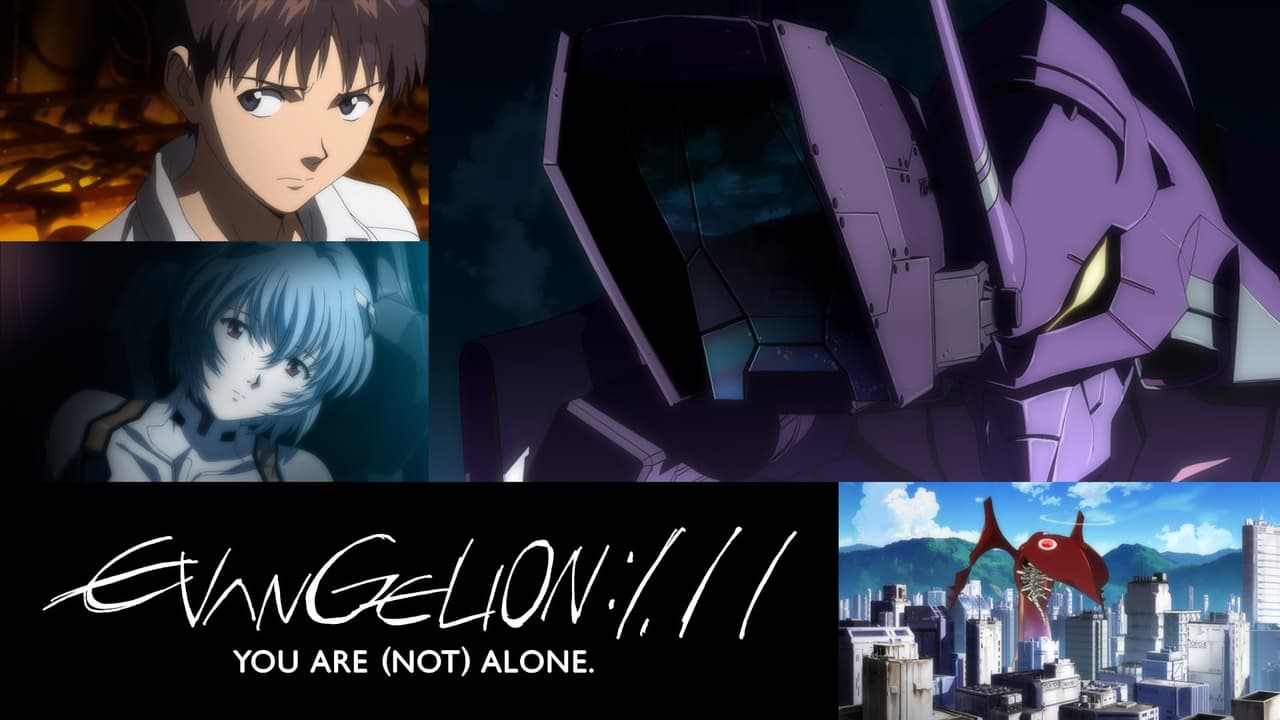
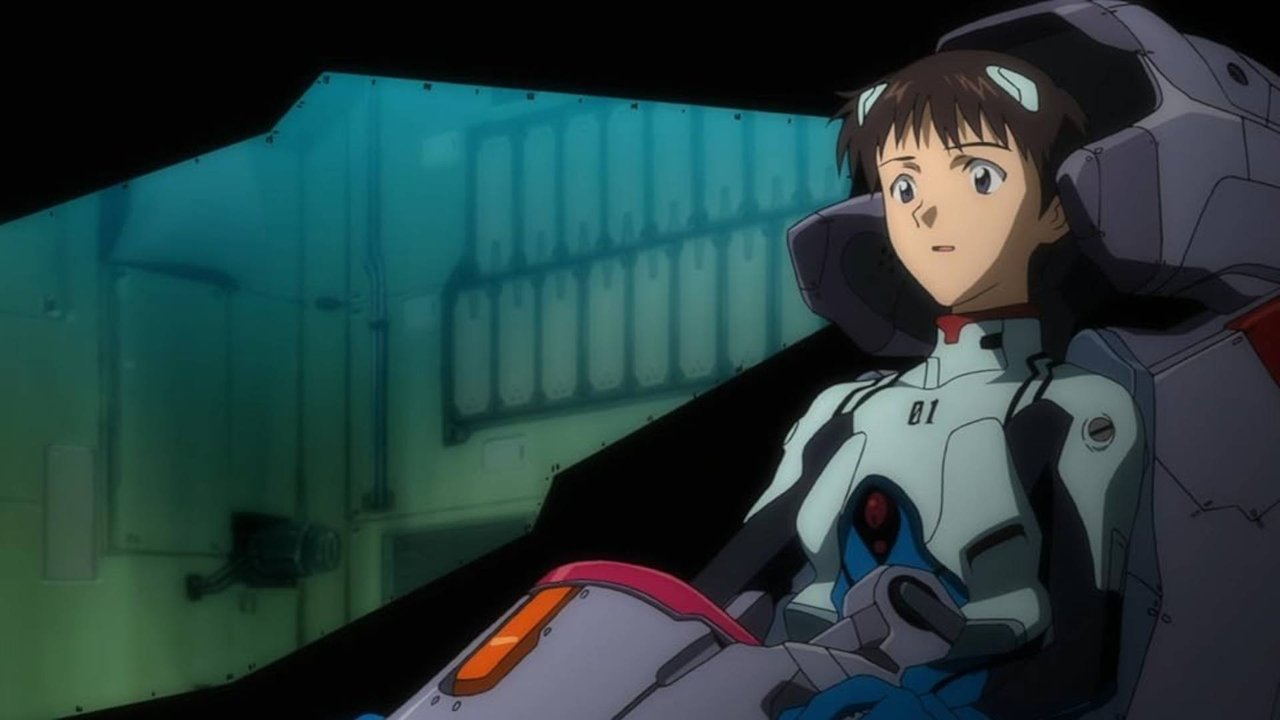
The plot remains a masterclass in "unwilling hero" tropes. Megumi Ogata returns to voice Shinji Ikari, the fourteen-year-old poster child for parental abandonment issues. When his estranged father, Fumihiko Tachiki as Gendo, summons him to pilot a giant purple bio-machine (the EVA-01) against "Angels"—monolithic alien invaders—Shinji doesn’t have a heroic awakening. He has a panic attack. It’s this commitment to psychological realism in the middle of a giant robot movie that keeps the franchise relevant. It’s a blockbuster about the agonizing difficulty of just saying hello to another person.
Geometry as Godhood: The Action
If you want to see where the $7 million budget went, look no further than the "Operation Yashima" climax. In the original 1995 series, the Angel Ramiel was a static blue diamond. In 2007, thanks to the CGI revolution, Ramiel became a shifting, kaleidoscopic nightmare of fourth-dimensional geometry. It folds, refracts, and screams like a choir of dying angels.
The action choreography here is less about "punching" and more about the frantic, terrifying logistics of warfare. Watching Megumi Hayashibara as the stoic Rei Ayanami defend Shinji’s sniper position with a literal heat shield is a sequence of pure, mounting tension. The sound design by Shiro Sagisu punctuates every metal-on-metal impact with a weight that makes modern superhero fights feel like balloons popping. There is a sense of consequence here; when a building collapses, you feel the dust in your throat. It's the visual equivalent of a panic attack in a neon-lit cathedral.
The Hedgehog’s Dilemma 2.0
For the cerebral fans, 1.0 leans heavily into the "Hedgehog’s Dilemma"—the idea that the closer two people get, the more they hurt each other. This isn't just subtext; it's the movie's soul. Anno uses the updated visuals to emphasize the isolation. We see Shinji framed against massive, empty industrial landscapes or tucked into the corner of Kotono Mitsuishi’s (Misato Katsuragi) apartment, surrounded by beer cans.

Looking back from the perspective of today’s "extended universe" fatigue, 1.0 feels surprisingly focused. It was released during that peak DVD culture era where we would pore over the "1.11" Blu-ray releases just to see the three minutes of extra footage or the slight color corrections. It was a time when film literacy was being shaped by these "Director’s Cuts," and Anno played into that perfectly. He wasn't just giving us a better-looking version of the 90s; he was subtly shifting the deck chairs on the Titanic, hinting that this time, the ending might be different.
Interestingly, this was the first project for Studio Khara, the production house Anno founded after leaving GAINAX. It was a massive gamble—betting his legacy on a retelling of his most famous work—but the box office returns proved that the world wasn't done with Shinji's suffering just yet.
Evangelion: 1.0 is more than just a nostalgic trip; it’s a sharpening of the blade. While it covers familiar ground for long-time fans, the sheer technical prowess and the deepening of Shinji’s psychological trauma make it a vital piece of the Modern Cinema era. It captures that 2007 anxiety—the transition from analog to digital, the fear of the unknown—and wraps it in the most beautiful, terrifying animation of its decade. Whether you're a mecha fanatic or someone who just appreciates a well-told story about a kid who really needs a hug, this is where the rebuild starts.
Keep Exploring...
-
Evangelion: 2.0 You Can (Not) Advance
2009
-

Evangelion: 3.0 You Can (Not) Redo
2012
-
Evangelion: 3.0+1.0 Thrice Upon a Time
2021
-
Neon Genesis Evangelion: The End of Evangelion
1997
-

Cowboy Bebop: The Movie
2001
-
Batman: The Dark Knight Returns, Part 1
2012
-
The Girl Who Leapt Through Time
2006
-

Dragon Ball Z: Fusion Reborn
1995
-

Batman: The Dark Knight Returns, Part 2
2013
-
Justice League: The Flashpoint Paradox
2013
-
From Up on Poppy Hill
2011
-
Ghost in the Shell 2: Innocence
2004
-
Final Fantasy VII: Advent Children
2005
-
Resident Evil: Damnation
2012
-
Shin Godzilla
2016
-
Millennium Actress
2002
-

Ghost in the Shell
1995
-
Batman: Under the Red Hood
2010
-

Superman/Shazam!: The Return of Black Adam
2010
-
Batman: Year One
2011