Gone Baby Gone
"The right choice will haunt you."
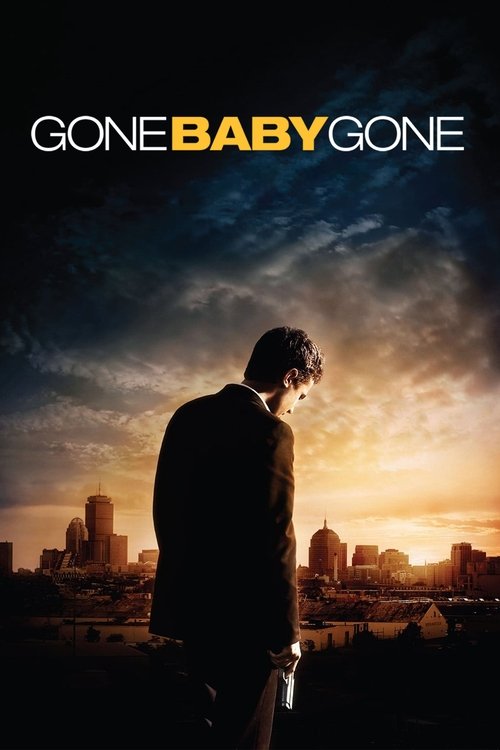
The first thing that hits you in Gone Baby Gone isn’t the plot or the stars—it’s the faces. These aren’t Hollywood faces; they are the weathered, craggy, "I’ve seen three divorces and five recessions" mugs of actual South Boston locals. I watched this on a scratched DVD I bought at a garage sale that smelled faintly of damp basement, and honestly, that mildewy scent felt like a 4D cinematic enhancement for the neighborhood Ben Affleck was trying to capture.
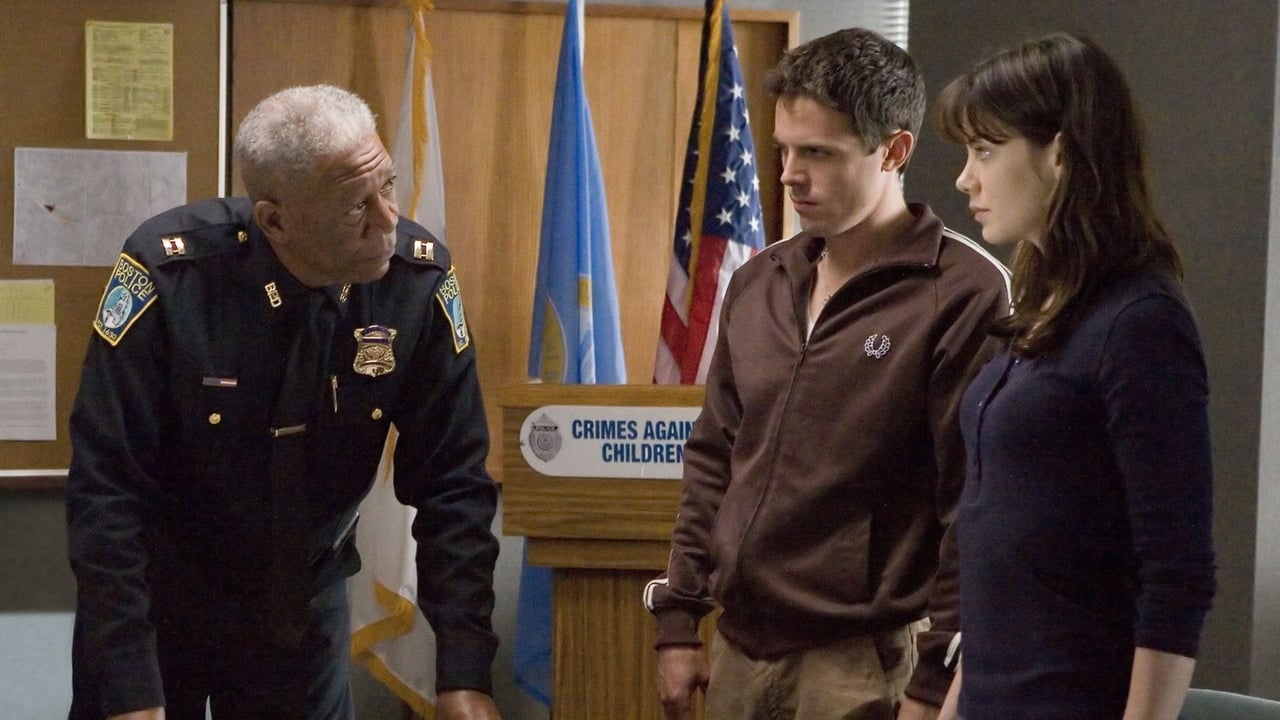
By 2007, Ben was in a weird spot. He was the guy from the tabloids and Gigli, a punchline for late-night hosts. Then he stepped behind the camera, cast his brother, and reminded everyone that he actually knows exactly how a Boston street corner feels at 2:00 AM. This isn't just a crime procedural; it’s a grimy, ethically exhausting dive into a world where the "good guys" are just the ones who haven't been caught yet.
The Southie Staredown
The story kicks off when four-year-old Amanda McCready vanishes. Her aunt hires Patrick Kenzie (Casey Affleck) and Angie Gennaro (Michelle Monaghan), two local P.I.s who don't have the muscle of the police but have the "in" with the neighborhood. They’re kids from the block who happen to carry badges. What follows is a missing-person case that slowly mutates into a series of impossible choices.
I remember when this came out, the buzz was all about whether Casey Affleck could carry a movie. He’s got this high-pitched, reedy voice and a frame that looks like it would blow over in a stiff Atlantic breeze. But he uses that "little brother" energy perfectly here. He doesn’t roar; he stings. Casey Affleck spends half the movie looking like a sentient cigarette, yet you can't look away. He’s surrounded by heavyweights like Morgan Freeman and Ed Harris, but he holds the center by being the most stubborn person in the room.
The atmosphere is thick enough to choke on. Ben Affleck and cinematographer John Toll (who did Braveheart) treat the Dorchester streets like a character. It’s that mid-2000s gritty realism that was trending at the time, but it feels more authentic here than in something like The Town. It lacks the glossy heist-movie sheen, opting instead for the fluorescent hum of a dive bar and the grey chill of a New England morning.
Authenticity at a High Cost
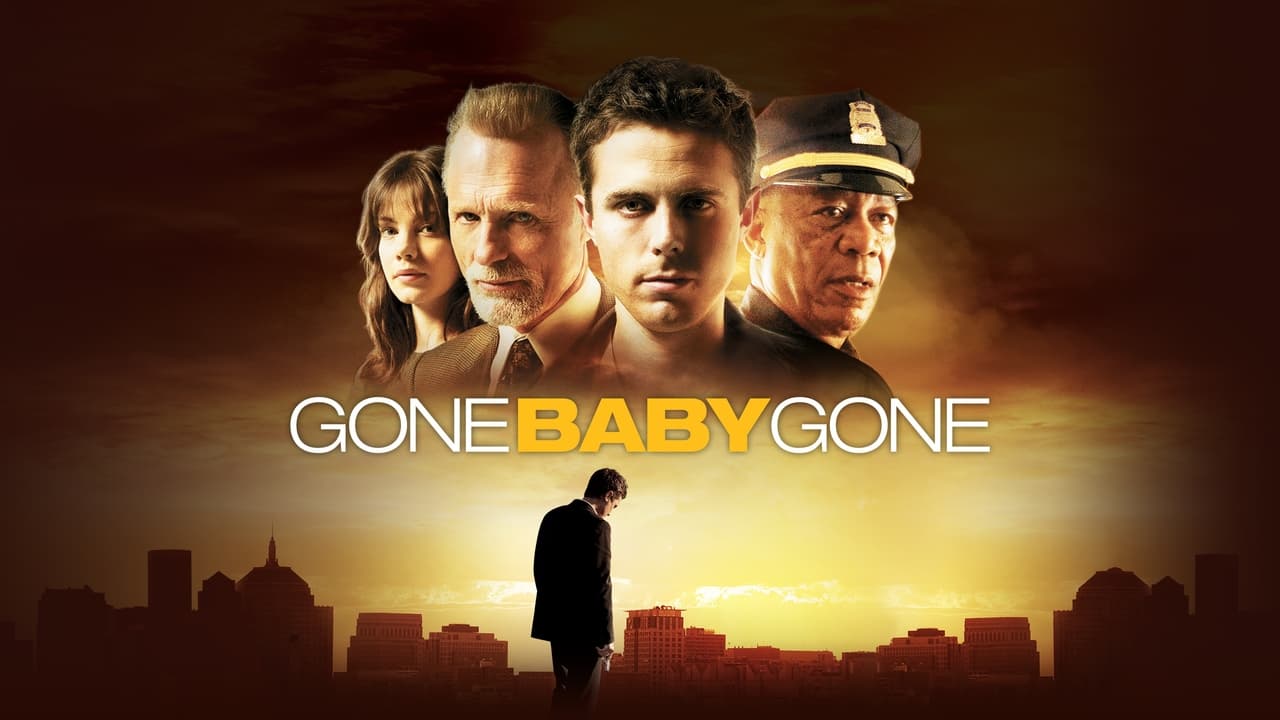
One of the most impressive things about the production was the commitment to the locale. Apparently, Amy Ryan, who plays the missing girl's mother, Helene, was so convincing in her "Boston-trash" wardrobe that a security guard actually barred her from the set, thinking she was a local gawker trying to sneak into the craft services tent. That tells you everything you need to know about her performance. She’s loud, neglectful, and deeply unlikable, yet Ryan finds a way to make you feel the tragedy of her stunted life. It’s one of the best "supporting" turns of the decade.
The film also hit a massive real-world snag. Its UK release was delayed for months because the plot—a young girl disappearing from her bed while her mother was away—bore a chilling resemblance to the real-life Madeleine McCann case that was dominating headlines in 2007. It speaks to the raw, uncomfortable nature of the story; it felt a little too close to the evening news for comfort.
Looking back, the mid-2000s were a gold mine for these kinds of "adult dramas" before the superhero factory took over the mid-budget space. You had John Ashton (from Beverly Hills Cop) coming out of a long hiatus to play a grizzled detective, and Ed Harris bringing a simmering, terrifying intensity to a guy who probably thinks he’s a hero. There are no CGI explosions here, just the explosive tension of a man trying to decide what "justice" actually looks like.
The Moral Hangover
The real reason Gone Baby Gone sticks in your ribs long after the credits roll is the ending. I won't spoil it if you're a first-timer, but it’s a total wrecking ball. It’s a "trolley problem" wrapped in a Boston tracksuit. Usually, in these films, you want the detective to solve the case and save the day. Here, the "solution" is a nightmare.

I’ve argued with friends about the final five minutes of this movie for over a decade. It’s the kind of conclusion that makes you want to pause the screen and have a three-hour debate over a beer. It’s a bold move for a directorial debut—refusing to give the audience a clean exit. Ben Affleck is a better director than he is an actor, and I’m tired of pretending he isn’t. He has a knack for pacing and a willingness to let a scene sit in uncomfortable silence that most first-time directors are too scared to try.
The score by Harry Gregson-Williams stays out of the way, providing a low-frequency dread that matches the overcast sky. It’s a film that respects your intelligence enough to know that sometimes, doing the "right" thing feels exactly like committing a crime.
Gone Baby Gone is a masterclass in how to adapt a Dennis Lehane novel without losing the dirt under its fingernails. It’s a bleak, intense, and deeply rewarding drama that proved the "other" Affleck brother was a force to be reckoned with behind the camera. If you want a film that respects the complexity of human failure and doesn't offer any easy hand-holding, this is the one. Just be prepared to feel a little bit worse about the world once it’s over—in the best way possible.

Keep Exploring...
-
The Town
2010
-
Lucky Number Slevin
2006
-

Changeling
2008
-

Mystic River
2003
-
Kiss Kiss Bang Bang
2005
-
Glengarry Glen Ross
1992
-
Infernal Affairs
2002
-

A History of Violence
2005
-
Tell No One
2006
-
Mother
2009
-
The Girl with the Dragon Tattoo
2009
-
Batman: Under the Red Hood
2010
-
Batman: The Dark Knight Returns, Part 1
2012
-
25th Hour
2002
-

Adaptation.
2002
-
John Q
2002
-
21 Grams
2003
-
Monster
2003
-
The Next Three Days
2010
-
Drive
2011