Hannibal Rising
"Before the mask, there was a menu."
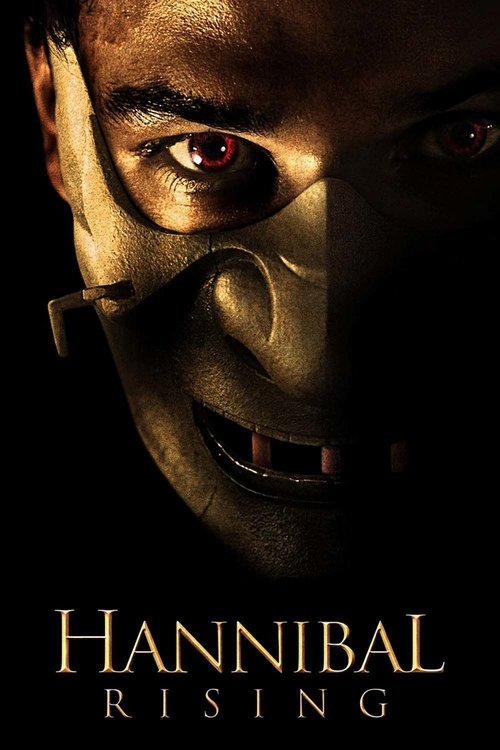
I vividly remember the collective groan that rippled through the horror community in the mid-2000s when this project was announced. It was the era of "Prequel-itis," a fever that gripped Hollywood and insisted that every iconic monster needed a detailed, tragic Google Map of how they arrived at their villainy. We’d just seen Star Wars explain Darth Vader into a corner, and suddenly, the most enigmatic cannibal in cinema history was getting the "When Hannibal met Mischa" treatment.
I watched Hannibal Rising for the first time on a long-haul flight while the woman in the seat next to me was intensely highlighting a cookbook about organ meats. Between the cabin pressure and the sheer coincidence of her reading material, the film took on a surreal, fever-dream quality that I’ve never quite been able to shake. It’s not the psychological masterpiece that The Silence of the Lambs is, but looking back through the lens of late-2000s franchise expansion, it’s a fascinating, gorgeous failure that I can’t help but enjoy for all the wrong reasons.
The Beauty of the Beast
The first thing you notice about Hannibal Rising is that it looks far too good for a movie about a guy eating his war-time tormentors. Directed by Peter Webber, who previously gave us the lush Girl with a Pearl Earring, the film is draped in a rich, velvety atmosphere. The cinematography by Ben Davis (who would later jump into the MCU with Guardians of the Galaxy) treats the Lithuanian forests and Parisian streets like fine oil paintings.
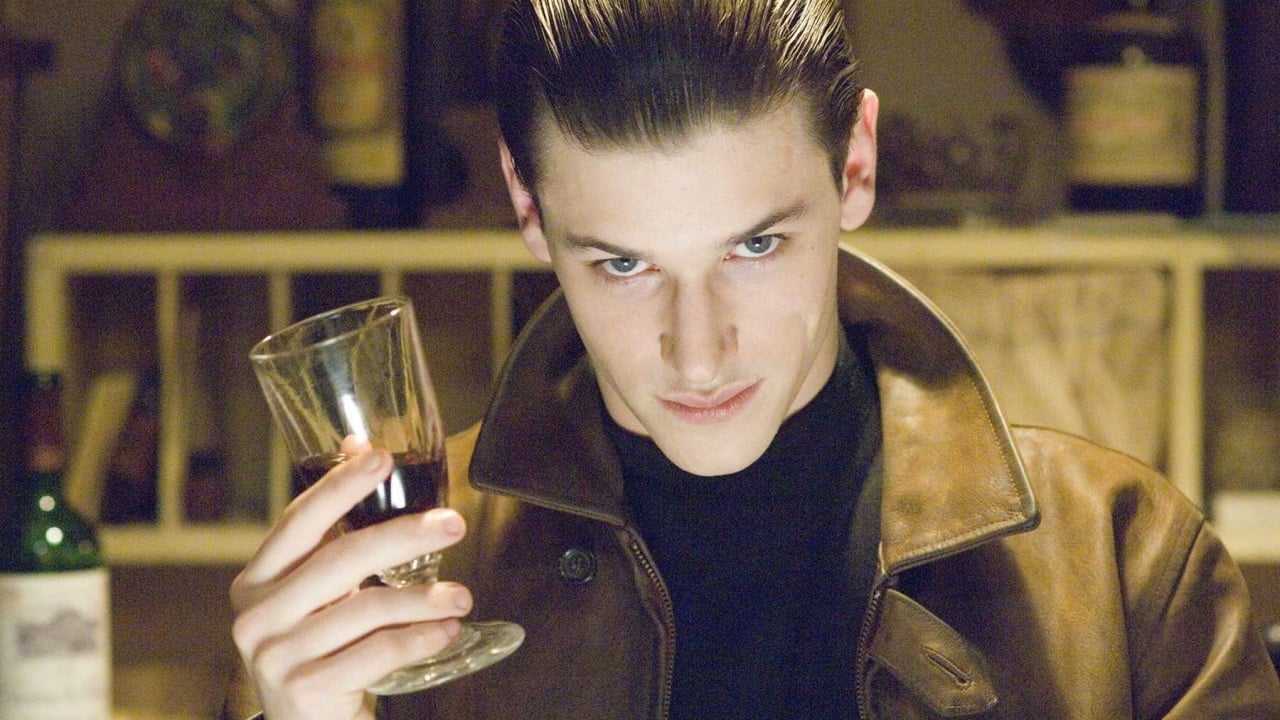
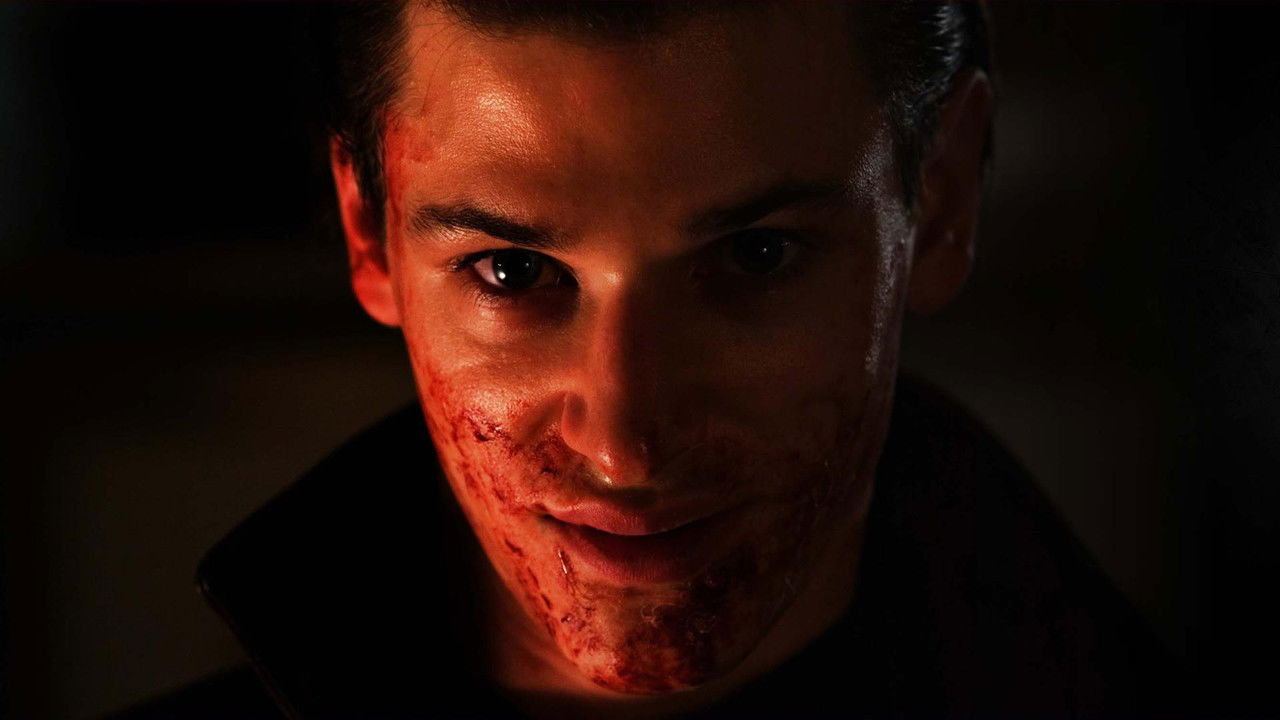
At the center of this aesthetic feast is the late Gaspard Ulliel. Taking over for Anthony Hopkins is a suicide mission for any actor, but Ulliel doesn’t even try to do the "Hello, Clarice" hiss. Instead, he plays Hannibal as a wounded, predatory cat. He has this high-fashion, skeletal grace that makes him look more like a runway model who’s had a very bad day than a burgeoning serial killer. To be honest, this movie is essentially a high-fashion slasher flick where the killer happens to have an impeccable skincare routine.
The plot follows young Hannibal from the trauma of WWII—where he witnesses a group of starving mercenaries do the unthinkable to his sister—to his education in France under the tutelage of his aunt-in-law, Lady Murasaki (Gong Li). It’s here the movie struggles. By explaining that Hannibal became a monster because of a specific, horrific trauma, it robs him of the "pure evil" mystique that made him terrifying in the first place.
Revenge is a Dish Best Served... With Samurais?
One of the weirdest turns in the script (penned by Thomas Harris himself) is the heavy emphasis on samurai culture. Apparently, Hannibal learned his discipline and blade skills from Gong Li’s ancestral armor and katanas. It feels like a leftover idea from a different movie, yet Gong Li is so radiant and overqualified for this material that you almost buy into the "Hannibal the Ninja" vibe.
The villains are a different story. Rhys Ifans and Richard Brake play the mercenaries with such sneering, mustache-twirling villainy that they feel like they’ve wandered in from a different, much cheaper movie. They aren’t characters; they are just meat for the grinder. It’s basically 'John Wick' with a side of fava beans and a much higher body count of people who really, really deserve it.
What’s truly interesting behind the scenes is that Thomas Harris reportedly only wrote the book and screenplay because producer Dino De Laurentiis gave him an ultimatum: "If you don't do the origin story, I own the rights, and I'll find someone who will." You can almost feel that reluctant energy in the writing. It’s a story told because it had to be told for a balance sheet, not because the character needed more depth.
The Prequel Curse and Cult Rebirth
Despite the lukewarm reception, Hannibal Rising has developed a bit of a cult following, mostly from fans who appreciate its sheer audacity and Ulliel’s hypnotic performance. To prepare for the role, Ulliel reportedly spent time at a mortuary to see how bodies were handled, which adds a layer of grim reality to his movements.
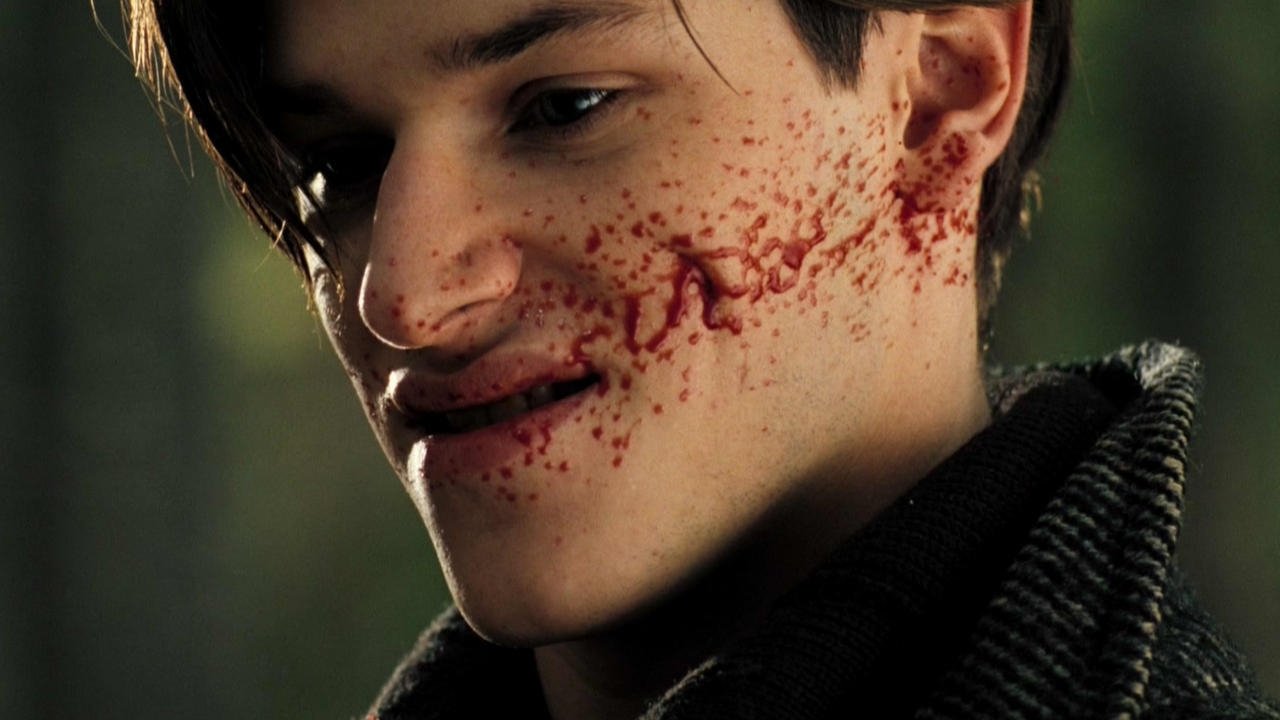
The film also serves as a time capsule for the transition from practical horror to the digital sheen of the late 2000s. There’s some effective gore—the bathtub scene still lingers in the back of my mind—but it’s all presented with a polished, studio-approved gloss. It lacks the grittiness of Manhunter (1986), opting instead for a "Dark Superhero" origin vibe that was very popular in the post-9/11 landscape. We wanted our monsters to be understandable, even if that meant making them less scary.
Is it a "good" Hannibal Lecter movie? Not really. It lacks the intellectual chess match that defines the character. But is it an entertaining, beautifully shot revenge thriller? Absolutely. It’s a curiosity of an era when Hollywood was obsessed with filling in the blanks, even when the mystery was the best part.
Ultimately, Hannibal Rising is the cinematic equivalent of a very expensive meal that leaves you feeling slightly hungry an hour later. It’s worth a watch for Gaspard Ulliel’s magnetic presence and the lush production design, but it’s a reminder that some monsters are better left in the dark. If you can stop caring about the lore and just enjoy the sight of a well-dressed Frenchman taking a sword to some war criminals, you’ll have a perfectly fine two hours. Just maybe skip the snacks during the first act.
Keep Exploring...
-
Red Dragon
2002
-
Deliver Us from Evil
2014
-
From Paris with Love
2010
-
The Exorcism of Emily Rose
2005
-
Saw III
2006
-
Saw IV
2007
-
The Hitcher
2007
-

Saw V
2008
-
Untraceable
2008
-
The Last House on the Left
2009
-
I Spit on Your Grave
2010
-
The Transporter
2002
-
S.W.A.T.
2003
-
Transporter 2
2005
-

16 Blocks
2006
-
Quantum of Solace
2008
-
The Taking of Pelham 1 2 3
2009
-
Ghost Ship
2002
-
John Q
2002
-
Once Upon a Time in Mexico
2003