Harry Potter and the Order of the Phoenix
"A searing portrait of bureaucratic rot and the messy, defiant spark of teenage rebellion."
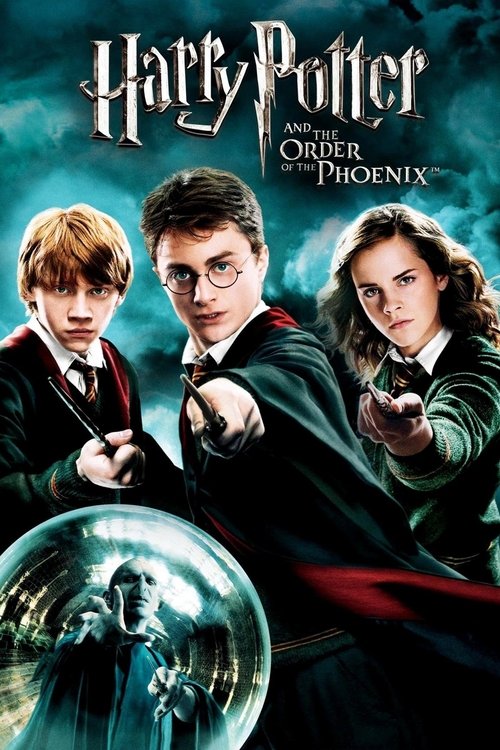
The first time I saw Harry Potter and the Order of the Phoenix, I was sitting in a theater that smelled faintly of industrial-grade floor cleaner and overpriced nacho cheese, nursing a pack of Sour Patch Kids that were so stale they felt like chewing on rubber erasers. It was 2007, the height of Potter-mania, and the air was thick with the kind of anticipation you only get when a generation is literally growing up alongside its screen idols.
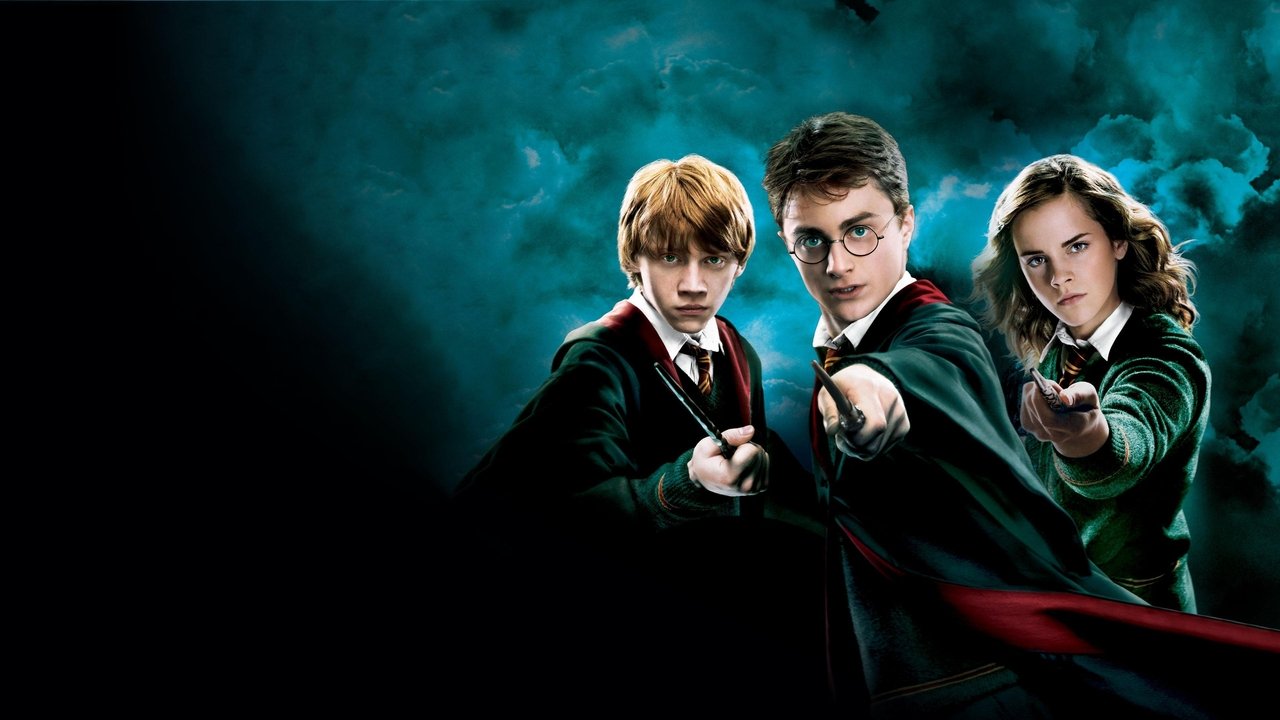
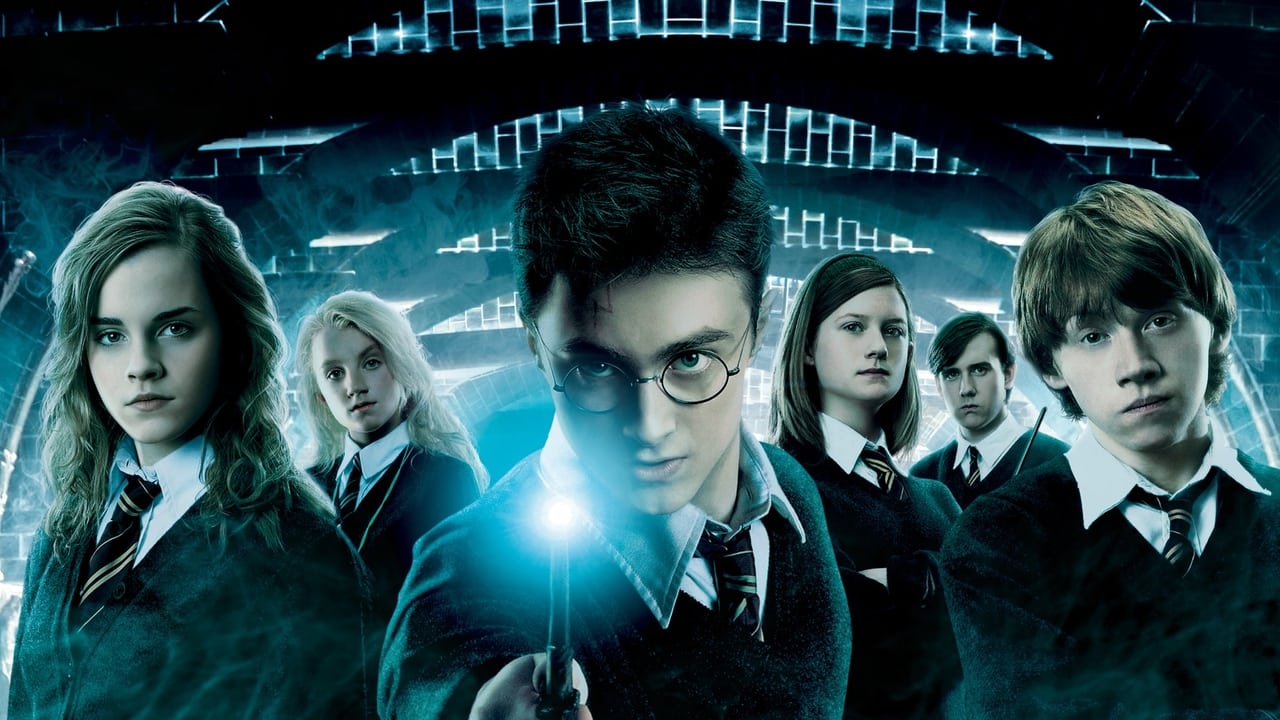
Looking back, this is the exact moment the franchise stopped being a series of "whimsical adventures" and transformed into a cold, hard look at how institutions fail us. It’s easily the grittiest entry of the series, trading the golden hues of the early films for a palette of sterile blues, oppressive greys, and—most terrifyingly—sickly, bubblegum pink.
The Banality of Evil in a Cardigan
We have to talk about Imelda Staunton. While Ralph Fiennes (of Schindler's List fame) plays Lord Voldemort as a high-camp operatic monster, Staunton’s Dolores Umbridge is something far more recognizable and, therefore, far more sinister. She is the embodiment of the "middle manager from hell." We’ve all dealt with an Umbridge—the person who hides their cruelty behind a "hem-hem" cough and a stack of restrictive "Educational Decrees."
Imelda Staunton gives the most punchable performance in cinematic history, and I mean that as the highest possible compliment. Watching her sip tea while Harry’s hand is literally being carved open by a magical quill is a masterstroke of tension. Director David Yates, who stepped into the franchise here and stayed until the bitter end, understood that the real horror wasn't a snake-faced wizard in a graveyard; it was the government telling you that the truth is a lie for the sake of "order."
Teenage Angst and the D.A.
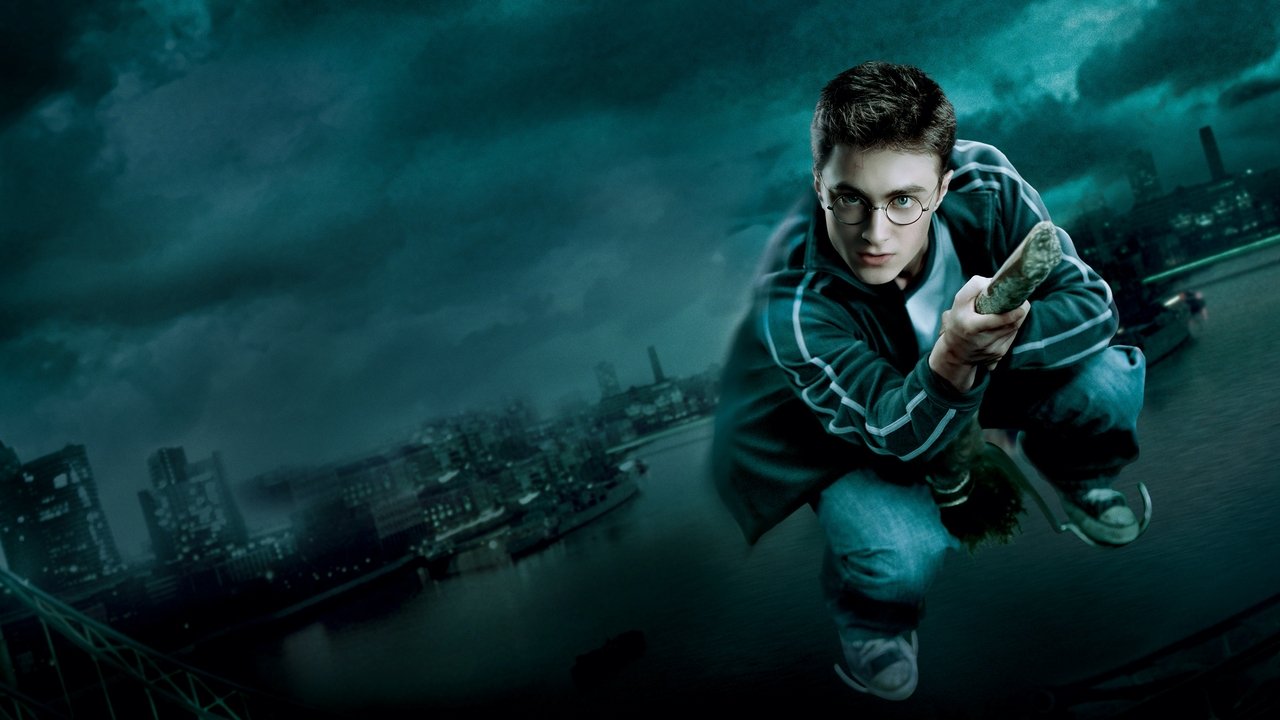
This film also marks the point where Daniel Radcliffe really began to find his footing as a dramatic lead. In the previous films, Harry was often a passenger to the plot, but here, he’s angry, isolated, and suffering from what looks a lot like PTSD. The "Sundance generation" influence of the mid-2000s is visible here; there’s an indie-film restlessness to the way Harry stalks the corridors of Hogwarts.
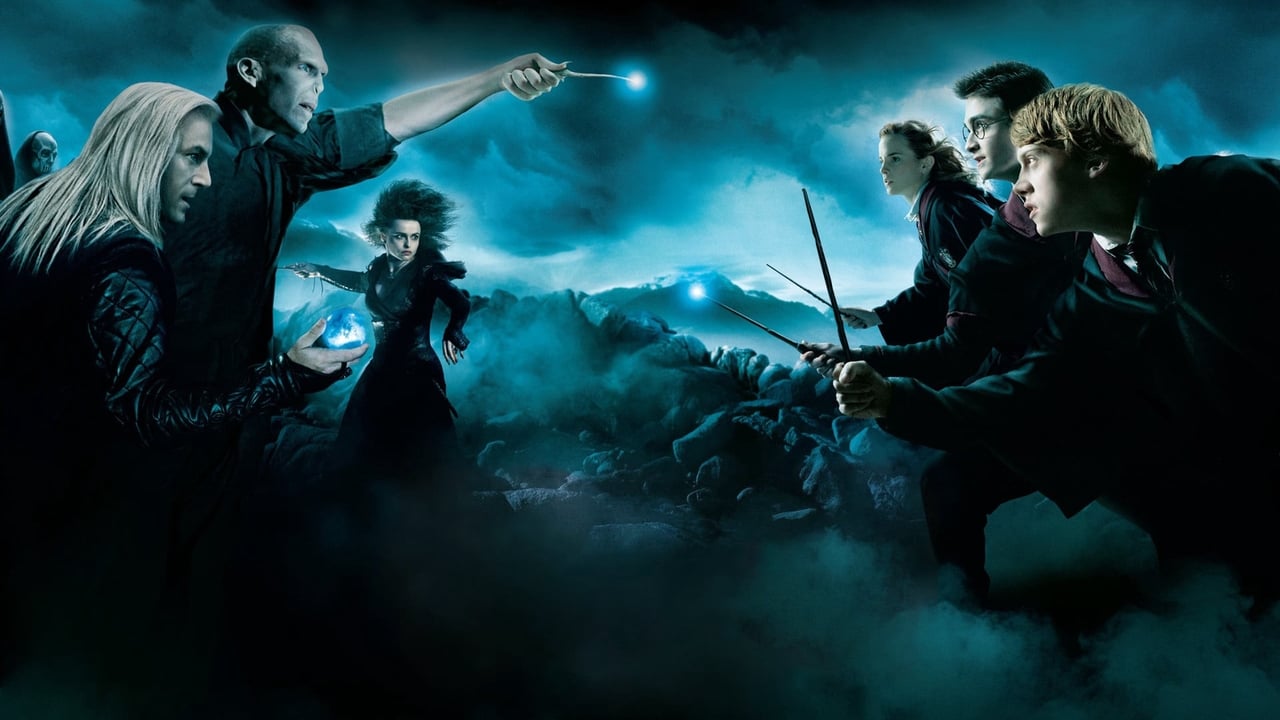
The formation of Dumbledore’s Army provides the film’s much-needed adrenaline. The training montages, backed by Nicholas Hooper’s jaunty yet urgent score, recapture that sense of "Adventure" the prompt demands. We see Emma Watson and Rupert Grint stepping into leadership roles, and the chemistry between the "Big Three" feels lived-in and weary. It’s also our first real introduction to Helena Bonham Carter as Bellatrix Lestrange. She arrives on screen like a hurricane of gothic chaos, proving that no one does "unhinged aristocrat" better.
The 2007 Digital Frontier
From a technical standpoint, Order of the Phoenix is a fascinating relic of the mid-2000s CGI revolution. We were moving away from the clunky digital creatures of the early 2000s into something more fluid. The final battle in the Department of Mysteries—specifically the duel between Dumbledore and Voldemort—still looks spectacular today. It doesn't rely on the "blue sky beam" trope that would later plague the MCU; instead, it uses elemental magic—glass, fire, and water—that feels tangible and dangerous.
The production design by Stuart Craig remains the unsung hero. The Ministry of Magic set was, at the time, one of the most expensive ever built for a UK production, inspired by the London Underground’s Victorian tiles. It creates a sense of scale that makes the characters look small, reinforcing the theme of the individual vs. the state. It’s a bit of "modern cinema" history where the transition from practical sets to digital augmentation was handled with actual grace rather than just being a lazy shortcut.
Stuff You Didn't Notice
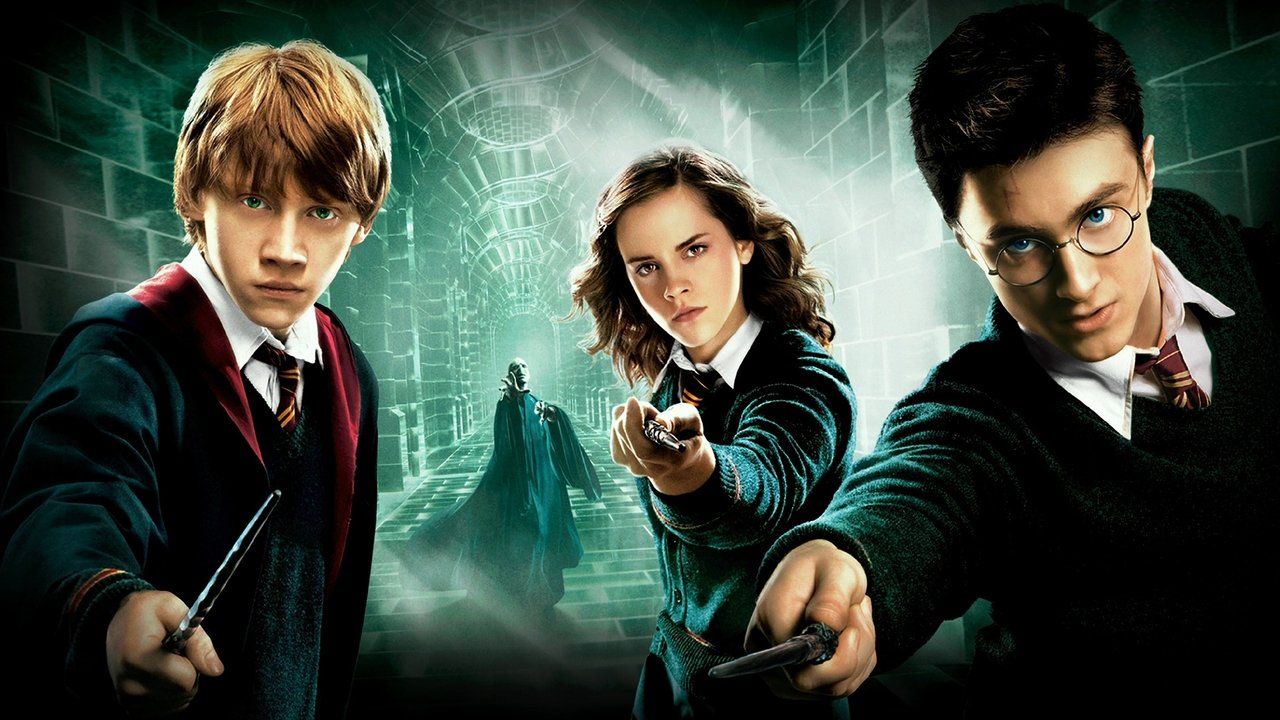
Apparently, the crew spent weeks creating those thousands of prophecy orbs in the Ministry, only to realize it was much more efficient to render them digitally. However, the physical scale of the sets helped the actors—especially the younger ones—ground their performances. Gary Oldman, returning as Sirius Black, reportedly spent his time on set teaching Daniel Radcliffe how to play the bass guitar between takes. That father-son bond translates beautifully to the screen, making the film's climax hit like a physical blow to the chest.
There's a specific, frantic energy to the editing in this film. It’s the shortest movie based on the longest book in the series, and yet it never feels rushed. It feels breathless. It’s a lean, mean rebellion machine that strips away the subplots about Quidditch and teenage dating to focus on the brewing civil war.
Harry Potter and the Order of the Phoenix is the "Empire Strikes Back" of the wizarding world. It’s the film where the stakes become permanent and the childhood wonder finally evaporates, replaced by the grim realization that the adults aren't going to save the day. It’s a movie that rewards you for growing up, even if it hurts a little to get there.
The final duel in the Ministry remains the high-water mark for magical combat on screen. It manages to be both a spectacular light show and a deeply personal psychological battle. By the time the credits roll, you realize the rebellion hasn't just begun—it's already lost its innocence.
Keep Exploring...
-
Harry Potter and the Deathly Hallows: Part 2
2011
-
Harry Potter and the Deathly Hallows: Part 1
2010
-
Harry Potter and the Half-Blood Prince
2009
-
Harry Potter and the Prisoner of Azkaban
2004
-
Harry Potter and the Goblet of Fire
2005
-
Harry Potter and the Chamber of Secrets
2002
-
Harry Potter and the Philosopher's Stone
2001
-
Charlie and the Chocolate Factory
2005
-
Fantastic Beasts and Where to Find Them
2016
-
The Lord of the Rings: The Two Towers
2002
-

Peter Pan
2003
-
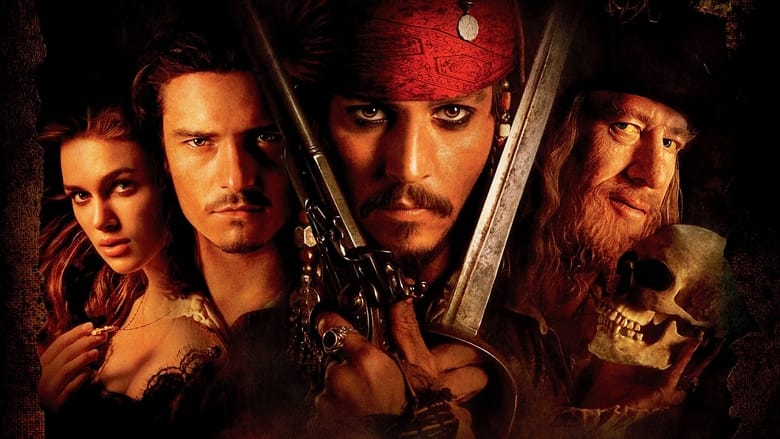
Pirates of the Caribbean: The Curse of the Black Pearl
2003
-

The Lord of the Rings: The Return of the King
2003
-
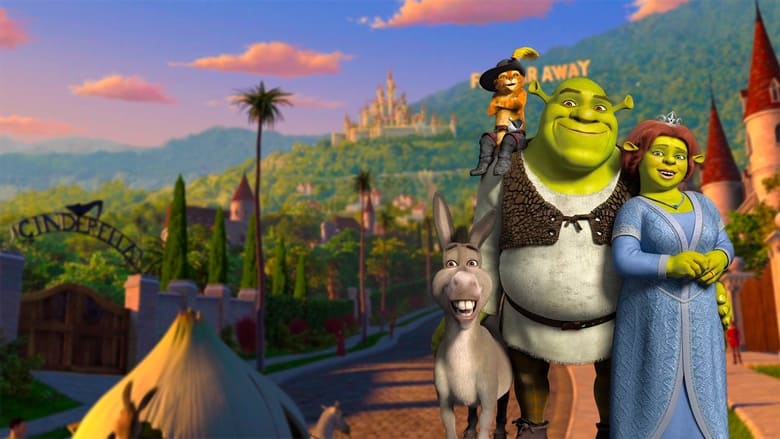
Shrek 2
2004
-
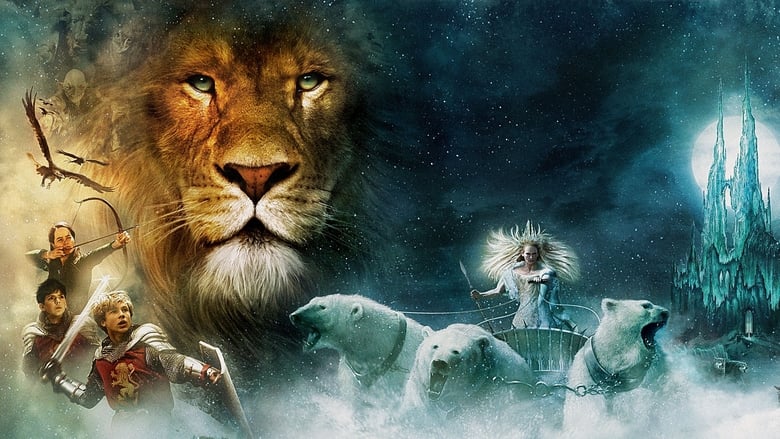
The Chronicles of Narnia: The Lion, the Witch and the Wardrobe
2005
-

Pirates of the Caribbean: Dead Man's Chest
2006
-
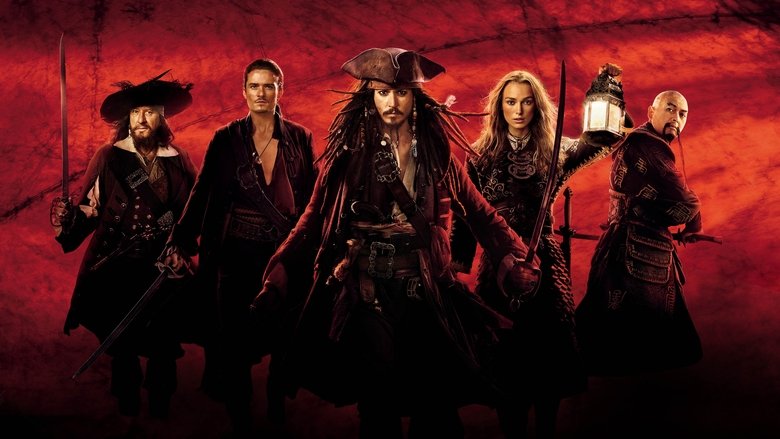
Pirates of the Caribbean: At World's End
2007
-
Avatar
2009
-
How to Train Your Dragon
2010
-
The Hobbit: An Unexpected Journey
2012