Hostel: Part II
"Supply, demand, and a very sharp scalpel."
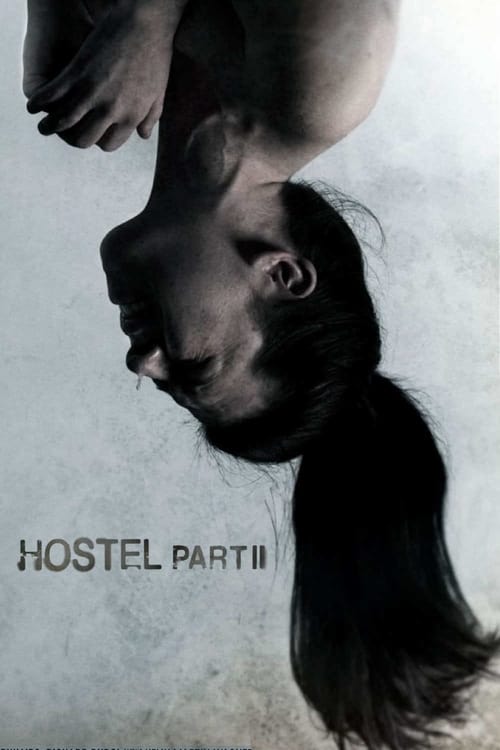
In 2007, the "Splat Pack"—that loose collective of directors like Eli Roth, James Wan, and Alexandre Aja—was under heavy fire. Critics had coined the term "torture porn" to dismiss a wave of hyper-violent cinema, claiming these films were nothing more than exercises in nihilism. But looking back at Hostel: Part II, I’m struck by how much more was going on under the blood-slicked surface. While the first film played on the "Ugly American" traveling abroad, the sequel turned its gaze toward the people holding the checkbook. It’s a mean, cynical, and surprisingly smartly constructed piece of genre filmmaking that deserves a second look now that the moral panic has cooled.
I watched this recently on a laptop with a dying battery while a thunderstorm was rolling through my neighborhood. Every time the lightning flashed, it reflected off my screen, and I had to race against the 10% power notification to see if Lauren German would make it out of the factory. That kind of low-stakes personal ticking clock actually fits the vibe of a movie that is obsessed with the price of a human life.
The Business of Butchery
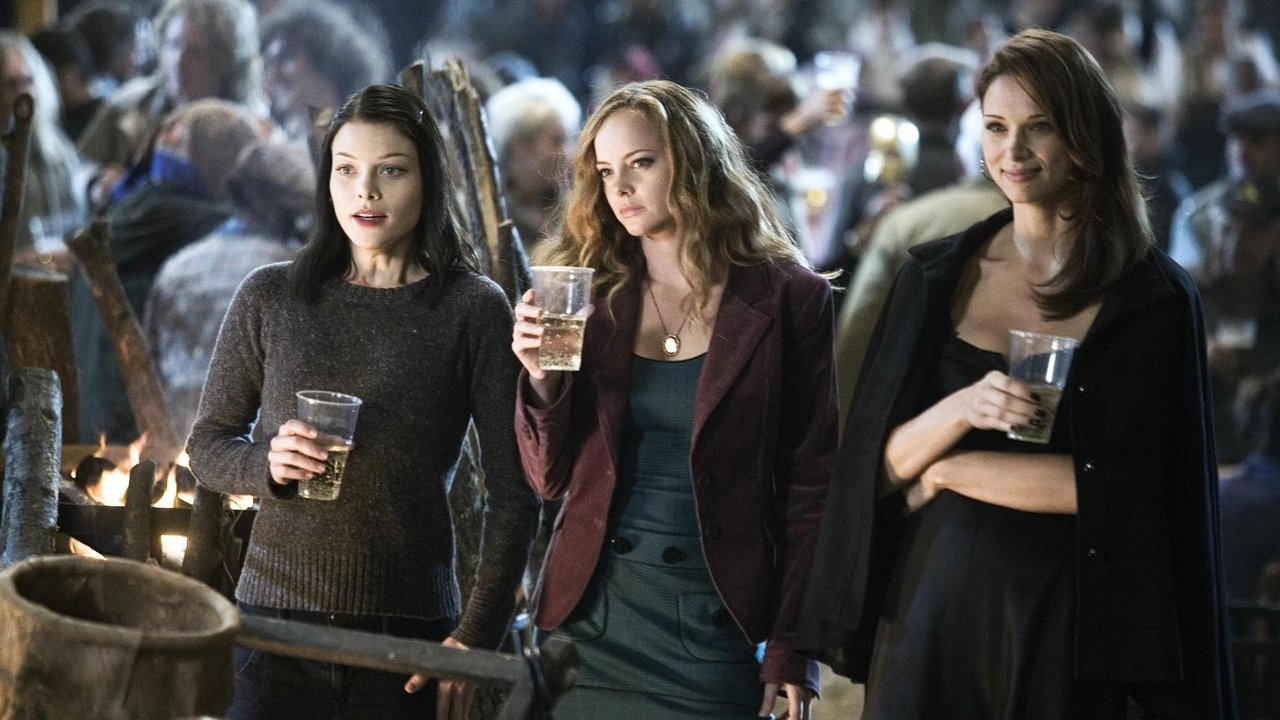
What separates Hostel: Part II from its predecessor—and most of its contemporary peers—is the structural pivot in the second act. We start with the classic setup: three American girls (Lauren German, Heather Matarazzo, and Bijou Phillips) are lured to a Slovakian hostel under the guise of a spa weekend. But Eli Roth (directing and writing) isn't interested in just repeating the first movie’s beats. Instead, he spends a significant amount of the runtime following the buyers.
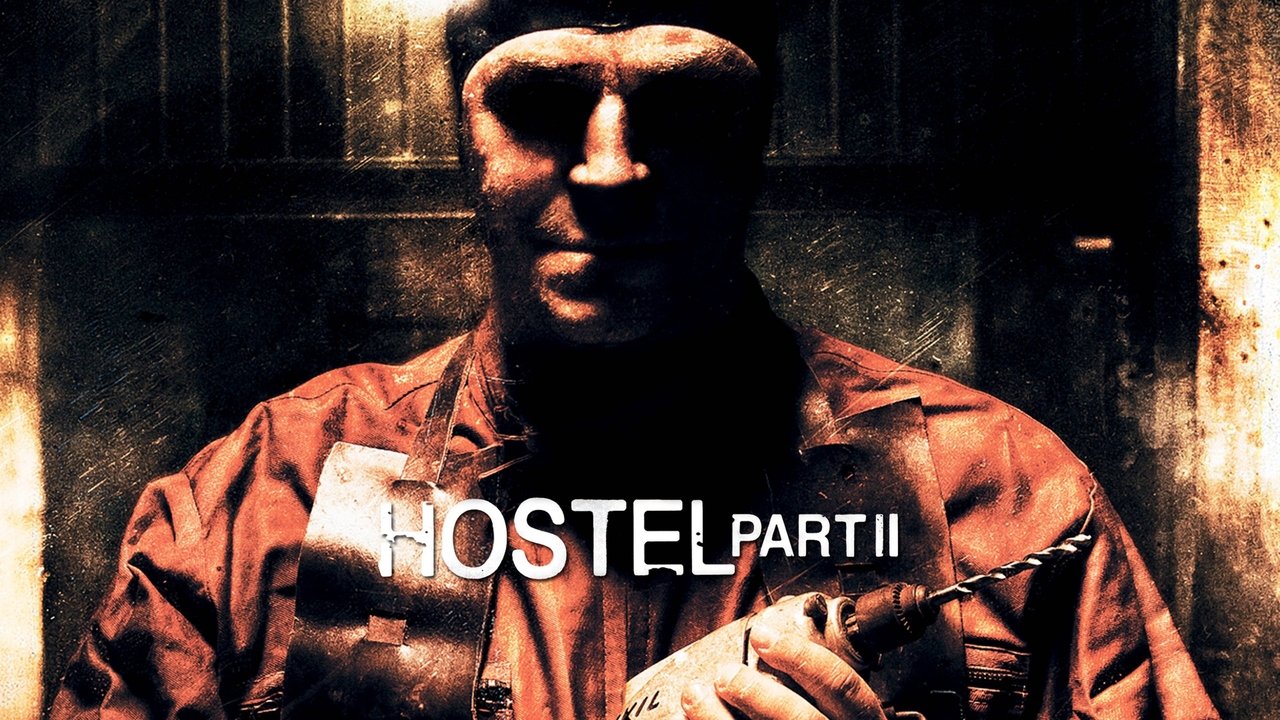
We meet Todd (Richard Burgi) and Stuart (Roger Bart), two suburban dads who have bid on the "right" to kill the girls through a high-stakes auction. Seeing the corporate, eBay-style interface of the Elite Hunting club is where the movie finds its bite. It transforms the horror from a "wrong turn" scenario into a critique of bored, wealthy entitlement. Roger Bart, whom I usually associate with musical theater or his neurotic role in Desperate Housewives, is genuinely chilling here. He starts as the hesitant, "nice guy" companion to Todd’s alpha-male bravado, but his transformation into a monster is the most effective part of the film. He makes suburban emasculation look like a legitimate motive for a killing spree.
Practical Blood and the Bathory Legend
If you’re coming to this for the effects, Eli Roth certainly doesn't skimp. This was the tail end of the era where practical effects still reigned supreme in horror before the mid-budget CGI blood splatter took over. The makeup work is staggering—and often hard to stomach. The centerpiece is undoubtedly the "human bathtub" scene involving Heather Matarazzo and Vera Jordanova. Inspired by the legends of Elizabeth Báthory, it’s a beautifully shot, hauntingly scored, and utterly repulsive sequence.
Heather Matarazzo’s death scene is basically the Sistine Chapel of mid-2000s practical effects. It’s not just about the gore; it’s about the lighting by cinematographer Milan Chadima and the slow, agonizing pacing. It’s a sequence that sticks with you because it feels tactile and heavy, unlike the weightless digital gore we often see today. The film captures that specific transition of the 2000s where directors were using modern film stocks and digital grading to make the grit feel "high-def" but still grounded in the physical reality of latex and corn syrup.
The DVD Era and the Cult Reassessment
I remember when the "Unrated" DVD for this hit the shelves of my local Blockbuster. That was a huge part of the 2007 experience—the marketing focused heavily on what was "too intense" for theaters. Looking back, that marketing did the film a bit of a disservice by framing it as purely exploitative. In reality, the film functions as a sharp subversion of the "Final Girl" trope. Without spoiling the ending, the way Lauren German navigates the third act is a brilliant commentary on how capitalism can corrupt even the victim.
Interestingly, the film includes a cameo by Ruggero Deodato, the director of the infamous Cannibal Holocaust (1980). It’s a "passing of the torch" moment that signals exactly where Roth sees himself in the lineage of horror history. While the box office for the sequel was significantly lower than the first—likely due to the "torture porn" fatigue that was setting in by late 2007—the film has aged better than most of its peers. It’s not just a collection of scares; it’s a well-paced thriller with a nasty sense of humor.
The viral marketing for the film was also ahead of its time, featuring a functional "Elite Hunting" website that looked like a legitimate, high-end travel agency. It tapped into that early-web anxiety that the dark corners of the internet were hiding something much worse than just chat rooms. It was that specific post-9/11 mood: the feeling that the world was a much more dangerous place than our American exceptionalism had led us to believe.
Hostel: Part II is an unapologetically brutal film, and it definitely won't be for everyone. However, for those who can stomach the "Splat Pack" aesthetics, it offers a surprisingly deep dive into the psychology of the oppressor rather than just the victim. It’s a well-crafted, mean-spirited, and technically proficient sequel that actually justifies its existence. If you only remember it as "that gross movie from the 2000s," it might be time to check back into the hostel. Just maybe skip the spa treatments.

Keep Exploring...
-
Hostel
2006
-
Cabin Fever
2003
-
The Green Inferno
2013
-
Friday the 13th
2009
-

Ghost Ship
2002
-

Final Destination 2
2003
-
Wrong Turn
2003
-
Resident Evil: Apocalypse
2004
-
House of Wax
2005
-
The Skeleton Key
2005
-

The Hills Have Eyes
2006
-

28 Weeks Later
2007
-
30 Days of Night
2007
-

Dead Silence
2007
-
Halloween
2007
-

Planet Terror
2007
-

Eden Lake
2008
-
Funny Games
2008
-
The Strangers
2008
-
Antichrist
2009