Hot Fuzz
"Small town. Big guns. Extra paperwork."
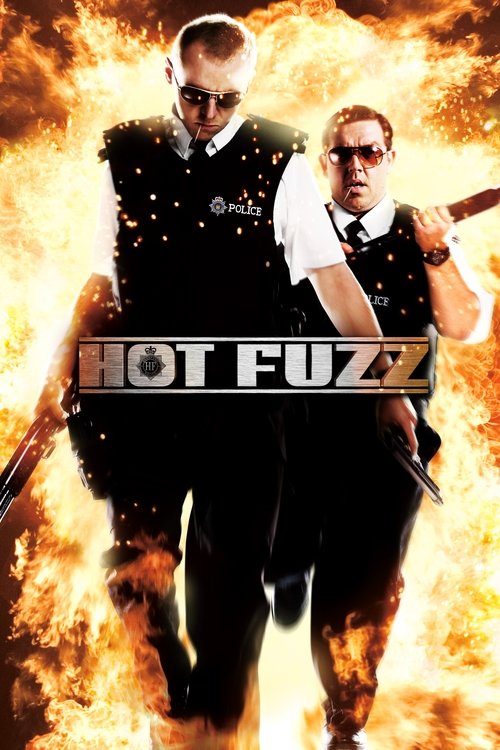
There is a specific kind of magic that happens when you take the high-octane, overcompensated energy of a Jerry Bruckheimer blockbuster and transplant it into a British town that gets unironically excited about a "Village of the Year" competition. I watched Hot Fuzz for the first time on a flickering CRT television while eating cold pizza that had a suspicious amount of pineapple on it, and for some reason, the sweetness of the fruit perfectly balanced the saltiness of the dialogue. It remains, in my humble estimation, the absolute zenith of the "Cornetto Trilogy."
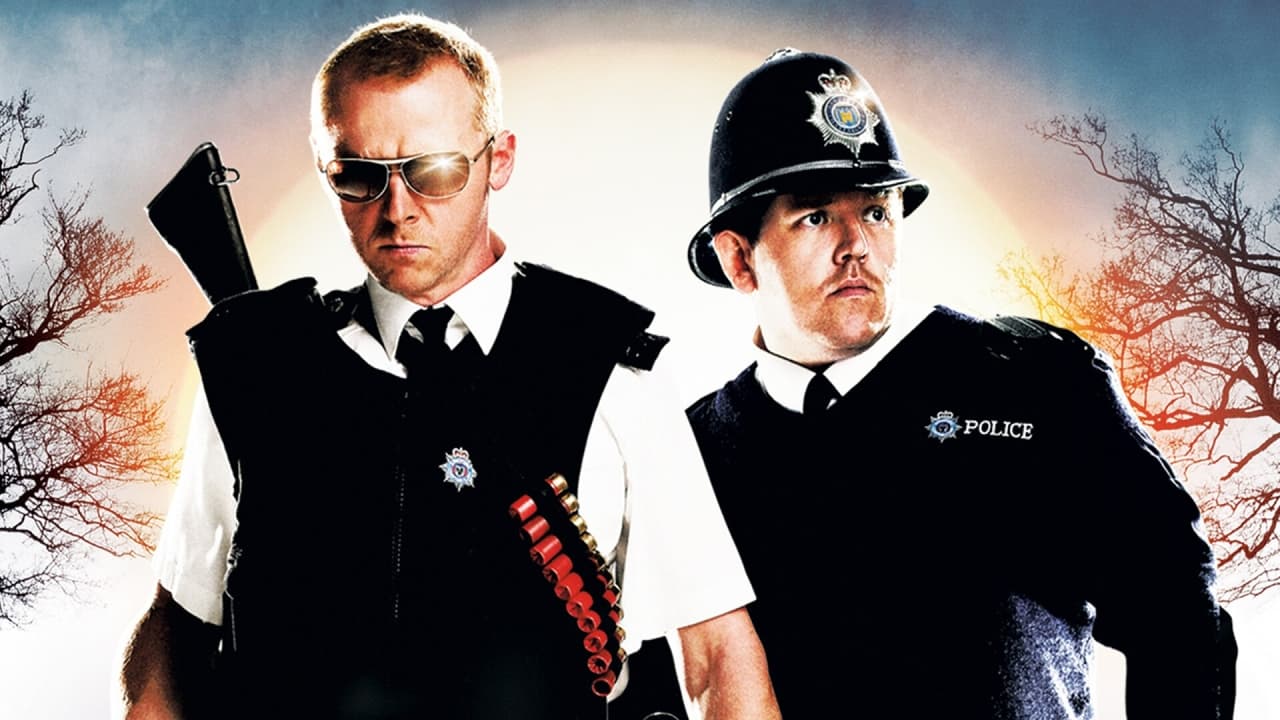
While Shaun of the Dead (2004) proved that Edgar Wright and Simon Pegg could handle horror, Hot Fuzz was the moment they showed the world they could out-shoot and out-edit the Hollywood heavyweights on a fraction of the budget. It’s a film that understands the language of action so well that it can speak it fluently while simultaneously making fun of its accent.
The Art of the Hyper-Edited Paperwork
Most action directors use editing to hide a lack of choreography; Edgar Wright uses it to turn a man filling out a form into a heart-pounding sequence. Looking back at the mid-2000s, we were right in the thick of the "shaky cam" era dominated by the Bourne sequels. Hot Fuzz rejected that blur. Instead, it embraced a comic-book-inspired precision where every "whoosh" of a camera pan and every "clack" of a stapler felt like a gunshot.
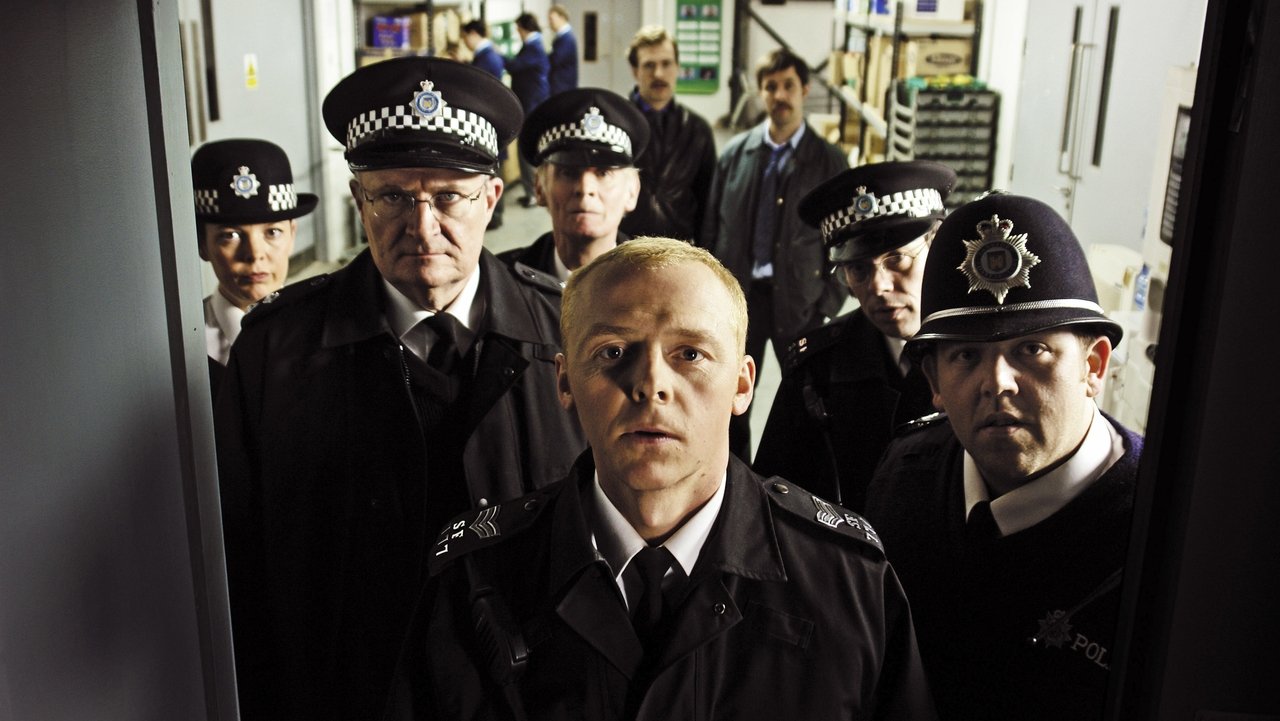
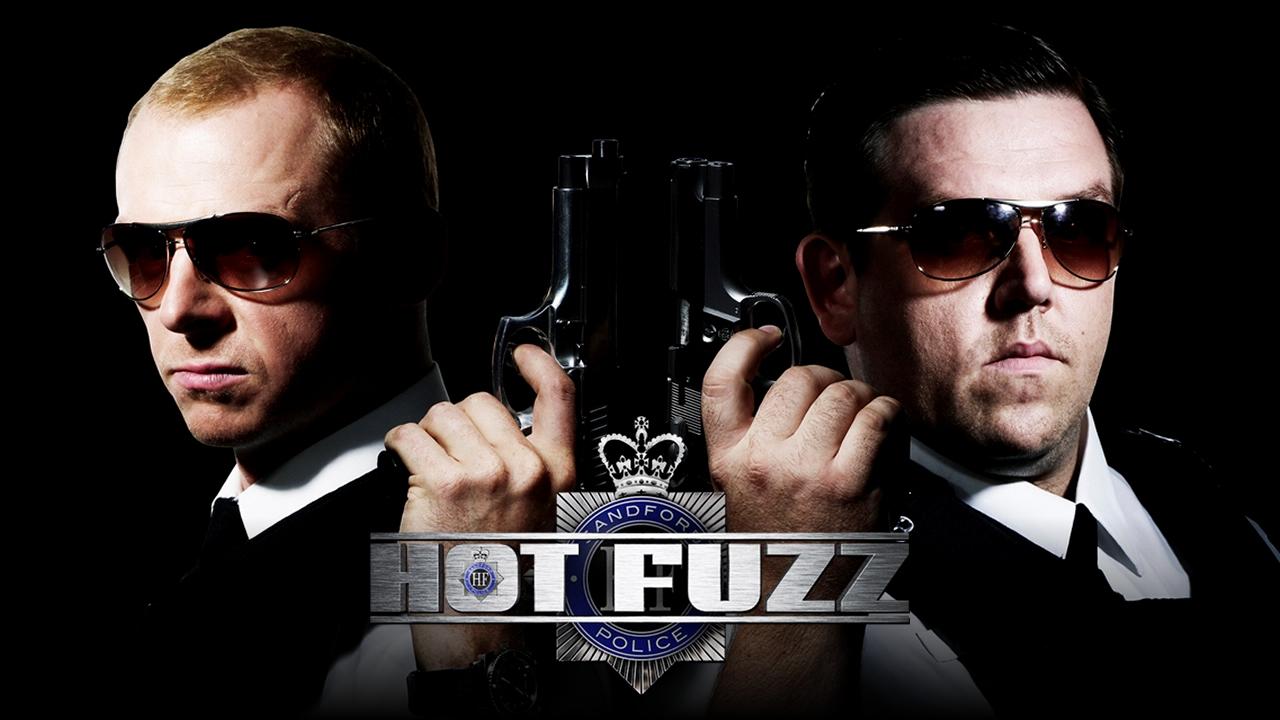
Simon Pegg plays Nicholas Angel, a London copper so good at his job he’s making everyone else look bad. His "promotion" to the sleepy village of Sandford is essentially a professional exile. Pegg plays it straight, which is the secret sauce here. He isn't a comedian doing a bit; he’s an action hero who happens to be stuck in a world of swan-chasing and petty village politics. When he’s paired with Nick Frost as the well-meaning, action-movie-obsessed PC Danny Butterman, the chemistry is instant and effortless. Frost provides the heart, but he also acts as the audience’s surrogate, asking the important questions like, "Have you ever fired two guns whilst jumping through the air?"
A Masterclass in Action Subversion
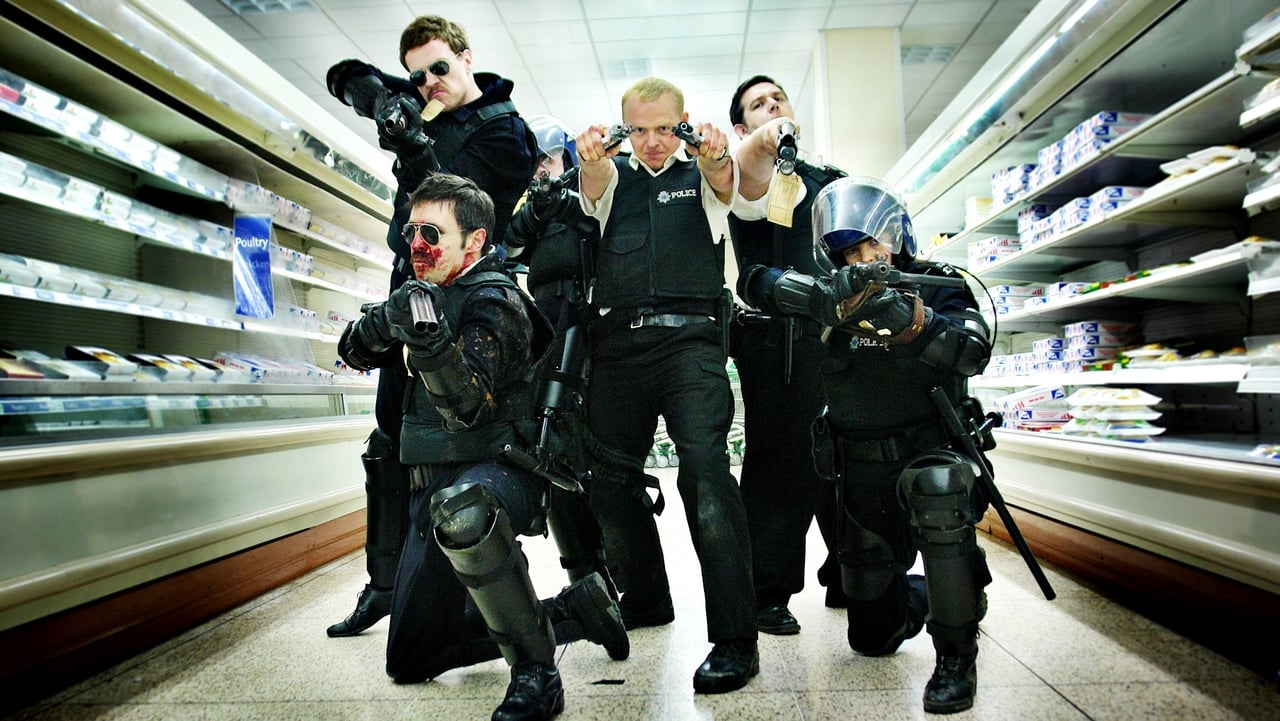
What I love about this era of filmmaking—the transition from the 90s practical boom to the digital polish of the late 2000s—is how Hot Fuzz balances the two. The film features genuine, bone-crunching stunt work and real pyrotechnics that give the final act a weight that CGI often lacks. When the village finally erupts into a war zone, it doesn't feel like a spoof; it feels like Hot Fuzz is actually a better action movie than the Michael Bay films it’s spoofing.
The supporting cast is a "who’s who" of British acting royalty, and they all seem to be having the time of their lives. Jim Broadbent is delightfully paternal as Inspector Butterman, while the "Andys"—Paddy Considine and Rafe Spall—provide a constant stream of snarky antagonism. Even the minor roles, like Kevin Eldon’s Sergeant Fisher, are tuned to a specific, hilarious frequency. It’s a movie where you can feel the joy of the ensemble in every frame.
The Ultimate "Check the Details" Movie
This was a film built for the DVD generation. In 2007, we didn't just watch movies; we devoured the special features, and Hot Fuzz was a goldmine. It rewards the obsessive viewer like few other comedies do. Apparently, the script was born after Pegg and Wright interviewed over 100 police officers because they wanted the "boring" parts of the job to be as accurate as the shootouts. That attention to detail is why the film has transitioned from a hit to a genuine cult phenomenon.
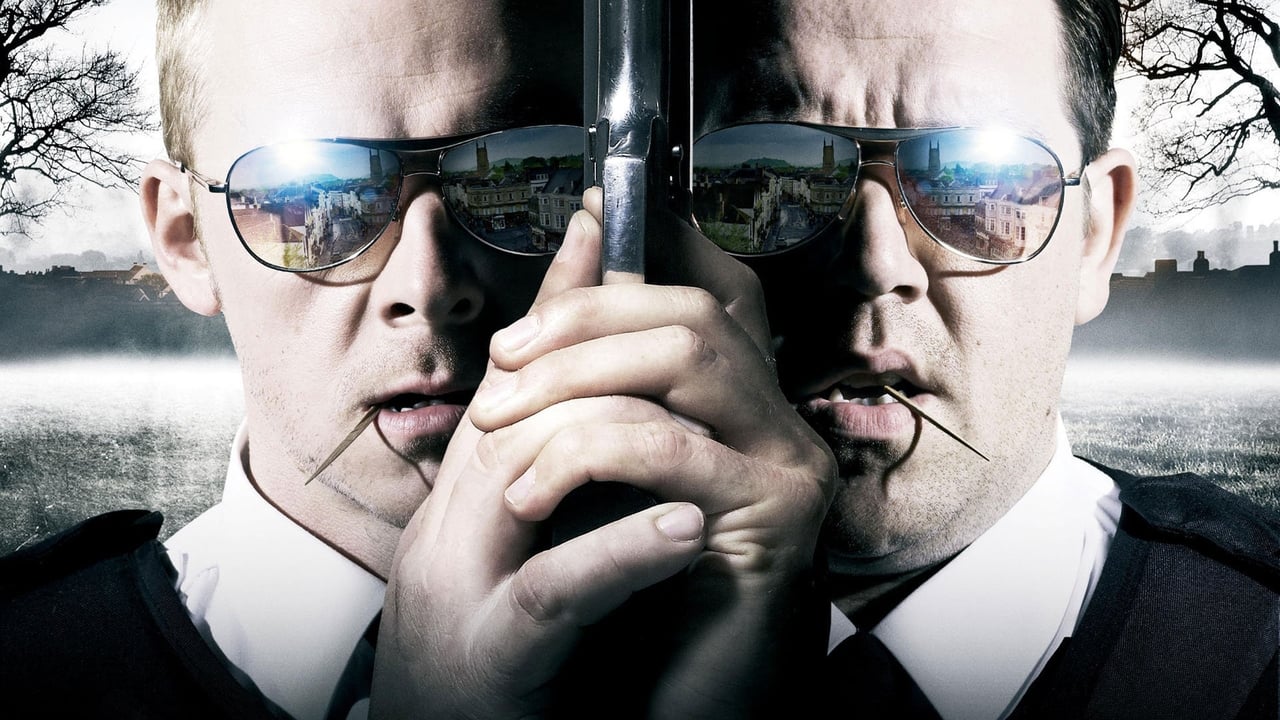
The trivia is endless. Did you catch that the masked forensic officer Janine is actually an uncredited Cate Blanchett? Or that the deranged Santa Claus who stabs Angel in the hand is played by Lord of the Rings director Peter Jackson? The film is a nesting doll of references, from Point Break (1991) to Bad Boys II (2003). Even the score by David Arnold—who was scoring the actual James Bond films like Casino Royale at the time—elevates the stakes from a local dispute to a cinematic event.
Sandford itself was filmed in Wells, Somerset, which happens to be Edgar Wright's hometown. There’s a palpable affection for the eccentricities of rural British life, even as the film is busy subverting them. It captures that pre-digital village atmosphere perfectly—the kind of place where everyone knows your business and the local supermarket is the center of the universe.
In retrospect, Hot Fuzz is a miracle of pacing. It spends the first hour meticulously planting "Chekhov’s Guns"—literally and figuratively—and then spends the final forty minutes firing every single one of them. It is the most aggressive use of a peace lily in cinematic history. Whether you’re here for the sharp-witted satire or the surprisingly competent gunplay, it delivers with a level of craft that most "serious" films should envy. It’s a loud, proud, and incredibly smart piece of entertainment that only gets better every time I revisit it.
The film ends on the perfect note of chaotic buddy-cop bliss. It reminds me that while the world might be full of "grisly accidents," everything feels a bit more manageable when you’ve got a loyal partner, a loaded sidearm, and a strawberry Cornetto waiting for you at the end of the shift. If you haven't seen it lately, do yourself a favor and head back to Sandford. Just watch out for the swan.
Keep Exploring...
-
The World's End
2013
-
Shaun of the Dead
2004
-
Scott Pilgrim vs. the World
2010
-
Paul
2011
-
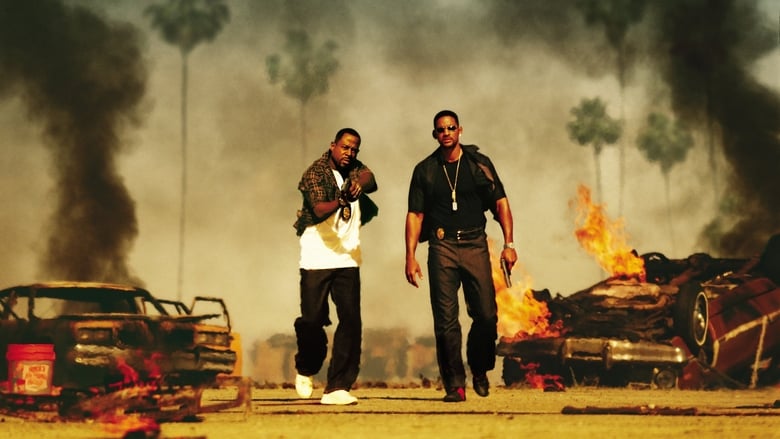
Bad Boys II
2003
-

Taxi
1998
-
Lethal Weapon 4
1998
-

Kung Fu Hustle
2004
-
OSS 117: Cairo, Nest of Spies
2006
-
Pineapple Express
2008
-
OSS 117: Lost in Rio
2009
-
The Guard
2011
-

21 Jump Street
2012
-

RED
2010
-
Lethal Weapon 3
1992
-
Bad Boys
1995
-
Rumble in the Bronx
1995
-
Rush Hour
1998
-
The A-Team
2010
-

The Green Hornet
2011