Hotel Chevalier
"Yellow robes, grey moods, and a Paris deadline."
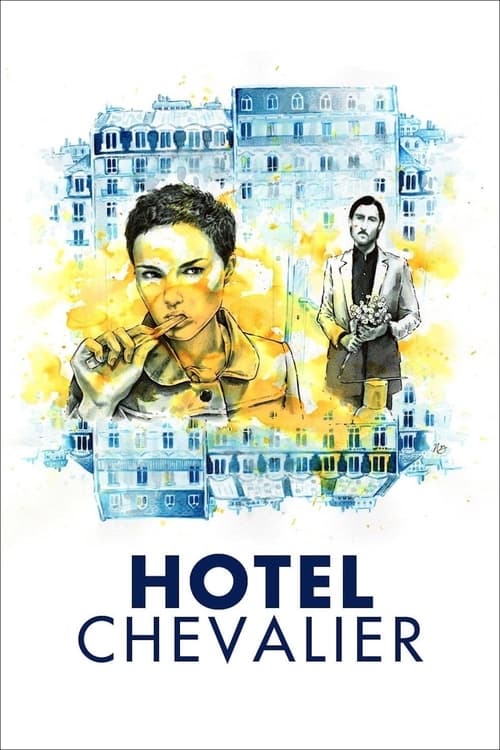
The phone rings with a jagged, persistent trill that feels too loud for the hushed, lemon-colored sanctuary of a room in the Hôtel Raphael. Jason Schwartzman, playing Jack Whitman with a mustache that looks like it’s trying to hide his entire face, answers it with the weary resignation of a man who knew this call was coming three months ago. This is the opening beat of Hotel Chevalier, a thirteen-minute prologue that contains more emotional shrapnel than most two-hour romantic epics managed in the mid-2000s.
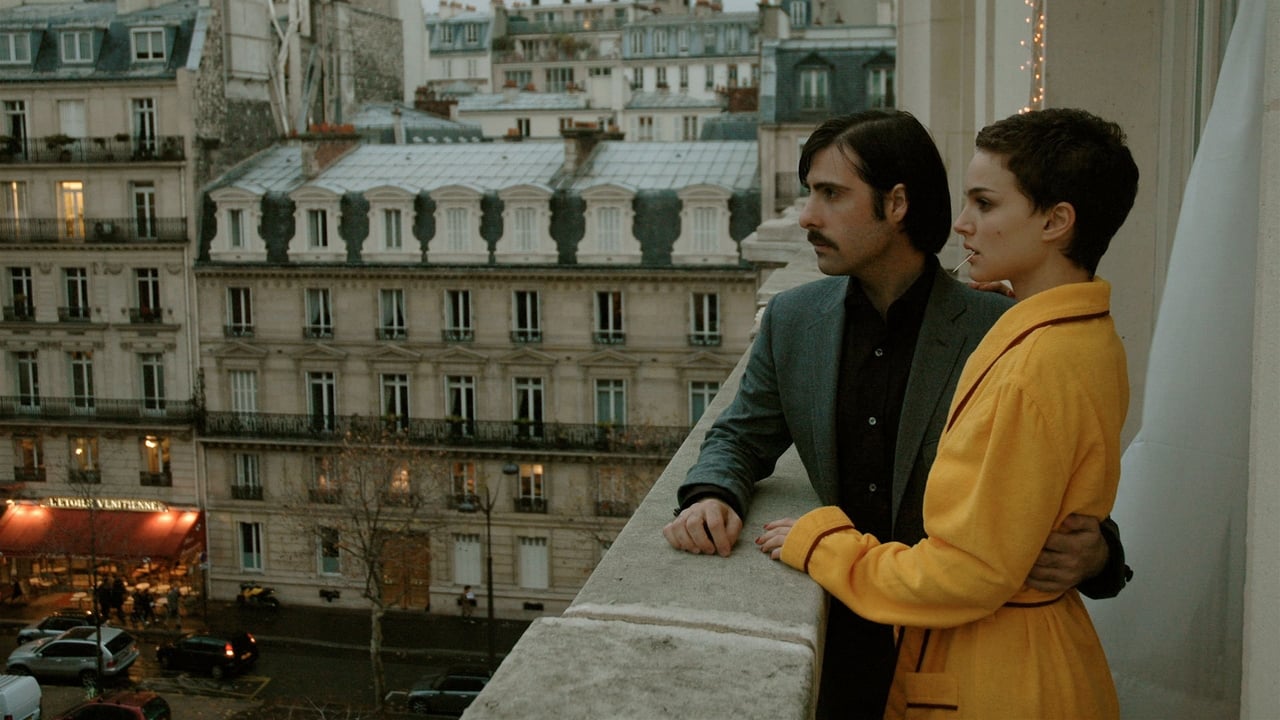
I watched this short again last night while wearing a pair of wool socks with a hole in the left toe, and the draft on my foot somehow perfectly matched the cold, persistent draft of melancholy blowing through the screen. It’s a film that demands a specific kind of stillness. Originally released as a free digital download on iTunes—a move that felt incredibly futuristic in 2007—it served as a teaser for Wes Anderson’s The Darjeeling Limited. But looking back, it’s arguably the more potent piece of work. It’s a concentrated dose of Anderson at his most restrained and his most tactile.
The Brittle Architecture of a Breakup
There is a specific kind of tension that exists between two people who know each other’s worst habits and can no longer be bothered to hide their own. When Natalie Portman—credited simply as Jack’s Girlfriend—appears at the door, she doesn't just enter the room; she invades it. She’s wearing a grey coat that looks like armor, carrying a toothpick like a weapon, and sporting bruises on her shins that the film never explains. Natalie Portman’s toothpick is the real MVP of this movie, serving as a tiny wooden barrier between her and any form of emotional honesty.
The chemistry between Schwartzman and Portman is fascinatingly brittle. They don't talk like lovers; they talk like negotiators handling a hostage situation where they are both the captors and the captives. Schwartzman, who worked with Wes Anderson on Rushmore and basically became the director's cinematic avatar, plays Jack with a "stiff upper lip" energy that feels like it’s about to shatter. When he tells her, "I promised myself I would never be your friend. No matter what," it’s delivered with a flatness that tells you he’s already lost that battle.
A Time Capsule of the Indie Renaissance
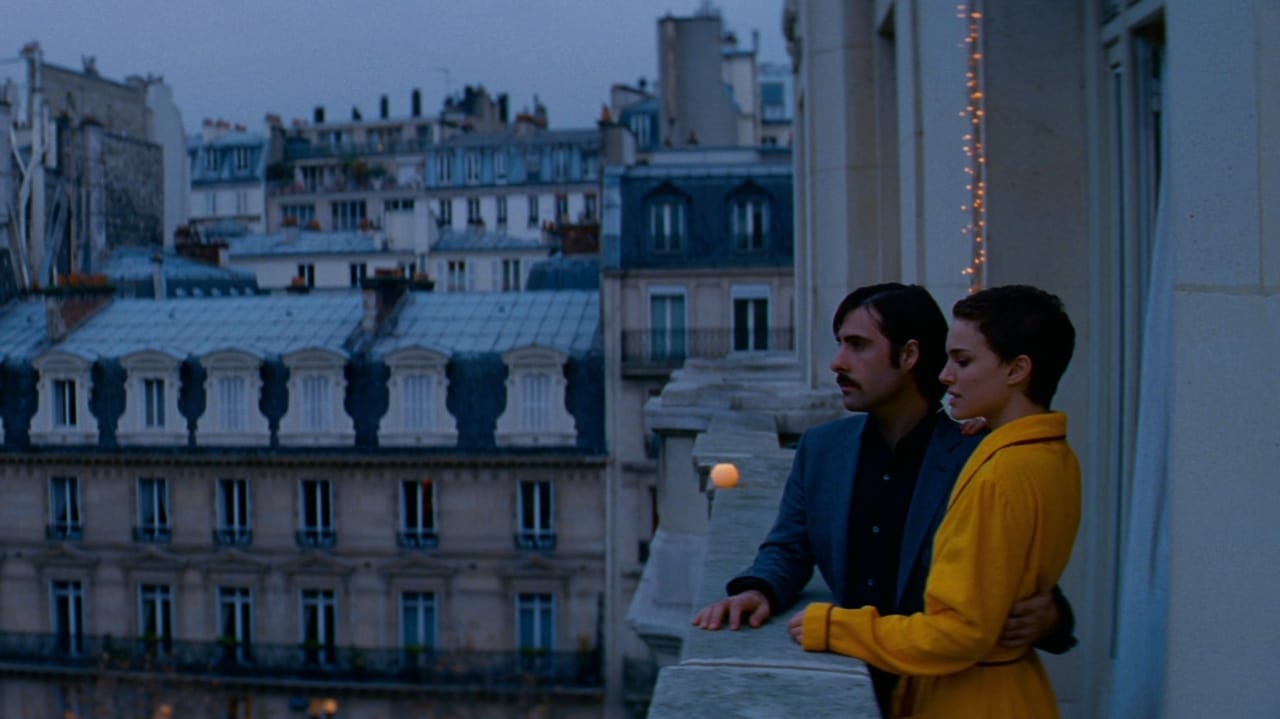
Released in 2007, Hotel Chevalier arrived right when the "Indie Film" aesthetic was solidifying into the quirky, symmetrical, highly-saturated style we now associate with the era. But because this was a short, Wes Anderson and cinematographer Robert D. Yeoman (the eye behind The Royal Tenenbaums) could afford to be more experimental with the claustrophobia. They use the confined space of the hotel room to create a world that feels entirely detached from Paris. In fact, you barely see Paris until the final shot, and even then, it looks like a painting.
This was the peak of the DVD "special feature" culture, where a short film like this wasn't just content—it was a treasure. I recall the buzz on film forums at the time; people were dissecting the significance of the yellow bathrobe and the specific model of the iPod Jack uses to play Peter Sarstedt’s "Where Do You Go To (My Lovely)?" This song becomes the heartbeat of the film. It’s a 1969 pop-folk track that feels both timeless and deeply pretentious, which is exactly how Jack wants his life to feel. Wes Anderson’s obsession with yellow might actually be a diagnosable condition, but here, the color palette functions as a gilded cage for these two beautiful, miserable people.
The Power of What Isn't Said
What makes Hotel Chevalier stand out among the "forgotten" shorts of the 2000s is its refusal to over-explain. We don't know why she has those bruises. We don't know what he’s running away from, other than "the states." We don't know if they actually have a future. In the context of The Darjeeling Limited, we learn more, but as a standalone piece, it’s a masterstroke of subtext. The drama isn't in the dialogue; it's in the way Natalie Portman pauses before lying down on the bed, or the way Jason Schwartzman obsessively arranges his toiletries.
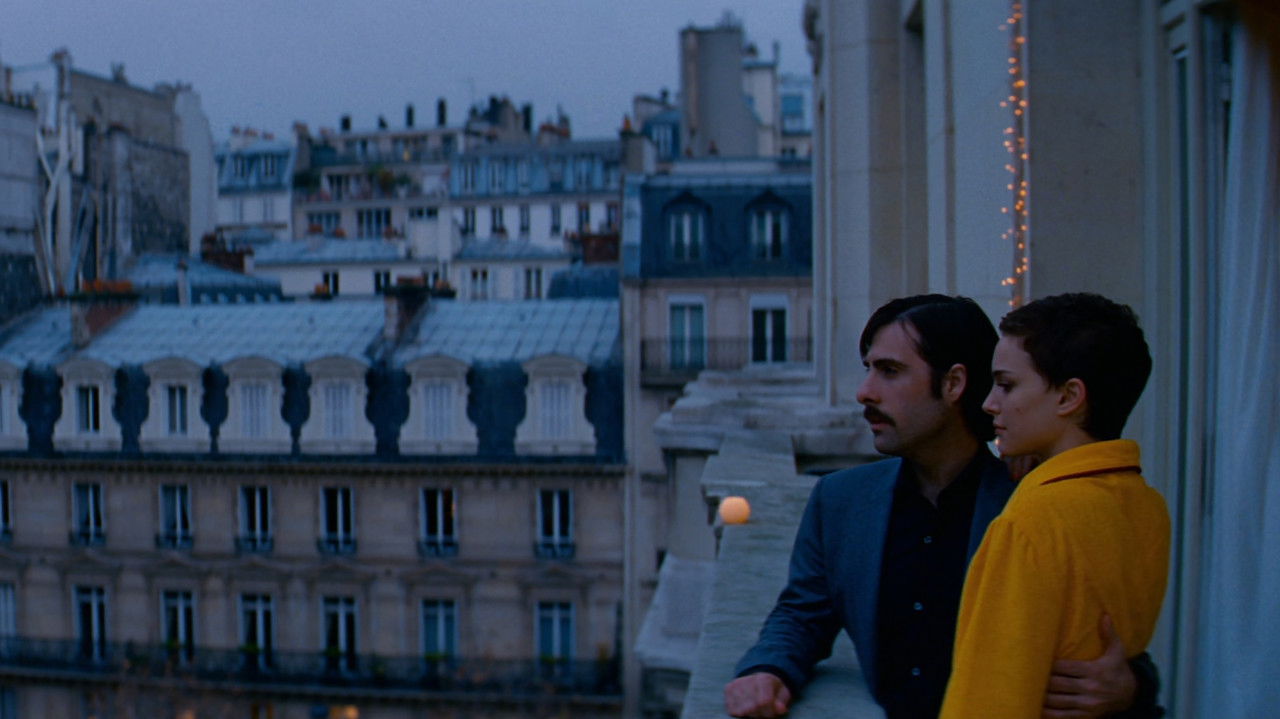
The production was a "guerrilla" affair by Hollywood standards. Wes Anderson reportedly funded the shoot himself, using a skeleton crew and filming in a real hotel to maintain a sense of intimacy. That lack of studio bloat is palpable. There’s a scene where they go out onto the balcony, and the wind sounds real, the light looks natural, and the actors look genuinely cold. It’s a reminder that before the MCU turned every movie into a green-screen math equation, even the most stylized directors were still interested in the texture of a real Parisian breeze.
Ultimately, Hotel Chevalier is a perfect appetizer that occasionally outshines the main course. It captures a very specific 2007 mood—that transition from the irony of the 90s to the earnestness of the 2010s—and houses it in a room full of expensive luggage and cheap heartbreak. It’s short enough to watch while you're waiting for your laundry to dry, but it lingers long after you’ve folded your last shirt. If you’ve only ever seen the feature film, do yourself a favor and go back to the hotel. Just don’t expect a happy ending; expect a beautifully framed one.
Keep Exploring...
-

The Darjeeling Limited
2007
-
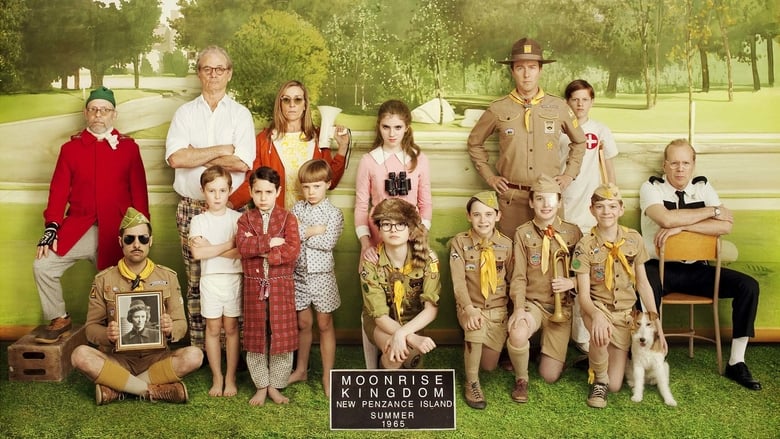
Moonrise Kingdom
2012
-

Rushmore
1998
-
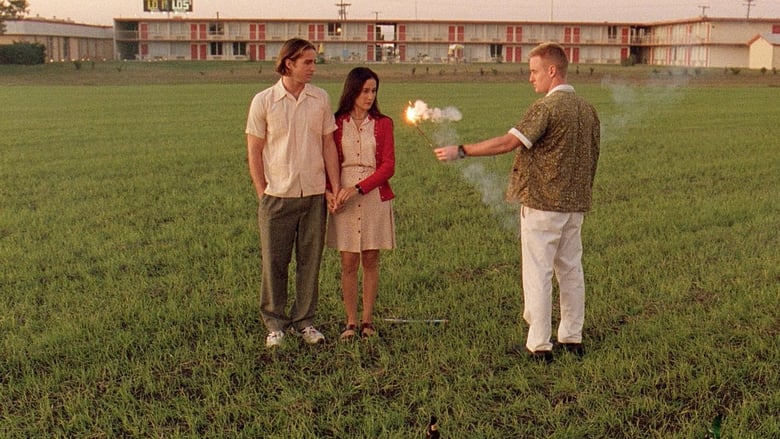
Bottle Rocket
1996
-
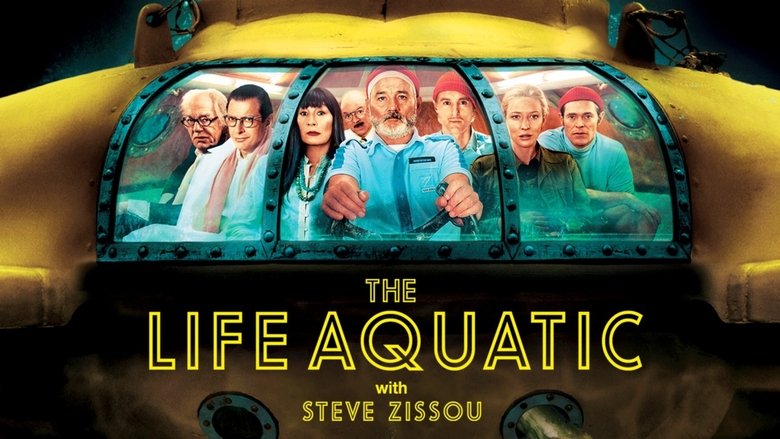
The Life Aquatic with Steve Zissou
2004
-
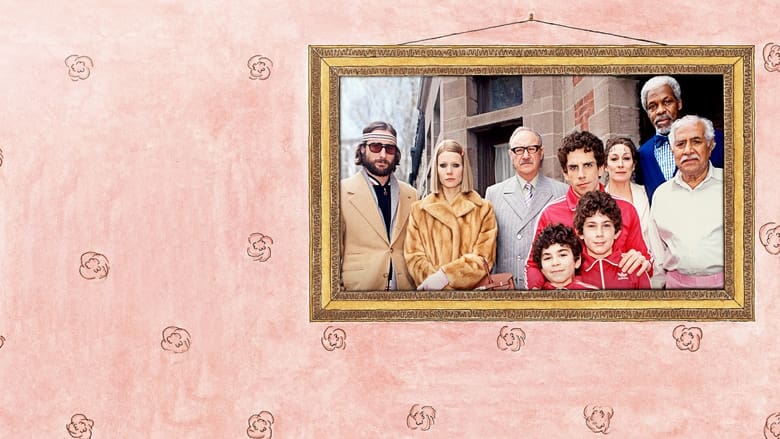
The Royal Tenenbaums
2001
-
Confessions of a Dangerous Mind
2002
-
S1m0ne
2002
-

Unfaithful
2002
-
Honey
2003
-
Mona Lisa Smile
2003
-
What a Girl Wants
2003
-
Jersey Girl
2004
-

A Lot Like Love
2005
-
Broken Flowers
2005
-
Casanova
2005
-
In Her Shoes
2005
-
The Family Stone
2005
-
The New World
2005
-
The Sisterhood of the Traveling Pants
2005