Into the Wild
"The cost of freedom is everything you own."
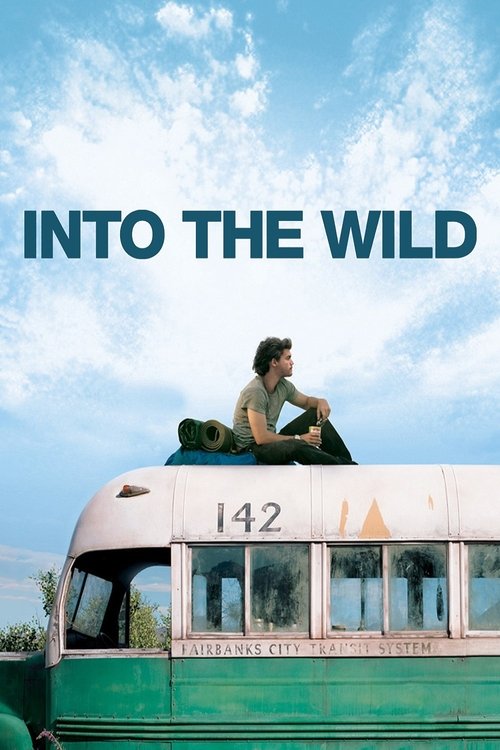
The image of a rusted International Harvester bus sitting in the middle of the Alaskan tundra is one of those cinematic sights that has stayed glued to the back of my eyelids since 2007. I watched this film for the third time last week while struggling to assemble a basic IKEA bookshelf, and the irony wasn't lost on me: here I was, defeated by a particle-board "Billy" shelf, while Christopher McCandless was out there trying to outrun civilization itself with nothing but a bag of rice and a copy of Walden.
The Prophet of the Open Road
Released in the tail end of 2007—a year that gave us heavy hitters like No Country for Old Men and There Will Be Blood—Sean Penn’s adaptation of the Jon Krakauer book felt like the third pillar of a very specific "American Outsider" trilogy. While those other films looked at the darkness of the frontier, Into the Wild looked at its siren song. It arrived just as the first iPhone was hitting pockets, making Chris's 1992 rejection of technology and society feel less like a period piece and more like a necessary intervention for our collective attention spans.
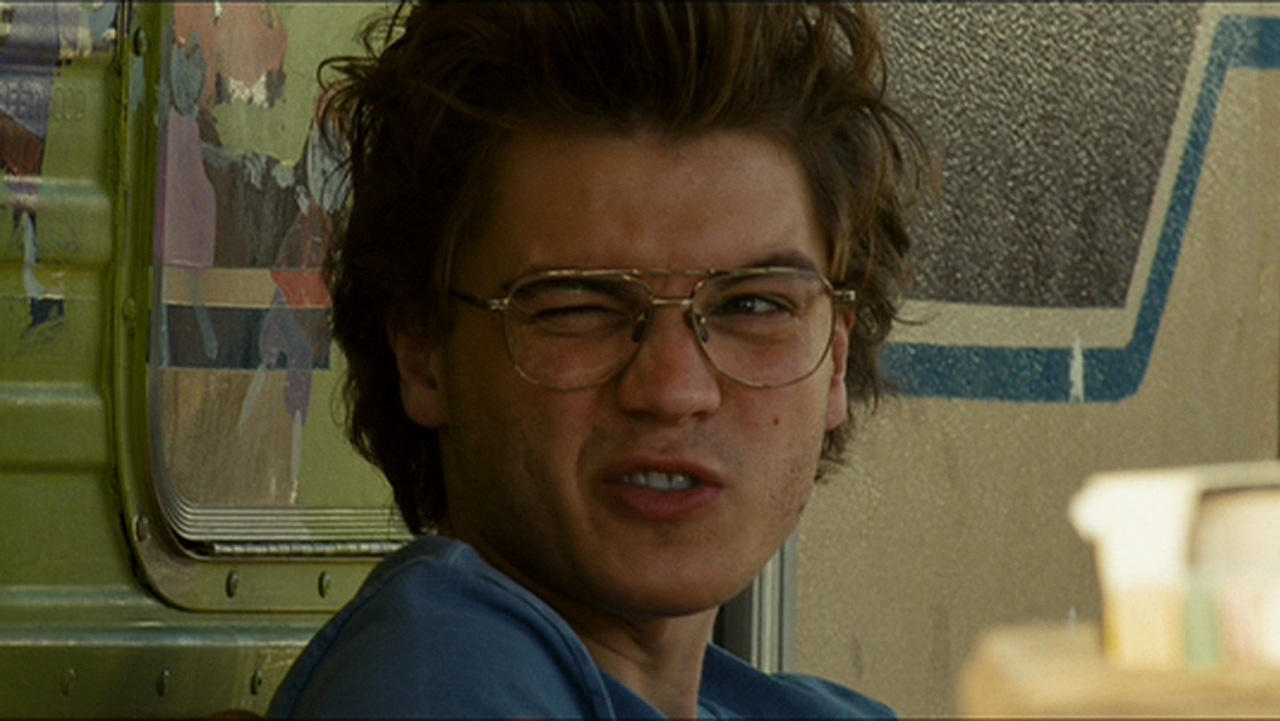
Emile Hirsch delivers a performance that is frankly terrifying in its commitment. He didn't just play a hiker; he underwent a physical winnowing that makes you want to reach through the screen and hand him a cheeseburger. He captures that specific, dangerous brand of twenty-something arrogance—the kind where you’re smart enough to see through the lies of your parents' suburban existence, but not quite wise enough to realize that Nature doesn't care about your philosophy degree. McCandless was basically a trust-fund kid with a Thoreau obsession and a fatal lack of respect for the topographical map.
The Ghosts of the Lower 48
What keeps the film from being a mere travelogue of a dying boy is the ensemble he meets along the way. Sean Penn populates the road with a warmth that contrasts sharply with the coldness of Chris’s family life. Catherine Keener and Brian H. Dierker (a non-actor who was actually a river guide Penn hired) provide the "rubber tramp" heart of the film. Their scenes feel loose and improvised, capturing a fading hippie idealism that was still clinging to the American West in the early 90s.
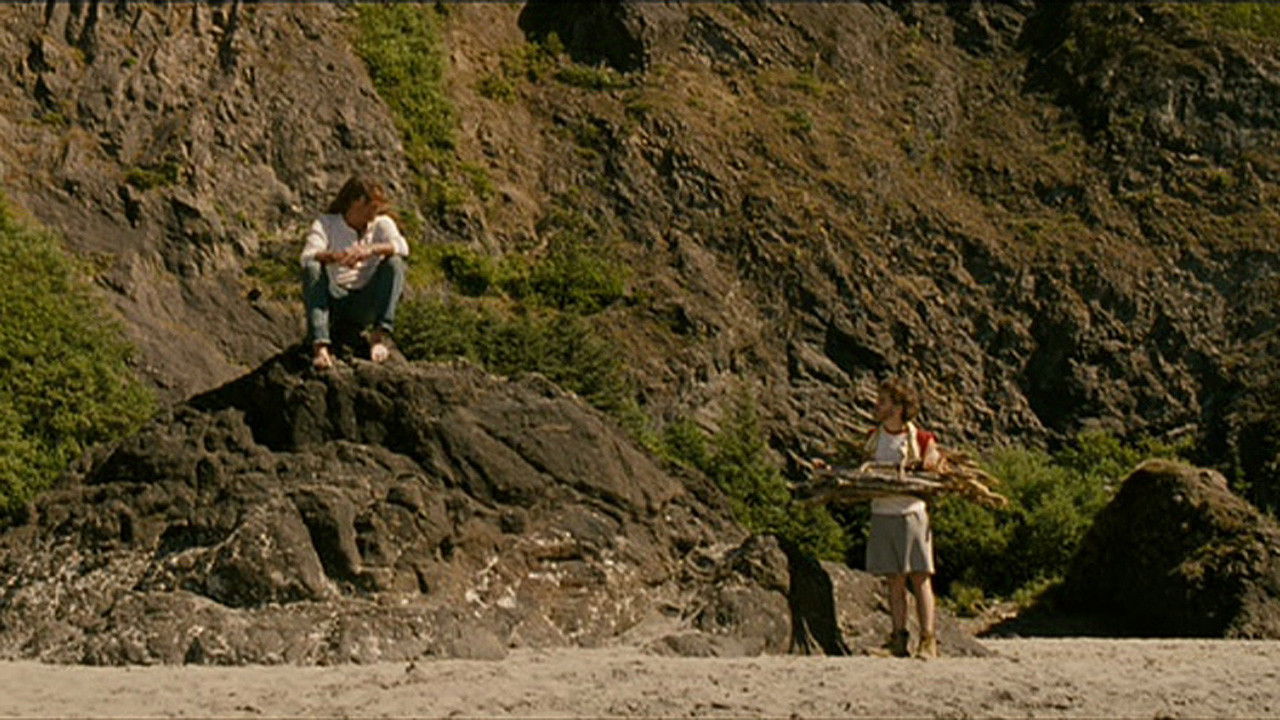
Then there is Hal Holbrook. If you can get through his final scene with Hirsch without your vision getting a little blurry, you might actually be made of stone. Holbrook, who earned an Oscar nomination for his role as Ron Franz, represents the ultimate "what if"—a man who has lived a full, structured life but finds himself hollowed out by grief. The chemistry between the old man who wants to look back and the young man who refuses to look anywhere but forward is the emotional anchor that prevents the movie from drifting into pure pretension.
The Philosophy of the Wild
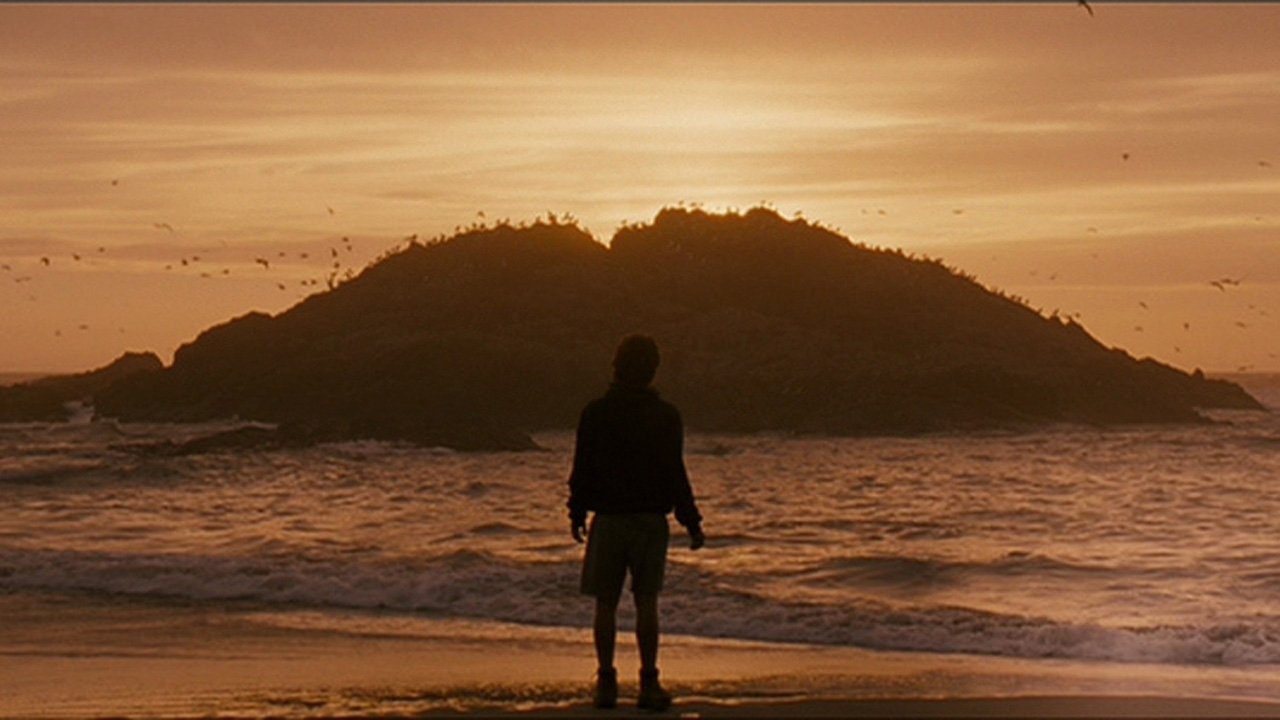
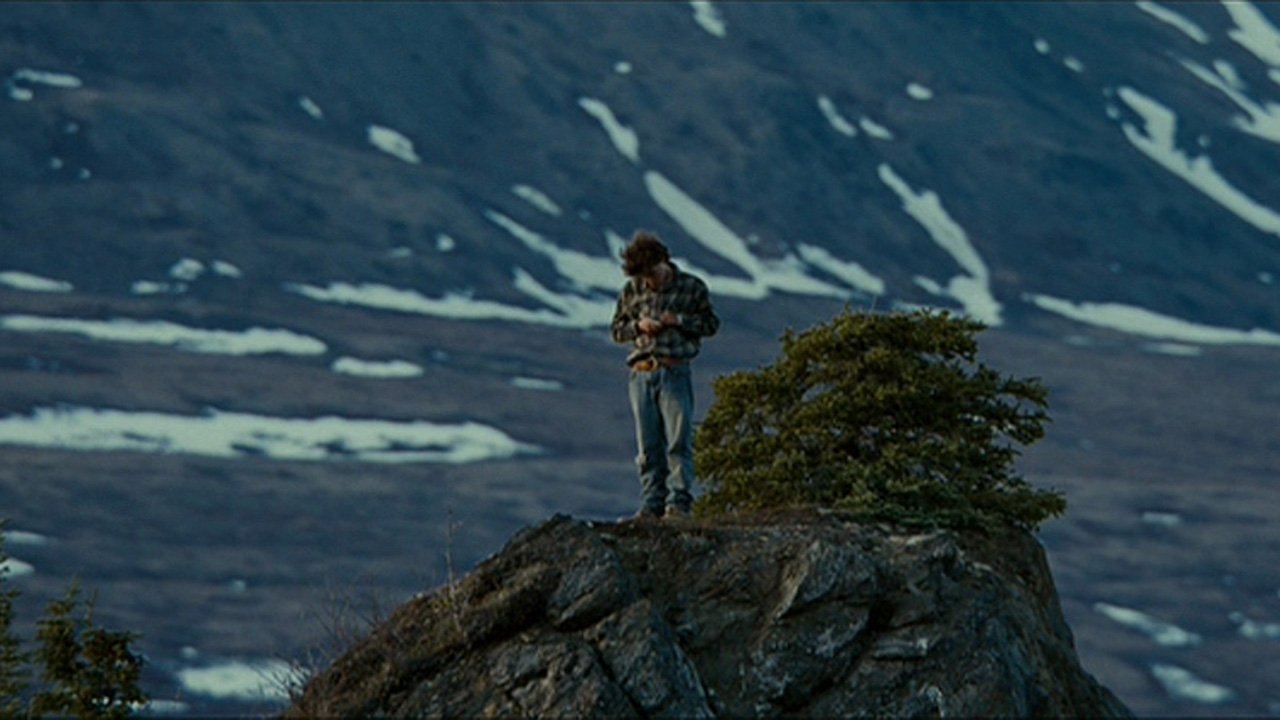
Visually, the film is a masterstroke of analog beauty. This was the era where digital was starting to take over, but Éric Gautier (who also shot The Motorcycle Diaries) uses 35mm film to give the landscapes a gritty, tangible texture. You can practically feel the grit in the air of the Salton Sea and the biting frost of the Stampede Trail. The cinematography doesn't just show the wilderness; it treats it as a character—sometimes a benevolent teacher, eventually a cold, indifferent executioner.
Complementing this is Eddie Vedder’s soundtrack. It’s hard to imagine the film without those gravelly, acoustic tracks. It was a bold move at the time—a prestige drama leaning so heavily on a single rock artist—but Vedder’s voice acts as the interior monologue that McCandless is too stubborn to share with the people he meets. It captures the yearning, the loneliness, and the eventual, tragic realization that "happiness is only real when shared."

A Retrospective Reckoning
Looking back, Into the Wild remains a fascinating artifact of the mid-2000s prestige era. It was a time when big studios were still willing to throw $15 million at a 148-minute, non-linear character study about a guy who dies in a bus. It asks big, uncomfortable questions about the American Dream: Is it a house in the suburbs, or is it the freedom to starve on your own terms?
Turns out, the "Magic Bus" became a bit too real; it had to be airlifted out of the woods by the Alaskan National Guard in 2020 because too many tourists were putting themselves in danger trying to find it. That’s perhaps the ultimate legacy of the film—it made the search for authenticity so appealing that it became a hazard. It’s a beautiful, frustrating, and deeply moving film that manages to be both a celebration of the human spirit and a cautionary tale about the arrogance of youth.
The film lingers because it taps into a universal itch—the desire to burn your credit cards and just start walking. While the pacing might feel a bit indulgent for some, every minute feels earned by the time we reach the final, heart-wrenching frames. It remains a towering achievement for Sean Penn and a haunting reminder that while the wild is beautiful, it doesn’t have a pulse. It’s a story that demands to be seen on the biggest screen possible, if only to remind yourself how small we really are.
Keep Exploring...
-
Dances with Wolves
1990
-

The Fall
2006
-

Hero
2002
-
Spirit: Stallion of the Cimarron
2002
-
Big Fish
2003
-

Pride & Prejudice
2005
-

A Walk to Remember
2002
-
There Will Be Blood
2007
-

Flipped
2010
-
The Help
2011
-

Warrior
2011
-
Nebraska
2013
-
The Lion King
1994
-

Hachi: A Dog's Tale
2009
-

Mr. Nobody
2009
-
Synecdoche, New York
2008
-
Scent of a Woman
1992
-
Dallas Buyers Club
2013
-

Gladiator
2000
-
The Count of Monte Cristo
2002