Juno
"Sixteen, pregnant, and way too smart for her own good."
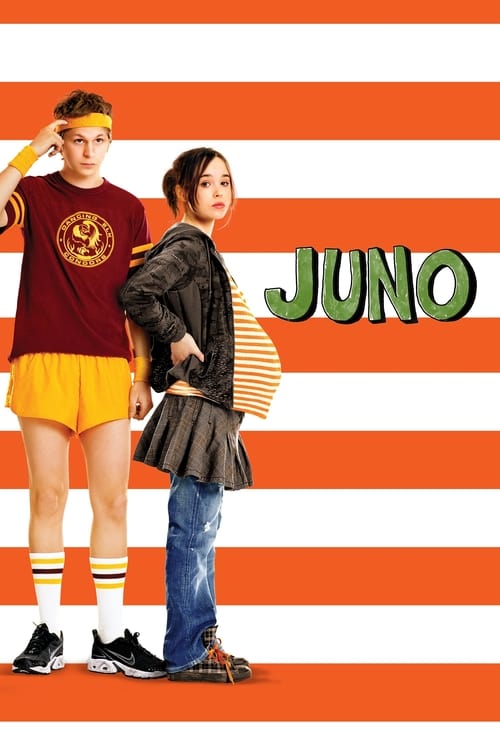
I vividly remember the first time I saw the trailer for Juno. It was 2007, and the air was thick with the scent of "indie" culture—think oversized cardigans, ironic trucker hats, and the sudden realization that everyone with an acoustic guitar was trying to be Kimya Dawson. I watched the actual film on a DVD I’d rented from a Blockbuster that was already smelling like its own funeral, on a laptop that got so hot it nearly seared a permanent mark into my thighs. Despite the physical discomfort, I was hooked.
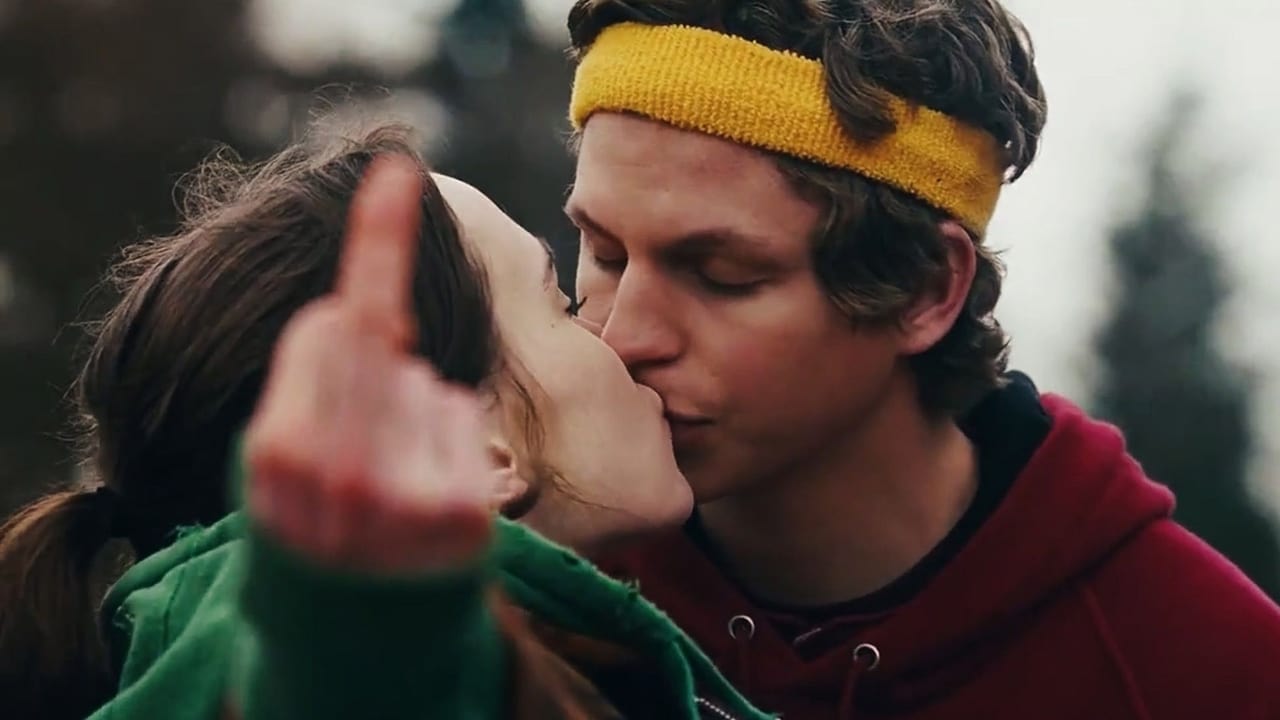
Looking back, Juno wasn’t just a movie; it was a cultural flashpoint. It arrived exactly when the "Indie Film Renaissance" of the mid-2000s was reaching its peak. Before every quirky comedy was buried under the weight of a streaming algorithm, we had these mid-budget wonders that felt like they were whispered into existence by people who actually spent time in record stores. Jason Reitman (fresh off Thank You for Smoking) and newcomer screenwriter Diablo Cody managed to capture a very specific lightning in a bottle: a film that felt like a secret but made enough money to buy a small island.
The Indie That Conquered the World
It’s hard to overstate how massive this "little" movie became. Produced on a modest $7.5 million budget, it eventually raked in over $232 million worldwide. That’s a return on investment that usually requires a superhero cape or a CGI dinosaur. It stayed in theaters for months, fueled by word-of-mouth that turned a story about a pregnant teen into a universal touchstone. It even landed Diablo Cody an Oscar for Best Original Screenplay—not bad for a debut script written by a former stripper in a Minnesota Starbucks.
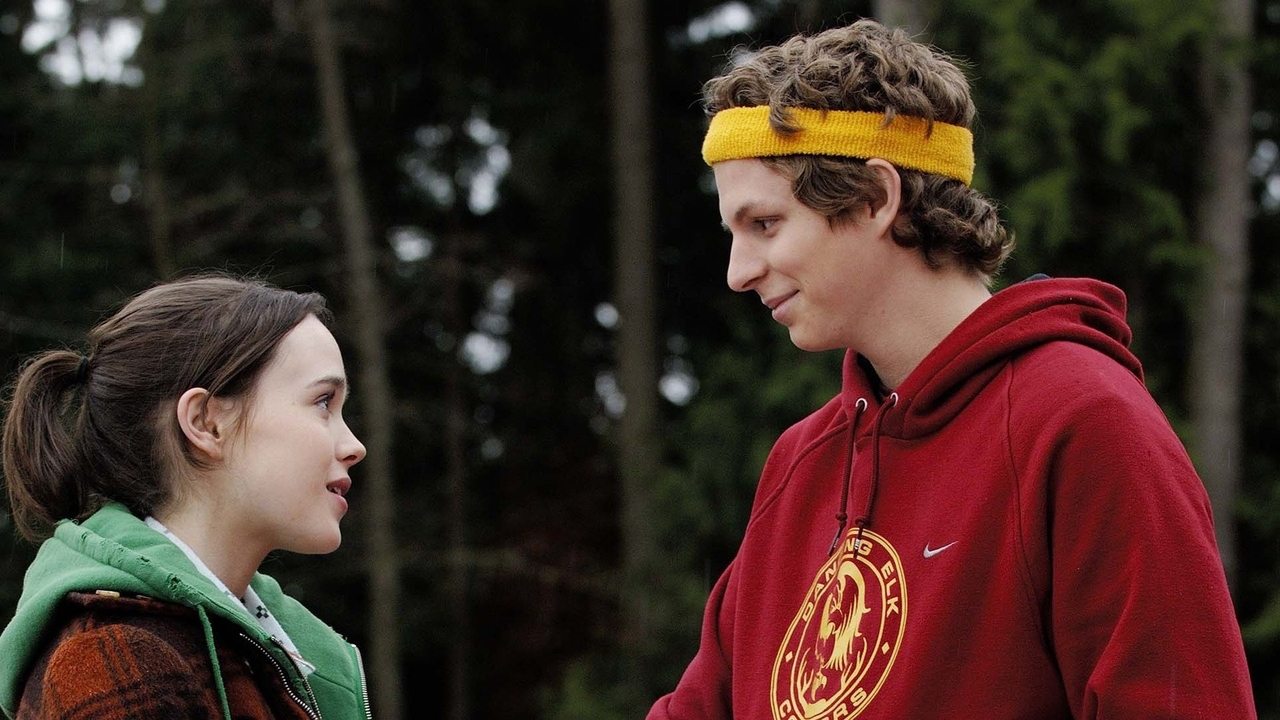
The soundtrack was its own phenomenon, becoming the first-ever #1 album for the Fox Searchlight label. I still can’t hear a loosely tuned guitar without thinking of Elliot Page and Michael Cera singing about being "part-time lovers." But the real magic wasn't just in the marketing or the folk songs; it was in the performances that grounded what could have easily been a cartoonish script. Elliot Page is phenomenal here, delivering Cody’s hyper-stylized dialogue with a deadpan precision that makes "honest to blog" sound almost natural. They managed to make Juno MacGuff a person rather than a collection of quirks.
More Than Just Quips and Tic Tacs
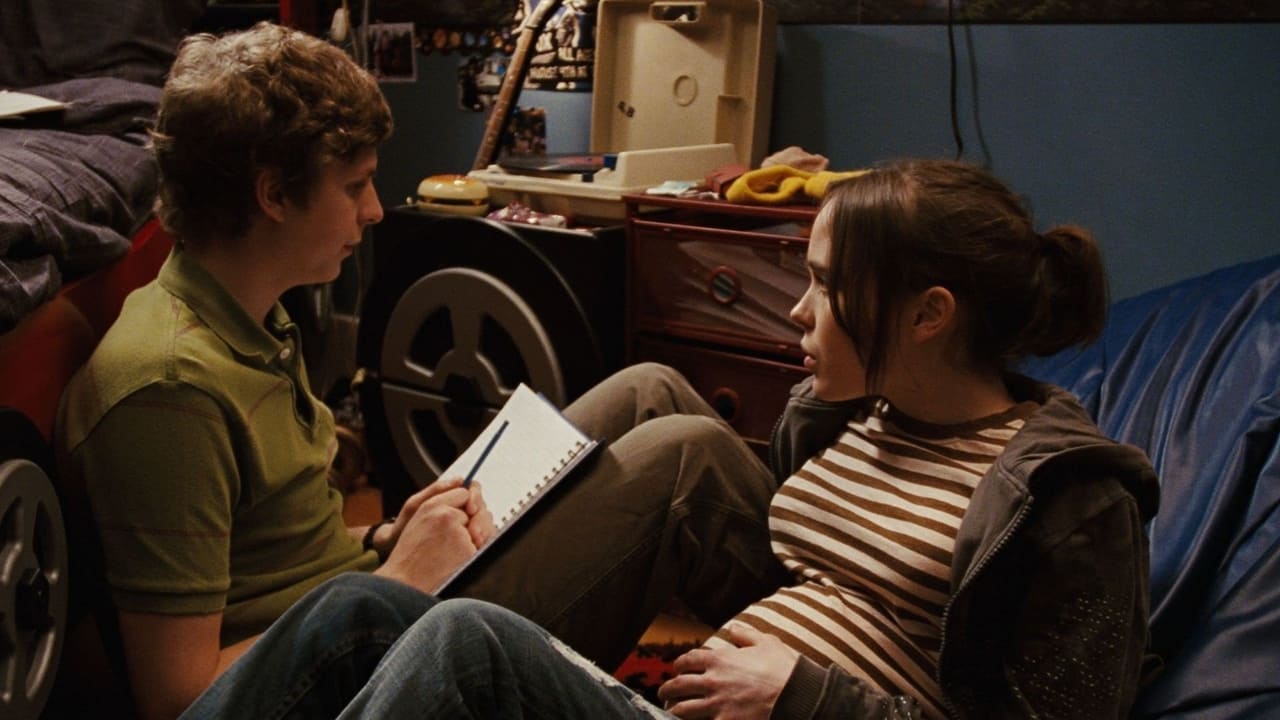
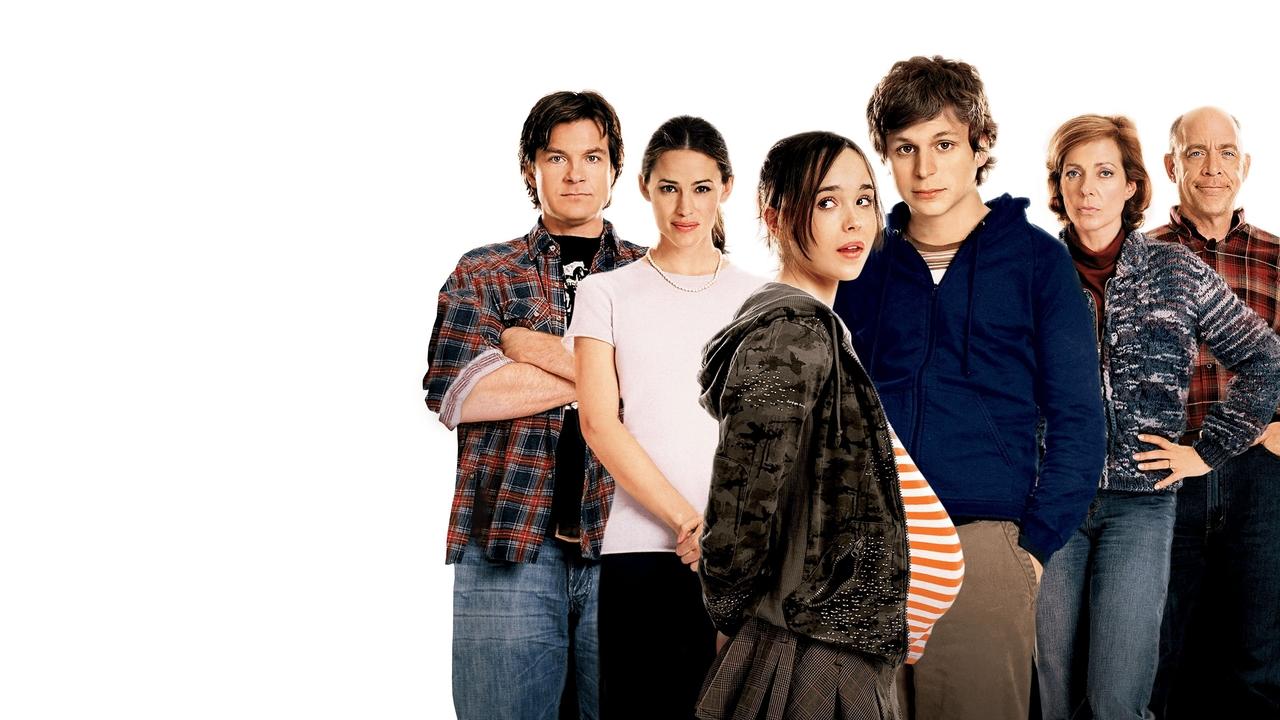
While the film is often remembered for the orange Tic Tacs and the hamburger phone, the emotional heavy lifting is done by the adults in the room. Jennifer Garner gives perhaps the most underrated performance of her career as Vanessa Loring. She plays the "uptight" adoptive mother with such a desperate, fragile longing that it actually hurts to watch. In contrast, Jason Bateman as Mark Loring provides a chillingly subtle arc. He starts as the "cool" dad-to-be who shares Juno’s love for punk rock and horror movies, only to reveal a profound, arrested development that makes his interactions with a teenager feel increasingly skin-crawling. The movie is secretly a horror story about a man who refuses to grow up, hidden inside a comedy about a girl forced to grow up too fast.
Then you have J.K. Simmons and Allison Janney as Juno’s parents. In any other 2007 movie, they would have been the obstacles—the angry, judgmental foils. Instead, they are the backbone of the film’s heart. J.K. Simmons, long before he was terrifying us in Whiplash, proves he’s one of the best "great dads" in cinema history. His reaction to Juno’s pregnancy isn't a scream; it’s a sigh and a question about whether she’s sure it’s her boyfriend's.
A Time Capsule in a Hoodie
Does it hold up? Mostly, yes. Some of the dialogue is definitely a product of its era—the script talks like a MySpace page came to life and started huffing spray paint. It’s aggressively 2007. But beneath the "shiz" and the "homeskillet" talk is a deeply empathetic look at how we choose our families. It captures that strange, transitional period of the late 2000s where we were moving from analog connections to digital ones, but still cared enough to leave a jug of SunnyD on a porch.
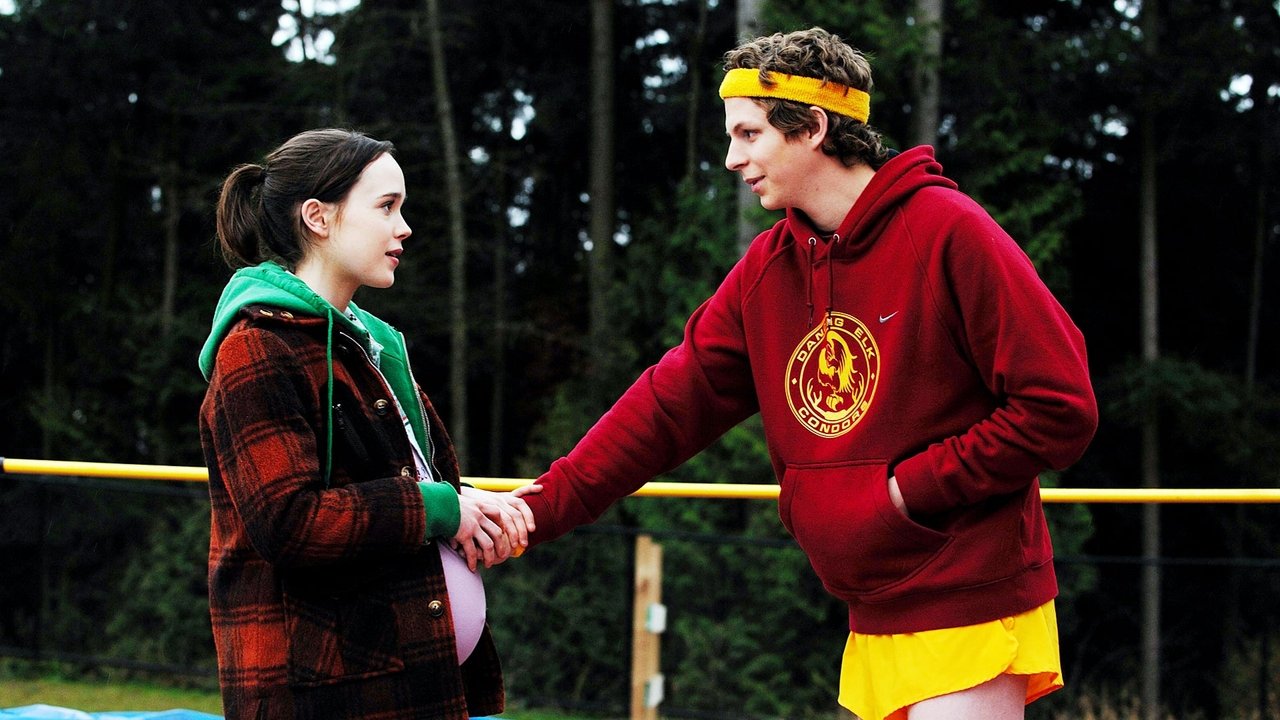
The DVD culture of the time really helped cement its legacy, too. I remember poring over the special features—the screen tests between Elliot Page and Michael Cera (who is the undisputed king of awkward teenage sincerity) showed that their chemistry wasn't an accident. They really were that charmingly uncomfortable together. Reitman’s direction is invisible in the best way; he lets the seasons change the color palette of the film, moving from the bright, crisp autumn of the discovery to the cold, stark reality of winter, and finally the hopeful bloom of spring.
Juno remains a quintessential "Modern Cinema" artifact. It represents the last gasp of the truly dominant indie crossover before the industry pivoted entirely toward franchises and shared universes. It’s funny, it’s heartbreaking, and it’s unapologetically itself. If you haven't revisited it since the days when you were rocking a Motorola Razr, give it another spin. You’ll find that while the slang has aged, the heart hasn't.
Keep Exploring...
-

Up in the Air
2009
-
About a Boy
2002
-
Sideways
2004
-
The Princess Diaries 2: Royal Engagement
2004
-
Thank You for Smoking
2005
-
Knocked Up
2007
-

Forgetting Sarah Marshall
2008
-

High School Musical 3: Senior Year
2008
-

17 Again
2009
-
Hannah Montana: The Movie
2009
-
He's Just Not That Into You
2009
-
The Proposal
2009
-
Love & Other Drugs
2010
-
Silver Linings Playbook
2012
-
Labor Day
2013
-

Young Adult
2011
-
My Big Fat Greek Wedding
2002
-
Lost in Translation
2003
-

Love Actually
2003
-
Something's Gotta Give
2003