La Vie en Rose
"A haunting melody of triumph and tragic decay."
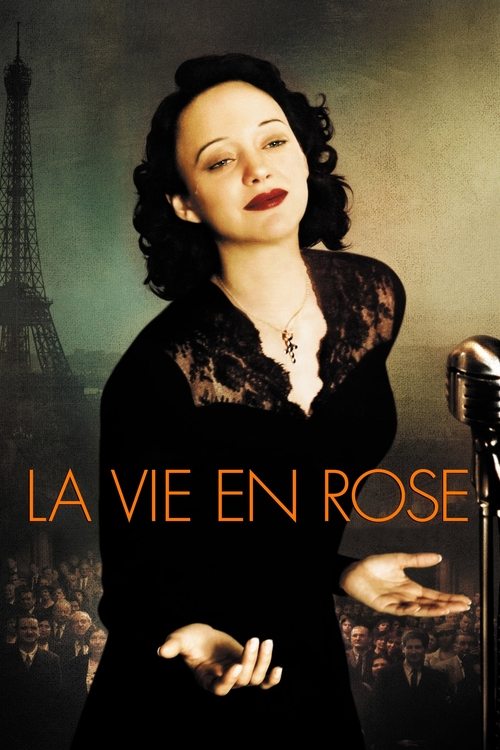
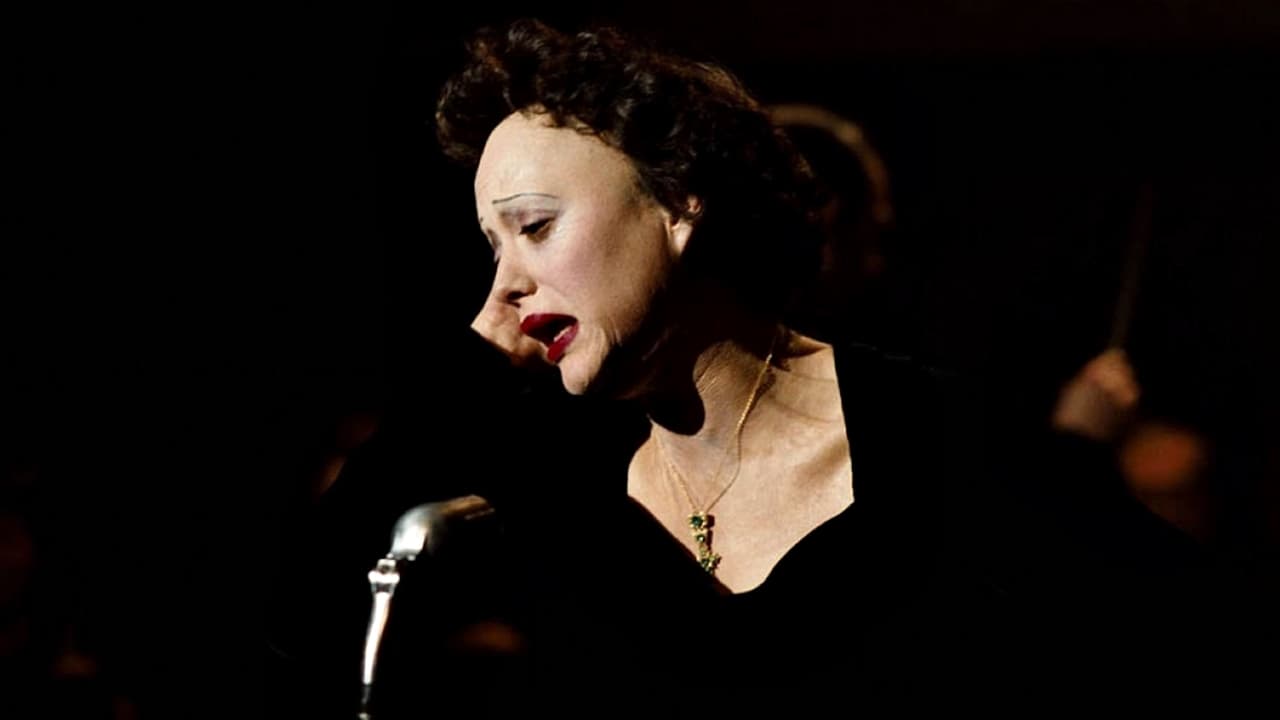
There is a specific, unsettling moment in La Vie en Rose where Marion Cotillard stands in a spotlight, her back arched like a question mark, looking less like a woman and more like a crumbling piece of parchment. She was in her early thirties when she filmed this, yet she convincingly portrays Edith Piaf at 47, looking roughly 900 years old. It’s not just the makeup—though that was a five-hour daily ordeal—it’s the way she carries the weight of a thousand cigarettes and a million heartbreaks in her very marrow.
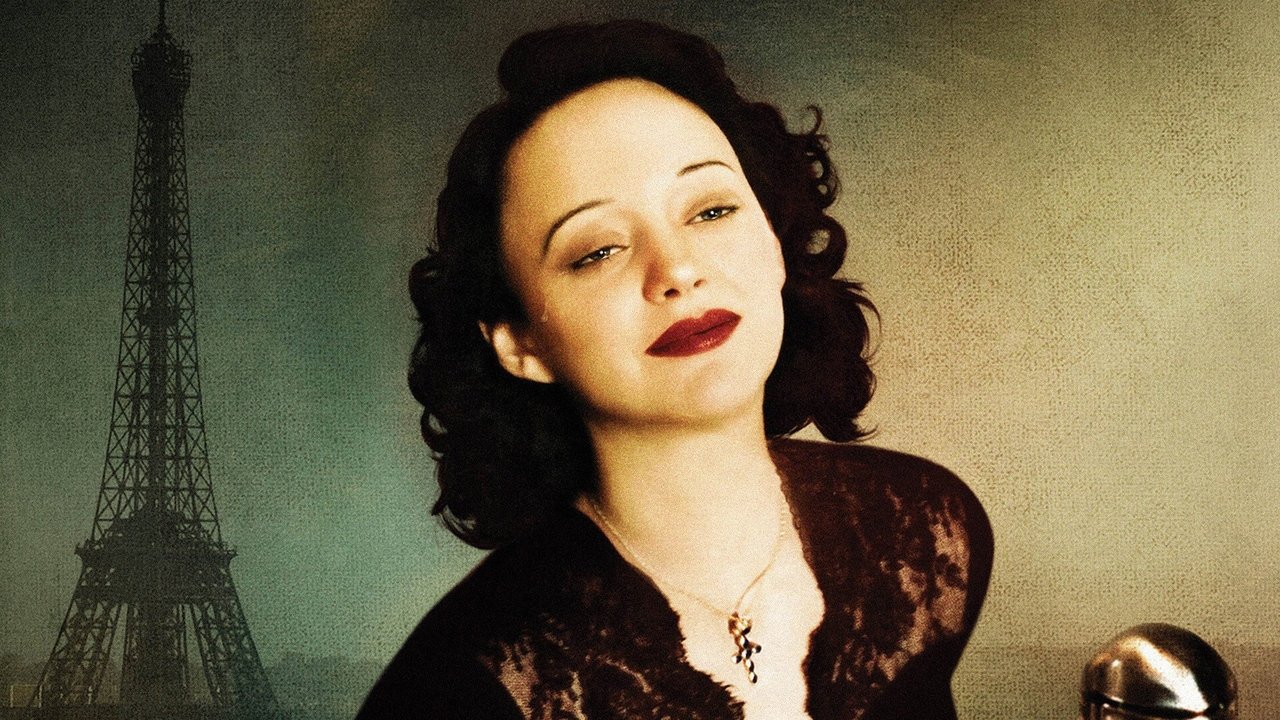
I remember watching this for the first time while hunched over a lukewarm bowl of instant ramen in my first "adult" apartment, and by the time the credits rolled, I felt like I’d aged a decade right along with her.
The Ghost in the Spotlight
Most biopics are polite. They start at the beginning, hit the "greatest hits" moments, and end with a respectful title card. Olivier Dahan (who also directed Grace of Monaco) apparently had no interest in being polite. He structured the film as a fever dream, jumping through time with a frantic energy that mirrors Piaf’s own chaotic psyche. We bounce from her childhood in a brothel—where she’s cared for by a prostitute named Titine (Emmanuelle Seigner, giving a surprisingly tender performance)—to her discovery on a street corner by nightclub owner Louis Leplée (Gérard Depardieu).
It’s disorienting, and honestly, the movie is essentially a high-budget horror film about the slow, melodic decay of a human soul. Dahan doesn't shy away from the ugliness. Piaf was a difficult, demanding, and often self-destructive woman. By refusing to sanitize her, the film makes her eventual triumphs feel earned rather than inevitable. When she finally sings "Non, je ne regrette rien," it’s not just a song; it’s a defiant scream against a life that tried to break her at every turn.
A Transformation for the Ages
We have to talk about Marion Cotillard. Before this, she was mostly known to international audiences as the "pretty girl" in the Taxi movies or the tragic love interest in Tim Burton’s Big Fish. This performance didn't just change her career; it reset the bar for what "becoming" a character looks like. She famously shaved her hairline and eyebrows to match Piaf’s stark, penciled-in look, but the real magic is in her voice and posture.
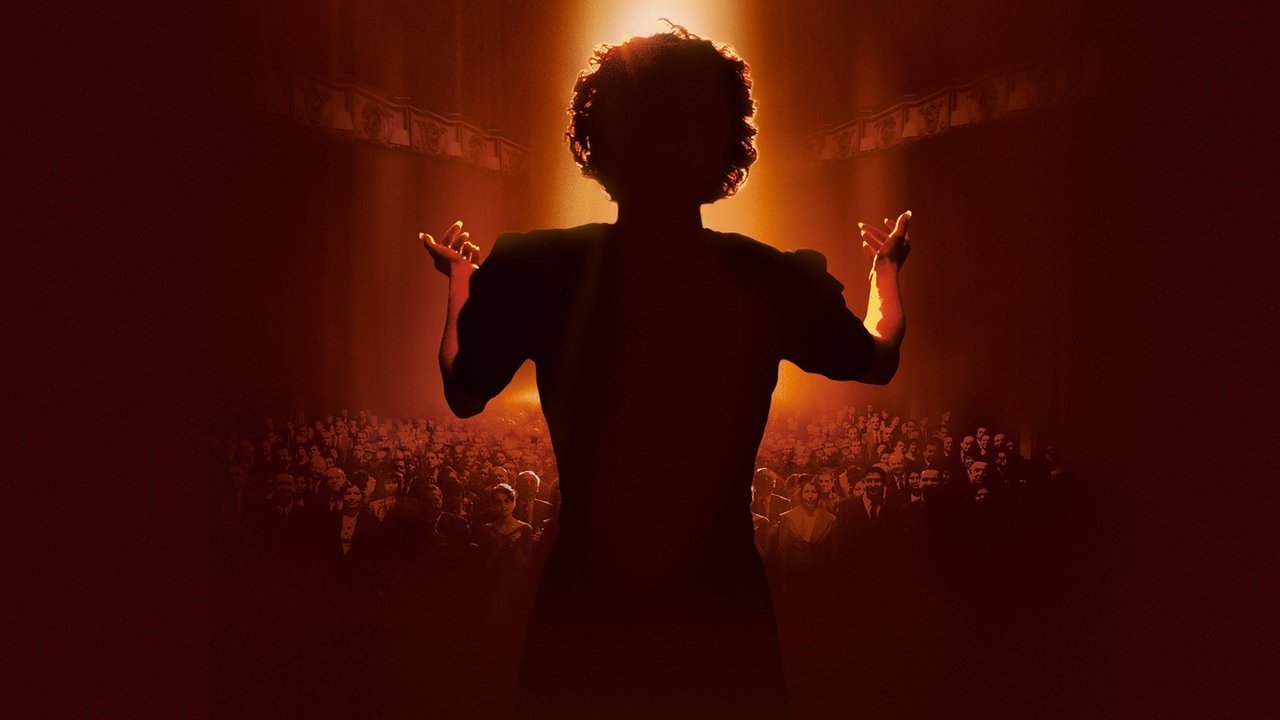
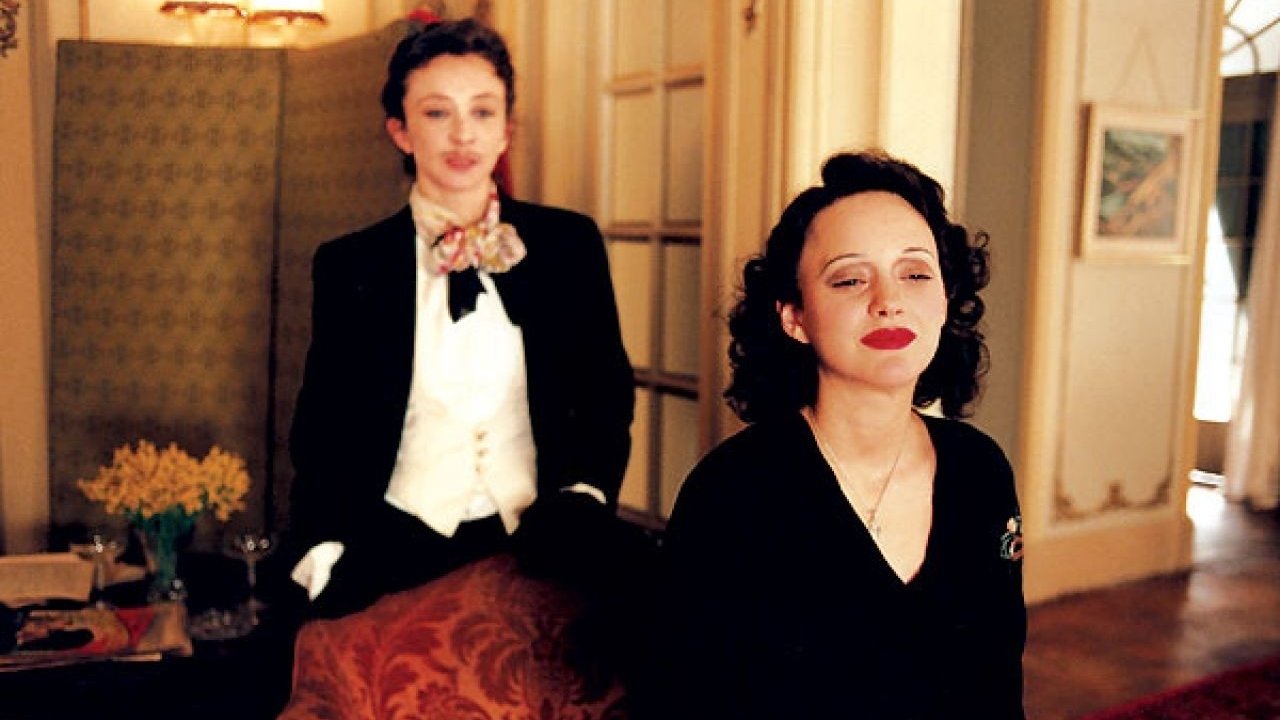
She lip-syncs to Piaf’s original recordings, but it never feels like a drag act. You can see the effort of the breath, the tension in the throat, and the way the music seems to physically pass through her. Beside her, Sylvie Testud plays Mômone, Piaf’s long-suffering companion, with a grounded loyalty that provides the necessary foil to Piaf’s erratic genius. Their chemistry makes the middle act of the film—the "struggling years"—the most emotionally resonant part of the journey.
The 2007 "Big Drama" Energy
Looking back, La Vie en Rose arrived during a fascinating transitional period in cinema. It was 2007, the same year No Country for Old Men and There Will Be Blood were dominating the conversation. We were still in the golden age of the DVD, and I recall spending hours watching the "making-of" featurettes on the second disc, marveling at the practical prosthetic work. This was before the industry decided that every facial wrinkle could be "fixed" or added with CGI. There's a tactile, grimy reality to the Paris streets and the backstage corridors that feels refreshingly analog.
The cinematography by Tetsuo Nagata (who shot the gorgeous Paris, je t'aime) shifts palettes to match the eras—from the sepia-toned misery of her youth to the harsh, unforgiving whites of her final days in the South of France. It’s a visual feast that manages to be both "prestige" and deeply gritty. I genuinely believe modern biopics have become too cowardly to look this ugly, preferring the polished, TikTok-ready sheen of films like Bohemian Rhapsody.
Small Notes and Hidden Echoes
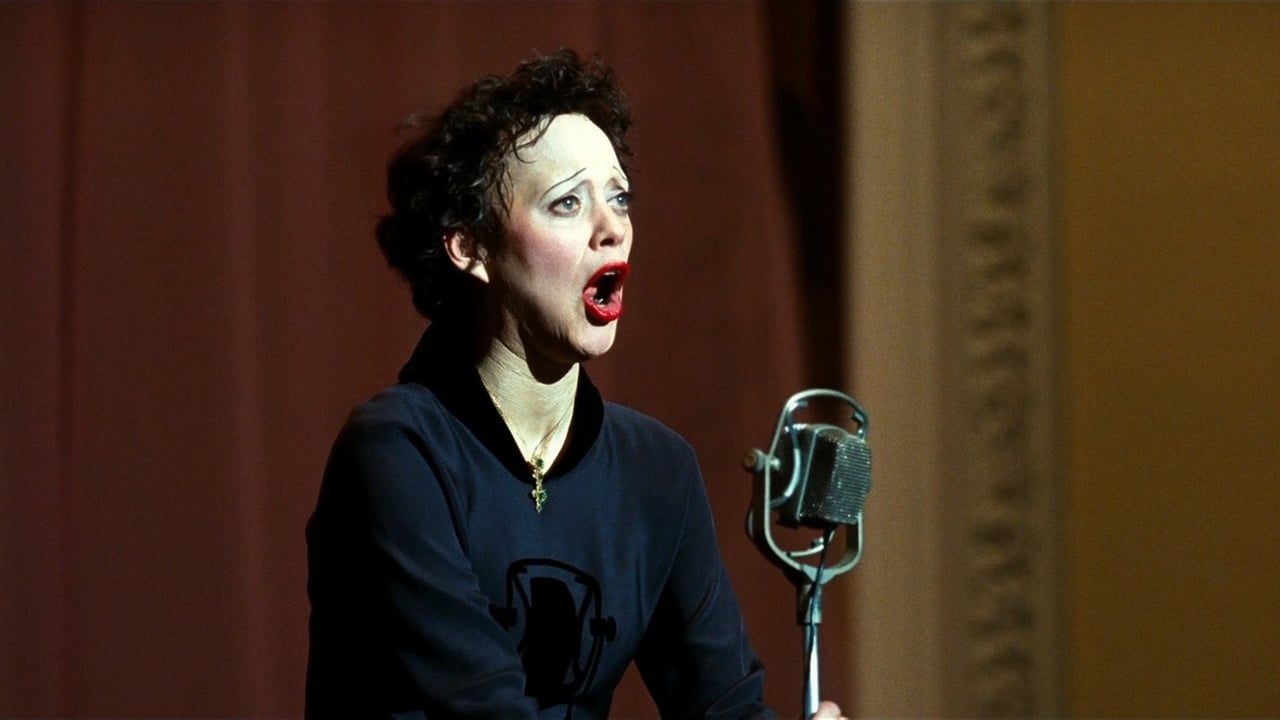
One of the more fascinating bits of trivia is that Marion Cotillard reportedly struggled to "exorcise" Piaf after filming ended. She talked in interviews about how the character stayed with her for months, haunting her thoughts. You can feel that intensity on screen; it’s a performance that feels like it cost the actor something.
The film also features Jean-Paul Rouve as her father and Pascal Greggory as her manager, Louis Barrier. They are both excellent, but they are inevitably orbiting the sun that is Cotillard. Even a titan like Gérard Depardieu feels like a guest in her house. This is a one-woman show in the truest sense, a cinematic monument to a voice that defined a nation.
La Vie en Rose is a messy, loud, heartbreaking, and ultimately sublime piece of filmmaking. It doesn't just tell you about Edith Piaf; it makes you feel the drafty rooms she slept in and the hot lights of the stages she commanded. If you haven't revisited it since the mid-2000s, or if you’ve only ever seen the clips of the final performance, do yourself a favor and watch the whole thing. It’s an exhausting experience, but like a great Piaf song, you won't regret a second of it.
Keep Exploring...
-
Rust and Bone
2012
-

Nick and Norah's Infinite Playlist
2008
-
Crazy Heart
2009
-

Footloose
2011
-
Dreamgirls
2006
-

Lemonade Mouth
2011
-
The Doors
1991
-

The Muppet Christmas Carol
1992
-
That Thing You Do!
1996
-
Selena
1997
-
The Diving Bell and the Butterfly
2007
-
The Round Up
2010
-
Two Days, One Night
2014
-

8 Mile
2002
-
Raise Your Voice
2004
-
Ray
2004
-
Get Rich or Die Tryin'
2005
-
Walk the Line
2005
-
Step Up
2006
-
August Rush
2007