Lars and the Real Girl
"Finding humanity in a hollow heart."
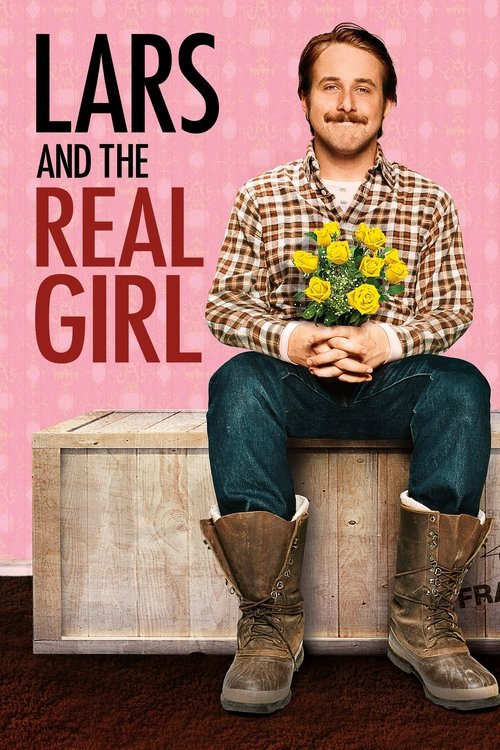
If you pitched a movie about a socially paralyzed loner who falls in love with a life-size silicone sex doll he ordered off the internet, most studio executives in 2007 would have pointed you toward the nearest raunchy teen comedy bin. It sounds like the setup for a series of cringe-inducing gags involving awkward fluids and hidden closets. Instead, Lars and the Real Girl is one of the most radically kind films of the 21st century—a movie that takes a premise destined for a "Late Night" punchline and turns it into a masterclass in community empathy.
I actually watched this for the third time while trying to assemble a particularly stubborn IKEA nightstand, and seeing Ryan Gosling struggle to navigate the complexities of a "human" relationship made me feel significantly better about my own losing battle with a Swedish Allen wrench. There is a specific kind of quietness to this film that feels like a relic from that mid-2000s indie boom, a time when movies were allowed to be "small" without being "slight."
The Gosling Pivot
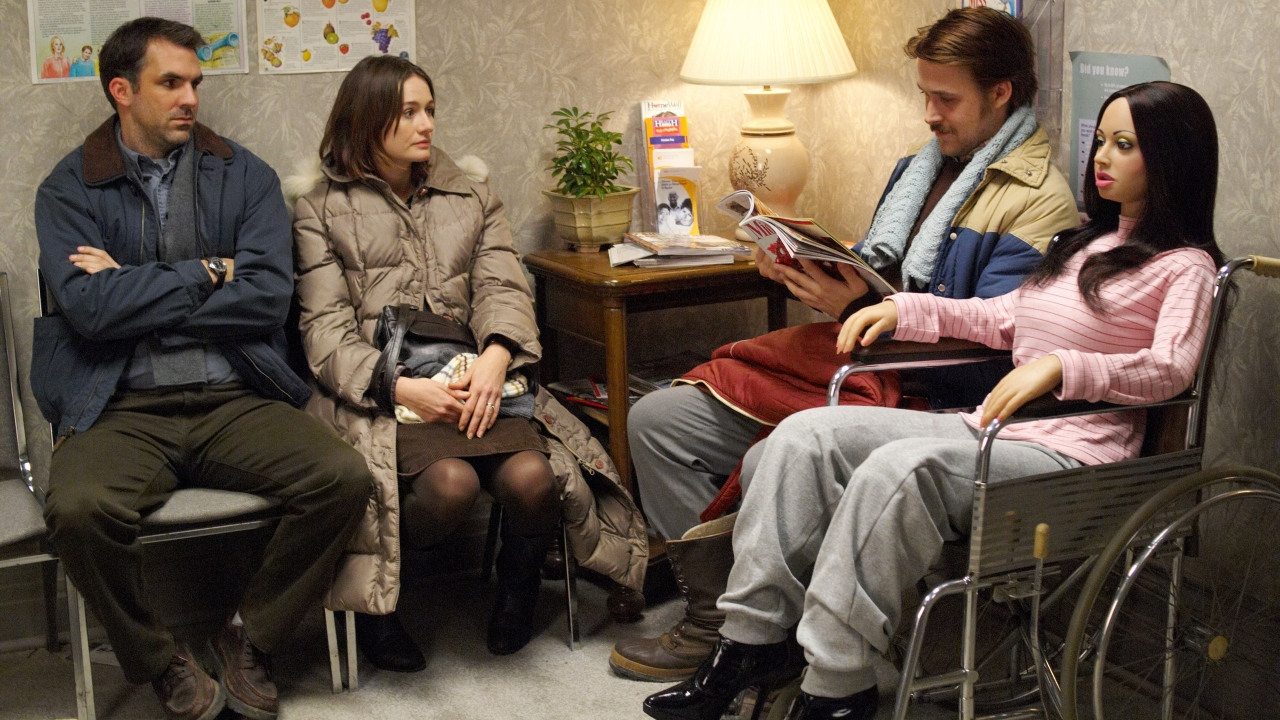
Before he was the stoic driver in Drive or the neon-soaked K in Blade Runner 2049, Ryan Gosling was a burgeoning indie darling willing to look genuinely pathetic. As Lars Lindstrom, he is a man of vibrating anxieties. He wears thick, scratchy sweaters as if they’re armor and treats a handshake like a physical assault. When he introduces his "girlfriend" Bianca—a wheelchair-bound missionary of Brazilian and Danish descent who just happens to be made of high-grade plastic—Gosling doesn't play it for laughs. He plays it with the desperate, fragile sincerity of a man whose brain has finally found a way to survive.
His brother, Gus (Paul Schneider, who gave us the brilliantly cynical Mark Brendanawicz in Parks and Recreation), and sister-in-law, Karin (Emily Mortimer, being the literal embodiment of warmth), are the audience stand-ins. Their initial horror is ours. But on the advice of the local doctor (Patricia Clarkson), they decide to play along. This isn't just a gimmick; it’s a medical necessity. The film asks: If a person is drowning, do you yell at them for not being on dry land, or do you jump in?
A Town’s Radical Kindness
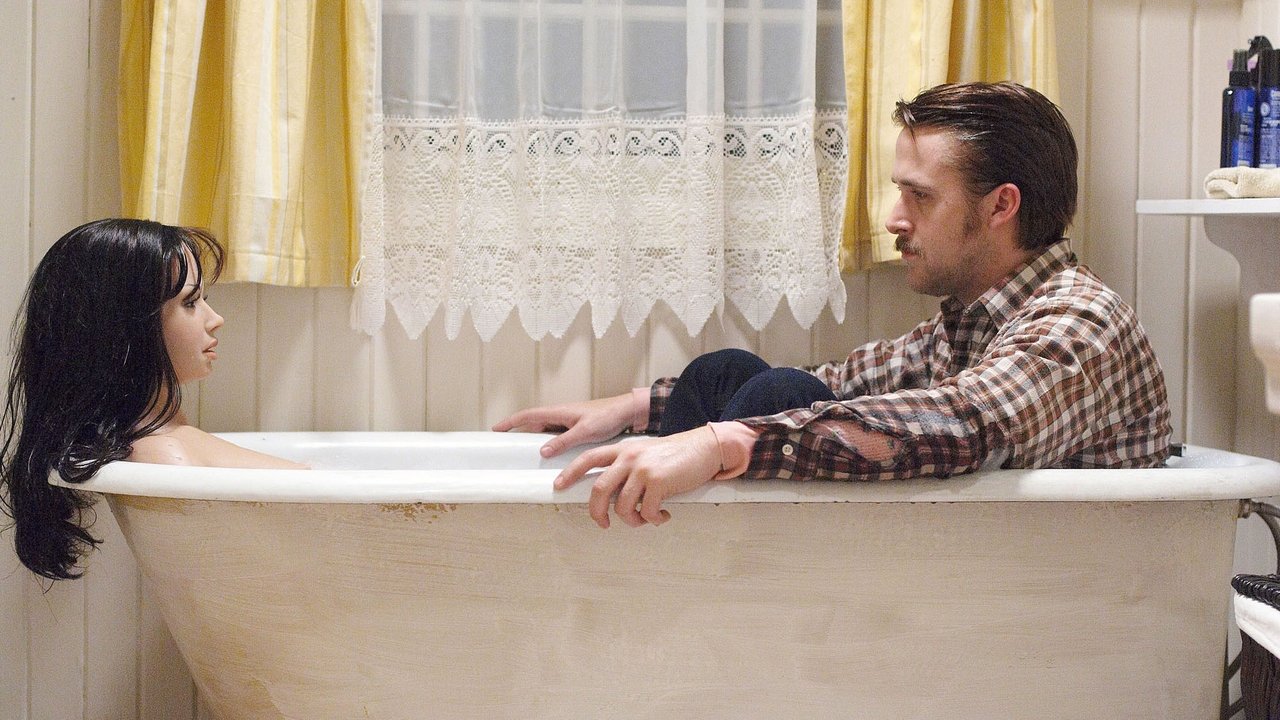
The real magic of the screenplay by Nancy Oliver (who wrote for Six Feet Under) isn’t Lars’s delusion; it’s the town’s reaction to it. Director Craig Gillespie—who would later go on to helm I, Tonya and Cruella—paints a picture of a winter-locked Midwestern town that decides, collectively, to validate Lars. The local church ladies knit Bianca sweaters. The local hospital "treats" her for low blood pressure. The local store hires her as a mannequin.
Looking back, this film arrived at a fascinating intersection of cinema history. We were moving away from the "ironic detachment" of the 90s and into a period of sincere, almost fable-like storytelling. It’s a "Modern Cinema" era film that feels analog; it’s about the internet bringing a doll to a house, but it’s really about the physical presence of neighbors. It’s a movie that bravely refuses to be mean, even when the script practically begs for a cheap joke at a plastic woman’s expense.
The Girl Behind the Plastic
One of the most charming bits of trivia about the production is that the cast and crew actually treated Bianca like a real person on set. She had her own trailer, she was listed on the daily call sheets, and the actors were encouraged not to change clothes in front of her. This wasn't just "method" eccentricity; it was a way to ensure that when Paul Schneider or Emily Mortimer looked at her, they weren't seeing a prop—they were seeing the vessel for Lars’s recovery.
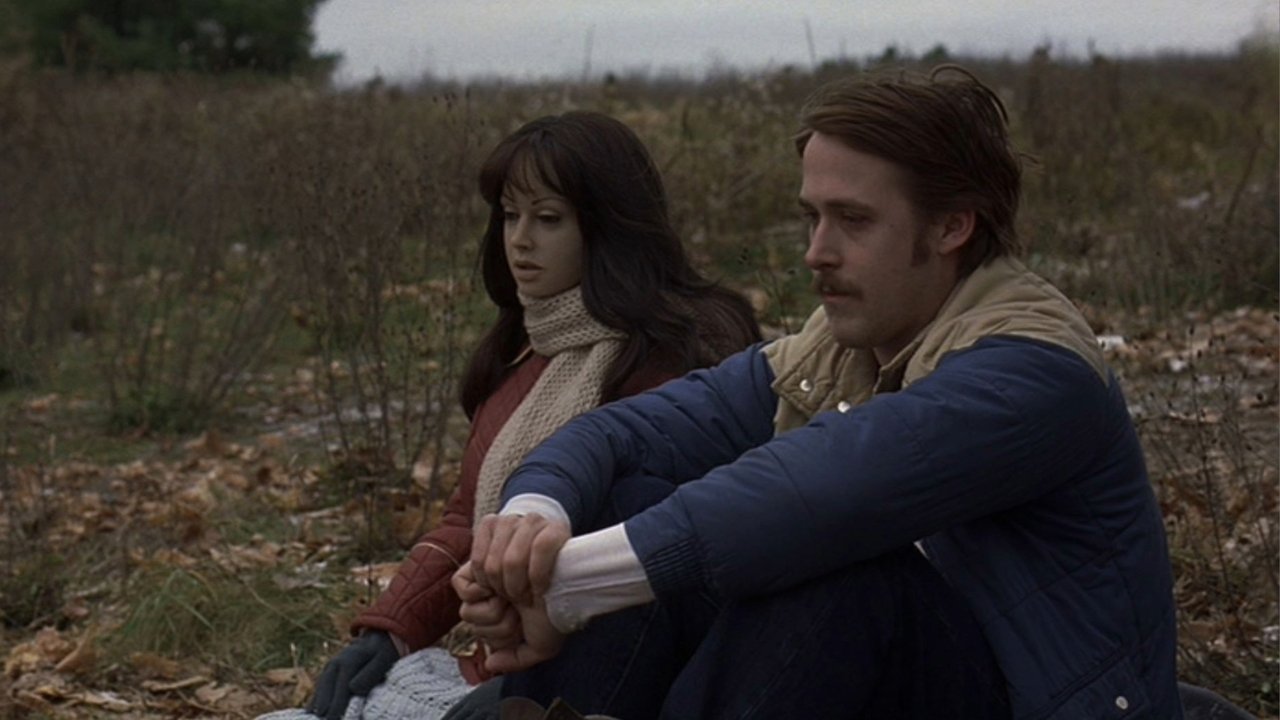
The film performed poorly at the box office, barely recouping its $12 million budget, likely because the marketing team had no idea how to sell "The Wholesome Sex Doll Movie." It vanished into the "underrated" piles of DVD rental stores, a hidden gem often passed over for flashier comedies. But it’s aged beautifully because its central theme—that mental health is a community responsibility—is more relevant now than it was in 2007.
The ending of Lars and the Real Girl is a heart-punch that earns every tear it extracts. It’s a story about the stories we tell ourselves to survive, and the grace of the people who choose to listen to those stories without judgment. If you’ve ever felt like an outsider looking in, or if you just want to see a pre-superstar Ryan Gosling deliver a performance that is equal parts weird and wondrous, go find this one. It’s a reminder that sometimes the most "real" thing in the room is the love we project onto it.
Paragraph Title (Optional)
This film is a quiet miracle of tone. It could have been a disaster in less capable hands, but instead, it’s a soft-spoken masterpiece about the things we do for the people we love. It’s a movie that understands that sometimes, to get back to reality, you have to take a long detour through a beautiful, plastic lie.

Keep Exploring...
-
Confessions of a Dangerous Mind
2002
-

What a Girl Wants
2003
-
A Lot Like Love
2005
-
Broken Flowers
2005
-

Casanova
2005
-
The Family Stone
2005
-
The Sisterhood of the Traveling Pants
2005
-

A Good Year
2006
-
Dan in Real Life
2007
-
The Nanny Diaries
2007
-
Ghost Town
2008
-
Nick and Norah's Infinite Playlist
2008
-
Wild Child
2008
-
I Love You Phillip Morris
2010
-

Morning Glory
2010
-
The Switch
2010
-

Ruby Sparks
2012
-
The Spanish Apartment
2002
-

In Her Shoes
2005
-

Volver
2006