Like Stars on Earth
"The world is brighter through different eyes."

I remember the first time I sat down with Like Stars on Earth (originally Taare Zameen Par). I was balancing a dangerously overfilled plate of samosas on my lap, and by the forty-minute mark, the mint chutney had dried into a crust because I’d completely forgotten to eat. There is something about the way this film captures the paralyzing isolation of childhood that makes you forget your own surroundings. It doesn’t just ask for your attention; it hijacks your nervous system.
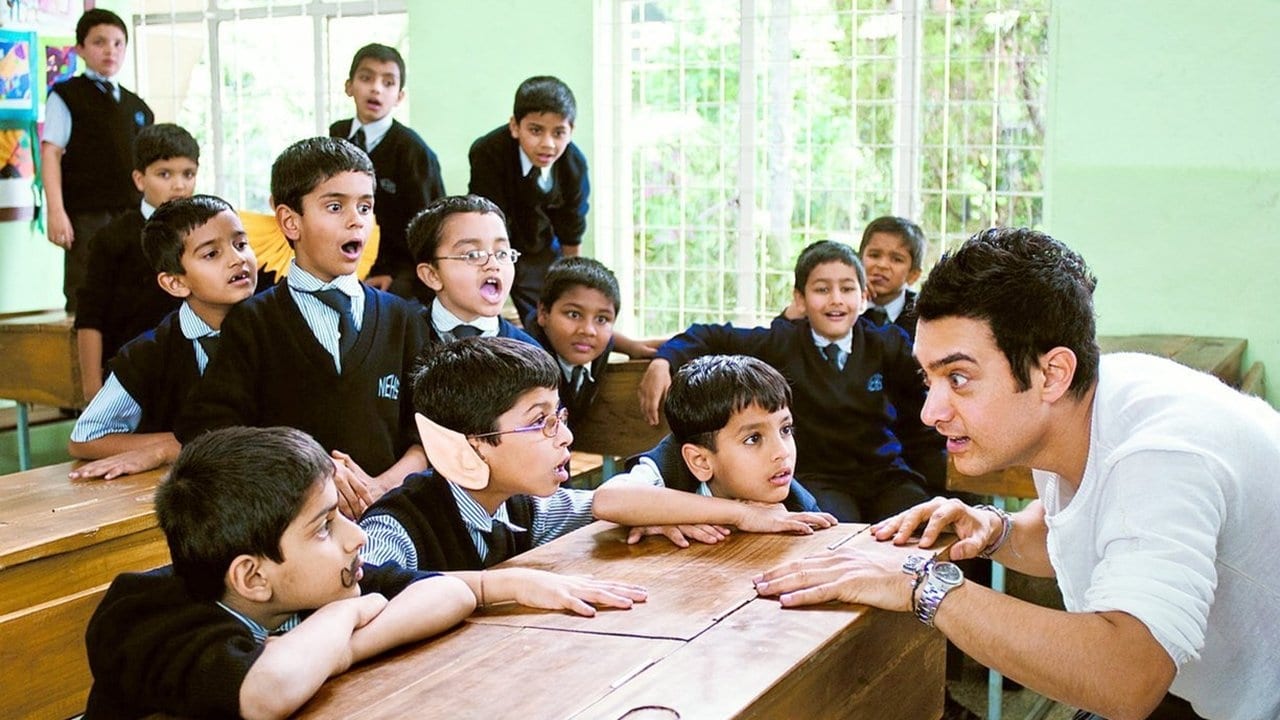
Released in 2007, right in that sweet spot of the "Multiplex Era" in Indian cinema, this film felt like a tectonic shift. We were moving away from the era of heroes dancing in Swiss Alps and toward a more introspective, grounded storytelling. Aamir Khan, fresh off the success of Lagaan (2001) and Rang De Basanti (2006), wasn't just acting here; he was making his directorial debut. And while he’s known as "Mr. Perfectionist," the brilliance of this film lies in how it celebrates the imperfect.
The Architecture of a Child's Mind
The first hour is, quite frankly, a horror movie for anyone who ever felt "slow" in school. We follow Ishaan Awasthi, played by Darsheel Safary in what I consider one of the greatest juvenile performances in cinematic history. Safary doesn’t do "movie kid" acting. There’s no precociousness here. Instead, he gives us the raw, vibrating anxiety of a boy for whom letters literally dance on the page.
The film uses early-2000s CGI—which can often feel dated—to marvelous effect here. Instead of trying to create realistic monsters, the animators at Tata Interactive Systems created a vibrant, 2D-inspired world where Ishaan’s imagination takes flight. When he looks at a math problem and sees planets colliding, it isn't just a visual gimmick; it’s a peek into a brain that is firing on cylinders the rest of us haven't even discovered yet. The father, played by Vipin Sharma, is the most terrifying villain of 2007, precisely because he thinks he’s being a good parent. His rigid, "sink or swim" mentality represents the analog ghost of an education system that treats children like factory parts.
The Transition of the Titan
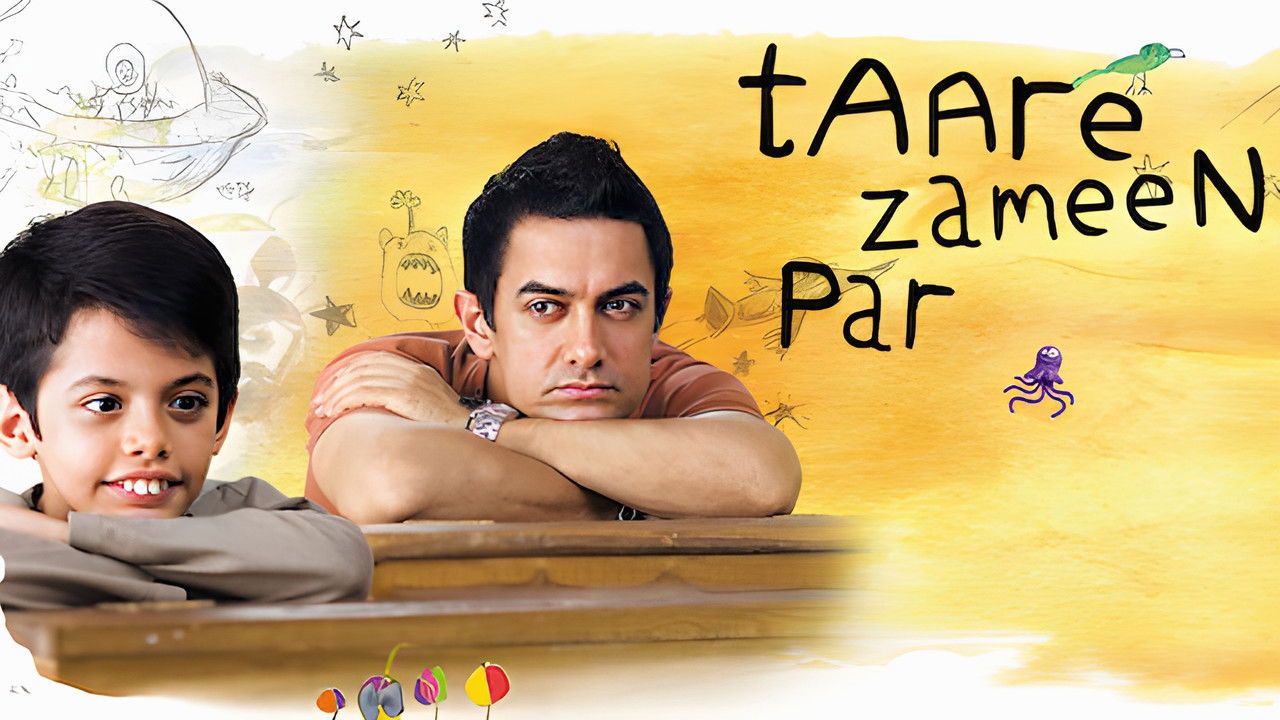
When Ishaan is shipped off to boarding school, the film takes a somber turn. The vibrant colors drain out, replaced by the grey, oppressive stone of the institution. This is where Aamir Khan enters as Ram Shankar Nikumbh, the temporary art teacher who actually sees Ishaan.
Looking back, Khan’s entry is a masterclass in star-power restraint. He doesn't show up and fix everything with a magic wand. He spends time observing. There’s a beautiful sequence where he visits Ishaan’s family home, and the realization of Ishaan’s dyslexia hits him—and us—not through a medical lecture, but through the silent, heartbreaking look on Tisca Chopra’s face as the mother who realized she missed the signs.
The film’s score by Loy Mendonsa (of the legendary Shankar-Ehsaan-Loy trio) is the secret sauce here. The title track is a lullaby for the misunderstood, and it hits differently in an era where we were just starting to move from VHS tapes to the "special features" depth of DVDs. I recall the DVD release of this film was a big deal; the commentary tracks and making-of segments revealed how much research went into the portrayal of dyslexia, ensuring it wasn't just a "plot point" but a lived reality.
A Legacy of Letters
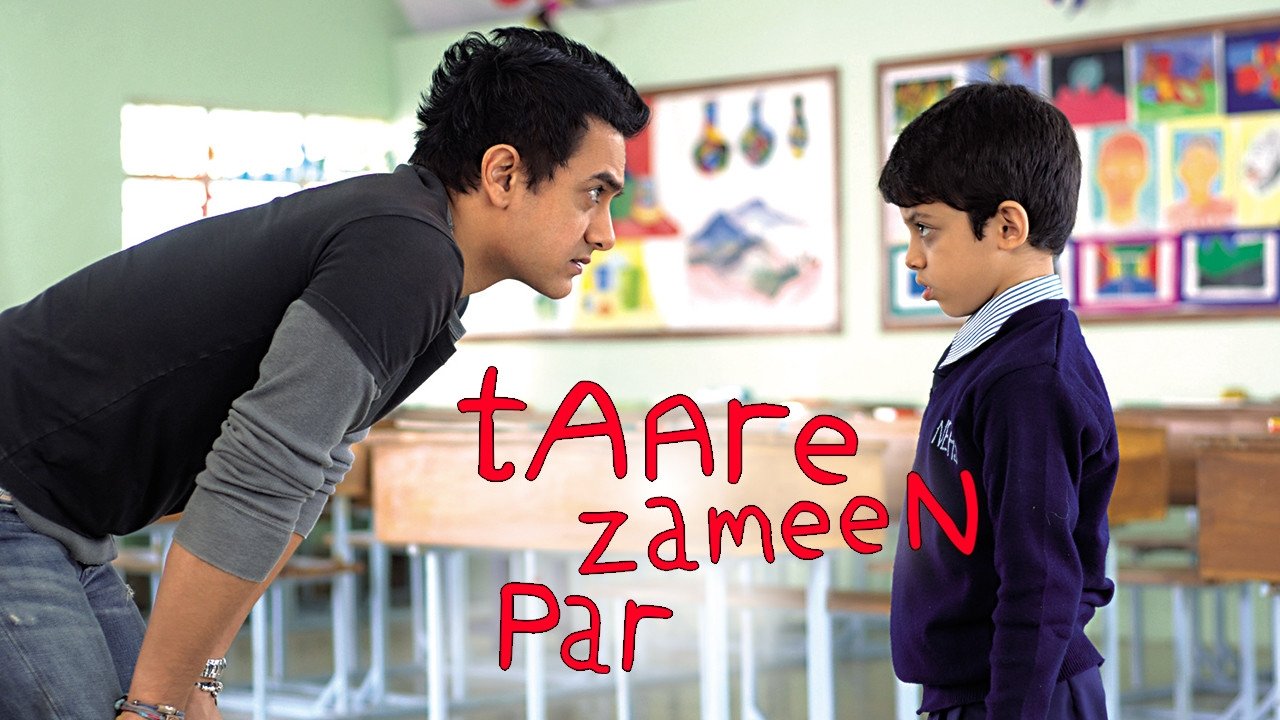
Is the film a bit long? At 162 minutes, yes. It has the pacing of a marathon, and the final art competition sequence leans heavily into the sentimental. But I defy anyone with a pulse to get through the final reveal of Ishaan’s painting without a lump in their throat.
What’s fascinating about reassessing this film now is seeing how it avoided the tropes of the era. It didn't need a massive action set-piece or a romantic subplot. It relied entirely on the psychological stakes of a child regaining his smile. It captures that post-9/11 shift in global cinema where we started valuing empathy over bravado. Aamir Khan directed this with a gentle hand, letting the scenes breathe in a way that contemporary, fast-cut editing often forgets to do.
It’s an "indie gem" that happened to be a blockbuster. It was produced by Aamir Khan Productions on a relatively modest budget of $2.6 million, yet it out-earned massive spectacles because its "special effect" was human connection. It even became India's official entry for the Academy Awards, signaling to the world that Bollywood was capable of more than just spectacle.
Ultimately, Like Stars on Earth is a philosophical inquiry into what we value as a society. It asks if we are so obsessed with "neatness" and "marks" that we are willing to crush the spirits of the very children we claim to love. It’s a film that stays with you long after the credits roll—and long after your samosas have gone cold. If you haven't seen it, or haven't revisited it since the mid-2000s, it’s time. It’s a rare piece of cinema that doesn't just entertain; it actually makes the viewer a slightly better person by the time the lights come up.

Keep Exploring...
-
Bowling for Columbine
2002
-
Good Bye, Lenin!
2003
-

Mysterious Skin
2005
-

The Man from Earth
2007
-

My Name Is Khan
2010
-

Night on Earth
1991
-
The Postman
1994
-
Central Station
1998
-

The Celebration
1998
-

Before Midnight
2013
-

Short Term 12
2013
-

I Origins
2014
-

Mommy
2014
-

Before Sunset
2004
-

The Hunt
2012
-

Irreversible
2002
-

Sympathy for Mr. Vengeance
2002
-
Elephant
2003
-

Zatoichi
2003
-

Garden State
2004