Meet the Robinsons
"The future is a mess, and that’s why it’s perfect."
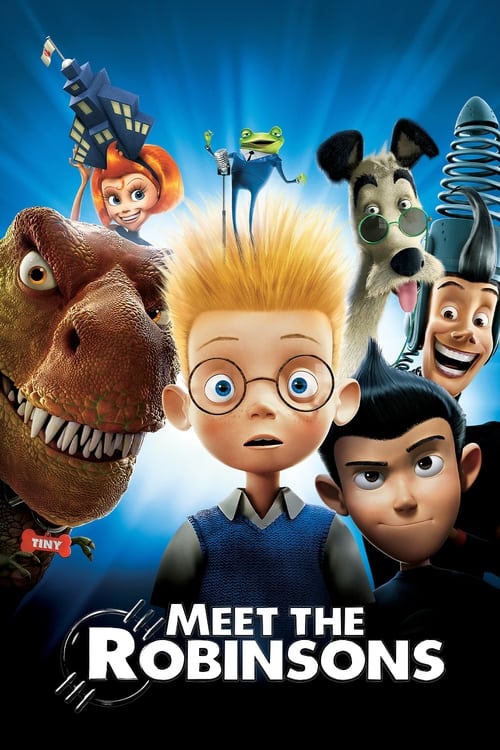
In 2007, Walt Disney Animation Studios was in the middle of a massive identity crisis. They were trying to figure out how to be Pixar without actually being Pixar, and the results were usually... well, Chicken Little. But then came Meet the Robinsons, a film that felt like it was held together by duct tape, caffeine, and pure, unadulterated heart. It didn't have the polished marketing machine of Frozen or the immediate classic status of The Lion King, but for those of us who caught it on DVD or during a cable rerun, it became a foundational text for why it’s okay to be a little weird.
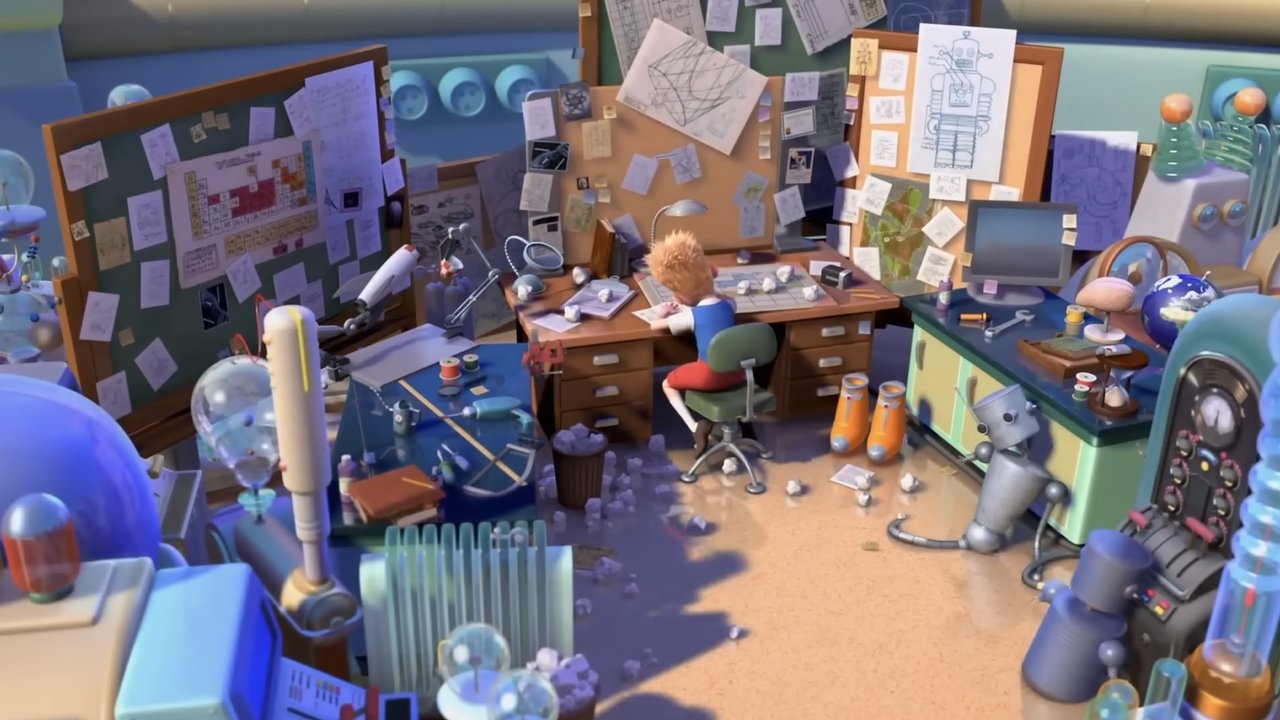
I actually watched this for the third time while sitting in a hotel room in Omaha, eating a slightly stale bag of pretzels and trying to figure out if I’d packed enough socks. There’s something about the frantic, "keep moving forward" energy of this movie that pairs perfectly with the low-level anxiety of travel. It’s a movie that embraces the chaotic "what if" of science fiction without the brooding cynicism that usually comes with the genre.
A Beautifully Messy Future
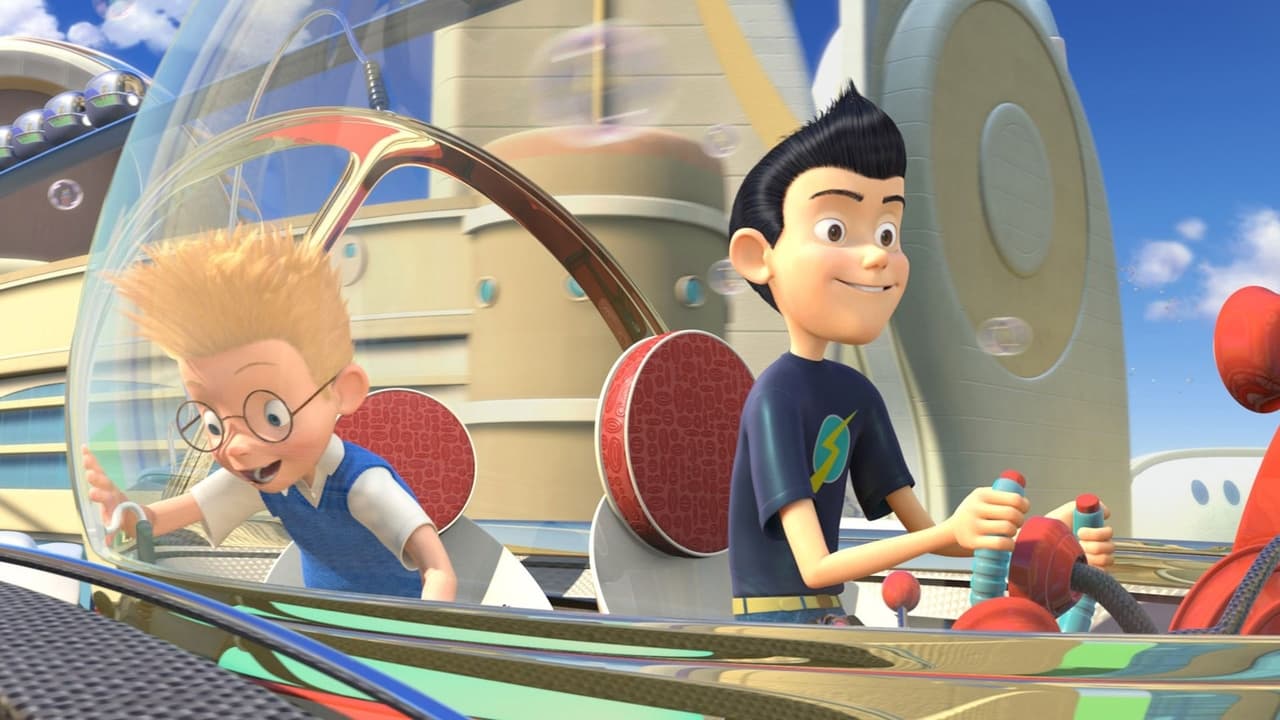
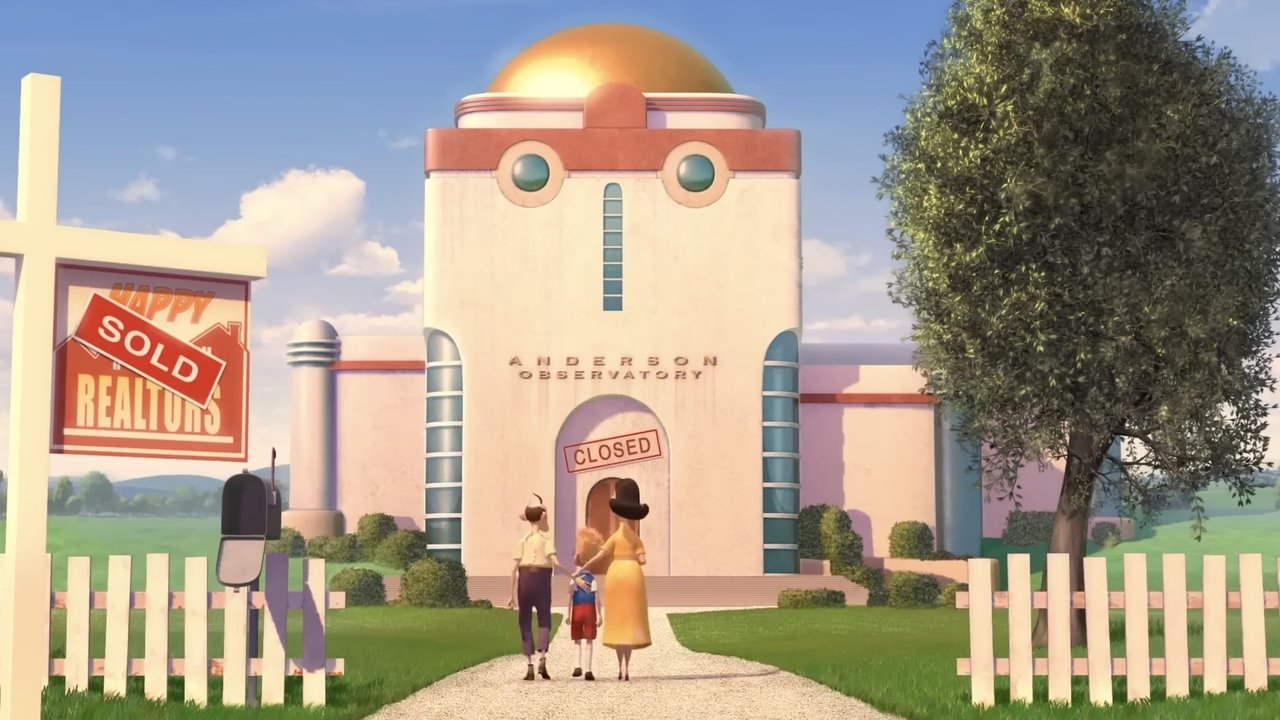
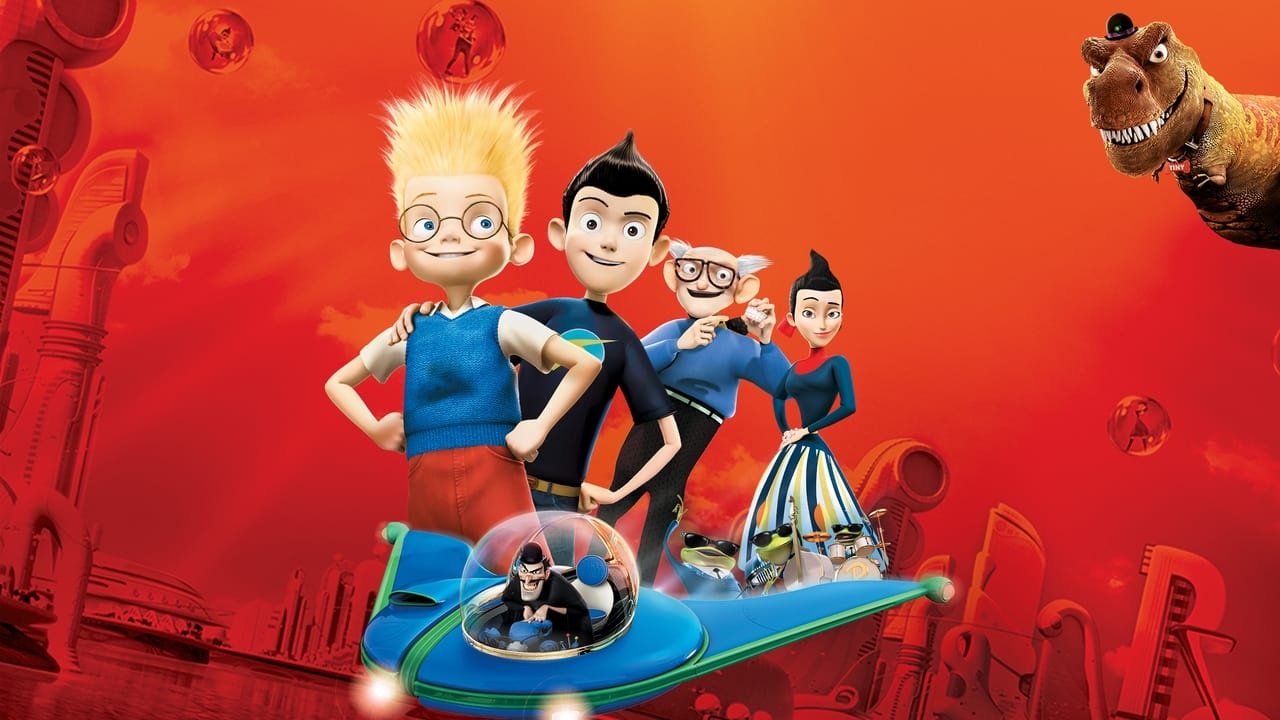
The plot follows Lewis, a 12-year-old inventor with a head of hair that defies physics and a list of failed experiments longer than a CVS receipt. He’s an orphan who just wants to find his mom, but he ends up being whisked away to the future by a kid named Wilbur Robinson. This isn't the slick, chrome-plated future of Star Trek; it’s a "Googie" architecture dreamscape where people travel in bubbles and singing frogs are a legitimate lounge act.
Looking back, the CGI of 2007 occupies a fascinating middle ground. It’s lightyears ahead of the early-90s "plastic skin" look, but it still has a bouncy, rubbery quality that feels intentionally cartoonish. The production design by Stephen J. Anderson (who also directed) is a love letter to 1950s futurism. It’s bright, optimistic, and vastly superior to the grimdark dystopias that modern sci-fi keeps trying to sell us.
The film’s central conceit—time travel as a way to heal personal trauma—is handled with surprising grace. While we were all busy obsessing over the franchise-building of the early MCU or the gritty realism of The Dark Knight, Disney snuck in a story about the dangers of living in the past. It’s hard sci-fi masquerading as a Saturday morning cartoon.
The Best Villain Disney Forgot to Brag About
We need to talk about Bowler Hat Guy. Voiced by the director Stephen J. Anderson, he is easily one of the most relatable "villains" in the Disney canon. He’s not a god of the underworld or a wicked queen; he’s just a guy who let a bad day in little league ruin his entire life. He’s incompetent, dramatic, and his relationship with his sentient hat, Doris, is the weirdest toxic romance ever put in a G-rated movie.
Apparently, Stephen J. Anderson only did the voice for the "scratch track" (the temporary audio used during animation), but his performance was so funny and pathetic that they couldn't find a professional actor who could beat it. It’s that kind of "lightning in a bottle" decision that gives the movie its cult edge. It feels handmade, not committee-tested.
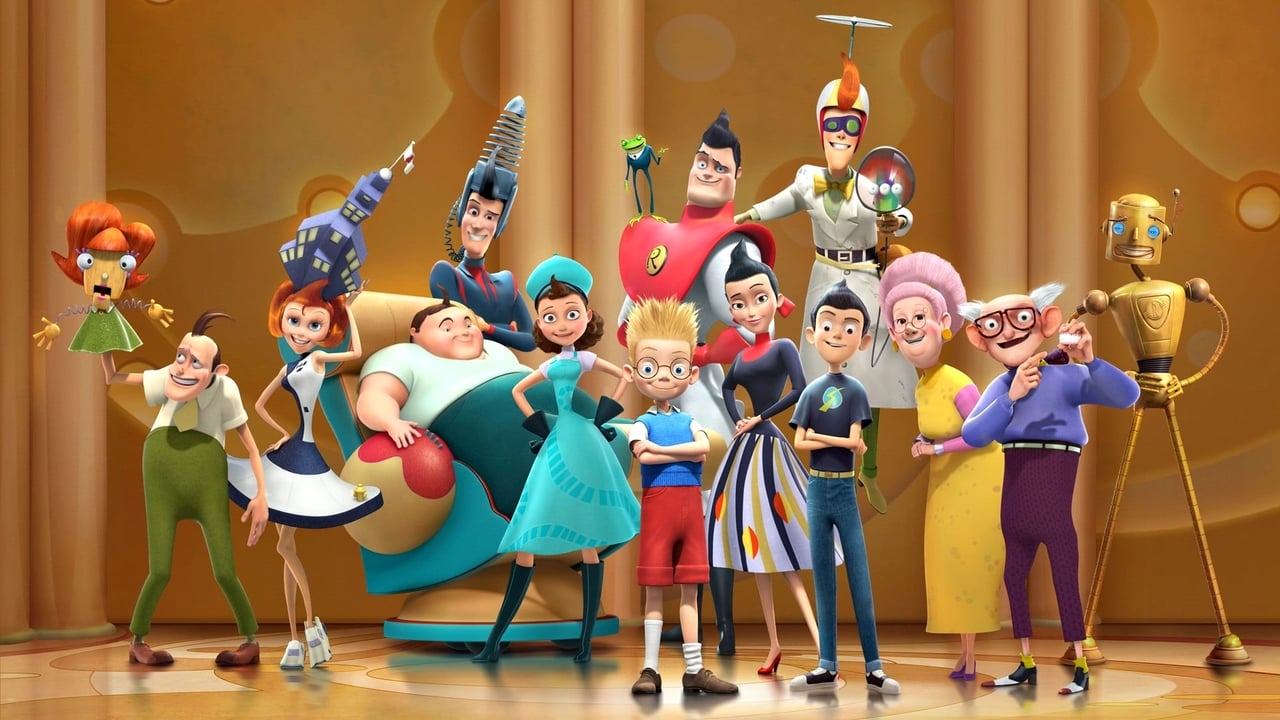
And then there’s the Robinson family themselves. They are a relentless barrage of quirks. There’s a guy who marries a puppet, a kid who delivers pizza via space-time, and Tom Selleck (of Magnum, P.I. fame) showing up as the voice of the adult Lewis, Cornelius. They cast Tom Selleck specifically because the animators realized the adult version of Lewis already had a "Selleck-ian" chin. That’s the kind of production trivia that makes me love this era of filmmaking—it was driven by visual gags and gut instincts.
The Lasseter Overhaul and the Cult of Failure
What’s wild is that Meet the Robinsons almost didn't work. When John Lasseter (the guy who gave us Toy Story) took over Disney Animation during production, he saw a rough cut and told the team that the villain wasn't scary enough and the emotional stakes were off. They ended up re-doing about 60% of the movie. You can feel that Pixar-adjacent DNA in the final act—it’s punchy, tear-jerking, and tightly wound.
The film’s soundtrack also deserves a nod. Danny Elfman, the man who defined the sound of Batman and The Nightmare Before Christmas, provided the score, and it’s a whimsical, brassy delight. It captures that sense of 1950s "World of Tomorrow" wonder while keeping things grounded in Lewis’s loneliness.
Ultimately, Meet the Robinsons became a cult classic because it’s a movie for the losers and the tinkerers. It celebrates failure. In an era where every film felt like it needed to be a "franchise starter," this was just a weird, standalone story about a kid who needed to realize that his future was better than his past. It’s a film that tells you that your mistakes are actually just the rough drafts of your success.
The film concludes with a quote from Walt Disney himself: "Keep Moving Forward." It’s a simple sentiment, but in the context of this frantic, time-traveling odyssey, it feels earned. Whether you’re a sci-fi nerd looking for clever time-loop logic or just someone who appreciates a good joke about a T-Rex with tiny arms, this one holds up. It’s a vibrant reminder that even when the present feels like a series of exploded PB&J sandwiches, the future is still worth building.
Keep Exploring...
-
Winnie the Pooh
2011
-
Mr. Peabody & Sherman
2014
-

Sinbad: Legend of the Seven Seas
2003
-

Flushed Away
2006
-

Open Season
2006
-

Bee Movie
2007
-

Bolt
2008
-
Megamind
2010
-
Rango
2011
-
Brave
2012
-
ParaNorman
2012
-
Wreck-It Ralph
2012
-

The Emperor's New Groove
2000
-
Osmosis Jones
2001
-
Planet 51
2009
-
The Lion King 1½
2004
-
Journey to the Center of the Earth
2008
-
Fantastic Mr. Fox
2009
-
Jimmy Neutron: Boy Genius
2001
-
Hercules
1997