Michael Clayton
"The cost of a clean conscience is a very messy life."
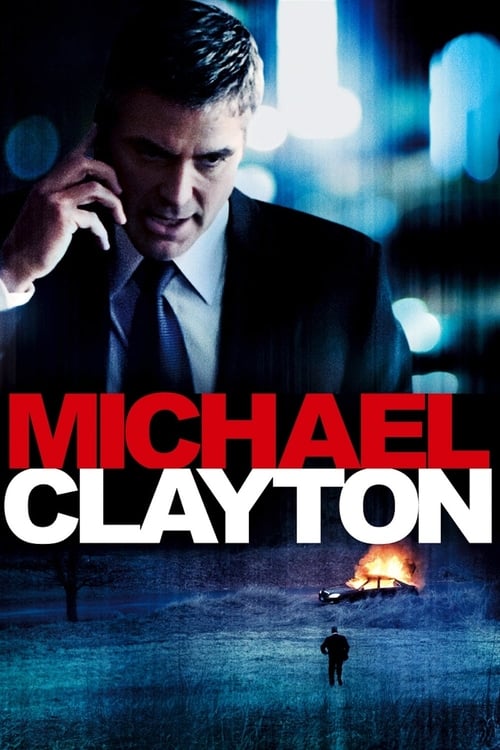
The first time I watched Michael Clayton, I was eating a slightly stale sesame bagel during the scene where Tom Wilkinson delivers a manic monologue about a "bag of bread," and I’ve never felt more personally judged by a fictional character. It’s that kind of movie. It gets under your skin not with explosions or high-speed chases—though there is one very effective car bomb—but with the quiet, crushing weight of corporate reality.
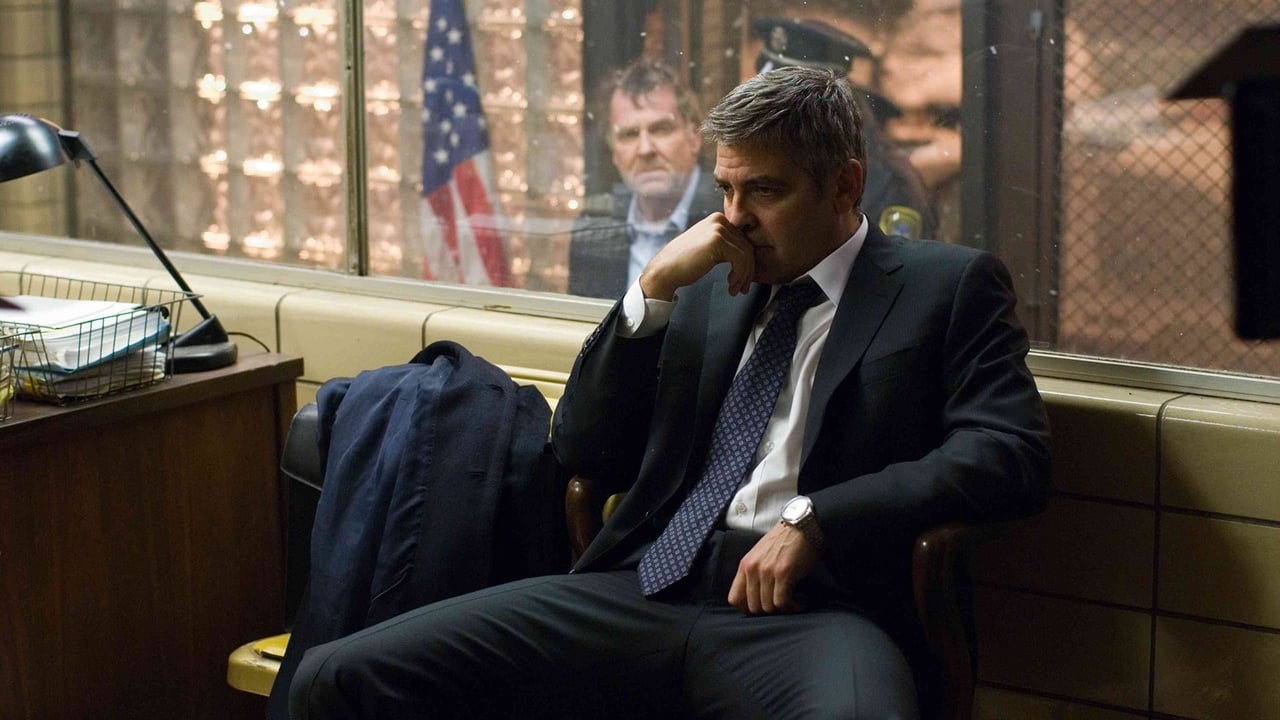
Released in 2007, a year that gave us heavy hitters like No Country for Old Men and There Will Be Blood, Michael Clayton managed to carve out a permanent spot in the "Adult Drama" hall of fame. It arrived at the tail end of an era where studios were still willing to drop $25 million on a talky, cynical thriller that didn't involve a single superhero. It’s a film about a "janitor"—not the kind who mops floors, but the kind who mops up the legal spills of the ultra-rich.
The Face of Weary Competence
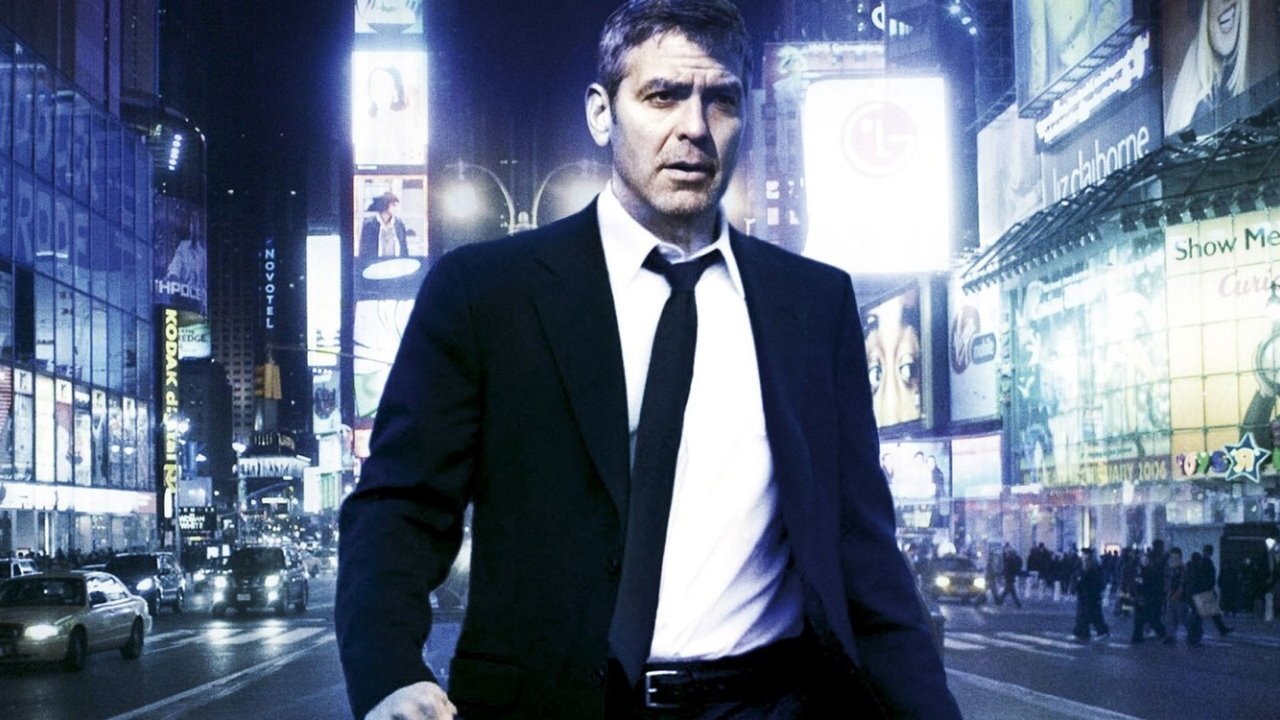
George Clooney plays the titular Michael Clayton, and let’s be honest: George Clooney is actually better when he looks like he hasn’t slept in three weeks. Gone is the smirk from Ocean’s Eleven (2001) or the suave confidence of his Batman days. Here, he’s a man who has spent fifteen years doing "the dirty work" for a high-end New York law firm, and it has etched lines into his face that no amount of expensive Scotch can smooth over.
Michael isn’t a partner. He isn’t even a particularly great lawyer. He’s a "fixer." When a wealthy client hits a pedestrian or a star attorney has a mental breakdown in the middle of a deposition, Michael is the guy they call at 3:00 AM to make the problem go away. Clooney captures that specific brand of middle-aged exhaustion perfectly. He’s competent, but he’s also deeply aware that he’s a glorified bagman for people who wouldn't invite him to their dinner parties.
The catalyst for the plot is Arthur Edens, played by the legendary Tom Wilkinson (In the Bedroom). Arthur is the firm's top litigator who, after six years of defending a chemical giant called U-North against a massive class-action lawsuit, finally snaps. He realizes his client is guilty of poisoning farmers, strips naked in a parking lot, and decides to start working for the opposition. Wilkinson is breathtaking here; he doesn't play Arthur as "movie crazy," but as a man who has suddenly become allergic to lies.
The Banality of Corporate Evil
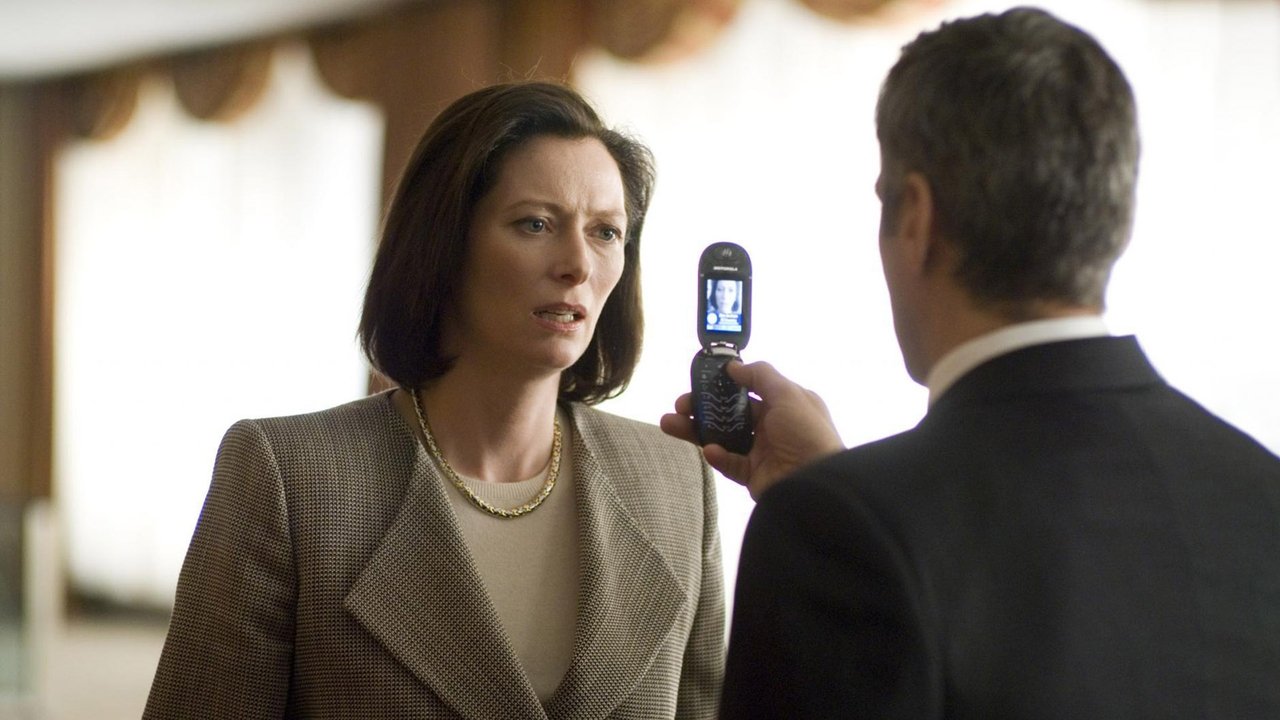
Then there’s Karen Crowder. If you want to see a masterclass in controlled anxiety, look no further than Tilda Swinton. She plays the chief counsel for U-North, and she is terrifying because she is so profoundly normal. She’s not a mustache-twirling villain; she’s a middle manager who is desperately afraid of failing.
There’s a recurring motif where we see Karen practicing her corporate talking points in a mirror, sweating through her suit, and agonizing over every word. Tilda Swinton’s armpit stains are the most honest thing in 2000s cinema. She won an Oscar for this role, and she earned it by showing us that the most dangerous people in the world aren't the ones with guns—they’re the ones who are too stressed to realize they’re ordering murders.
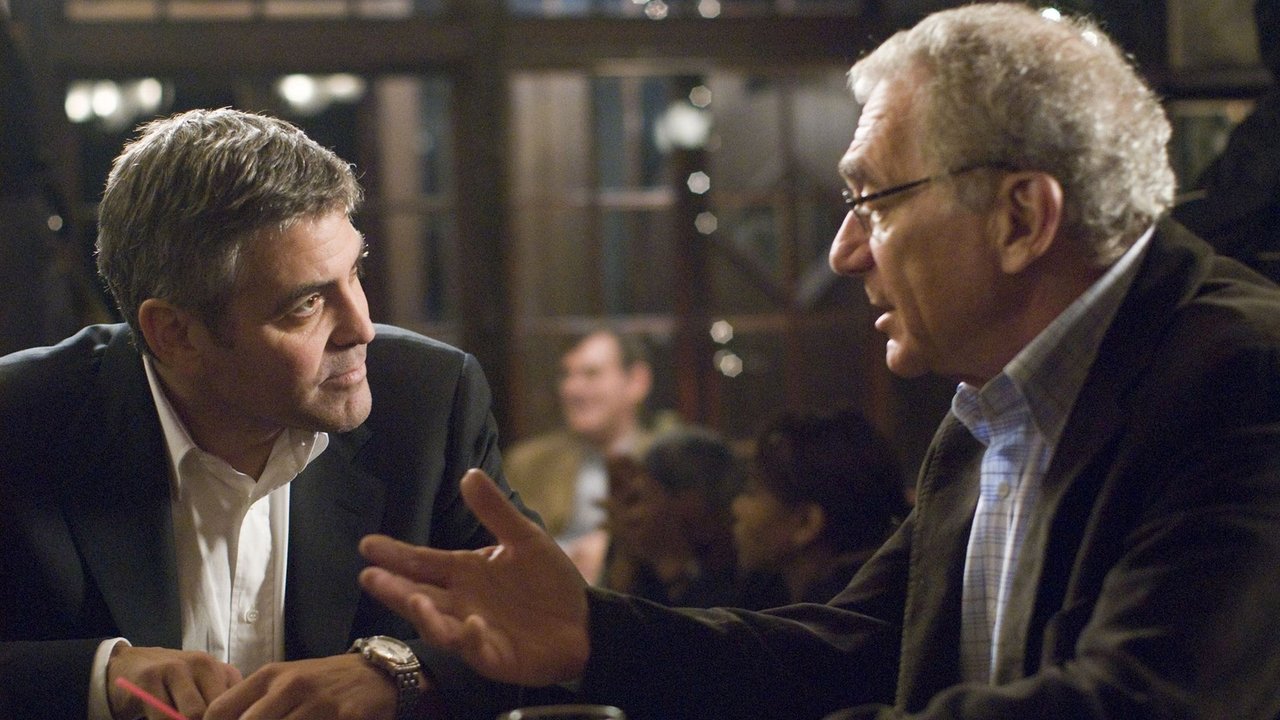
Director Tony Gilroy, who also wrote the Bourne trilogy, brings a level of precision to the script that is increasingly rare. Every conversation feels like a chess match. He doesn't over-explain the legal jargon; he trusts the audience to keep up. He also gives us Sydney Pollack as Marty Bach, the firm's patriarch. Pollack was a titan of 70s cinema (directing Three Days of the Condor), and his presence here feels like a bridge to those paranoid thrillers of the past. When he tells Michael, "This is a hit squad, not a law firm," you believe every cynical syllable.
A Masterclass in the Slow Burn
Visually, the film is a cold blue-and-gray embrace. Cinematographer Robert Elswit, fresh off There Will Be Blood, shoots New York like a series of expensive prisons—glass offices, sterile hallways, and lonely upstate roads. It’s a film that respects silence. The famous ending, which I won't spoil, is simply a long, unbroken shot of a man's face in the back of a taxi. In an era where digital editing was becoming faster and more frantic, Gilroy had the guts to just let the camera roll and let Clooney act.
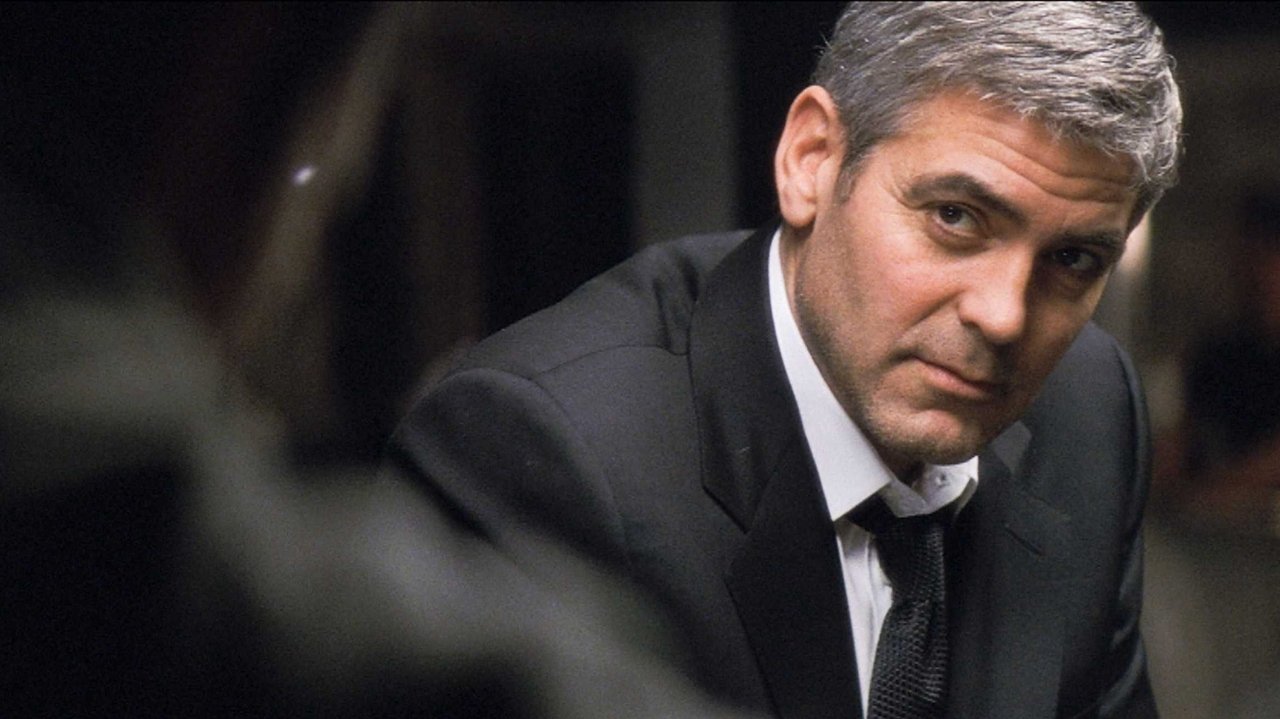
The movie feels like a time capsule of post-9/11 corporate anxiety. It was made when the Enron scandal was still a fresh wound and the public's distrust of "The System" was peaking. Looking back from the 2020s, it hasn't aged a day. If anything, the idea of a corporation prioritizing its stock price over human lives feels even more relevant now than it did in 2007.
Apparently, the role of Michael Clayton was originally offered to Denzel Washington, who turned it down because he was wary of working with a first-time director. He later admitted he regretted the decision after seeing the finished product. While Denzel is a god, I can't imagine anyone but Clooney bringing this specific blend of charm and self-loathing to the role.
Michael Clayton is the kind of movie they say they don't make anymore, but the truth is they rarely made them this well even back then. It’s a thriller for grown-ups that respects your intelligence and rewards your attention. It’s cold, it’s sharp, and it has one of the most satisfying "gotcha" moments in film history. If you’ve missed this one, or haven't revisited it since the days of Netflix DVD mailers, it’s time to call the fixer.
Keep Exploring...
-

The American
2010
-
Confessions of a Dangerous Mind
2002
-
Alpha Dog
2006
-
Undisputed II: Last Man Standing
2006
-
United 93
2006
-
Before the Devil Knows You're Dead
2007
-
In the Valley of Elah
2007
-
We Own the Night
2007
-
The Last House on the Left
2009
-

Trust
2010
-

Get the Gringo
2012
-
Killer Joe
2012
-

Frailty
2002
-
Matchstick Men
2003
-

Out of Time
2003
-
The Protector
2005
-
Running Scared
2006
-
Tell No One
2006
-
Death Sentence
2007
-
Mesrine: Killer Instinct
2008