Mr. Bean's Holiday
"A silent comedy masterclass in a loud, digital world."

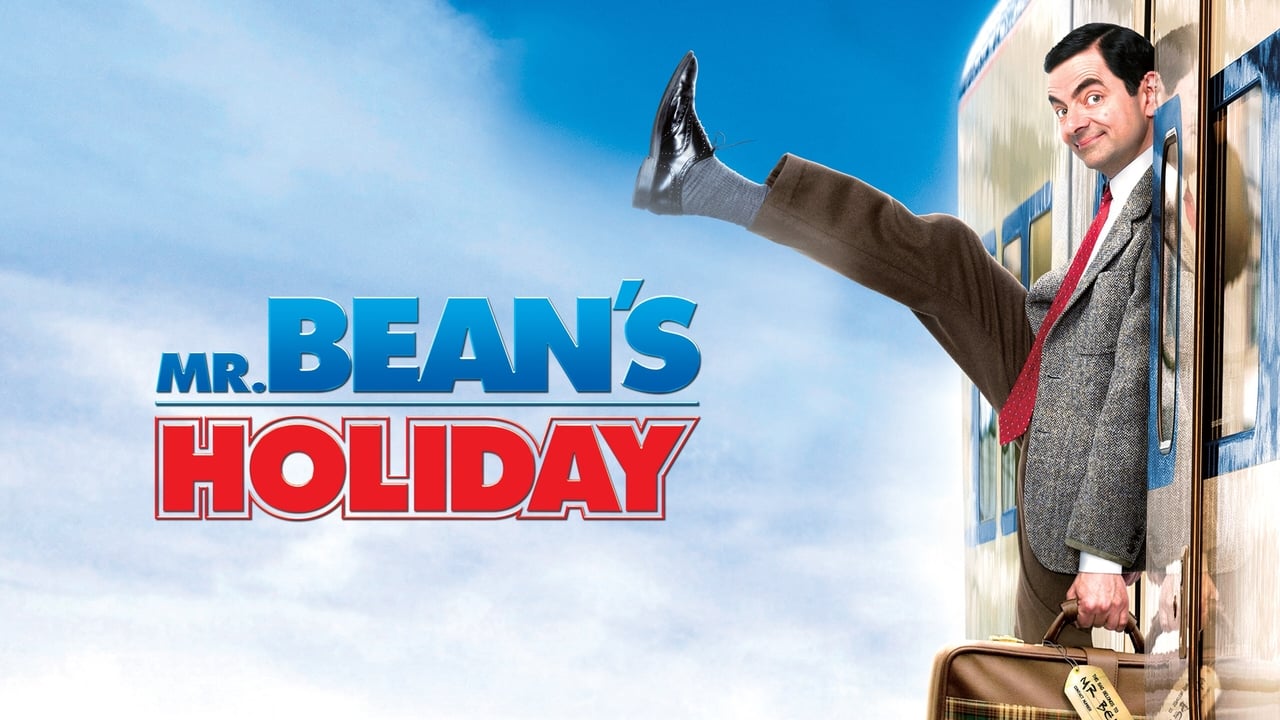
The humble raffle is a staple of British life, usually offering nothing more exciting than a slightly bruised fruit basket or a bottle of mid-range sherry. But for the man we know only as Bean, a church lottery win secures a trip to Cannes and a digital video camera. It’s a deceptively simple setup for what would become one of the most successful comedies of the 2000s—a film that, looking back, feels like a deliberate, sunny rebellion against the increasingly loud and cynical blockbusters of its era.
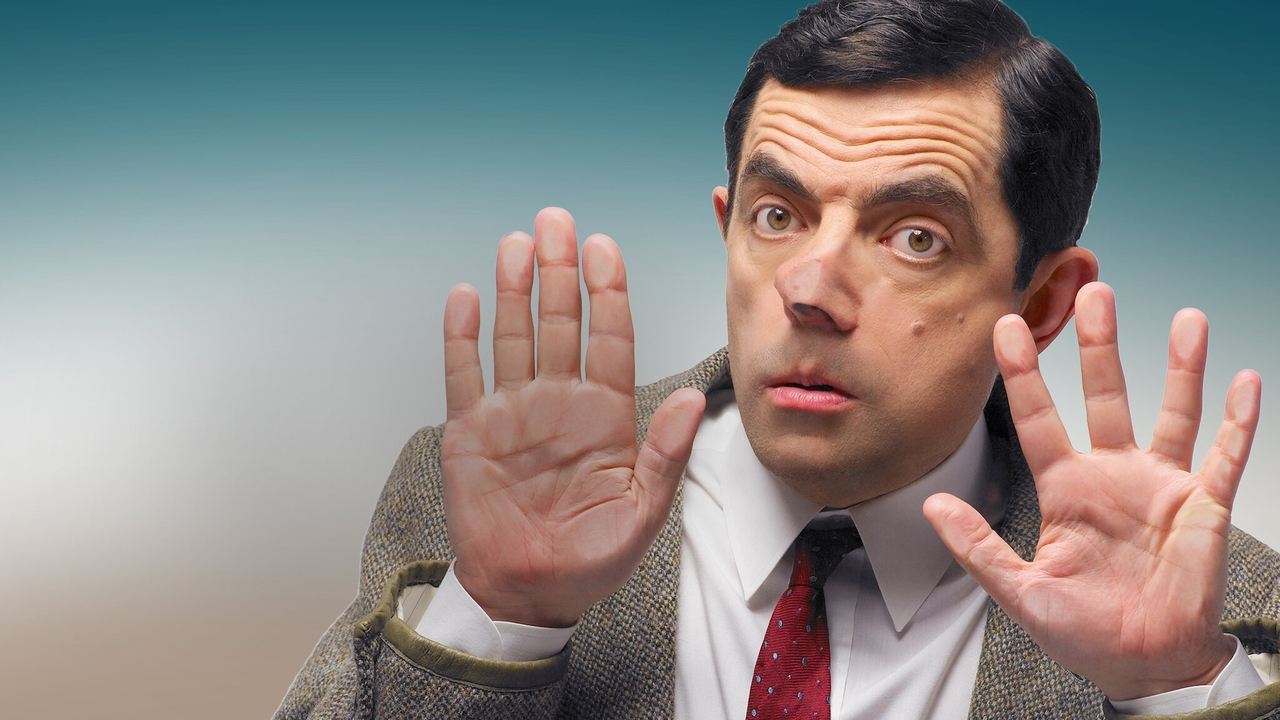
I’ve always felt that Rowan Atkinson’s greatest trick wasn't just the rubber face; it was his ability to make us sympathize with a character who is, by all objective measures, a chaotic-neutral menace. In Mr. Bean’s Holiday, we see a shift from the 1997 film Bean, which tried too hard to fit the character into a standard Hollywood sitcom structure. Here, director Steve Bendelack strips away the dialogue and lets the physical geometry of the gag do the heavy lifting. I watched this while recovering from a wisdom tooth extraction, and laughing so hard I nearly popped a stitch is a ringing endorsement if I’ve ever heard one.
The Tati Influence in a Digital Age
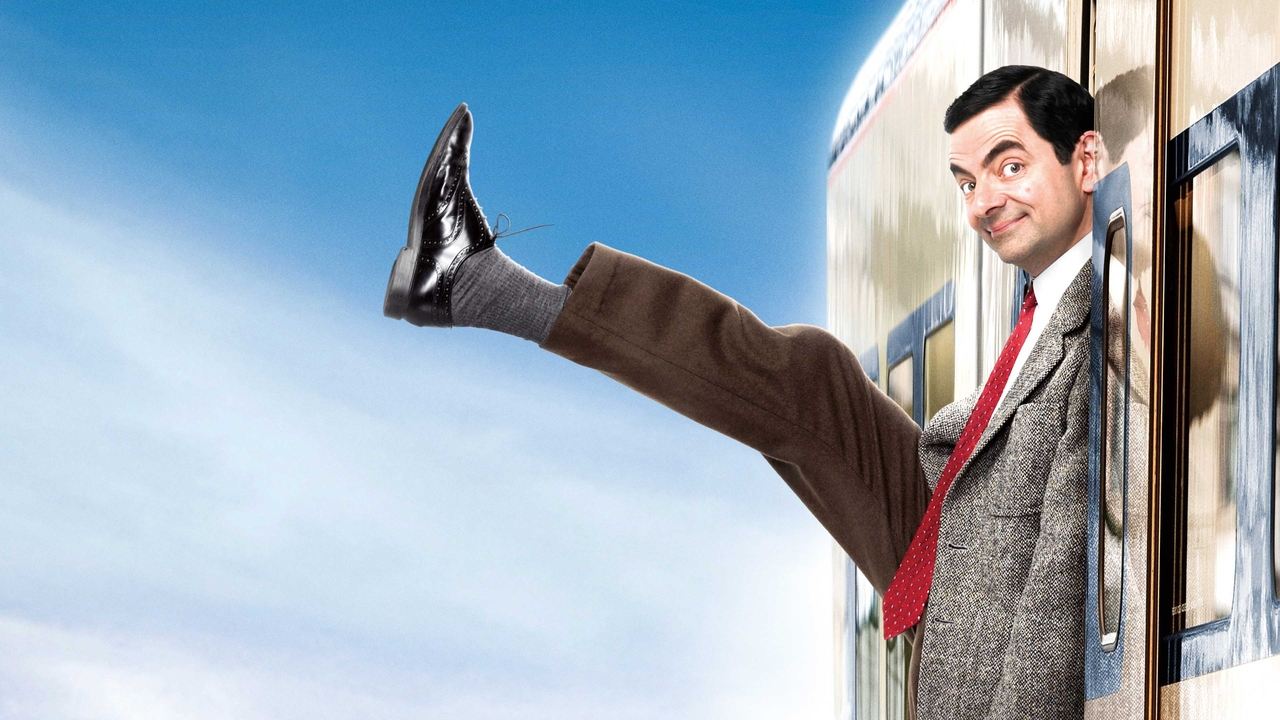
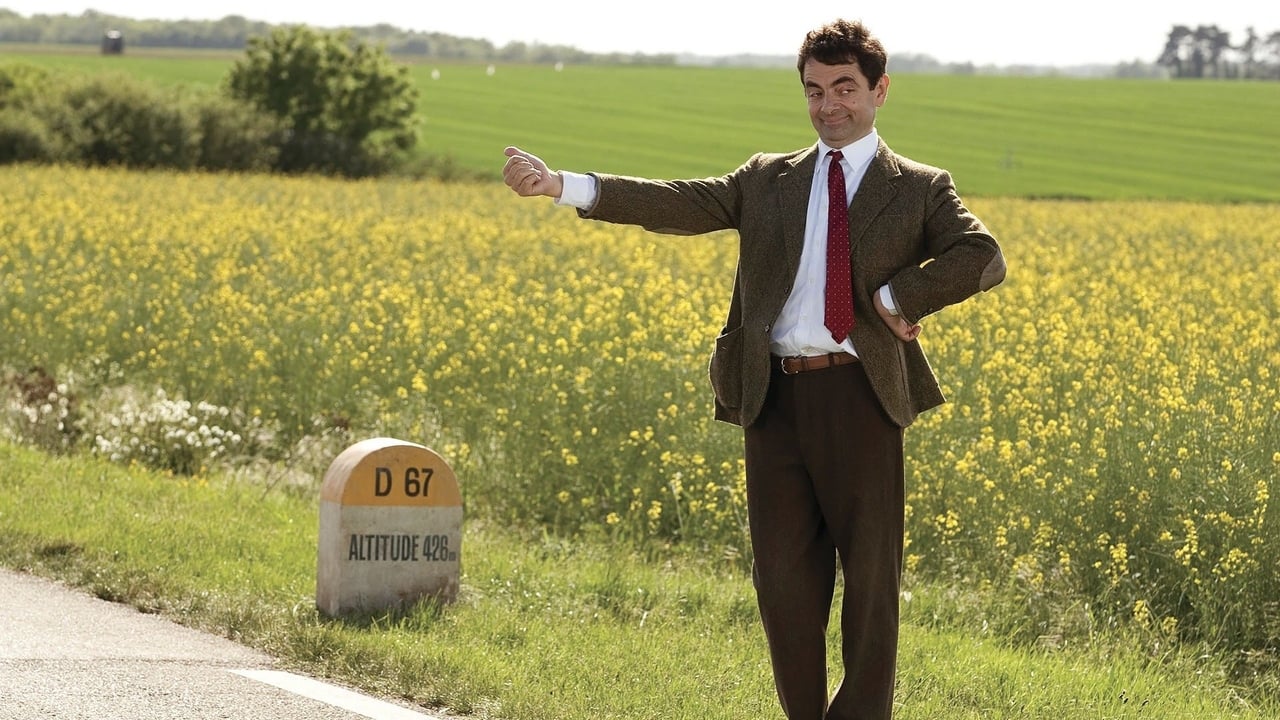
While the mid-2000s were busy figuring out how to make CGI look less like plastic, Rowan Atkinson was looking backward to the era of Jacques Tati and Charlie Chaplin. The film is essentially a series of vignettes tied together by the loose thread of Bean trying to reach the beach. From the legendary "O Mio Babbino Caro" busking scene to the agonizingly slow-burn disaster of the seafood dinner, the timing is surgical.
The seafood sequence remains a highlight for me. Watching Bean attempt to dispose of unwanted oysters in a lady’s handbag is a masterclass in tension. It’s a comedy of manners where only one person has no manners at all. Rowan Atkinson treats his body like a malfunctioning accordion, and it’s a joy to see a performer so committed to the bit that he’ll swallow a whole langoustine, shell and all, just for the sake of a silent punchline. If you don't find a man eating a whole langoustine, shell and all, funny, then we simply cannot be friends.
Pretension Meets the Polka
The second half of the film moves into a clever satire of the film industry itself. As Bean accidentally kidnaps a young boy, Stepan (Maxim Baldry), and teams up with an aspiring actress, Sabine (Emma de Caunes), they eventually crash the Cannes Film Festival. This is where we meet Willem Dafoe as Carson Clay, a pretentious American auteur screening a soul-crushingly boring film titled Playback Time.
Willem Dafoe is a revelation here. He’s clearly having a blast playing a man who thinks his own narcissistic navel-gazing is "pure cinema." When Bean’s handheld vacation footage—mostly shots of him smiling at the camera or filming a sleeping Sabine—gets spliced into Clay's masterpiece, the result is surprisingly poignant. It’s a meta-commentary on what we value in movies: do we want the cold, sterile "art" of a Carson Clay, or the messy, joyful, amateurish reality of a man on holiday? In 2007, as digital cameras like the one Bean carries were becoming ubiquitous, this felt like a very timely nod to the democratization of filmmaking.
A Box Office Juggernaut
Looking back at the financial footprint of Mr. Bean’s Holiday, the numbers are staggering. On a modest budget of $25 million, it pulled in over $232 million worldwide. In an era where the MCU was just a twinkle in Kevin Feige's eye and Pirates of the Caribbean: At World's End was dominating the charts, a nearly silent British comedy about a man losing his tie in a vending machine managed to conquer the globe.
Part of that success was the global language of the character. Because Bean barely speaks, there was no "lost in translation" factor. The production actually filmed during the 60th Cannes Film Festival, adding a layer of authentic, chaotic energy to the final act. Interestingly, Rowan Atkinson used this film as a platform to announce his (temporary) retirement from the character, wanting to leave on a high note before Bean's physical comedy became too taxing. The film also served as an early showcase for Maxim Baldry, who went from being the kid on the train to a lead in The Lord of the Rings: The Rings of Power—talk about a career trajectory!
Ultimately, Mr. Bean’s Holiday works because it’s a vacation for the audience as much as the character. It captures that mid-2000s transition where the world was getting faster and more connected, yet a man with a suitcase and a single-minded desire for the beach could still disrupt an entire country. It’s colorful, harmless, and technically brilliant in its simplicity. While some of the episodic transitions feel a bit like a "best of" compilation, the heart of the film is in exactly the right place. It’s a reminder that sometimes, the best way to see the world is through a slightly distorted lens.
Keep Exploring...
-
Bean
1997
-
Johnny English Reborn
2011
-
Johnny English
2003
-
Spy Kids 2: The Island of Lost Dreams
2002
-
Freaky Friday
2003
-

The SpongeBob SquarePants Movie
2004
-
Hoodwinked!
2005
-
Nanny McPhee
2005
-

Wallace & Gromit: The Curse of the Were-Rabbit
2005
-

Arthur Christmas
2011
-
The Muppets
2011
-

Ice Age
2002
-
Shark Tale
2004
-
Shrek 2
2004
-
Charlie and the Chocolate Factory
2005
-

Madagascar
2005
-
Robots
2005
-
Cars
2006
-
Happy Feet
2006
-

Ice Age: The Meltdown
2006