Mr. Magorium's Wonder Emporium
"Magic is real, but change is mandatory."

There is a specific flavor of mid-2000s whimsy that feels like it was grown in a lab using nothing but primary colors and a very expensive "quirky" filter. Watching Mr. Magorium’s Wonder Emporium today feels like stumbling upon a time capsule from 2007—a year when we were still collectively trying to figure out if digital effects should look like cartoons or like real life. I revisited this one on a rainy Tuesday while nursing a cup of lukewarm peppermint tea that had a single, lonely marshmallow floating in it, and honestly, that’s exactly the energy this movie provides: sweet, slightly diluted, and undeniably cozy.
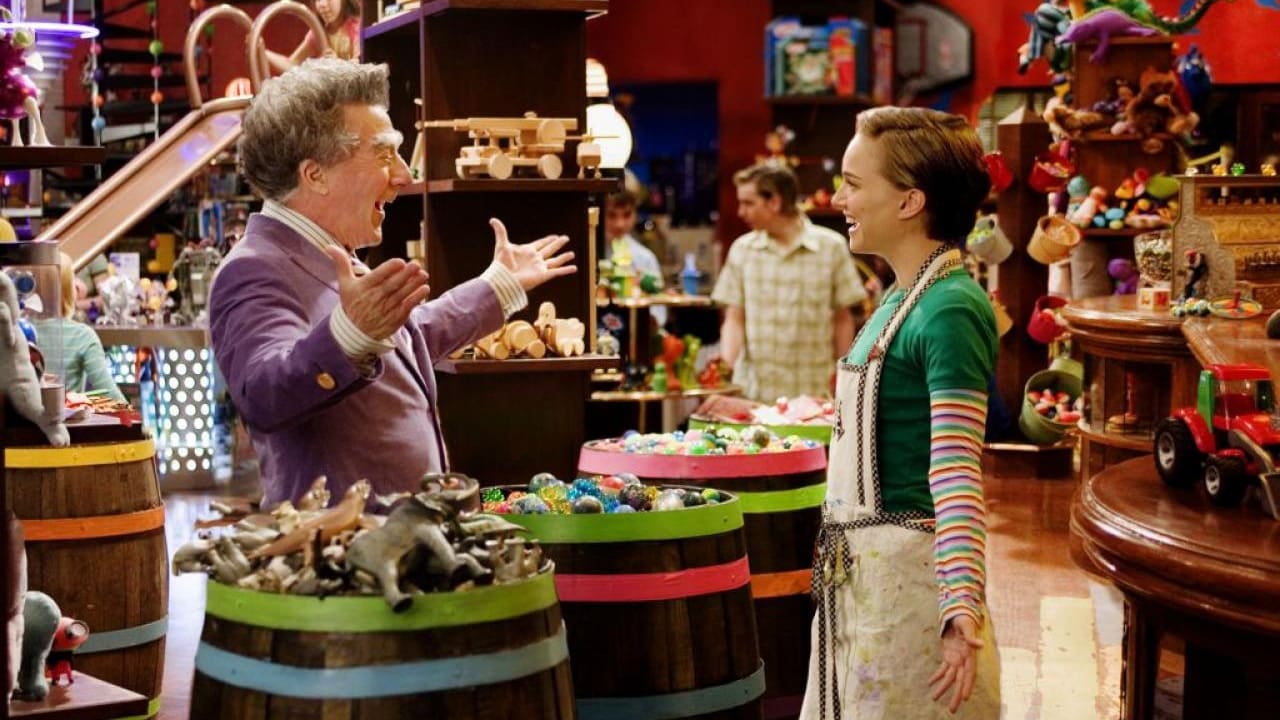
When it first hit theaters, the film was positioned as the next Willy Wonka, but it lacked the mean streak that made Dahl’s world delicious. Instead, writer-director Zach Helm (fresh off the brilliant Stranger than Fiction) gave us something far more earnest and, strangely, much more somber. It’s a movie about a magical toy store, sure, but it’s also a movie about the anxiety of legacy and the inevitability of death. That’s a heavy lift for a flick where a giant stuffed walrus gets a prominent supporting role.
The Accountant and the Aviator
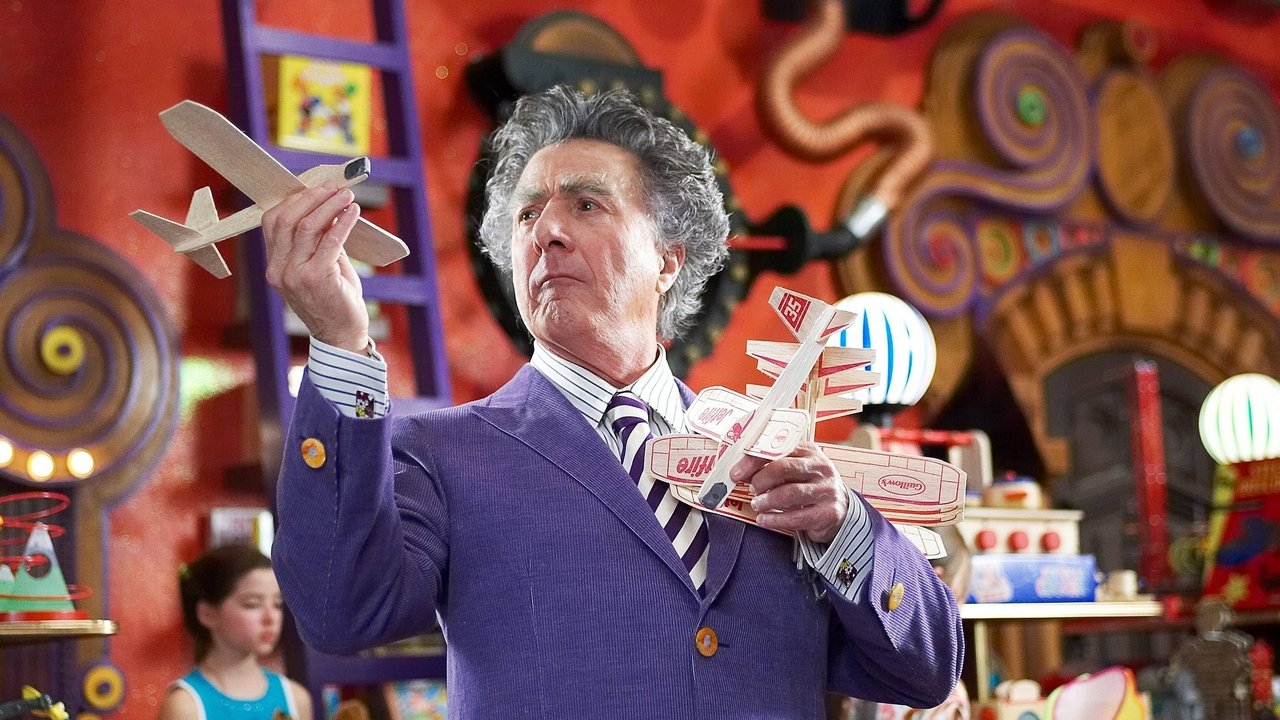
The film’s greatest asset isn’t the CGI toys; it’s the trio of performances that anchor the madness. Dustin Hoffman plays Edward Magorium with a lisp and a sense of detachment that makes him feel less like a human and more like a sentient pile of confetti. He’s 243 years old and ready to "leave," which is a very gentle way for the movie to say he’s dying. It’s a performance that could have easily veered into "arrest me for overacting" territory, but Hoffman keeps it grounded in a weird, grandfatherly warmth.
Opposite him is Natalie Portman as Molly Mahoney, the store manager suffering from a chronic case of "I was a child prodigy and now I’m stuck." This was right in the middle of Portman’s "pixie" era, and while her character’s insecurity feels a bit scripted, she sells the wonder of the shop. However, the real MVP is Jason Bateman as Henry the Accountant—or "the Mutant," as Magorium calls him. Jason Bateman does that dry, deadpan "straight man" routine better than anyone in the business. His refusal to believe in the magic of the store provides the film’s best comedic friction. Every time a toy does something impossible, Bateman’s skeptical squint reminds us that the world is, indeed, very weird.
A Masterclass in Tactile Whimsy

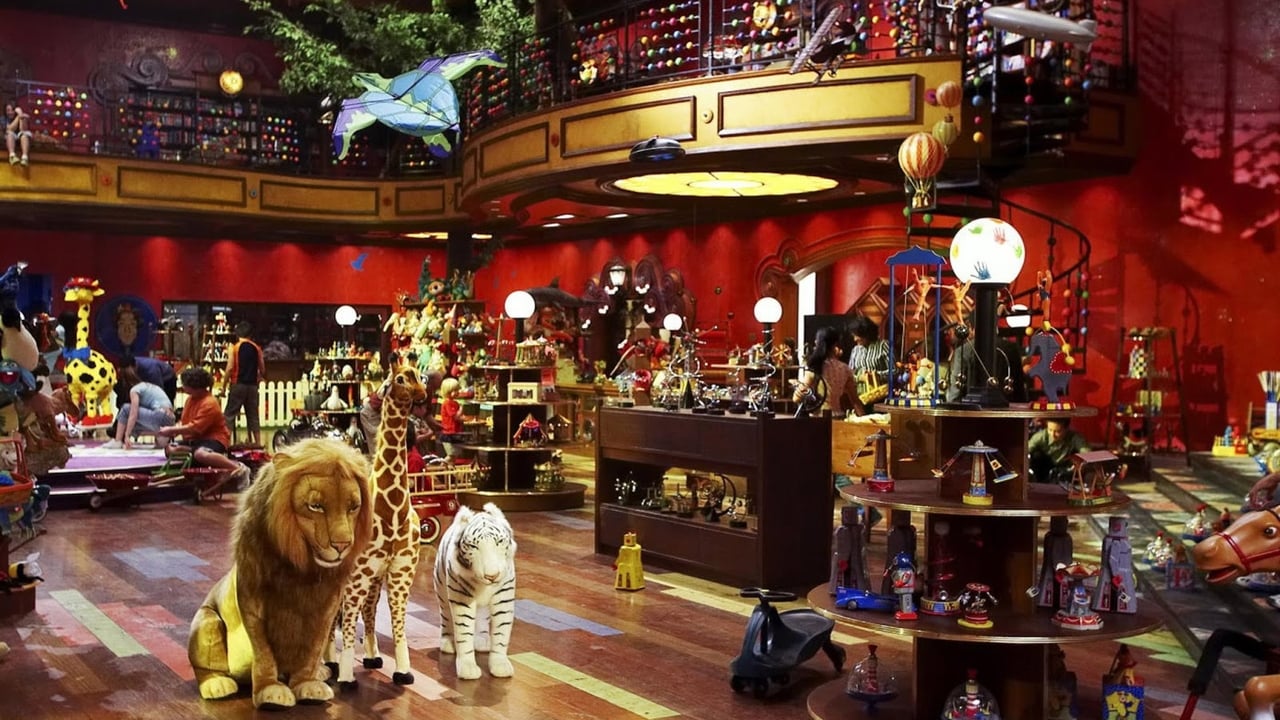
What strikes me looking back is the production design. We were right in that transition period where CGI was becoming the default, but Zach Helm insisted on building a massive, two-story functional toy store in a Toronto film studio. There’s a tactile weight to the Emporium that you just don't get in modern, green-screen-heavy family films. The store itself is a character; when Magorium announces his departure, the shop literally throws a temper tantrum, turning gray and gloomy.
The comedy here is gentle—think less "slapstick" and more "amused observation." The humor stems from the absurdity of the mundane meeting the magical. I particularly loved the running gag involving Zach Mills as Eric, the lonely hat-collector who struggles to make friends. His attempts to bond with Jason Bateman’s buttoned-up accountant through "hat-swapping" are genuinely funny and provide a much-needed emotional core. It’s the kind of character-driven humor that ages much better than the era's CGI-based sight gags.
Why Did the Magic Fade?
So, why has this movie largely vanished from the cultural conversation? It’s a "tweener." It was too philosophical and slow-paced for the kids who wanted Night at the Museum style mayhem, and a bit too saccharine for the adults who enjoyed the sharper wit of the 90s indie boom. Released just weeks after the first Enchanted, it got somewhat buried by Disney’s more polished take on the "magic in the real world" trope.
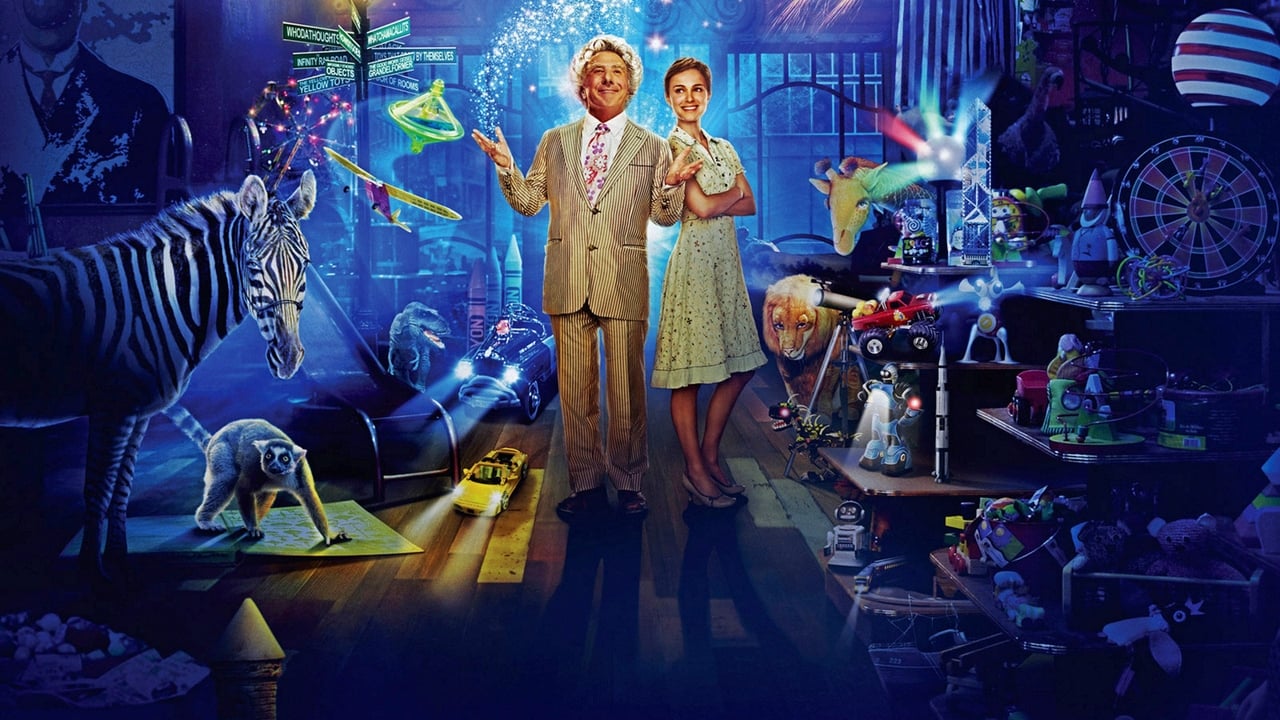
Looking at it now, the film feels like a beautiful "what-if." It represents a moment when studios were still willing to put $65 million into an original, non-franchise fantasy that didn't involve a chosen one saving the world from a dark lord. It’s just a movie about a girl finding her "spark" and an old man saying goodbye. The ending is surprisingly emotional for a film that features a sequence about a magical bouncy ball, and it’s that sincerity that makes it worth a re-discovery.
Mr. Magorium’s Wonder Emporium is a charming, if slightly uneven, slice of mid-2000s imagination. It doesn't quite reach the heights of the classics it aspires to mimic, but it’s far more thoughtful than the "toy commercial" it was accused of being upon release. If you’re looking for a low-stakes Sunday afternoon watch that won’t insult your intelligence and might actually make you feel a little misty-eyed about a wooden cube, this is your stop. It’s a reminder that even if the magic is temporary, the impression it leaves is worth the price of admission.
Keep Exploring...
-
The Santa Clause 2
2002
-

The Ant Bully
2006
-
Shrek the Halls
2007
-
Hook
1991
-

Ella Enchanted
2004
-

Aquamarine
2006
-
Nim's Island
2008
-

Aliens in the Attic
2009
-
A Monster in Paris
2011
-

The Odd Life of Timothy Green
2012
-

The Kid
2000
-

The Boxtrolls
2014
-

DuckTales: The Movie - Treasure of the Lost Lamp
1990
-

The Swan Princess
1994
-

Sinbad: Legend of the Seven Seas
2003
-
The Haunted Mansion
2003
-
Charlie and the Chocolate Factory
2005
-
Monster House
2006
-

Night at the Museum
2006
-

Evan Almighty
2007