Naruto Shippuden the Movie
"Destiny is a lie, but the orange jumpsuit is forever."
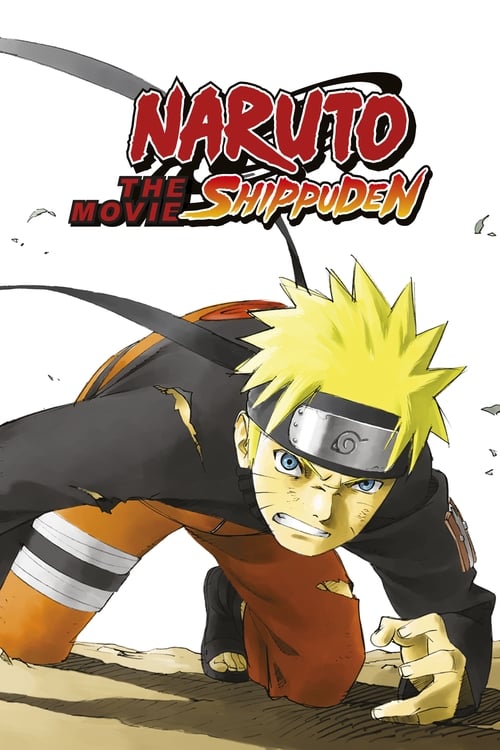
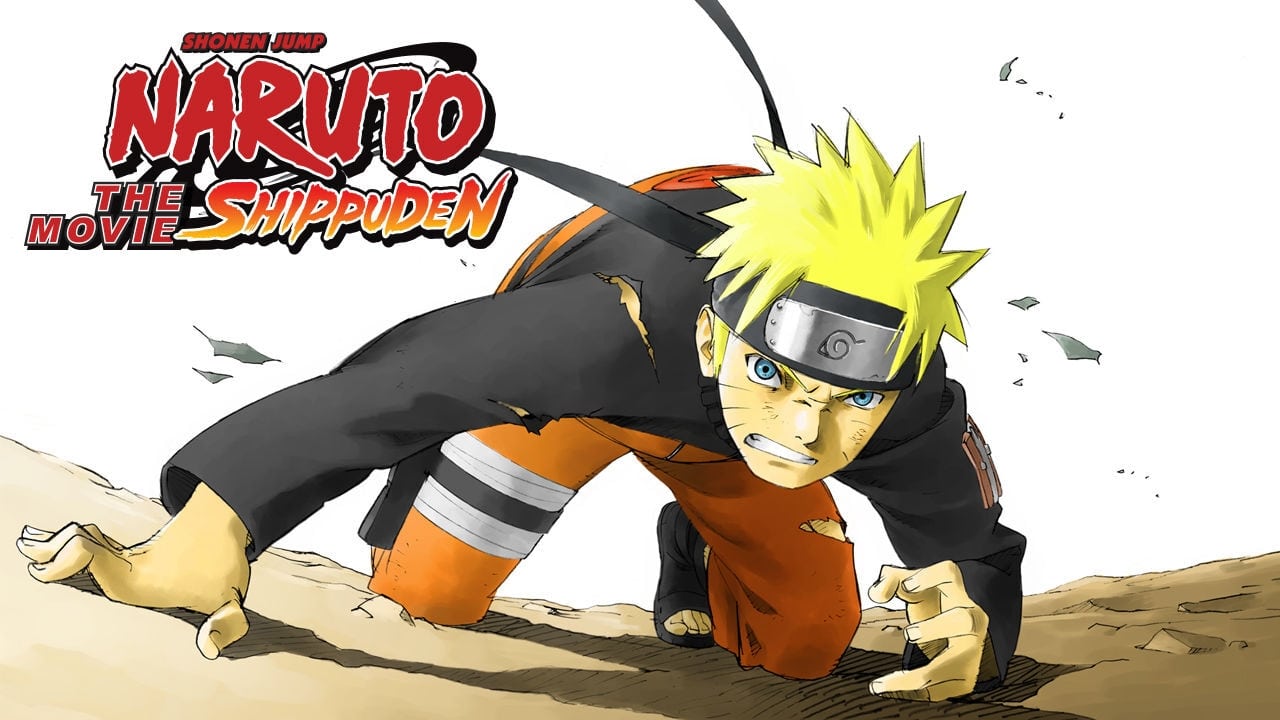
I remember the absolute panic in the anime community back in 2007 when the first teaser for this film dropped. It started with a funeral. Not just any funeral, but a stone-cold burial for Naruto Uzumaki himself, complete with a weeping Chie Nakamura (voicing Sakura) and a somber, grey-skied atmosphere. We were all still reeling from the "timeskip" that turned our favorite knucklehead ninja into a lanky teenager, and here was Studio Pierrot telling us he was already headed for the morgue. Of course, looking back, it was a masterful bit of "filler-movie" marketing, but at the time, it felt like the world was ending.
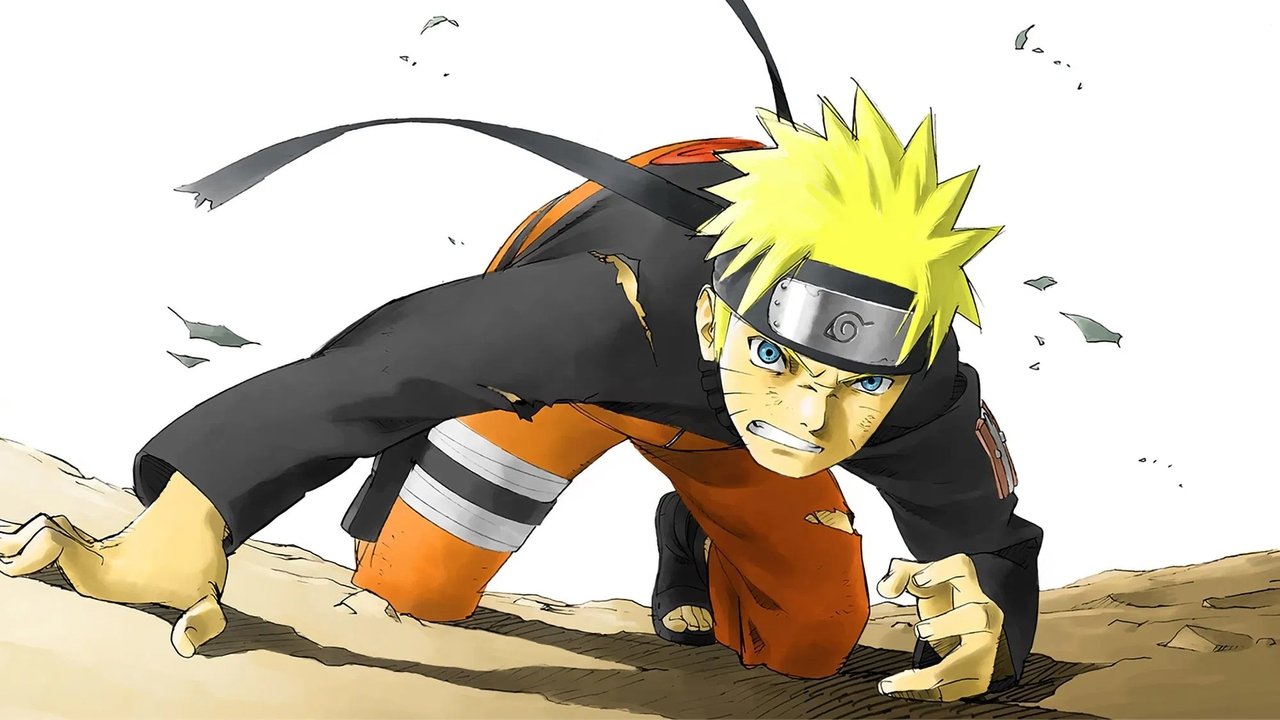
I recently revisited Naruto Shippuden the Movie on a grainy DVD I found at a thrift store, and the nostalgia hit me like a Rasengan to the gut. I watched it while eating a bowl of instant ramen that was arguably 60% sodium and 40% regret, and honestly, the saltiness of the noodles perfectly complemented the melodrama on screen. It’s a film that exists in that weird 2007 bubble: the animation is starting to embrace digital polish, but it still has that chunky, hand-drawn soul that defined the early Shippuden era.
The Girl Who Cried Grave
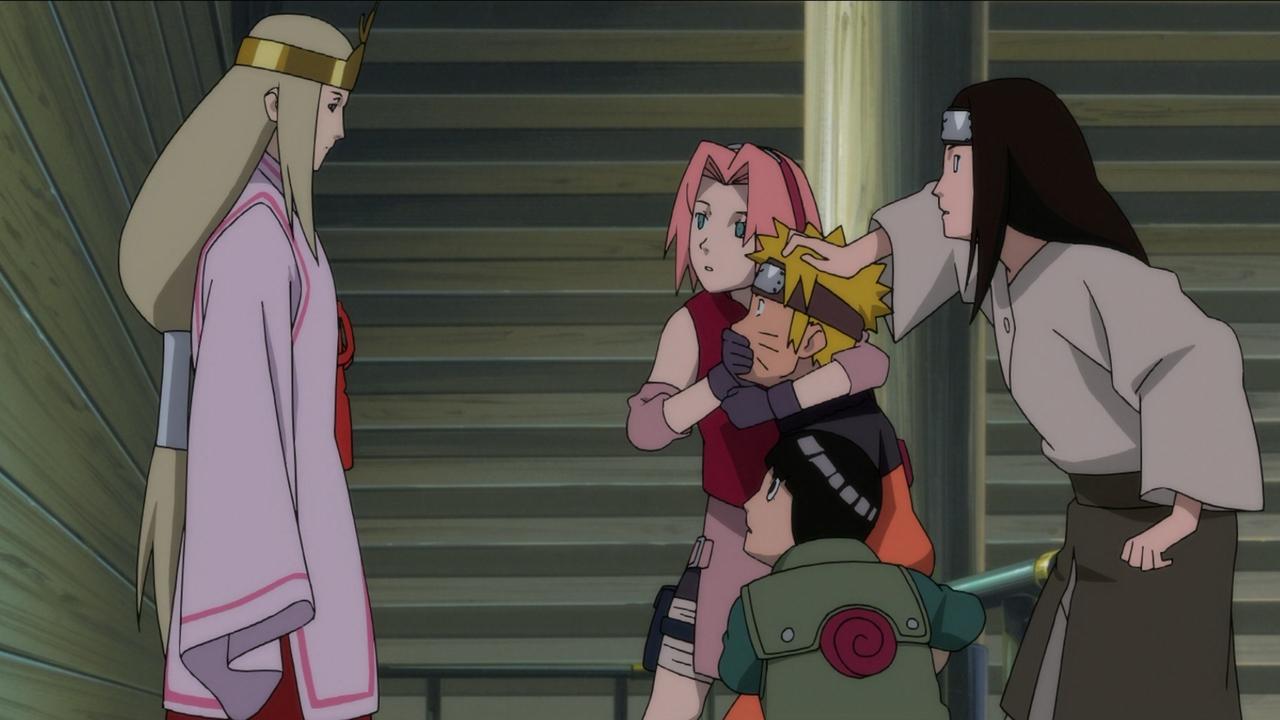
The plot is classic anime movie fodder: a priestess named Ayumi Fujimura (Shion) has the power to seal away an ancient demon and, more importantly, predict the exact moment of someone's death. She looks at Naruto and sees him getting impaled by a giant purple tentacle. Naturally, Naruto’s response is to scream about how he’s going to become Hokage and that destiny can shove it.
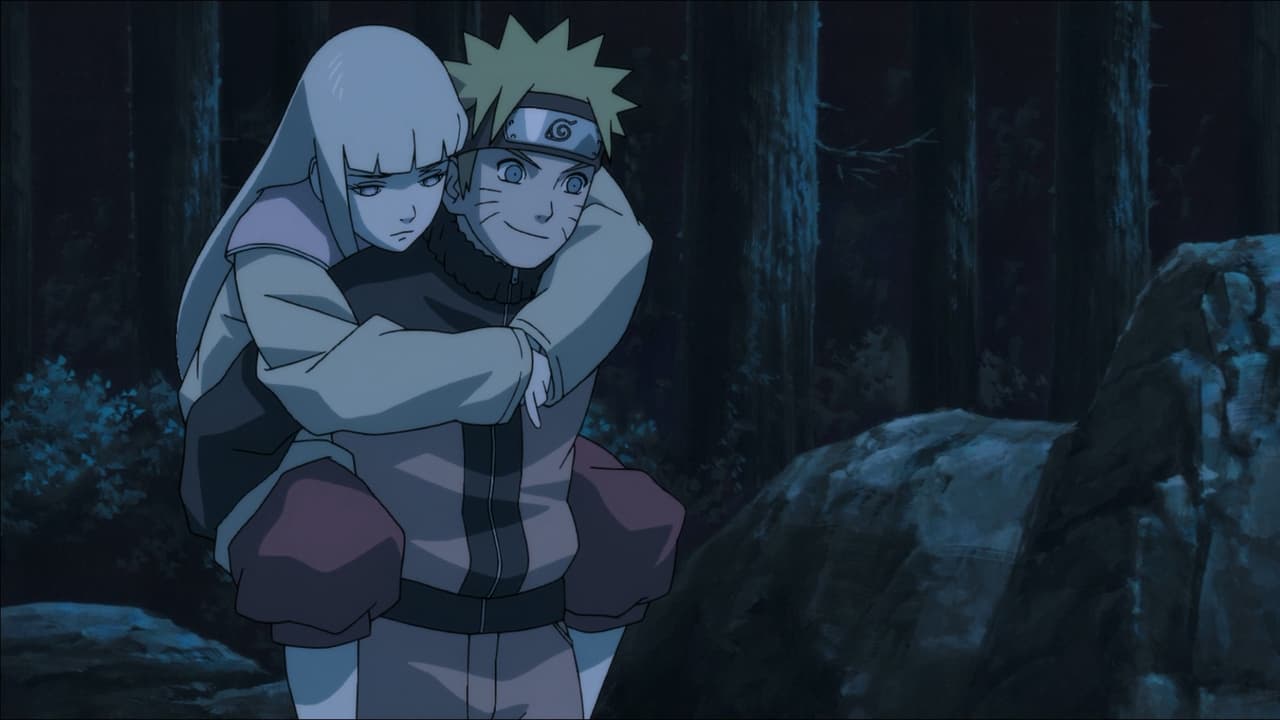
Ayumi Fujimura brings a prickly, borderline-obnoxious energy to Shion that I actually appreciate. She isn't a damsel waiting to be saved; she's a traumatized girl who has accepted her own demise and resents anyone trying to change the script. Watching Junko Takeuchi—whose gravelly, energetic performance as Naruto is the heartbeat of this entire franchise—clash with Shion’s cynicism is where the movie finds its footing. It’s the classic "unstoppable force meets an immovable prophecy" trope, and while we know Naruto isn't actually going to kick the bucket, the film does a decent job of making the stakes feel heavy.
Terracotta Takedowns and Digital Transitions
Action-wise, director Hajime Kamegaki (who did great work on Lupin III) leans heavily into the scale that a theatrical budget allows. The standout sequence involves a literal army of stone terracotta warriors. This is where you can see the 2007 "CGI Revolution" in full swing. Pierrot was clearly experimenting with 3D models to handle the hundreds of soldiers, and while it looked cutting-edge on a small CRT television back then, it’s a bit jarring today. The stone soldiers move with a stiff, uncanny rhythm that almost makes them feel more demonic, though the CGI army occasionally looks like it wandered out of a mid-tier PlayStation 2 cutscene.
The hand-to-hand choreography, however, remains top-tier. When Neji (Koichi Tochika) and Rock Lee (Yōichi Masukawa) get their moments to shine, the film reminds you why the Naruto franchise dominated the 2000s. There’s a weight to the movement here—a sense of physical impact that sometimes gets lost in the later, more "magical laser beam" era of the series. The sound design also deserves a shout-out; every time a stone soldier crumbles, the audio has a satisfying, crunching resonance that makes the destruction feel tactile.
A Time Capsule of the Big Three Era
This movie is a fascinating relic of a time before the Marvel Cinematic Universe perfected the "interconnected franchise" formula. In 2007, anime movies were allowed to be these weird, self-contained bubbles that didn't really affect the main plot but gave you a higher-quality dose of the characters you loved. It captures the post-9/11 anxiety of the era—themes of unavoidable disaster and the struggle to protect a fragile peace—but wraps it in a bright orange jumpsuit.
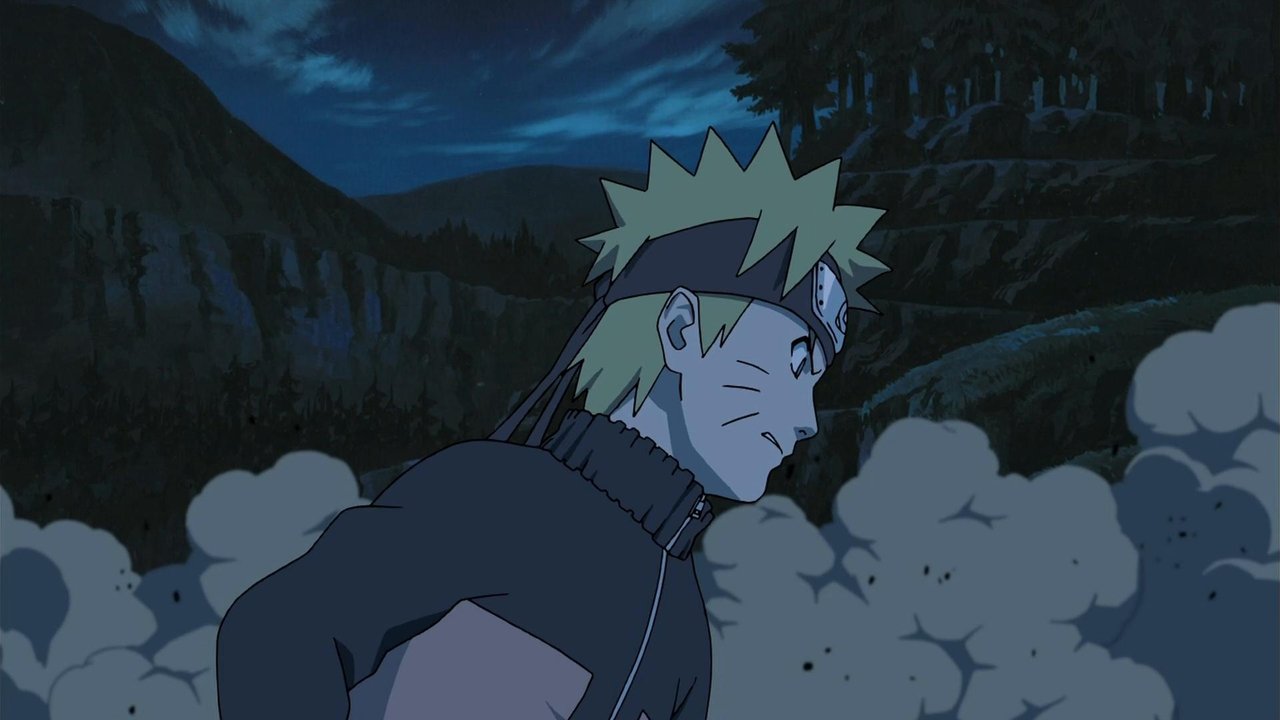
One of the cooler behind-the-scenes bits is that screenwriter Junki Takegami had to write this while the manga was in the middle of a massive arc. He had to ensure Naruto used his new "Wind Style" powers just enough to satisfy fans, without revealing anything that hadn't happened in the show yet. It’s a delicate tightrope walk that results in a plot that is essentially a ‘Greatest Hits’ of anime movie tropes held together by sheer willpower.
Ultimately, Naruto Shippuden the Movie is a comfortable, high-octane hug for anyone who grew up during the "Big Three" era of Shonen Jump. It’s got the soaring Tak Yasuharu score, the requisite "Naruto teaches a royal person how to have feelings" subplot, and enough explosions to justify the price of admission. It’s not going to redefine cinema, but it’s a vivid reminder of why we all used to run through the hallways with our arms behind our backs.
The film ends exactly where you think it will, but the journey there is paved with enough genuine heart and solid animation to make it worth the 94 minutes. It’s the kind of movie that makes me miss the days when my biggest worry was whether a fictional ninja was going to survive a prophecy. If you can track down a copy—or find it buried in a streaming library—it’s a fun, nostalgic trip back to when the Shippuden legend was just beginning to find its feet.
Keep Exploring...
-
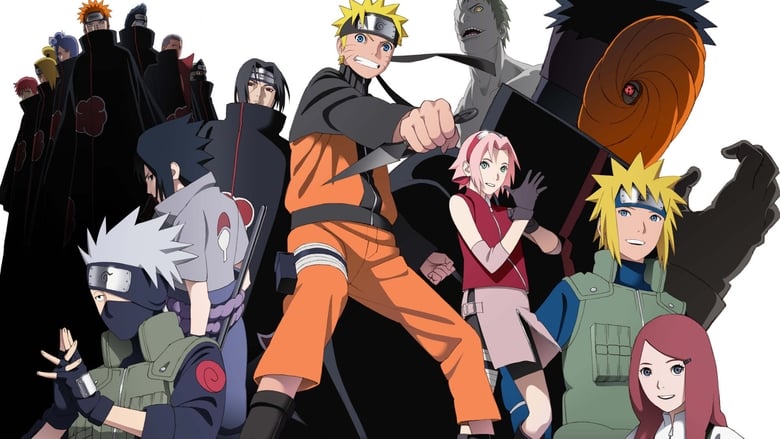
Road to Ninja: Naruto the Movie
2012
-
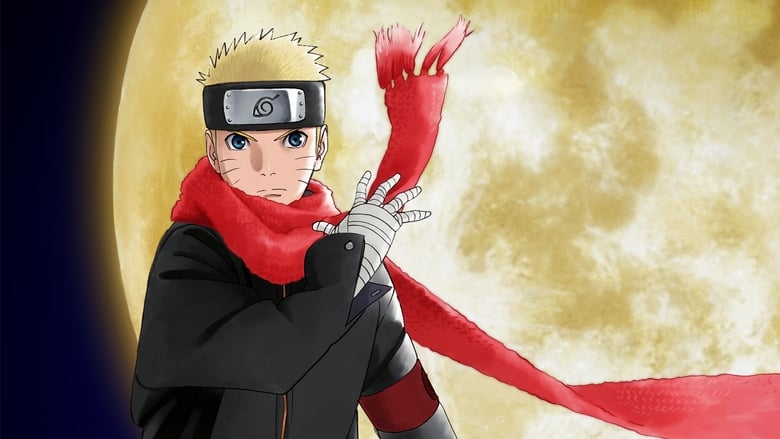
The Last: Naruto the Movie
2014
-
Boruto: Naruto the Movie
2015
-
Final Fantasy VII: Advent Children
2005
-
Justice League: Doom
2012
-
Justice League: The Flashpoint Paradox
2013
-

Sinbad: Legend of the Seven Seas
2003
-

Puss in Boots
2011
-
Brave
2012
-
Rise of the Guardians
2012
-
Tales from Earthsea
2006
-

Evangelion: 1.0 You Are (Not) Alone
2007
-
Resident Evil: Degeneration
2008
-

Evangelion: 3.0 You Can (Not) Redo
2012
-
Resident Evil: Damnation
2012
-
Rurouni Kenshin Part I: Origins
2012
-
Pokémon: The First Movie
1998
-
Cinderella III: A Twist in Time
2007
-
The Forbidden Kingdom
2008
-
Tinker Bell
2008