No Country for Old Men
"Fate is a coin toss in a blood-soaked desert."
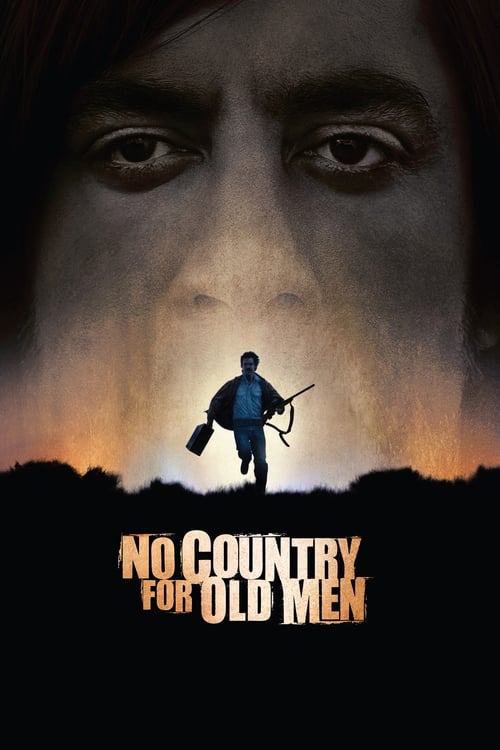
The most unnerving thing about the first time I saw No Country for Old Men wasn't the violence, though there’s plenty of that to go around. It was the silence. In a decade where blockbusters were starting to lean heavily into the "more is more" philosophy of Hans Zimmer-style walls of sound, the Coen brothers handed us a two-hour thriller that felt like it was holding its breath. I actually watched this for the first time on a laptop in a humid dorm room while my neighbor was loudly microwaving burnt popcorn, and even that couldn't break the tension.
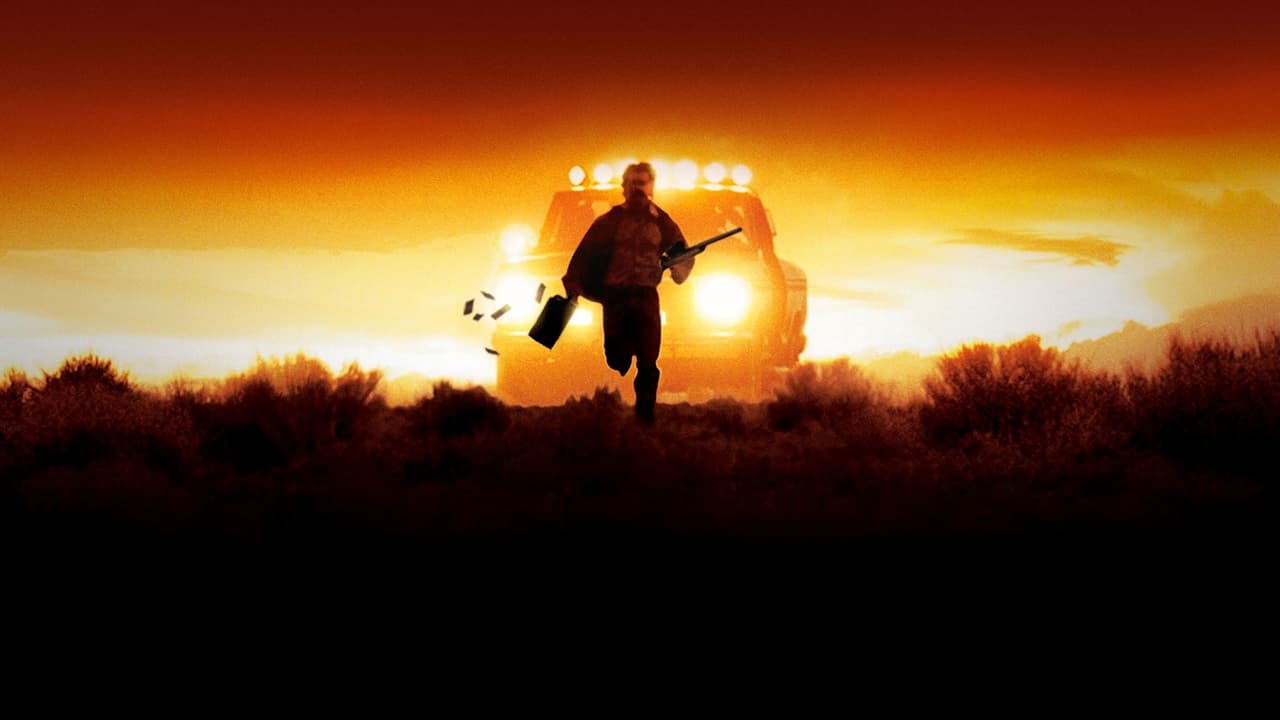
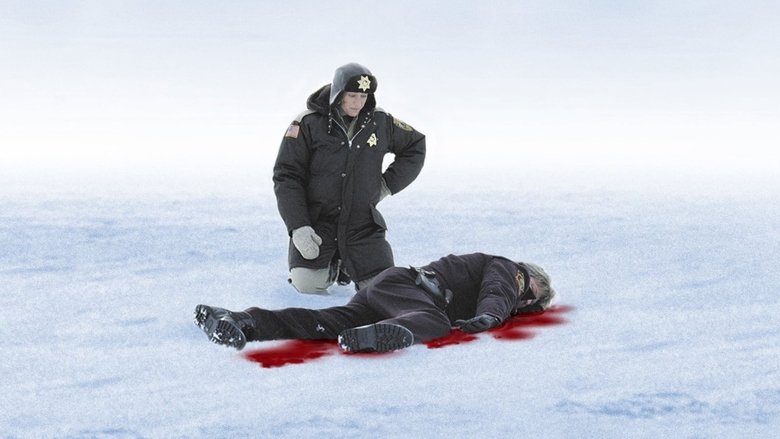
By 2007, we knew Ethan Coen and Joel Coen as the kings of quirky Americana and sharp-tongued wit. They gave us the bumbling kidnappers of Fargo and the "Dude" in The Big Lebowski. But with this adaptation of Cormac McCarthy’s novel, they pivoted into something bone-dry and unforgiving. It’s a film that arrived at the tail end of the DVD’s golden age, right as we were transitioning into the digital era, and it stands as a monument to what can be achieved when you stop trying to entertain the audience and start trying to haunt them.
An Unstoppable Force Meets a Very Tired Object
The setup is classic Western noir: Josh Brolin plays Llewelyn Moss, a welder who finds a drug deal gone wrong in the Texas desert. He finds the bodies, the heroin, and—most importantly—a satchel containing $2 million. Moss isn't a bad guy, but he’s arrogant enough to think he can outrun the consequences of taking that money. Josh Brolin plays him with a rugged, quiet confidence that makes you root for him, even as you realize he’s way out of his depth.
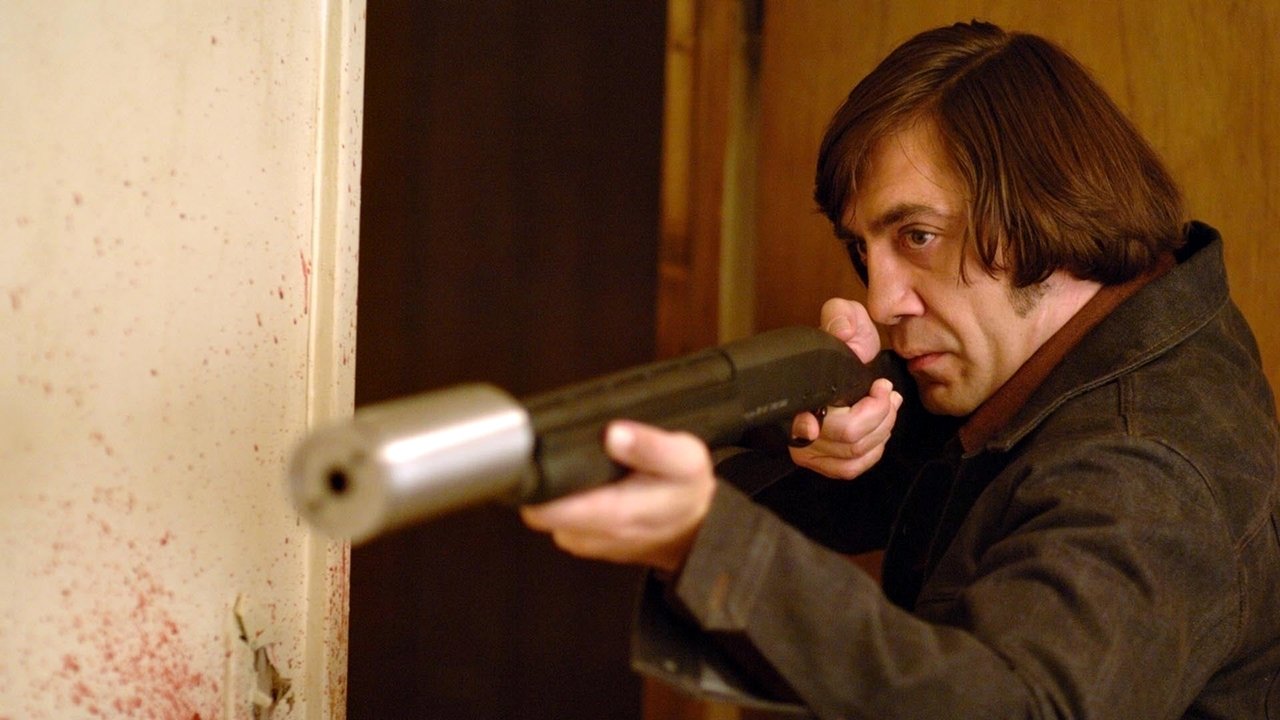
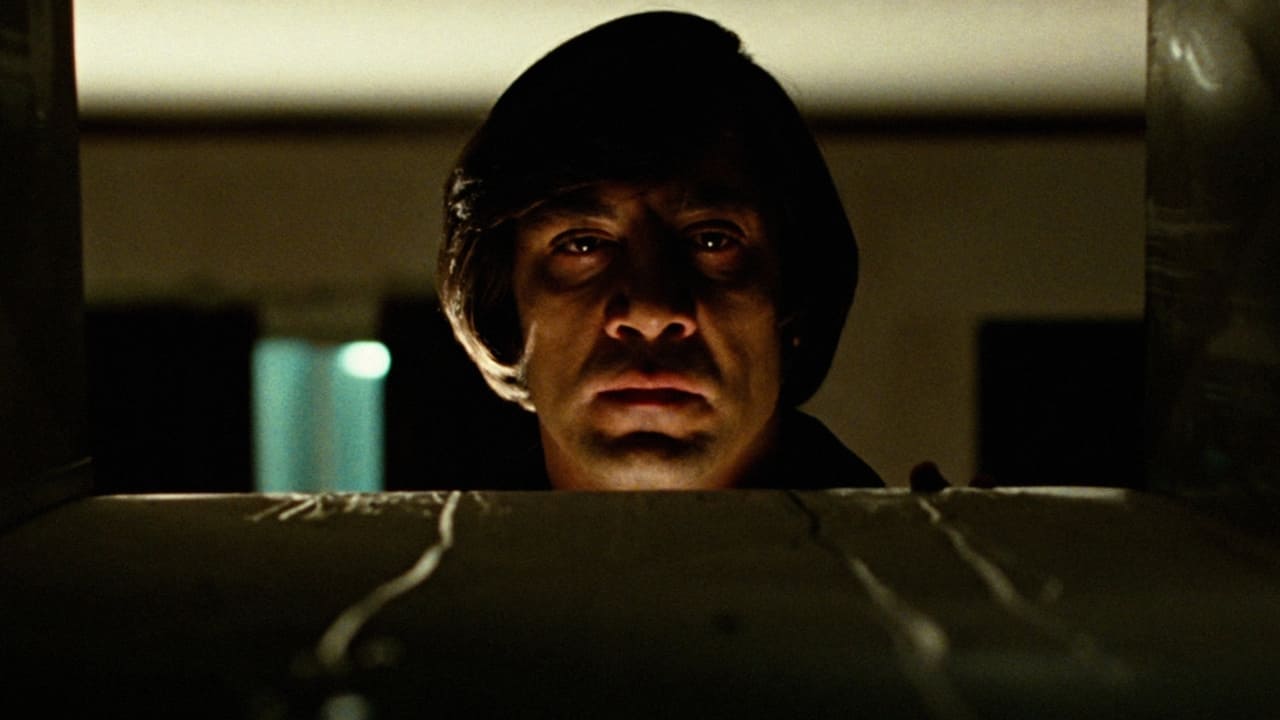
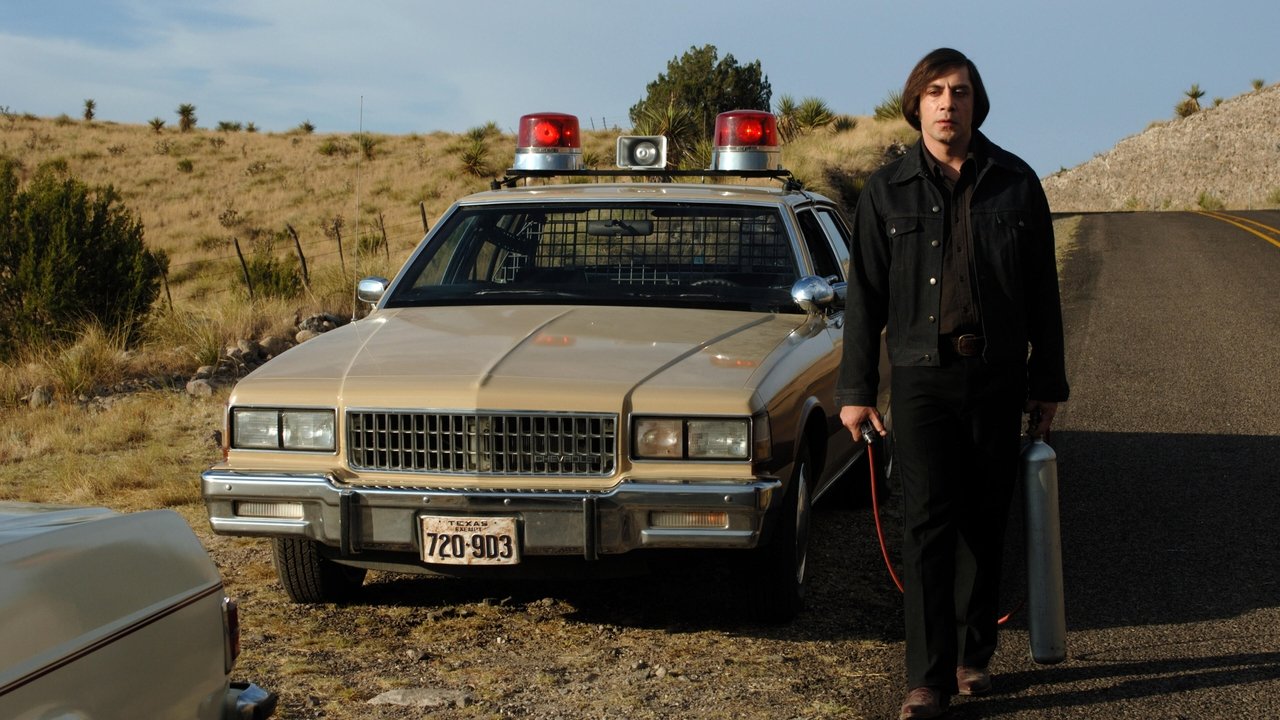
Enter Anton Chigurh. If you haven't seen the film, you’ve likely seen the memes of Javier Bardem's haircut—a terrifying, velvet-smooth bowl cut that looks like it belongs on a Victorian doll. Apparently, when Javier Bardem first saw himself in the mirror with that hair, he told the Coens, "I'm not going to get laid for two months." It’s an iconic look for a character who isn't really a man, but an elemental force of chaos. He carries a captive bolt pistol—the kind used to slaughter cattle—and moves through the world with a terrifying, logical consistency. He doesn't kill for fun; he kills because the coin says so, or because you’re in the way of his objective.
The middle of the film is a masterclass in "the hunt." There are no soaring orchestral swells here. Carter Burwell, the Coens’ long-time composer, provided only about 16 minutes of music for the entire 122-minute runtime. Most of that is just low-frequency drones that blend into the wind. This lack of a score forces you to focus on the sound of a key turning in a lock or the crinkle of a candy wrapper. It makes every footstep feel like a jump scare.
The Weight of a Changing World
While Moss and Chigurh are playing their deadly game of tag, Tommy Lee Jones sits on the sidelines as Sheriff Ed Tom Bell. This is the heart of the movie, though I didn't fully realize it when I was younger. Bell is the "Old Man" the title refers to, a lawman who realized the world has outgrown his understanding of morality. He’s looking for a motive in Chigurh’s path of destruction and finding none.
Tommy Lee Jones was born to play this role. He manages to look like he’s made of West Texas limestone, carrying a weariness that feels earned. His chemistry with his deputy, played by Garret Dillahunt, provides the only brief moments of levity in an otherwise suffocating narrative. There’s a scene where they’re investigating a crime scene and just marveling at the sheer absurdity of the violence, and it captures that post-9/11 anxiety that permeated mid-2000s cinema—the feeling that the rules have changed and nobody told us.
Interestingly, this movie was shot in Marfa, Texas, at the exact same time and in the same general area as Paul Thomas Anderson’s There Will Be Blood. There’s a bit of trivia I love: the Coens had to shut down production for a day because a massive cloud of black smoke from a pyrotechnic test on the There Will Be Blood set drifted into their shot. It’s wild to think two of the greatest films of the 21st century were literally competing for the same air.
A Legacy in the Dust
When No Country for Old Men hit theaters, it was a massive commercial hit, especially for a bleak, R-rated drama. It pulled in over $171 million against a $25 million budget and cleaned up at the Oscars. But its real impact was cultural. It proved that audiences didn't need a traditional hero’s journey or a neatly wrapped-up ending to be satisfied.
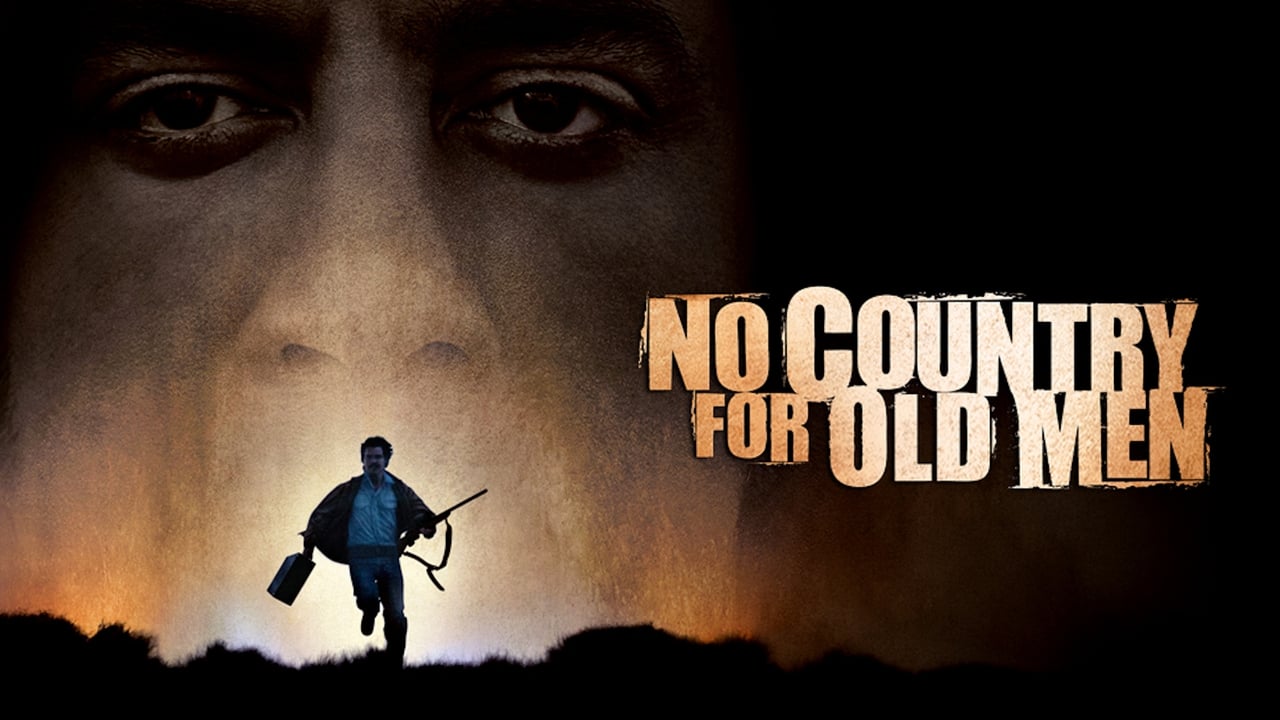
In fact, the ending is a massive middle finger to anyone expecting a Hollywood shootout. I remember the collective groan in the theater when the screen cut to black; half the audience thought the projector had broken. But looking back, it’s the only ending that makes sense. It’s not about the money or the chase; it’s about the dreams of an old man who realizes he can no longer protect the world from the monsters it creates.
The film's technical precision—helmed by the legendary cinematographer Roger Deakins—is staggering. Every shot of the desert feels vast yet claustrophobic. Whether it's Woody Harrelson bringing a brief flash of swagger as a rival hitman or Kelly Macdonald providing a grounded, heartbreaking performance as Moss’s wife, Carla Jean, every piece fits. It’s a film that asks you to sit with the darkness and offers no easy way out.
This isn't a movie you watch for a "fun" Friday night, but it’s one you can't look away from. It’s a perfect collision of source material, acting, and directorial restraint. Seventeen years later, Chigurh’s heavy breathing on the other end of a phone line still feels more threatening than any CGI monster the modern box office can conjure. If you haven't revisited this one lately, do yourself a favor: turn off the lights, put your phone in another room, and let the silence of West Texas swallow you whole. Just maybe skip the bowl cut.
Keep Exploring...
-

Miller's Crossing
1990
-
Fargo
1996
-
True Grit
2010
-
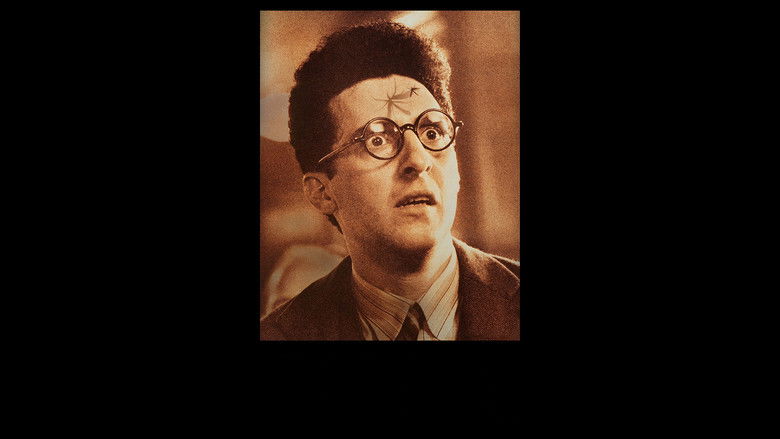
Barton Fink
1991
-
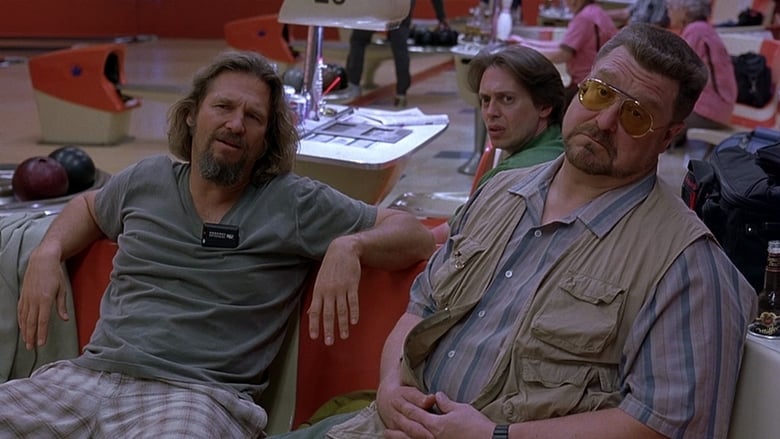
The Big Lebowski
1998
-
The Man Who Wasn't There
2001
-

Mystic River
2003
-

Kill Bill: Vol. 2
2004
-
Sin City
2005
-

Inside Man
2006
-
The Town
2010
-
Blood Simple
1985
-
Collateral
2004
-
The Girl with the Dragon Tattoo
2009
-
Fast Five
2011
-
Cape Fear
1991
-
A Perfect World
1993
-
Se7en
1995
-
A Time to Kill
1996
-
Primal Fear
1996