Norbit
"Three characters, one Murphy, and zero regrets."
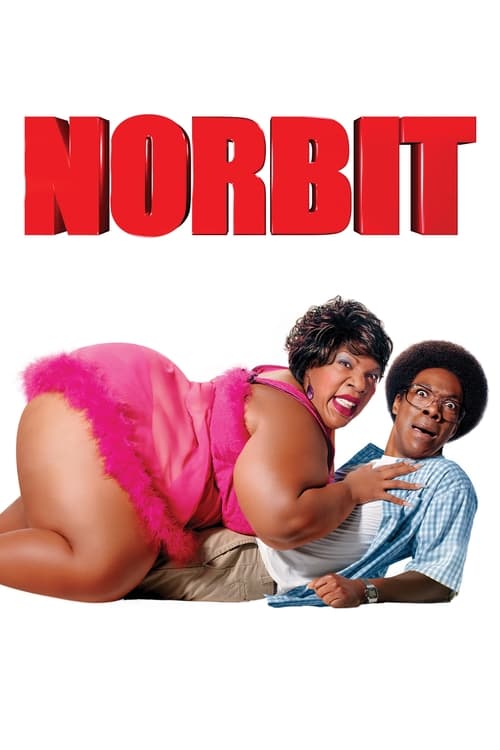
I distinctly remember the cultural climate of 2007. It was a year where Eddie Murphy was standing on the precipice of a massive career pivot. He was fresh off a Golden Globe win and an Oscar nomination for Dreamgirls, and for a brief, shining moment, the industry seemed ready to welcome him back as a prestige dramatic powerhouse. Then, like a literal wrecking ball, Norbit arrived. I watched this for the first time on a flight to Phoenix where the person behind me kept kicking my seat every time Rasputia appeared on screen, which felt like a 4D cinema experience I never asked for and certainly didn't enjoy. Yet, looking back at this movie through the lens of the late-2000s comedy boom, it’s a fascinating, loud, and undeniably successful relic of an era where "more is more" was the only rule in Hollywood.
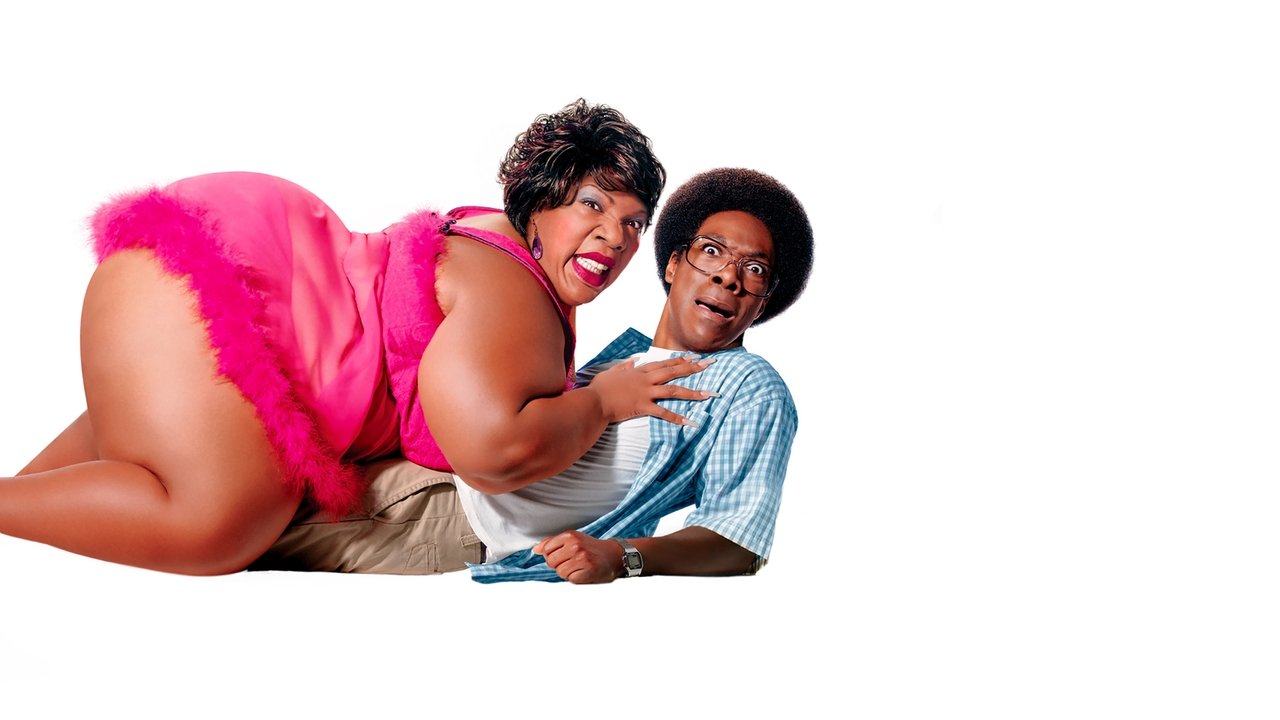
The Rick Baker Effect and Triple-Threat Chaos
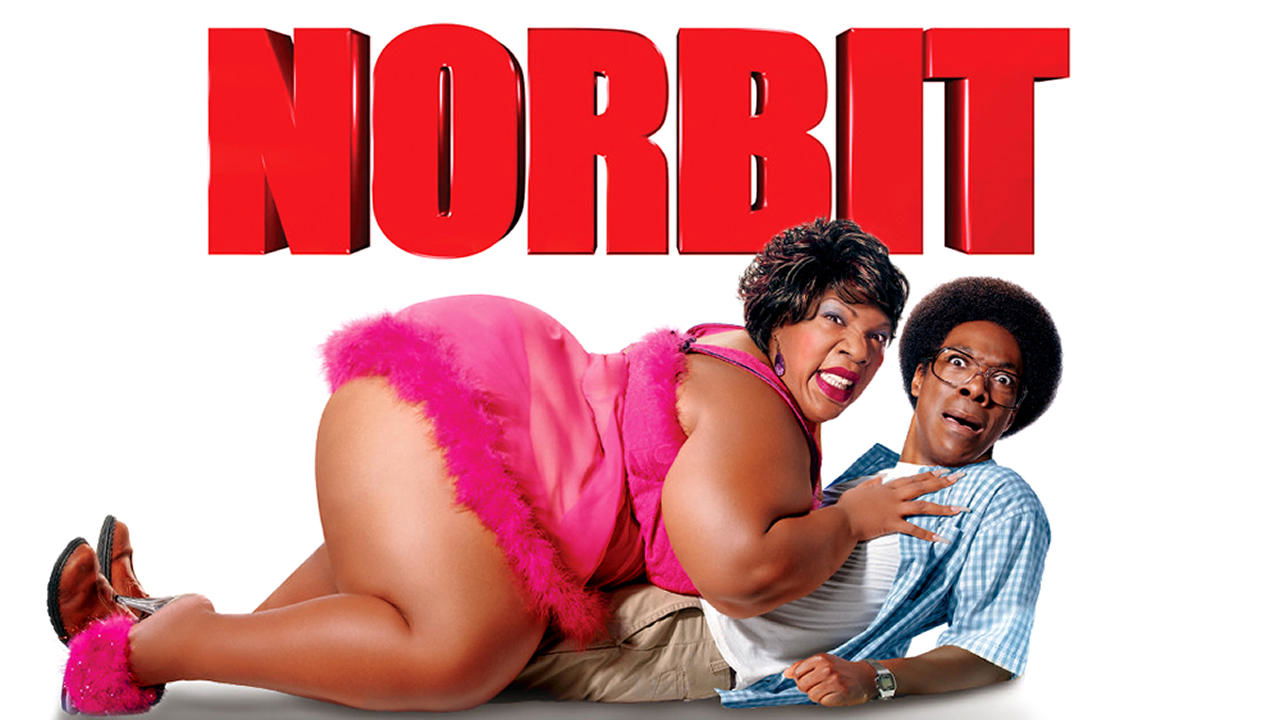
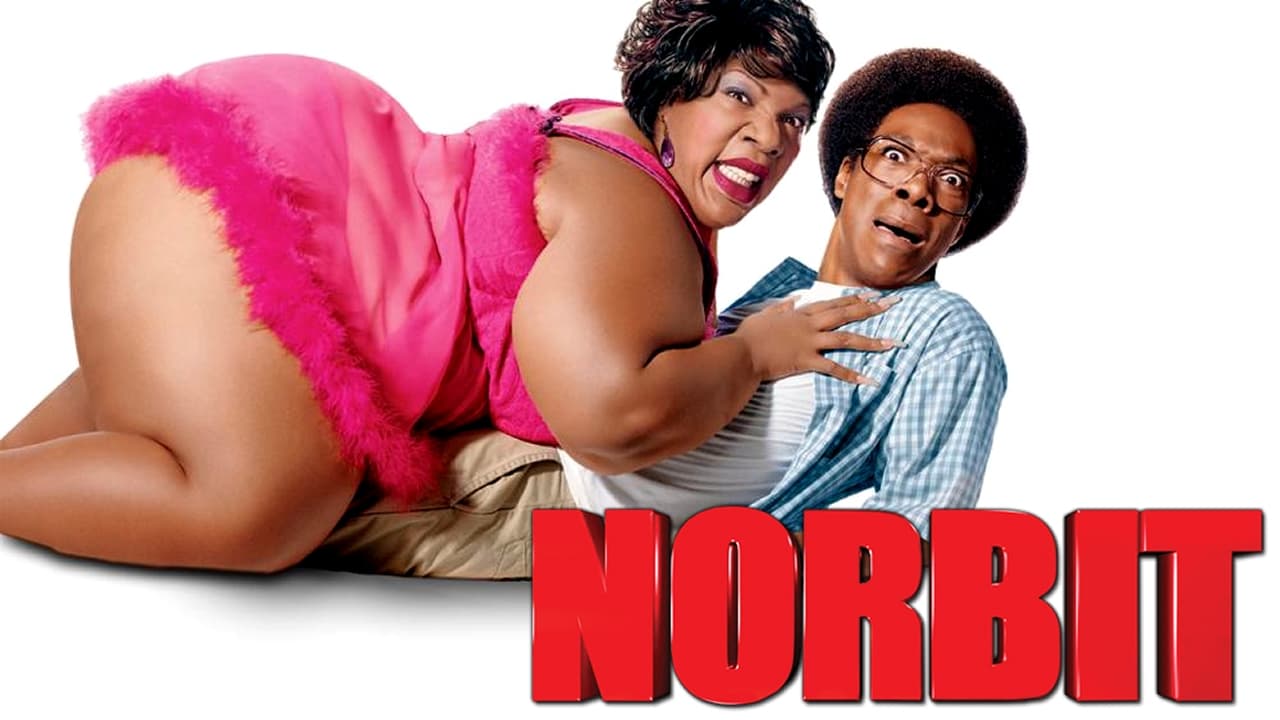
The first thing you have to concede—even if you find the humor about as subtle as a foghorn in a library—is that the technical craft is staggering. We were in that sweet spot of the "Modern Cinema" era where practical makeup was being supplemented by early digital compositing, allowing one actor to occupy the same frame three times without the seams showing. Eddie Murphy didn't just play Norbit; he played his monstrous wife Rasputia and the orphan-running Mr. Wong.
The heavy lifting here was done by the legendary Rick Baker, the same makeup genius who gave us the transformation in An American Werewolf in London. The prosthetics are so seamless that you occasionally forget you’re looking at a man in a suit. Apparently, it took about nine hours of chair time to transform Murphy into Rasputia every single day. That level of commitment to a character who spends half her time terrorizing a water park is, in a way, the peak of mid-2000s ambition. It’s a fever dream of prosthetics and questionable life choices, but you cannot look away.
A Supporting Cast in the Line of Fire
While the film is a Murphy monologue in disguise, the supporting cast puts in a heroic amount of work to keep the movie from collapsing under the weight of its own latex. Thandiwe Newton (then Thandie) plays Kate, the "dream woman" who represents the film’s attempt at a heart. She’s remarkably earnest here, playing against a man in a fat suit with the kind of grace usually reserved for Shakespearean stage plays.
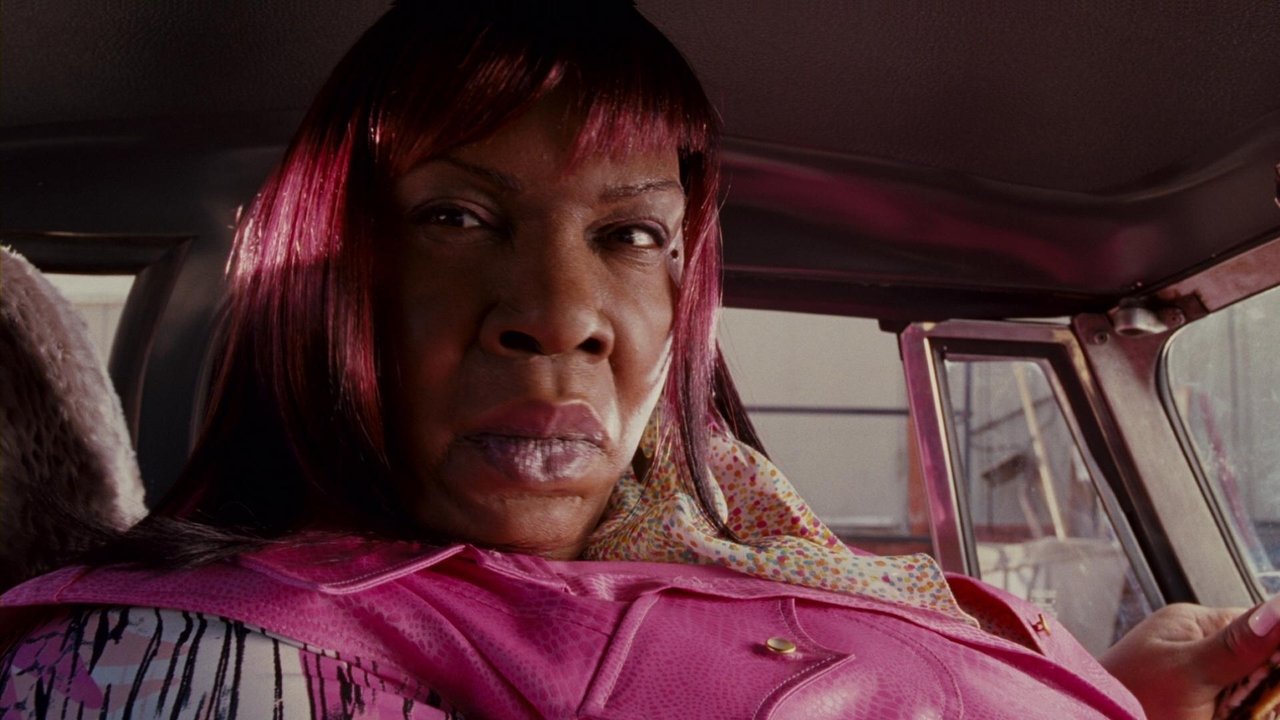
Then there are the Latimore brothers. Terry Crews, Clifton Powell, and Lester Speight bring a rhythmic, intimidating energy to the screen that actually provides the film's best comedic timing. Terry Crews, in particular, was just starting to cement his status as a comedic force, and his chemistry with the rest of the ensemble is one of the few things that keeps the pacing from dragging. Even Cuba Gooding Jr. shows up, leaning into a role that feels like a deliberate parody of a "slick" villain. It’s a strange assembly of talent—Oscar winners and future action stars all revolving around a plot that is essentially a live-action Looney Tune that forgot to be nice.
The 2007 Comedy Time Capsule
Analyzing Norbit today requires acknowledging the "DVD Culture" that sustained it. In 2007, a movie didn't just live or die at the box office; it thrived on the "Special Features" and deleted scenes that fans would devour months later. This film was a financial juggernaut, turning a $10 million production budget (per our records) into nearly $160 million worldwide. It captured that specific post-Y2K appetite for "mean" comedy—humor that was loud, physical, and entirely unapologetic.
Looking back, the movie is a time capsule of a transition period. We were moving away from the purely physical slapstick of the 90s and toward the more improv-heavy, digital era of the 2010s. The script, co-written by Eddie Murphy and his brother Charlie Murphy (of Chappelle’s Show fame), relies heavily on "the gag." There is no joke too broad, no stereotype too thin, and no sequence too long if it involves a sight gag. Whether that works for you depends entirely on your tolerance for 102 minutes of high-octane caricature.
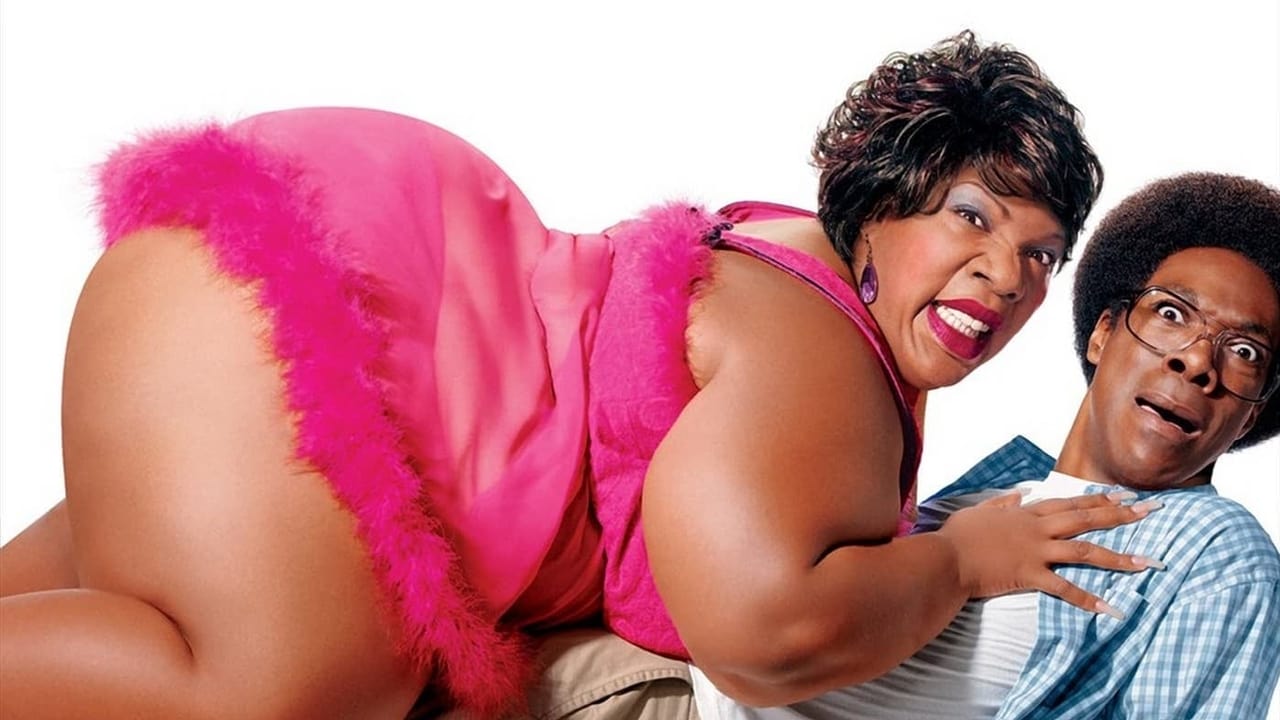
There’s a persistent Hollywood legend that Norbit’s release is what cost Eddie Murphy his Oscar for Dreamgirls. Voters supposedly saw the billboards of Rasputia and decided they couldn't give an Academy Award to a man currently wearing a "Power to the People" wig while eating a turkey leg. Whether that’s true or just a convenient industry myth, it cements Norbit as one of the most culturally disruptive comedies of its decade.
Ultimately, your enjoyment of this film acts as a barometer for how much you miss the unbridled, slightly chaotic energy of the 2000s studio comedy. It’s a movie that doesn't care about your sensibilities or your "serious" critique of cinema; it just wants to see how much one man can do with a mountain of makeup and a lot of confidence. I don't think it’s a misunderstood masterpiece, but as a showcase of technical prosthetics and raw, energetic performance, it’s a loud reminder of when Hollywood used to swing for the fences with every single joke. It’s messy, it’s polarizing, and it’s exactly the kind of movie you end up watching in its entirety when you find it on cable at 2:00 AM.
Keep Exploring...
-

A Thousand Words
2012
-
Another 48 Hrs.
1990
-
The Smurfs
2011
-
Doctor Dolittle
1998
-

Cheaper by the Dozen
2003
-
Just Married
2003
-
Along Came Polly
2004
-
Guess Who
2005
-

Monster-in-Law
2005
-
Big Momma's House 2
2006
-

The Game Plan
2007
-
What Happens in Vegas
2008
-

Bride Wars
2009
-

Hannah Montana: The Movie
2009
-
He's Just Not That Into You
2009
-

Hotel for Dogs
2009
-

The Ugly Truth
2009
-

The Bounty Hunter
2010
-
No Strings Attached
2011
-
The Smurfs 2
2013