Ocean's Thirteen
"Vengeance is best served with a double down."
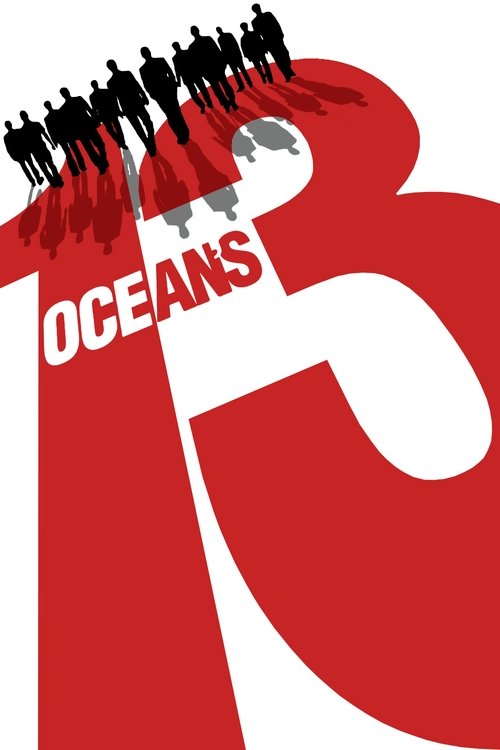
There is a specific shade of neon gold that only seems to exist in the world Steven Soderbergh built for the mid-2000s. It’s the color of a high-limit baccarat room and the exact tint of the spray tan Al Pacino sports in Ocean’s Thirteen. Watching this film today feels like stepping into a time capsule where "cool" was measured by how little you seemed to care about the $500 million heist you were currently pulling off. It’s a movie that smells like expensive sandalwood cologne and looks like a Roman feast catered by a five-star chef on a private jet.

I watched this most recently while eating a bowl of lukewarm cereal at 1:00 AM, and the sheer contrast between my soggy cornflakes and the tailored suits of George Clooney almost made me go out and buy a tuxedo I couldn’t afford. That’s the magic of this franchise; it invites you into a world where everyone is smarter than you, better dressed than you, and yet, they’re all doing it for the sake of a friend who got screwed over.
The Return to the Vegas Strip
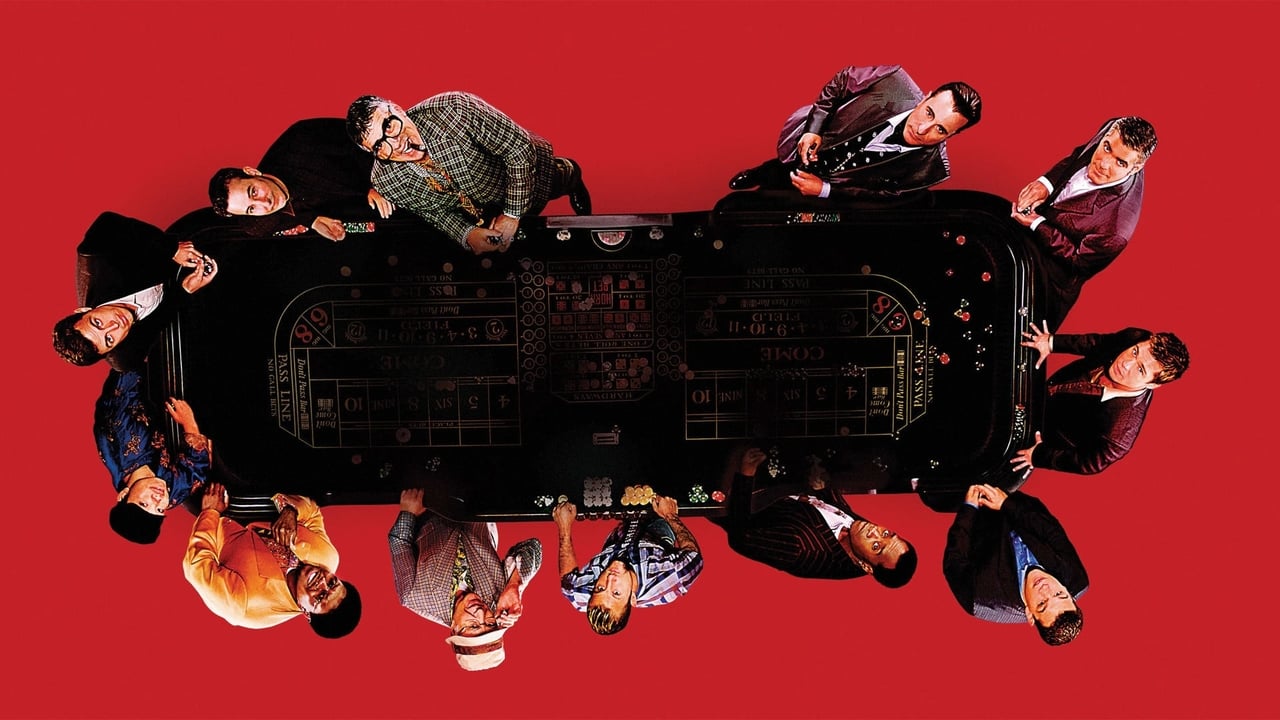
After the experimental, "meta" detour of Ocean's Twelve—which I personally defend as a bold European art heist movie disguised as a sequel—the third installment brings the boys back to the desert. The stakes are delightfully petty. This isn't about the money; it's about Reuben Tishkoff (Elliott Gould). When the ruthless casino mogul Willy Bank (Al Pacino) double-crosses Reuben, sending him into a stress-induced heart attack, the crew decides to ruin Bank's grand opening.
They aren't just stealing his cash; they're stealing his dignity. They want to ensure every gambler in the house wins big, bankrupting the house while denying Bank his precious "Five Diamond Award." It’s a revenge plot that feels warm and fuzzy, which is a weird thing to say about a group of federal felons. This was the era of the DVD "Special Edition" boom, and I remember the commentary tracks revealing how much the cast truly enjoyed being back in "The Sandbox." You can feel that chemistry; George Clooney and Brad Pitt share a shorthand that feels less like acting and more like two guys who have spent a decade sharing inside jokes about the industry.
A Heavyweight Villain and the "Nose"
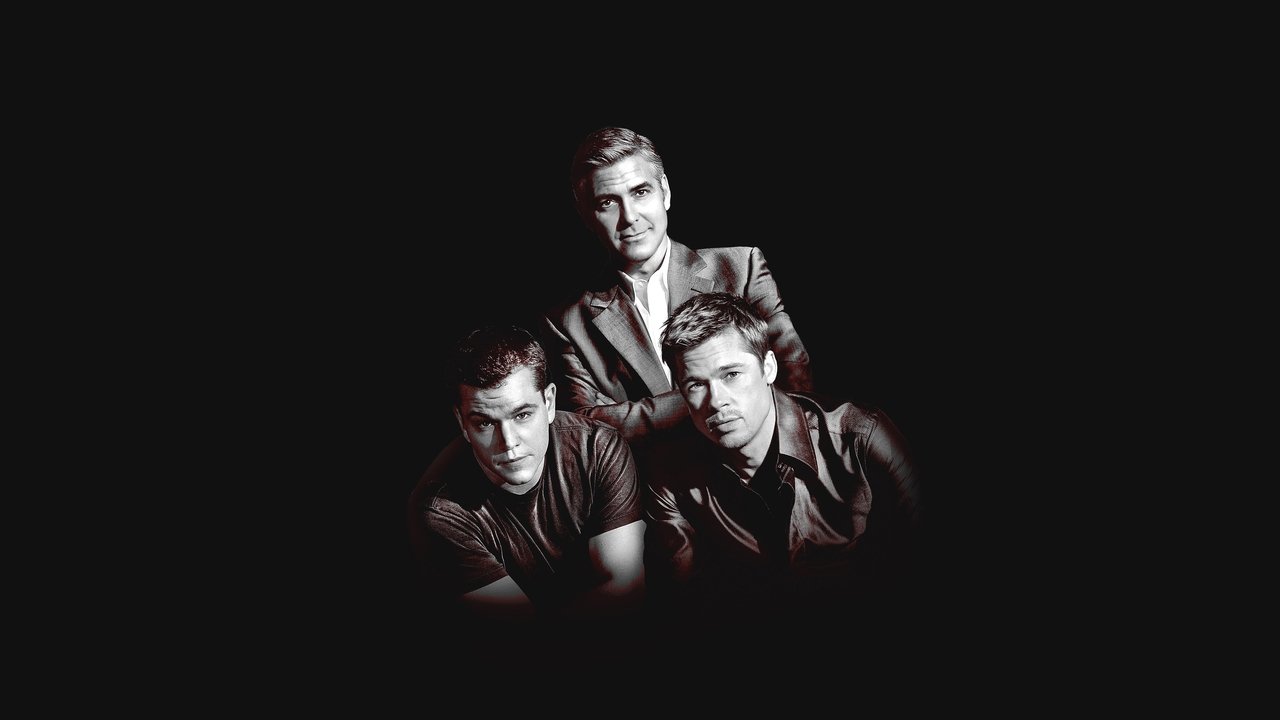
Adding Al Pacino to this mix was like dropping a shark into a pool of very suave dolphins. As Willy Bank, Pacino is a masterclass in controlled ego. He’s oily, arrogant, and just vulnerable enough in his obsession with his own legacy that you relish his downfall. Watching him square off against Clooney's Danny Ocean is a reminder of why we go to the movies—to see icons collide.
Then there’s the comedy. The subplot involving Matt Damon as Linus Caldwell wearing a giant prosthetic nose to seduce Bank's right-hand woman (played with icy perfection by Ellen Barkin) is genuinely hilarious. The "Nose" is arguably the best-designed character in the entire film. It captures that late-2000s vibe where blockbusters weren't afraid to be slightly ridiculous. While the CGI revolution was busy making giant robots hit each other in other theaters, Soderbergh was using his camera to make a fake nose look like a high-stakes plot point.
The $300 Million Victory Lap
From a business perspective, Ocean's Thirteen was a fascinating beast. It carried a hefty $85 million budget—much of which, let’s be honest, probably went to the most expensive craft services table in history—and managed to rake in over $311 million globally. It proved that the "Ocean’s" brand was a legitimate cultural phenomenon. It wasn't just a movie; it was a lifestyle brand.

Behind the scenes, the production was massive. They actually built the "Bank" casino floor on a soundstage at Warner Bros. because no actual Las Vegas casino was willing to shut down their floors for the weeks required to shoot the intricate heist sequences. The attention to detail is staggering. The "Greco" player tracker—the AI villain of the film—feels like a precursor to the tech-anxiety that would dominate films a few years later. It’s also worth noting that this was one of the last times we saw the late, great Bernie Mac as Frank Catton. His "Blackjack" undercover routine remains a highlight, and there's a bittersweet layer to his performance now, knowing the franchise lost its heart shortly after.
The film serves as a perfect bookend to a trilogy that defined what "cool" looked like before the superhero era took over the box office. It’s a movie that values a well-timed quip and a perfectly framed shot of a fountain over explosions or world-ending stakes. Every time Don Cheadle leans into his questionable Cockney accent or Casey Affleck and Scott Caan bicker in the background, you’re reminded that the best heists aren't about the gold—they're about the guys you're in the van with.
The rhythm of the film is dictated by David Holmes' incredible score, which blends 60s lounge vibes with modern electronic pulses. It’s the kind of music that makes you feel like you’re walking in slow motion even when you’re just going to the kitchen for a glass of water. It’s a stylish, confident, and deeply satisfying conclusion to Danny Ocean’s saga that leaves you wanting just one more hand at the table.
Keep Exploring...
-
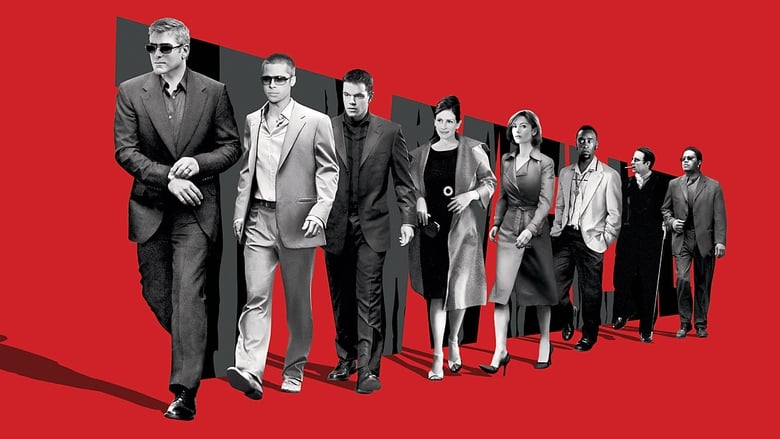
Ocean's Twelve
2004
-
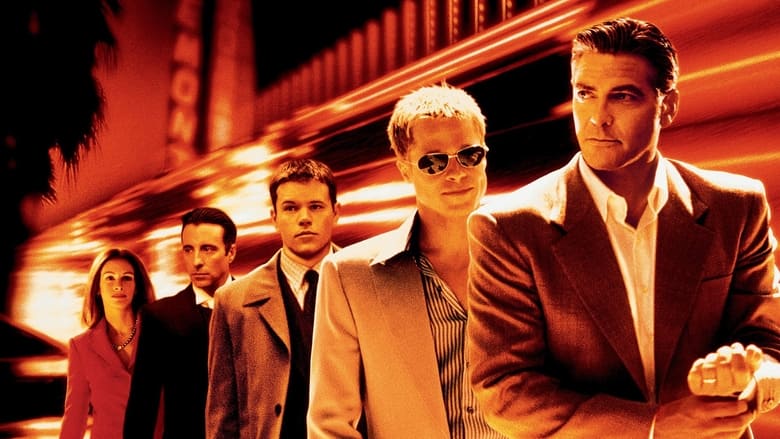
Ocean's Eleven
2001
-

Traffic
2000
-
Out of Sight
1998
-
Contagion
2011
-
Side Effects
2013
-
xXx
2002
-
2 Fast 2 Furious
2003
-
Collateral
2004
-

Wanted
2008
-
Fast & Furious
2009
-

RED
2010
-
Fast Five
2011
-
Jack Reacher
2012
-
Michael Clayton
2007
-

The American
2010
-
Panic Room
2002
-
Sin City
2005
-
The Exorcism of Emily Rose
2005
-

Inside Man
2006