Once
"The most honest musical ever caught on tape."
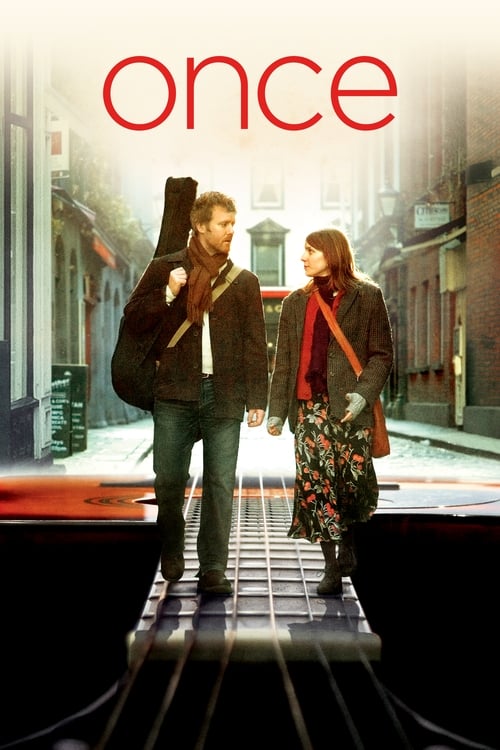
In the early 2000s, the "movie musical" was having a mid-life crisis. Hollywood was throwing hundreds of millions of dollars at glittery, stage-bound spectacles like Chicago or The Phantom of the Opera, trying to prove the genre wasn't dead through sheer force of budget. Then along came John Carney, a former bassist for the Irish rock band The Frames, who decided to shoot a musical on the streets of Dublin using two digital Handy-cams, a $160,000 budget, and a cast of musicians who had barely ever looked at a script.
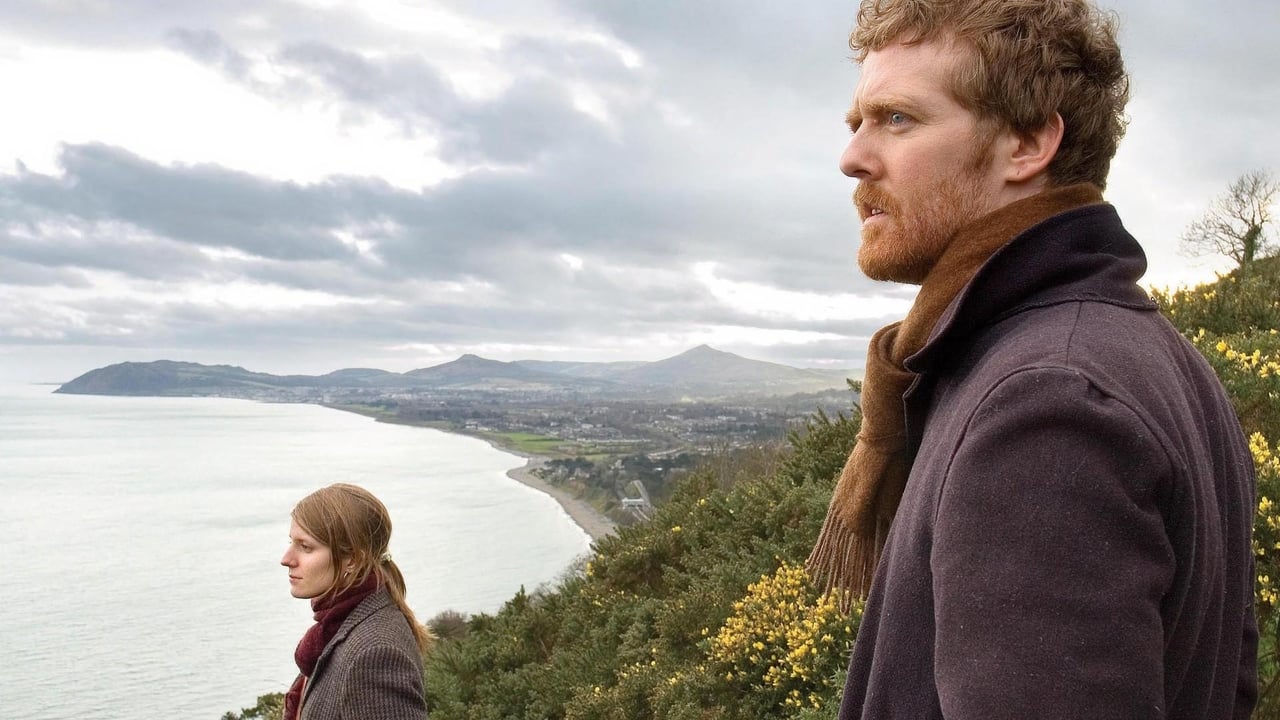
The result, Once, didn't just breathe life into the genre; it stripped it down to its skeleton and found something infinitely more resonant. I watched this again last night while eating a bowl of cereal that had gone slightly soggy because I got distracted by the opening busking scene, and honestly, the grit of the film makes even a mundane bowl of Corn Flakes feel like part of a grander, more melancholic story.
Grainy Digital and Busking Without Permits
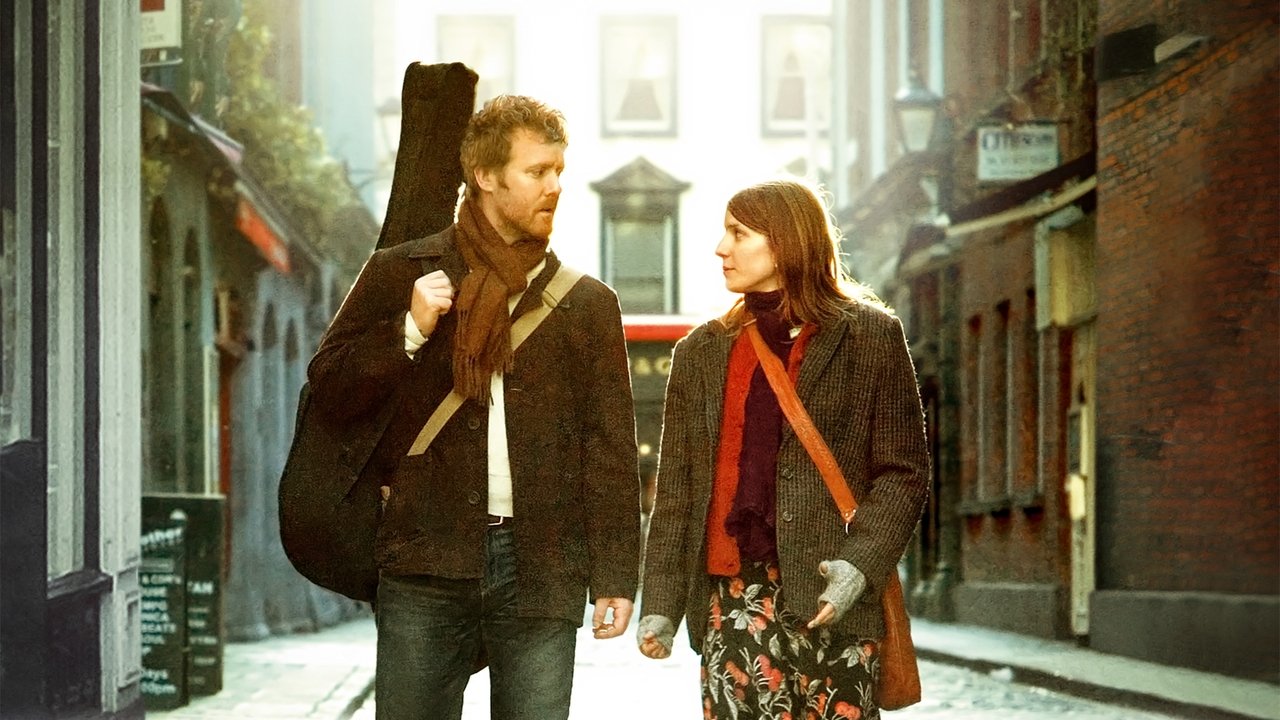
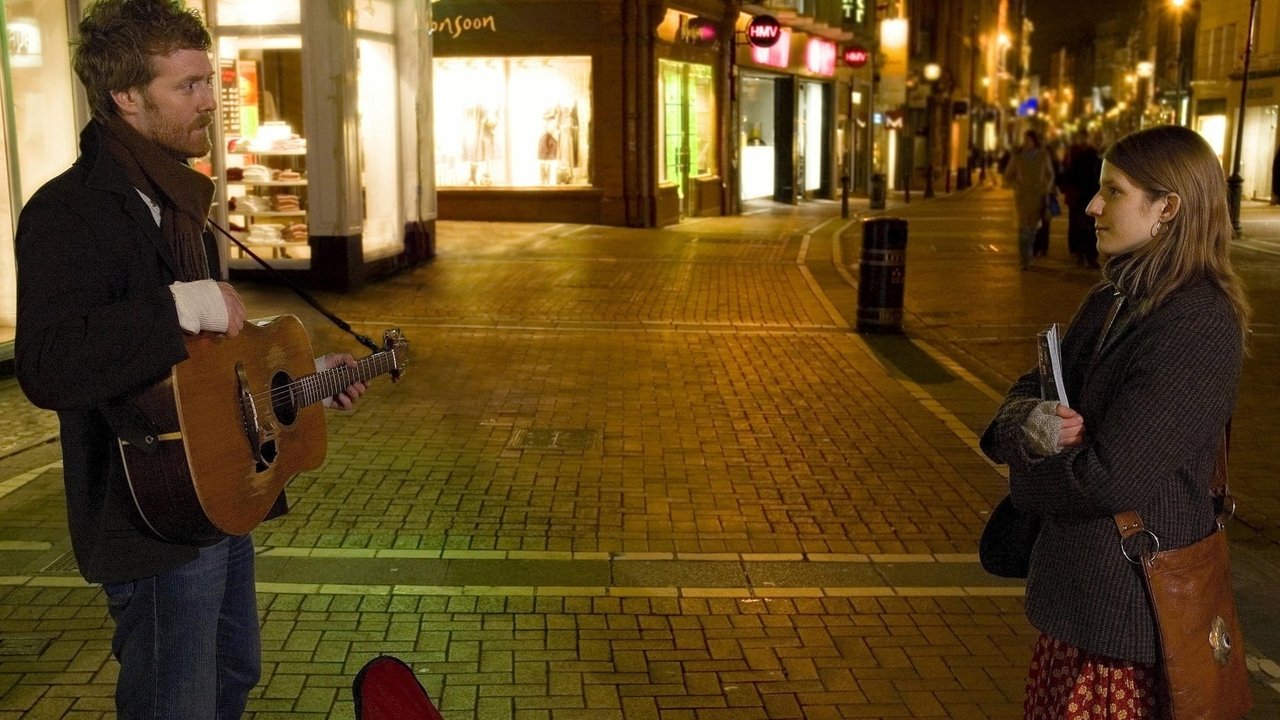
Looking back at 2007, we were in the thick of the "prosumer" digital revolution. Filmmakers were realizing they didn't need 35mm film to tell a story; they just needed a decent lens and a vision. Once embraces the limitations of its era with a visual style that’s practically documentary. Because they didn’t have the money for filming permits, John Carney often shot from across the street using long lenses while Glen Hansard (credited simply as "Guy") actually busked for real pedestrians who had no idea they were in a movie.
This "guerrilla" approach is what gives the film its soul. When Guy stands on Grafton Street belting out "Say It to Me Now," the trembling in his voice and the apathy of the passersby isn't "acted"—it's captured. The film feels less like a polished production and more like a secret you’ve stumbled upon. It’s a snapshot of a pre-crash Dublin, all grey skies and damp pavement, serving as the perfect backdrop for two people who are essentially just trying to keep their heads above water.
The Chemistry of Non-Actors

The heavy lifting is done by Glen Hansard and Markéta Irglová ("Girl"). At the time, they were a real-life musical duo called The Swell Season, and their history translates into a shorthand on screen that most A-list actors would kill for. Hansard brings a raw, slightly desperate energy—he's a man who fixes vacuums by day and screams his heart out for spare change by night. Markéta Irglová, meanwhile, provides the film’s moral and melodic anchor. She is pragmatic, witty, and possesses a quiet strength that keeps the Guy from spinning off into a self-pitying void.
There’s a scene in a music shop where they play "Falling Slowly" together for the first time. It’s one of the few moments where the camera stops shaking and just lets the song happen. I’m convinced that if you don’t feel a lump in your throat during that piano swell, you might actually be a Roomba. What makes their relationship so compelling is the restraint. This is a romance of subtext. They don’t need a big third-act monologue because everything they need to say is baked into the harmonies. It’s a drama that understands that sometimes, the most romantic thing you can do for someone isn’t a grand gesture—it’s helping them record a demo tape so they can finally leave town.
A Masterclass in Indie Resourcefulness
From a production standpoint, Once is the ultimate "no excuses" movie. The budget was so tight that the crew stayed in the director's mother's house, and the "recording studio" scenes were shot in a real facility during off-hours. Hansard and Irglová even wrote the entire score themselves. This wasn't just a career move; it was a passion project that nearly didn't happen (Cillian Murphy was originally considered for the lead, but when he passed, the music-first approach of Hansard became the film's greatest asset).
The film’s meteoric rise—from a Sundance hit to an Oscar win for Best Original Song—is the kind of "indie dream" story that felt specifically possible in the mid-2000s. It was the tail end of the era where word-of-mouth could turn a tiny Irish film into a global phenomenon before social media algorithms dictated what we watched. It’s a reminder that audiences don't need CGI dragons or high-concept twists; they just need to believe in the people on screen.
Once remains the gold standard for how to make a low-budget film feel like a massive emotional epic. It avoids the "instant classic" trap by staying small, focused, and stubbornly honest about how messy life and love really are. It’s a film about the songs we write for the people we can’t stay with, and it's just as piercingly beautiful now as it was in 2007. If you’ve ever felt like your "big break" was just one bus ride away, this movie is for you.
Keep Exploring...
-
Begin Again
2014
-
Sing Street
2016
-
High School Musical
2006
-
Walk the Line
2005
-
Step Up
2006
-
High School Musical 2
2007
-

High School Musical 3: Senior Year
2008
-
Nick and Norah's Infinite Playlist
2008
-
Crazy Heart
2009
-
Secretary
2002
-
Garden State
2004
-
Imagine Me & You
2006
-
Blue Valentine
2010
-

Heartbeats
2010
-
Beginners
2011
-
The First Time
2012
-
That Thing You Do!
1996
-
High Fidelity
2000
-
Moulin Rouge!
2001
-
Save the Last Dance
2001