Perfect Stranger
"Big secrets hiding behind small screens."
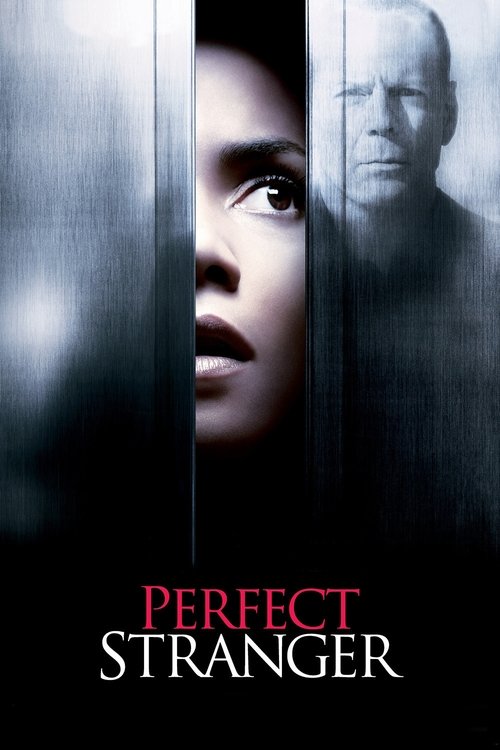
There is a specific brand of mid-budget thriller that could only exist in the awkward adolescence of the digital age, a time when Hollywood knew the internet was dangerous but didn’t quite understand how it worked. Released in 2007, Perfect Stranger arrived right as the world was pivoting from the clunky desktop era to the smartphone revolution. It’s a film that treats an AOL Instant Messenger window with the same gravitas that Alfred Hitchcock gave a smoking gun, and looking back at it now, it feels like a digital time capsule preserved in amber—and encrypted with a password that everyone has forgotten.
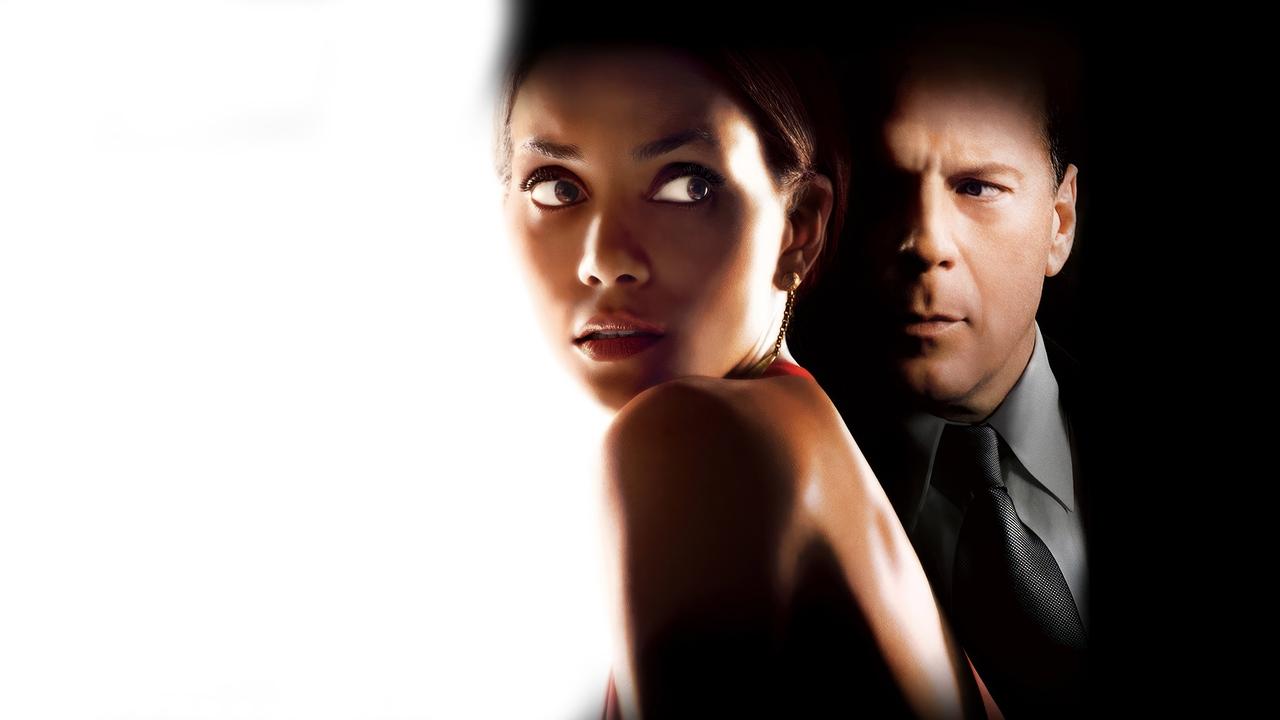
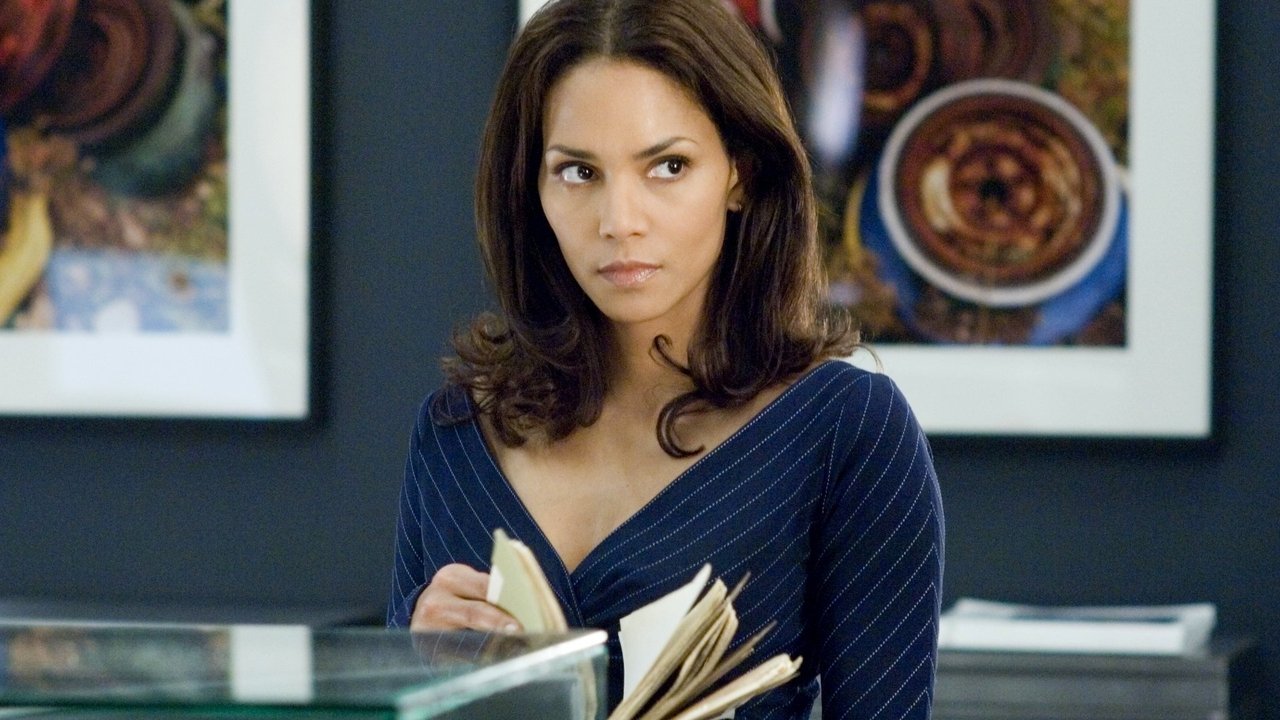
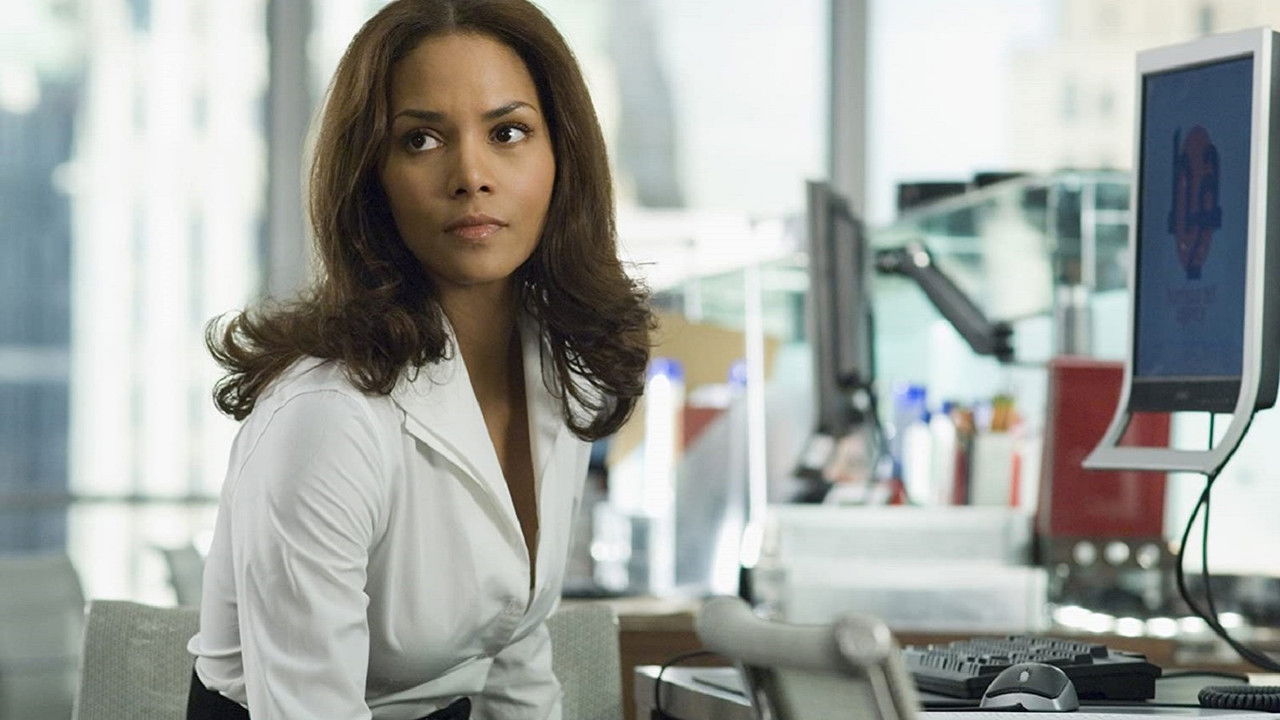
I watched this on my laptop while nursing a mild case of hay fever, and honestly, the blurry vision from my allergies made some of the CGI-enhanced New York cityscapes look significantly more realistic. The film stars Halle Berry as Rowena Price, a high-octane investigative reporter who quits her job in a huff after a story is spiked. When a childhood friend turns up dead after dishng some dirt about an affair with a powerful ad executive, Rowena goes undercover to nail the guy. The target is Harrison Hill, played by Bruce Willis, who spends most of the movie looking like he’s trying to remember if he left the stove on at home.
The High-Gloss Grime of the Aughts
Director James Foley—who gave us the infinitely superior Glengarry Glen Ross—presents a version of New York City that is perpetually slick, cold, and expensive. It’s that 2000s aesthetic where every office is made of glass and every character wears a suit that costs more than my car. This was the tail end of the Revolution Studios era, a time when "star power" was still expected to carry scripts that were, frankly, as thin as a supermodel on a juice fast.
What’s fascinating about Perfect Stranger in retrospect is how it captures the era’s "tech anxiety." The internet is portrayed as a shadowy labyrinth of chat rooms and aliases (Rowena uses the handle "Veronica69," because of course she does). There’s a scene where Giovanni Ribisi, playing Rowena’s tech-savvy sidekick Miles, explains the concept of "IP addresses" with the kind of breathless intensity usually reserved for explaining cold fusion. To a modern audience, seeing a professional newsroom and a high-end ad agency treat basic digital footprinting as dark magic is unintentionally hilarious. It reminds me of how quickly "cutting edge" becomes "quaint."
Performances in a Digital Vacuum
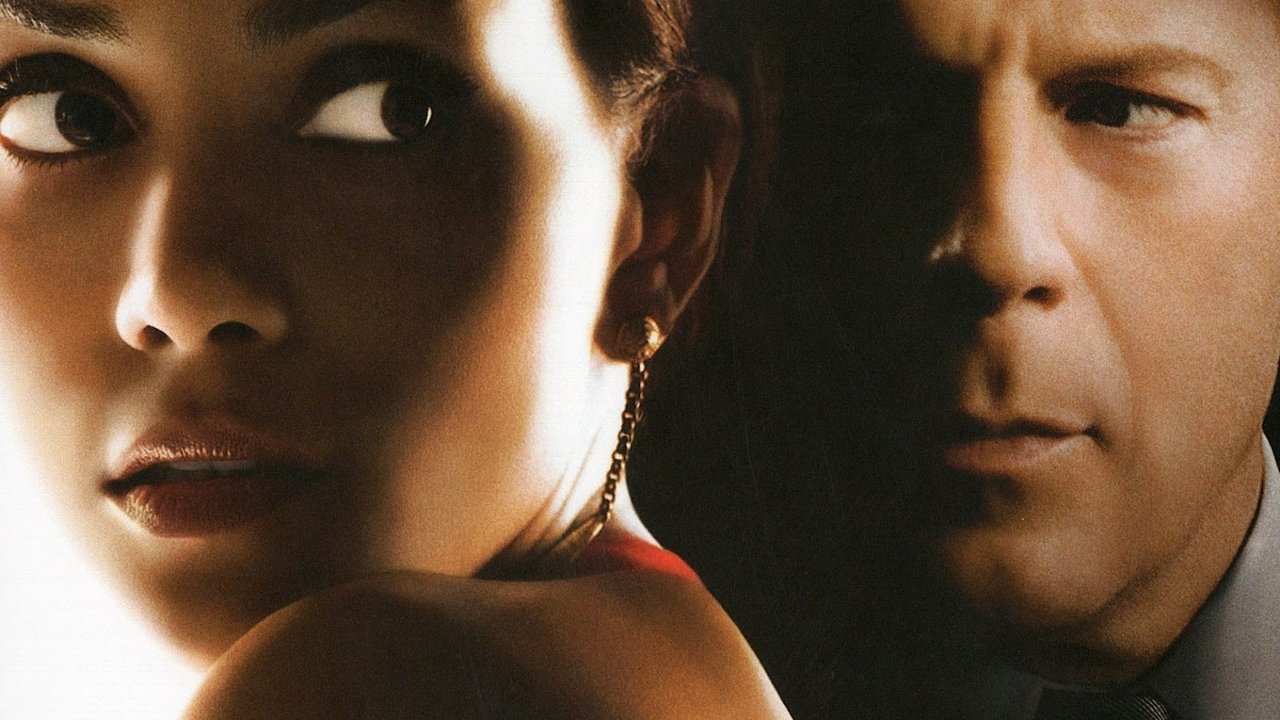
Halle Berry works incredibly hard here. She’s tasked with playing three versions of herself: the cynical reporter, the temp worker "Katherine" who flirts with Hill in the office, and the online persona who chats him up at night. Berry is a magnetic screen presence, but the script requires her to make leaps of logic that would baffle a world-class athlete.
Then there’s Bruce Willis. This was right around the time he started perfecting the "bored billionaire" persona. He’s charming enough to make you understand why women would be drawn to him, but he’s also clearly playing a man who is unburdened by the weight of a complex internal life. The real standout, however, is Giovanni Ribisi. He plays Miles with a simmering, "nice guy" resentment that is genuinely unsettling. He’s the guy who fixes your computer but definitely looks through your browser history the second you leave the room. His performance provides the only real tension in the film, mostly because you’re never quite sure if he’s the hero or the guy you should be calling the police on.
The Triple-Flip Logic Jump
We have to talk about the ending. Without spoiling the specifics, Perfect Stranger is famous—or perhaps infamous—for a climax that attempts to outsmart the audience so aggressively that it trips over its own shoelaces. It is the cinematic equivalent of a magician accidentally sawing himself in half.
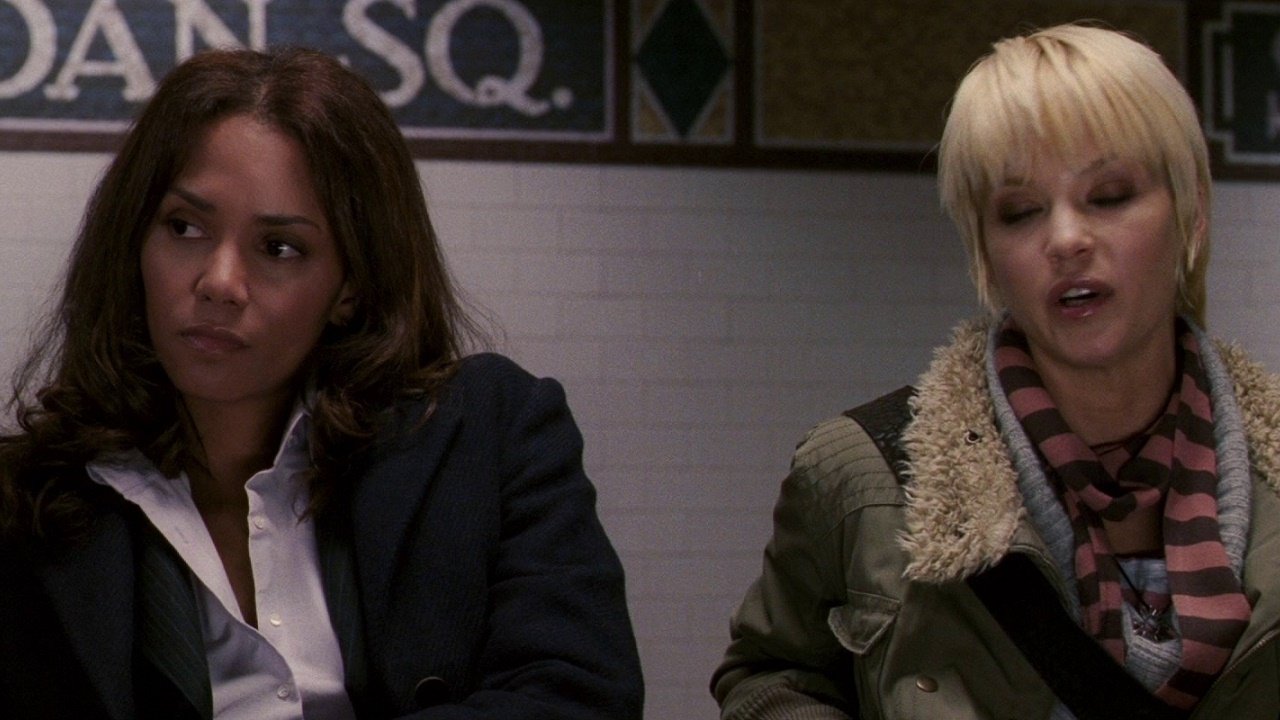
In an effort to be the most "shocking" thriller of the year, the production actually filmed three different endings with three different characters as the killer. They reportedly did this to prevent leaks, but the result is a movie that doesn't feel like it was built toward a specific revelation. Instead, the ending feels bolted on, negating almost everything we’ve watched for the previous 90 minutes. It’s a fascinating example of the "twist for the sake of a twist" culture that dominated the post-Sixth Sense era.
Behind the scenes, the film’s budget ballooned to over $60 million, a staggering amount for a psychological drama. Much of that went to the stars and the digital effects used to "beautify" the New York skyline, which was actually largely shot on soundstages. It’s a movie that looks like money but feels like a paperback novel you’d find in an airport bin—satisfying in a trashy, fleeting way, but ultimately disposable. It vanished from the cultural conversation almost immediately because it lacked the "prestige" of a true drama and the "fun" of a true B-movie. It sits in that uncomfortable middle ground: a glossy, star-studded mystery that is ultimately a perfect stranger to its own logic.
If you’re a fan of the "glossy 2000s thriller" subgenre, there’s enough here to keep you occupied for a rainy afternoon. The chemistry between Berry and Willis has a few sparks, and Ribisi is always worth watching when he’s playing a creep. Just don't expect the mystery to make a lick of sense once the credits roll. It’s a fascinating relic of a time when we were all just starting to realize that the person on the other side of the screen might not be who they say they are.
Keep Exploring...
-
Basic
2003
-
Blood Work
2002
-
Awake
2007
-
Righteous Kill
2008
-
Mindhunters
2004
-
Cleaner
2007
-
Untraceable
2008
-
The Raven
2012
-
The General's Daughter
1999
-
Along Came a Spider
2001
-

Revolver
2005
-

Pride and Glory
2008
-
Striking Distance
1993
-
Kiss the Girls
1997
-

The International
2009
-
Edge of Darkness
2010
-
In the Valley of Elah
2007
-
The Number 23
2007
-

The X Files: I Want to Believe
2008
-
The Losers
2010