Persepolis
"Punk rock, jasmine blossoms, and the revolution within."
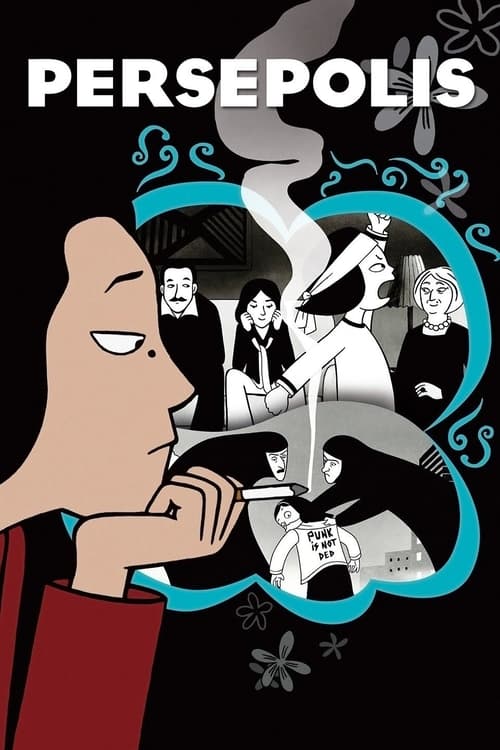
The first time I saw the "Punk is Not Ded" jacket scrawled in white marker on the back of a denim vest in Persepolis, I felt a jolt of recognition that had nothing to do with 1970s Tehran and everything to do with being a bratty teenager. It’s the perfect image for a film that refuses to be a dry history lesson. Instead of a dusty lecture on the 1979 Iranian Revolution, we get a girl who loves Iron Maiden, buys black-market cassettes of Kim Wilde, and navigates the terrifying transition from childhood wonder to the suffocating reality of a fundamentalist regime.
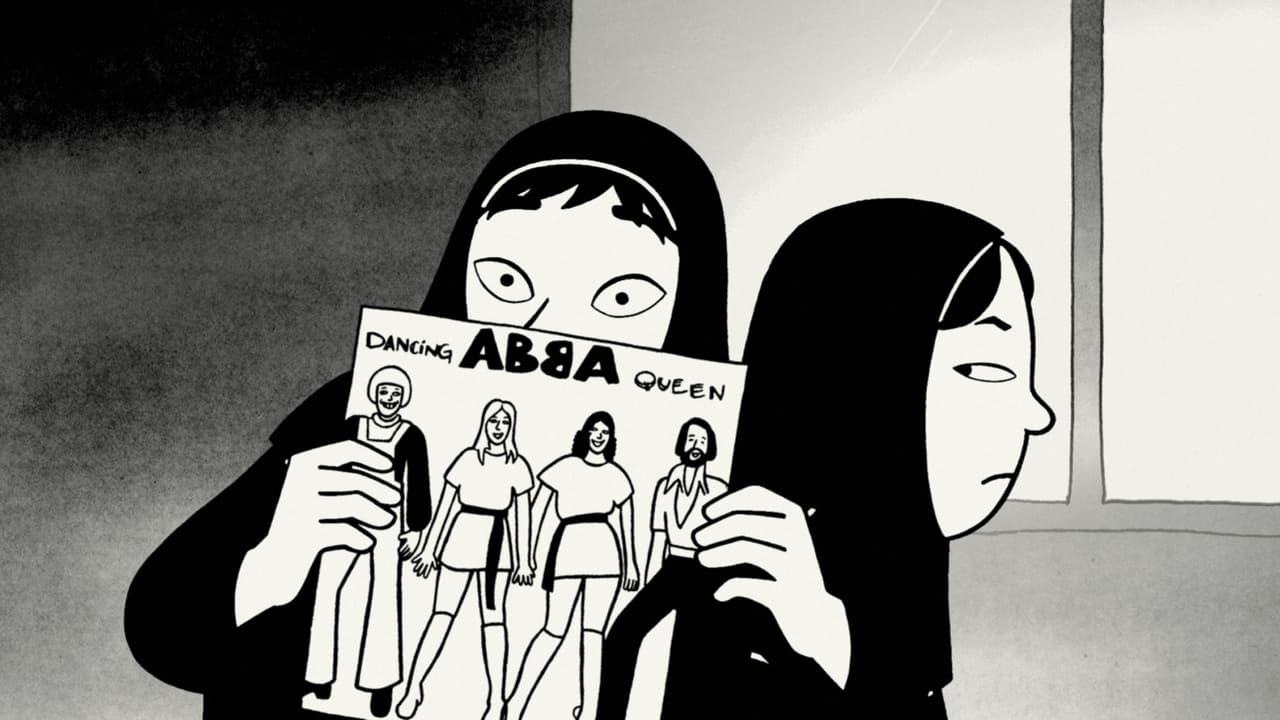
I watched this recently while sitting in a drafty apartment wearing two pairs of wool socks and eating cold leftover pizza, and honestly, the slight chill in the room made the scenes of Marjane wandering the snowy, lonely streets of Vienna feel far more personal. It’s a film that thrives on those sensory shifts—the smell of jasmine in a grandmother’s bra versus the sterile, grey isolation of European exile.
A Defiant Stand for the Hand-Drawn
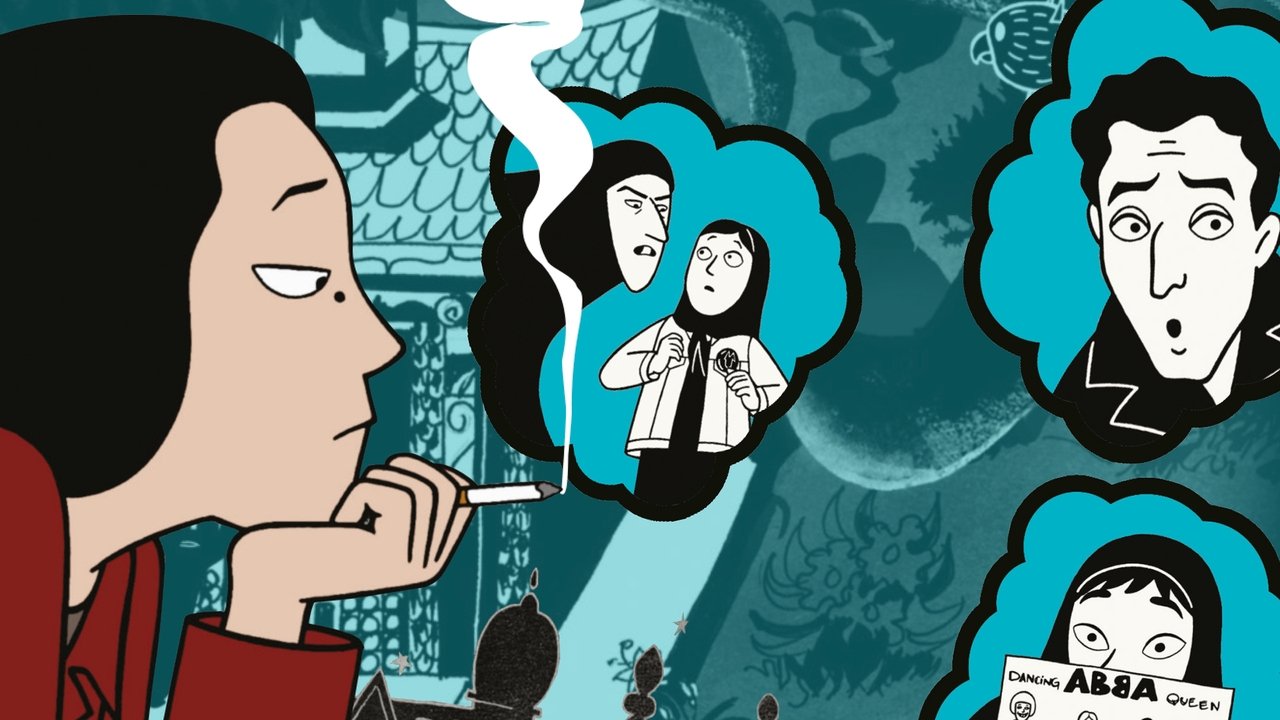
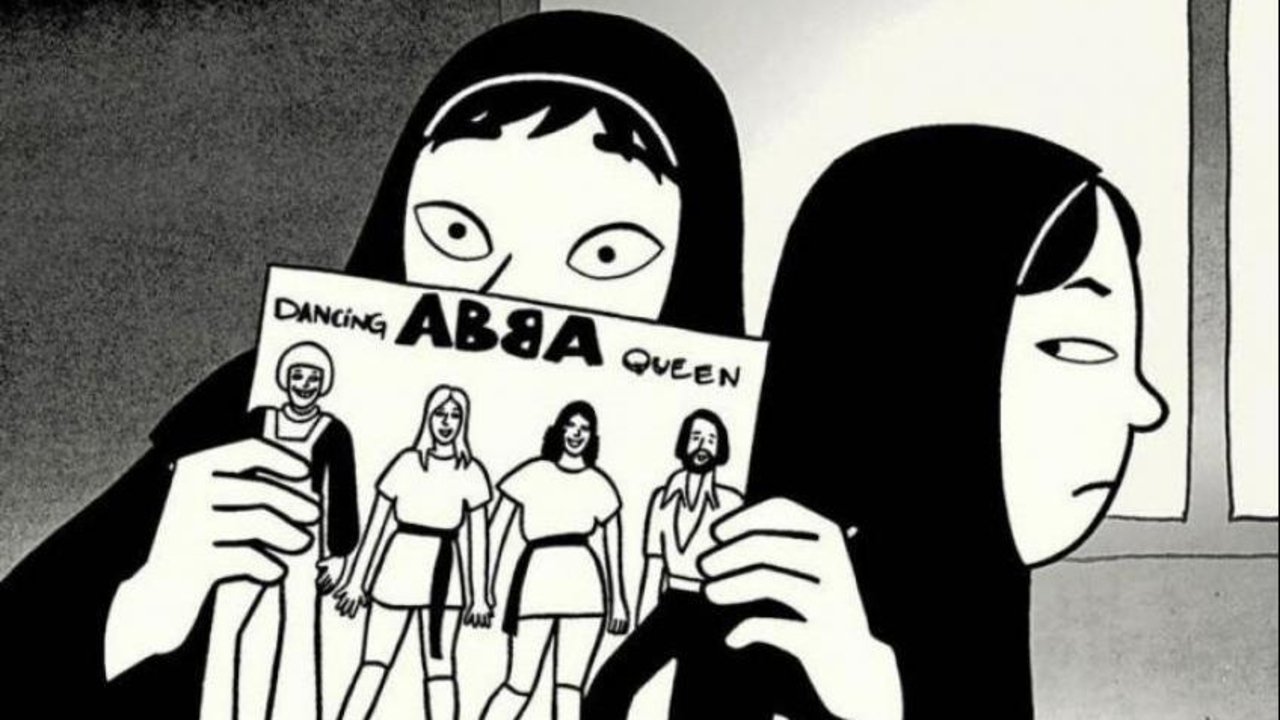
Released in 2007, Persepolis arrived during a decade where the "CGI Revolution" was in full swing. Pixar was perfecting the physics of rat fur in Ratatouille, and DreamWorks was leaning hard into the hyper-saturated 3D aesthetic. Amidst all that digital noise, Marjane Satrapi and Vincent Paronnaud made a radical choice: they went flat, hand-drawn, and almost entirely black and white.
Looking back, this wasn’t just a stylistic quirk; it was an act of visual philosophy. By stripping away the "realism" of 3D rendering, the filmmakers created something far more universal. Because the characters are rendered in high-contrast ink, they aren't just specific people in a specific country; they become icons of the human experience. When young Marjane (Gabrielle Lopes Benites) talks to God—who looks suspiciously like Karl Marx with better hair—the simplicity of the lines makes the surrealism feel grounded. It captures that specific way a child’s imagination works before the world starts demanding "rationality."
The animation style also serves the darker moments with a sharpness that CGI often blunts. When the secret police appear as looming, amorphous shadows, or when the tragedy of the Iran-Iraq war is depicted through the silhouetted keys of "heaven" given to child soldiers, it hits with a graphic punch that stays in your marrow. Animation for adults shouldn't just mean fart jokes or swearing; it should mean the crushing weight of existential exile.
The Soul of the Family
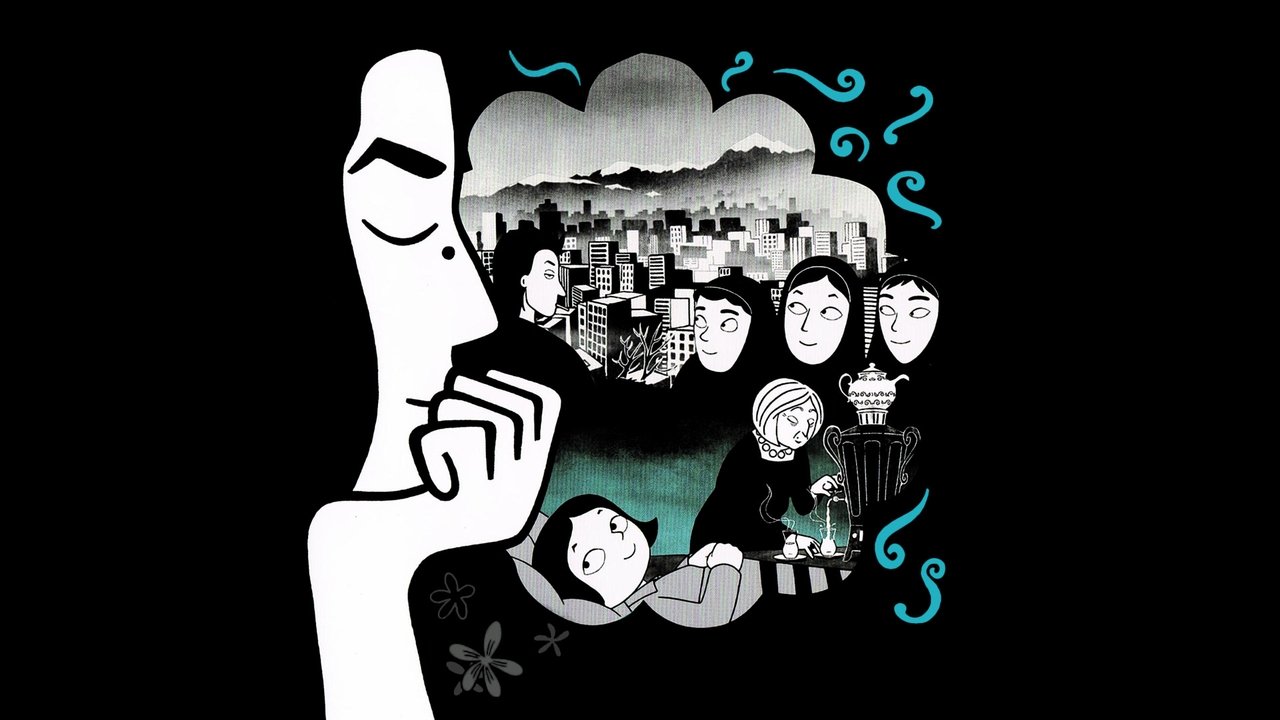
While the politics are the backdrop, the heart of the film is the domestic interplay of the Satrapi family. The casting here is incredible. Having Catherine Deneuve voice the mother and her real-life daughter Chiara Mastroianni voice the adult Marjane adds a layer of lived-in vocal chemistry that you just can't manufacture in a booth. You can hear the exhaustion and the fierce, protective love in Deneuve’s performance, especially as she realizes that to save her daughter, she has to send her away.
But the secret weapon of Persepolis is the Grandmother, voiced with gravelly wisdom by Danielle Darrieux. She is the moral compass of the film, the woman who puts jasmine petals in her underwear to smell fresh and tells Marjane that "integrity is being true to yourself." Her advice to "always keep your dignity and be true to yourself" sounds like a cliché until you see it tested by a regime that wants to vanish your identity. The relationship between the three generations of women is where the film finds its "cerebral" depth—it’s a study in how dignity is maintained when the world outside your door is losing its mind.
The Film They Didn't Want You to See
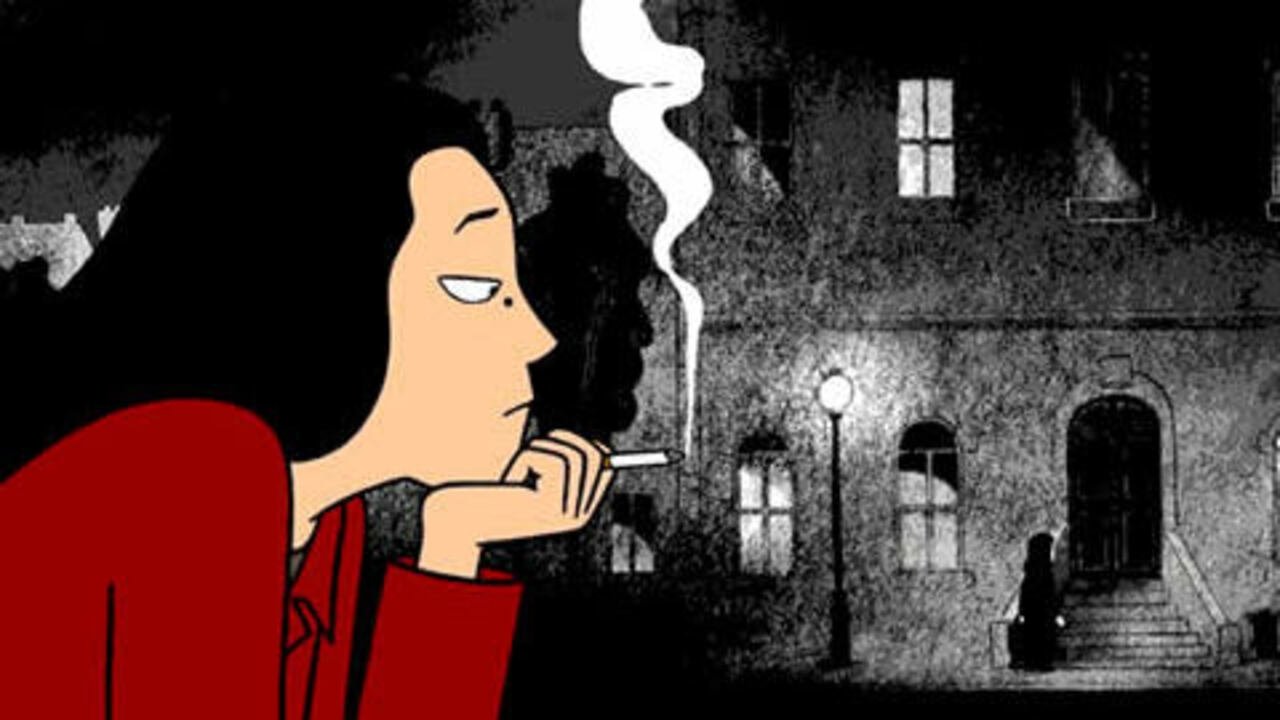
There’s a reason the original tagline was "The film Iran didn't want the world to see." The Iranian government officially protested the film’s screening at the Cannes Film Festival, which, in the world of indie cinema, is basically the best marketing you can buy. It cemented the movie’s status as a cult classic before it even hit wide release.
But the "stuff you didn't notice" about the production is just as fascinating as the controversy:
The animators worked in a tiny studio in Paris called "Je Suis Bien Content" (I am very happy), which is a hilariously ironic name for a place producing such a heavy story. Satrapi insisted the film be in black and white because she felt color would make the characters look like "foreigners" in a "distant land," whereas black and white makes them "human." The "Eye of the Tiger" sequence, where Marjane tries to get back into shape after a depression, is one of the funniest, most honest depictions of a "glow-up" ever put to film—mostly because it’s intentionally terrible. During production, Satrapi would often act out the scenes for the animators to ensure the "Persian body language" was captured correctly. * The film was a massive hit on the DVD circuit, often packaged with interviews where Satrapi talks about the "freedom" of the graphic novel medium versus the "constraints" of film.
Persepolis is that rare bird: a political film that is deeply funny, and a tragic film that feels incredibly hopeful. It captures the post-9/11 anxiety of the mid-2000s by reminding us that the "other" side of the world is populated by people who also hate their math teachers and listen to bad pop music. It’s a story about the pain of leaving home and the realization that "home" is often a place that no longer exists outside of your own head. If you’ve ever felt like an outsider in your own skin, this movie is your anthem.
Keep Exploring...
-
Spirit: Stallion of the Cimarron
2002
-
The Girl Who Leapt Through Time
2006
-
Wolf Children
2012
-
Whisper of the Heart
1995
-

Evangelion: 1.0 You Are (Not) Alone
2007
-
Evangelion: 2.0 You Can (Not) Advance
2009
-
From Up on Poppy Hill
2011
-
The Garden of Words
2013
-
5 Centimeters per Second
2007
-
Mary and Max
2009
-
Millennium Actress
2002
-
Coach Carter
2005
-
Corpse Bride
2005
-
Ip Man
2008
-

The Wrestler
2008
-

Moon
2009
-
Moonrise Kingdom
2012
-

The Cat Returns
2002
-
A Christmas Carol
2009
-
The Tale of The Princess Kaguya
2013