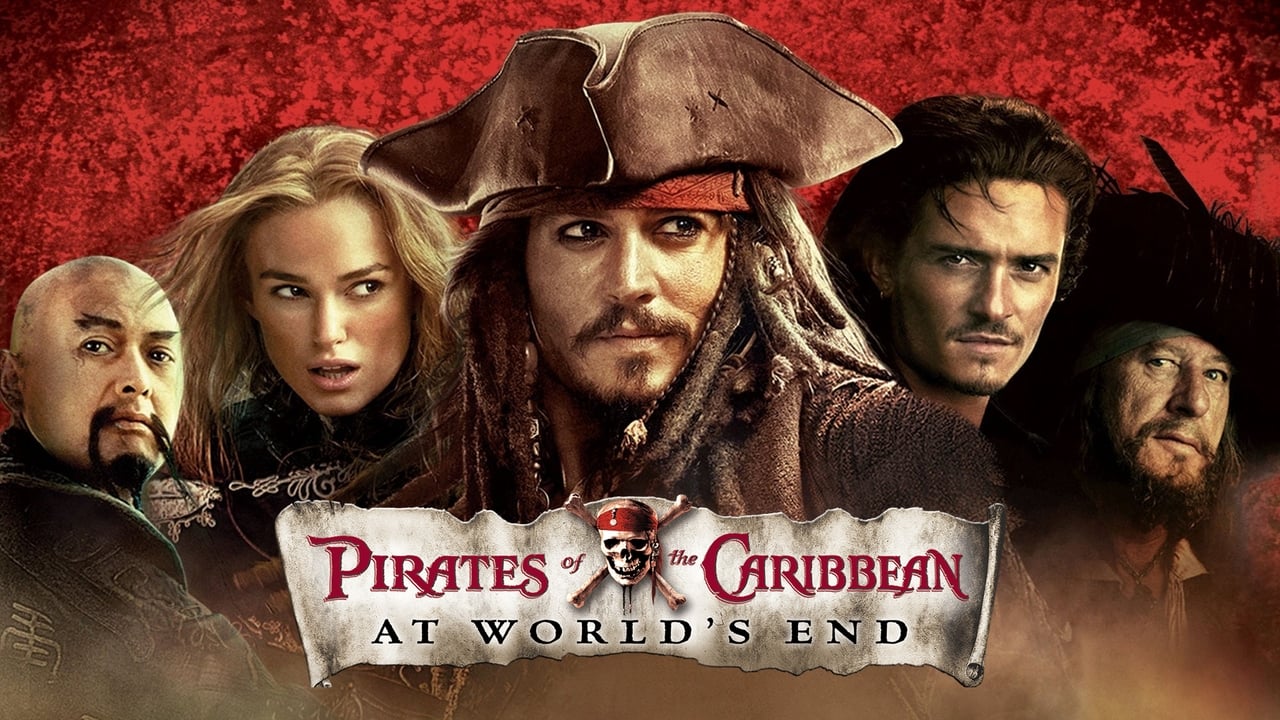
Pirates of the Caribbean: At World's End
"The map is gone, the rules have changed."
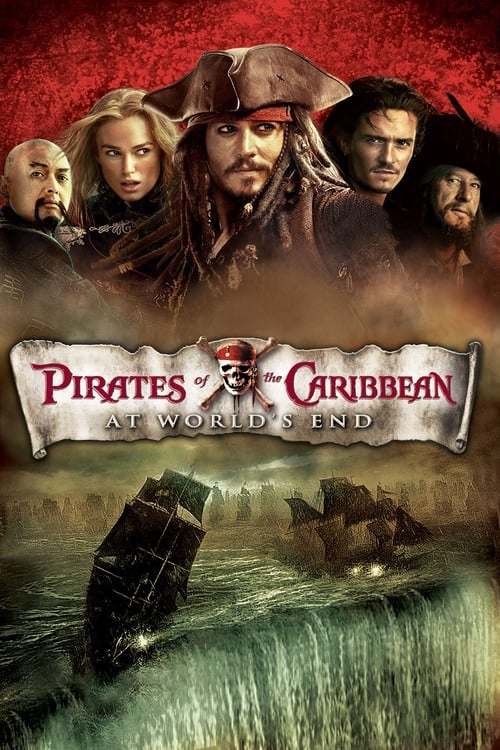
By the summer of 2007, the "Disney movie based on a theme park ride" joke had been officially buried at sea. Pirates of the Caribbean: At World’s End arrived as the gargantuan, slightly bloated, and wildly ambitious finale to a trilogy that had no right to be as good as it was. It was the "Year of the Three-quels"—we had Spider-Man 3 and Shrek the Third cluttering up the multiplex—but Gore Verbinski’s pirate epic felt different. It didn’t just want to be a blockbuster; it wanted to be a bizarre, $300 million avant-garde opera about death, bureaucracy, and a giant goddess made of crabs.
I watched this film for the first time while nursing a mild caffeine headache and wearing a hoodie that smelled faintly of a damp basement. Honestly, the slightly moldy aroma really enhanced the scenes in Davy Jones’ Locker. It felt like I was right there with Jack Sparrow, losing my mind among the white sands and the hallucinatory goats.
The Maelstrom of Ambition
If The Curse of the Black Pearl was a lean action-adventure and Dead Man's Chest was a frantic chase movie, At World’s End is a dense political thriller where everyone is constantly betraying everyone else. At one point, I’m fairly certain there are four different characters all holding the same map while planning six different mutinies. The plot is so unnecessarily complicated it feels like it was written by a lawyer who just discovered hallucinogens. But that complexity is part of the charm of this specific era of filmmaking. We were right in the middle of the "franchise formation" years, where sequels were finally being given the budgets to go absolutely insane.
Gore Verbinski, who also gave us the American remake of The Ring, brings a gorgeous, gloomy aesthetic to the high seas. This isn't the bright, tropical blue of the first film. This is a world of freezing rain, green flashes at sunset, and the looming industrial shadow of the East India Trading Company. The transition from practical sets to CGI was peaking here, and while the film uses plenty of digital wizardry, it feels heavy. When the ships collide, you feel the wood splintering.
Action Without an Anchor
The centerpiece of the film—and arguably the entire franchise—is the Maelstrom battle. It is a masterclass in staging chaos. While a literal whirlpool swallows the sea, two massive galleons engage in a broadside duel while the characters engage in a mid-battle wedding. It should be ridiculous. It is ridiculous. But the rhythm of the editing and the sheer physical scale of the stunt work keep it grounded.
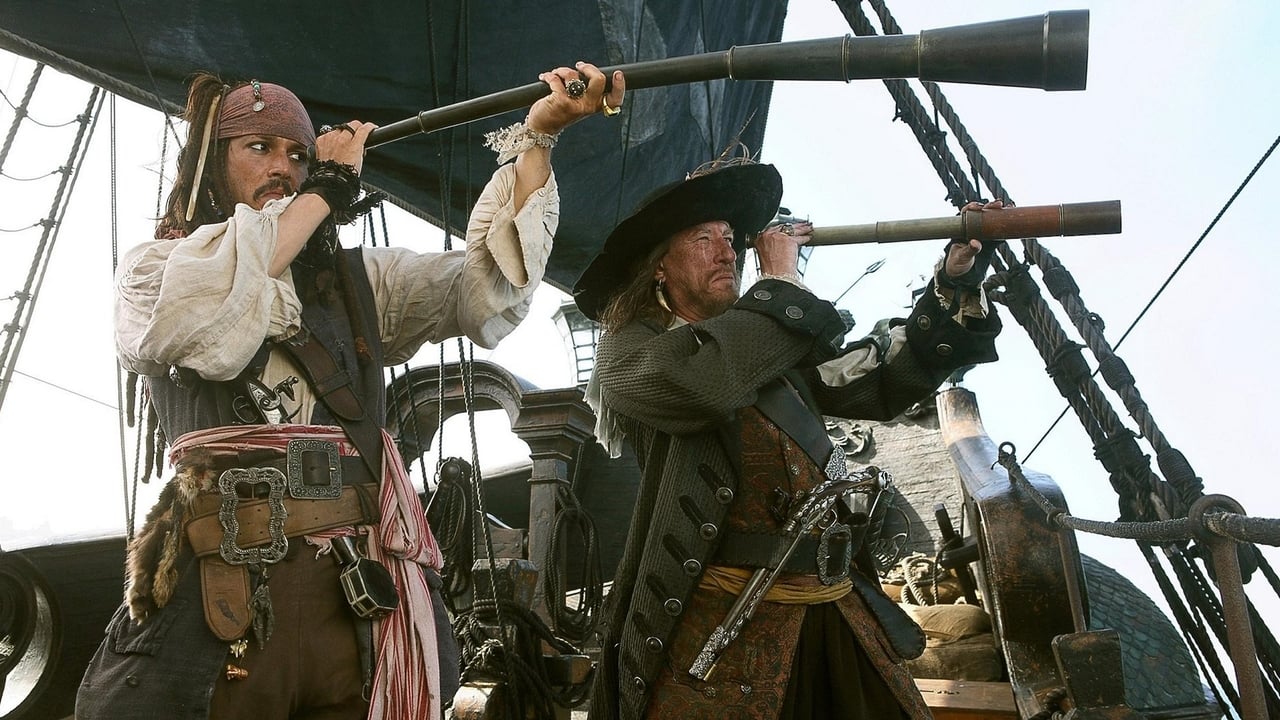
The production team actually built a massive gimbal to tilt the ships at extreme angles, drenching the actors in thousands of gallons of water every night for weeks. You can see the genuine exhaustion on Keira Knightley and Orlando Bloom as they swing through the rigging. Knightley, in particular, comes into her own here. Looking back, Elizabeth Swann is the actual protagonist of this trilogy, and Jack Sparrow is just the chaotic mascot. She goes from a governor's daughter to a Pirate King, and she sells the hell out of every sword swing.
The score by Hans Zimmer (who took over the reins from Klaus Badelt and redefined the sound of the series) is doing a lot of the heavy lifting. The track "Hoist the Colours" sets a dark, post-9/11 tone of looming doom, while the climactic cues are some of the most rousing pieces of music in 21st-century cinema. It’s the kind of music that makes you want to go out and buy a boat, even if you live in a landlocked state.
A Miracle of Motion Capture
We need to talk about Bill Nighy as Davy Jones. Even now, seventeen years later, the CGI on his tentacled face looks better than most of what we see in modern superhero movies. This was the era of Industrial Light & Magic pushing the boundaries of what motion capture could do. They didn't just paint a monster over Nighy; they captured the twitch of his lip and the sadness in his eyes. He is a tragic, Shakespearean villain trapped in a movie that also features a monkey firing a tiny cannon.
The trivia behind the scenes is just as massive as the budget. To create Singapore, the crew built a set from scratch that was 80 feet by 130 feet, including actual working waterways. They also brought in rock legend Keith Richards to play Captain Teague, Jack’s father. Apparently, Johnny Depp based his entire performance on Richards, so seeing them share a frame feels like a strange meta-circle being closed. The production was so large that they were often writing the script while filming, which explains why the middle hour feels like a beautiful, confusing fever dream.
The film is definitely too long—169 minutes is a lot of time to spend wondering who has the key to whose heart—but it’s never boring. It represents a moment in Hollywood history where "too much" was just the starting point. It’s a spectacular, weird, and surprisingly moving conclusion to the original story. Even if you lose track of who is betraying whom, the sight of the Black Pearl sailing over a desert on the backs of a million crabs is an image you won't soon forget.
The trilogy ended here, and despite the many sequels that followed, this feels like the true goodbye. It’s a film that demands a large screen, a loud sound system, and a willingness to get lost in the fog. It captures the transition from the practical effects of the 90s to the digital landscapes of the 2010s perfectly, standing as a monument to what happens when you give a visionary director all the money in the world and tell him to go find the horizon.
Keep Exploring...
-

Pirates of the Caribbean: Dead Man's Chest
2006
-
Pirates of the Caribbean: The Curse of the Black Pearl
2003
-
Pirates of the Caribbean: On Stranger Tides
2011
-
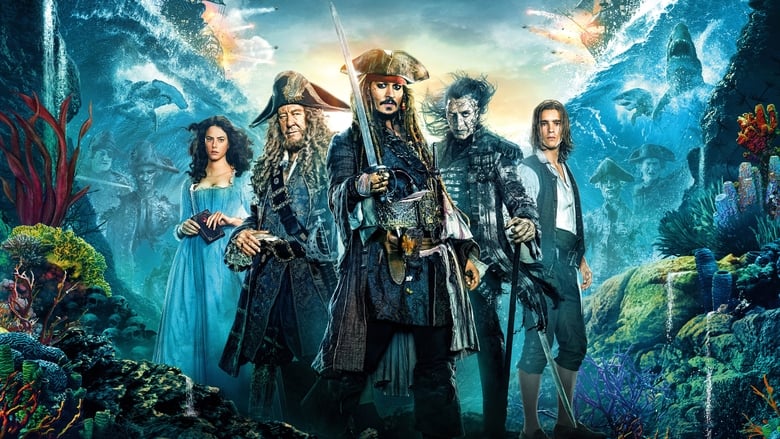
Pirates of the Caribbean: Dead Men Tell No Tales
2017
-
The Lone Ranger
2013
-
Rango
2011
-

Night at the Museum
2006
-
Avatar
2009
-

Puss in Boots
2011
-
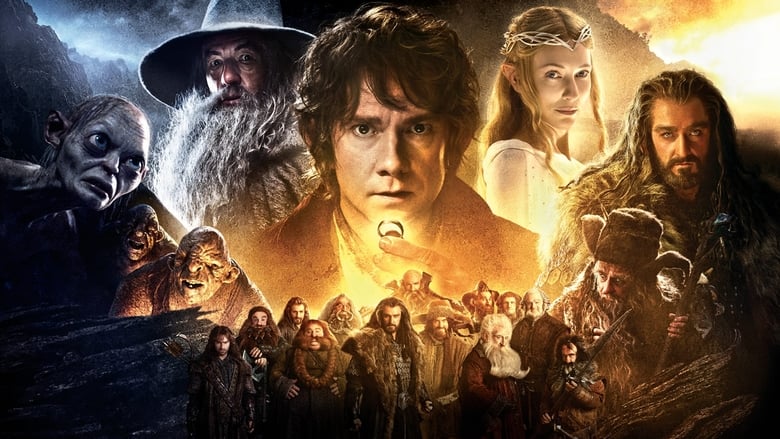
The Hobbit: An Unexpected Journey
2012
-

The Hobbit: The Desolation of Smaug
2013
-
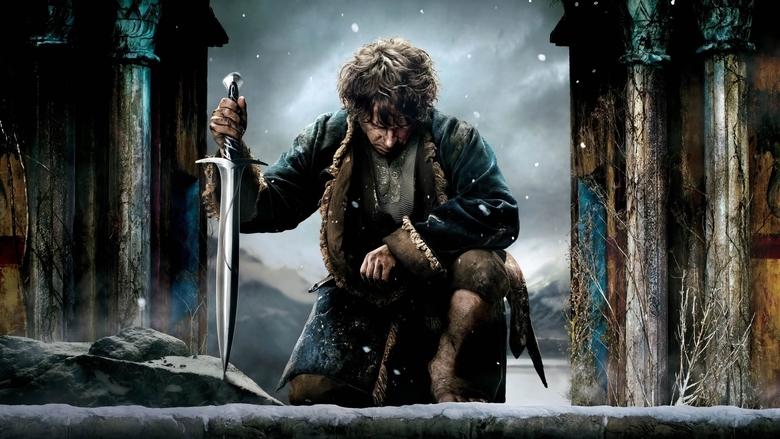
The Hobbit: The Battle of the Five Armies
2014
-
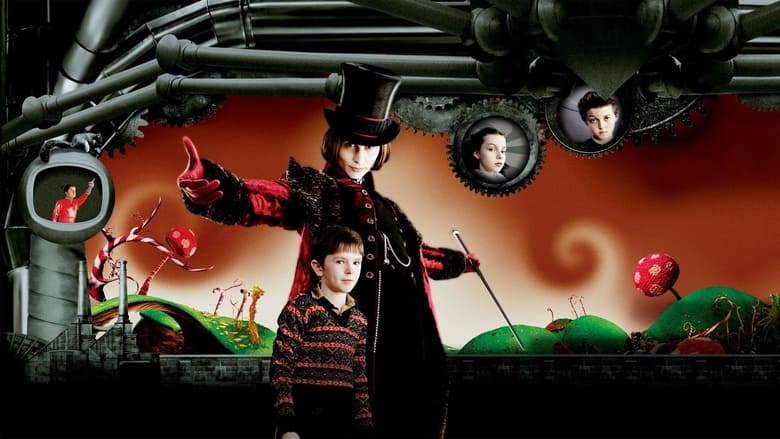
Charlie and the Chocolate Factory
2005
-
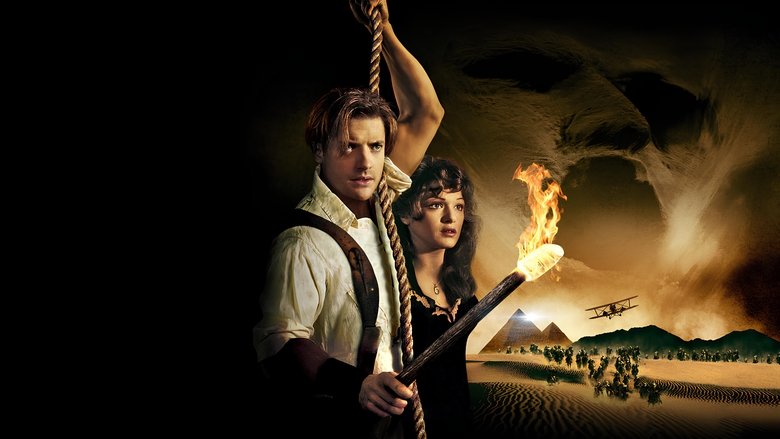
The Mummy
1999
-
The Mummy Returns
2001
-
Thor: The Dark World
2013
-
How to Train Your Dragon 2
2014
-
Maleficent
2014
-

Small Soldiers
1998
-

Sinbad: Legend of the Seven Seas
2003