Ratatouille
"A film that proves the most high-stakes drama can happen inside a soup pot."
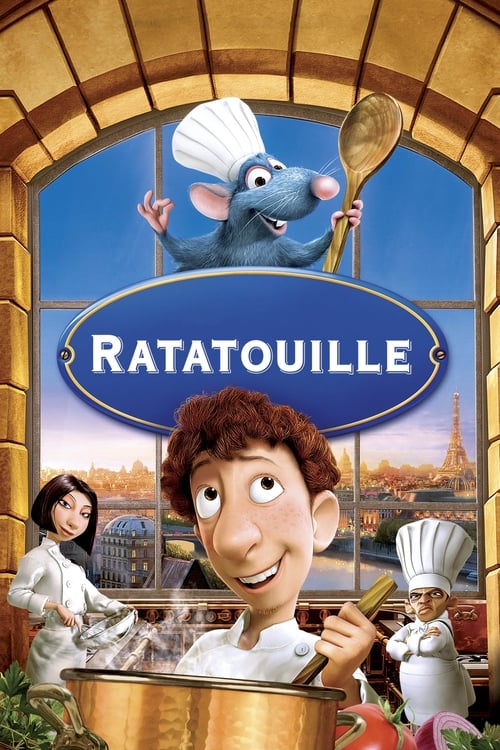
I recently rewatched Ratatouille on a Tuesday afternoon while ignoring a pile of laundry and snacking on a sleeve of slightly stale saltine crackers. The irony of eating bottom-tier pantry staples while watching the most lush, visually delicious depiction of French haute cuisine ever committed to digital storage wasn’t lost on me. It’s been well over a decade since Brad Bird stepped in to steer this production, and yet, the film hasn’t aged a day. If anything, in our current era of hyper-saturated, frantic sequels, this movie feels like a cool glass of Sancerre in a room full of Red Bull.
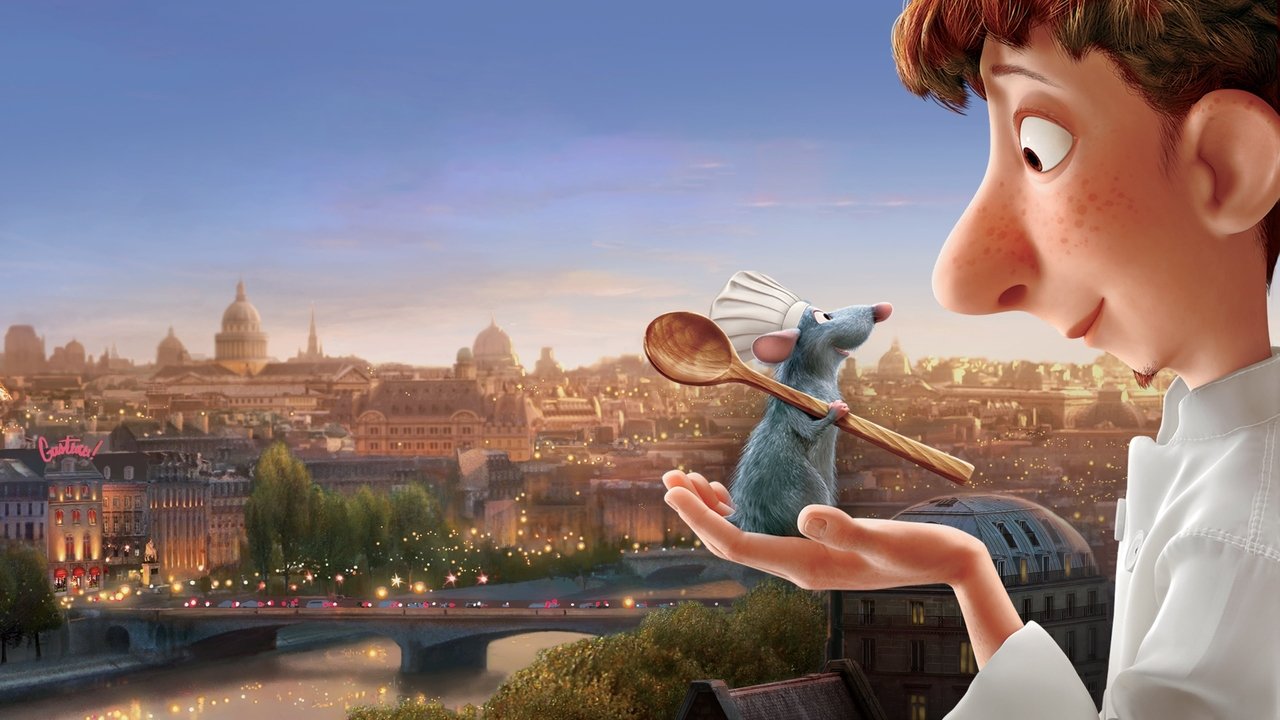
The Kitchen as a Battlefield
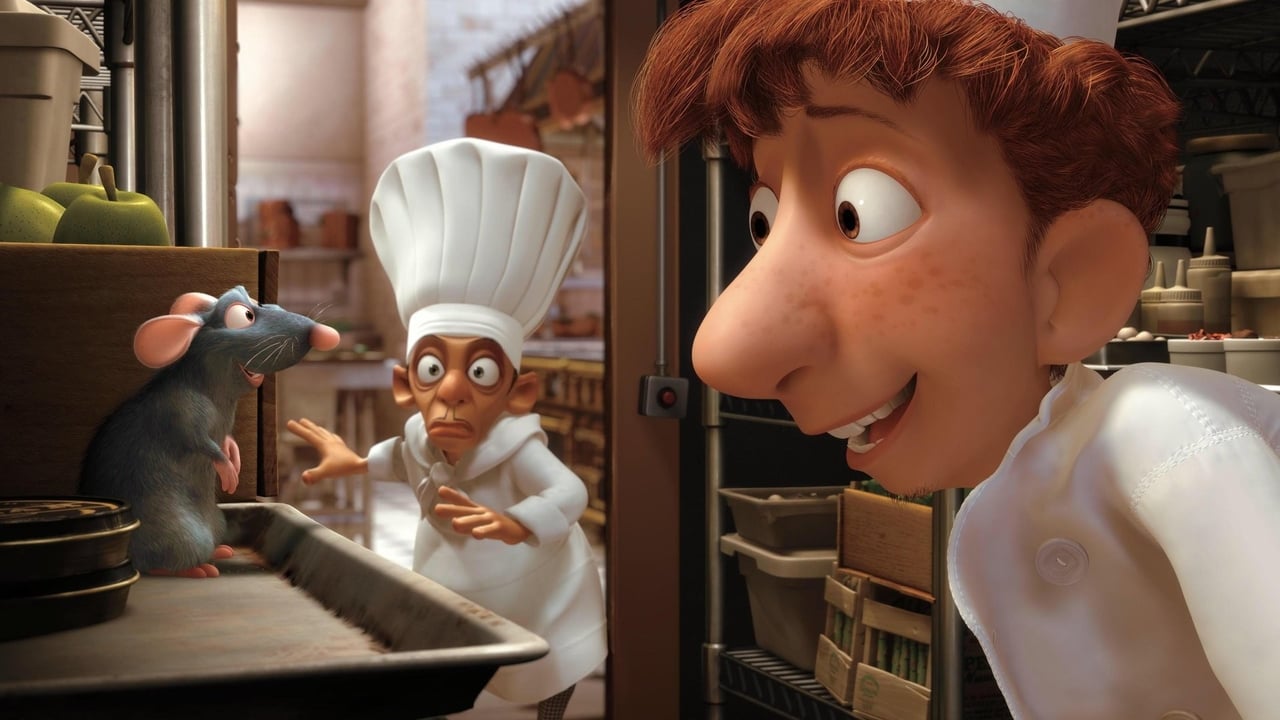
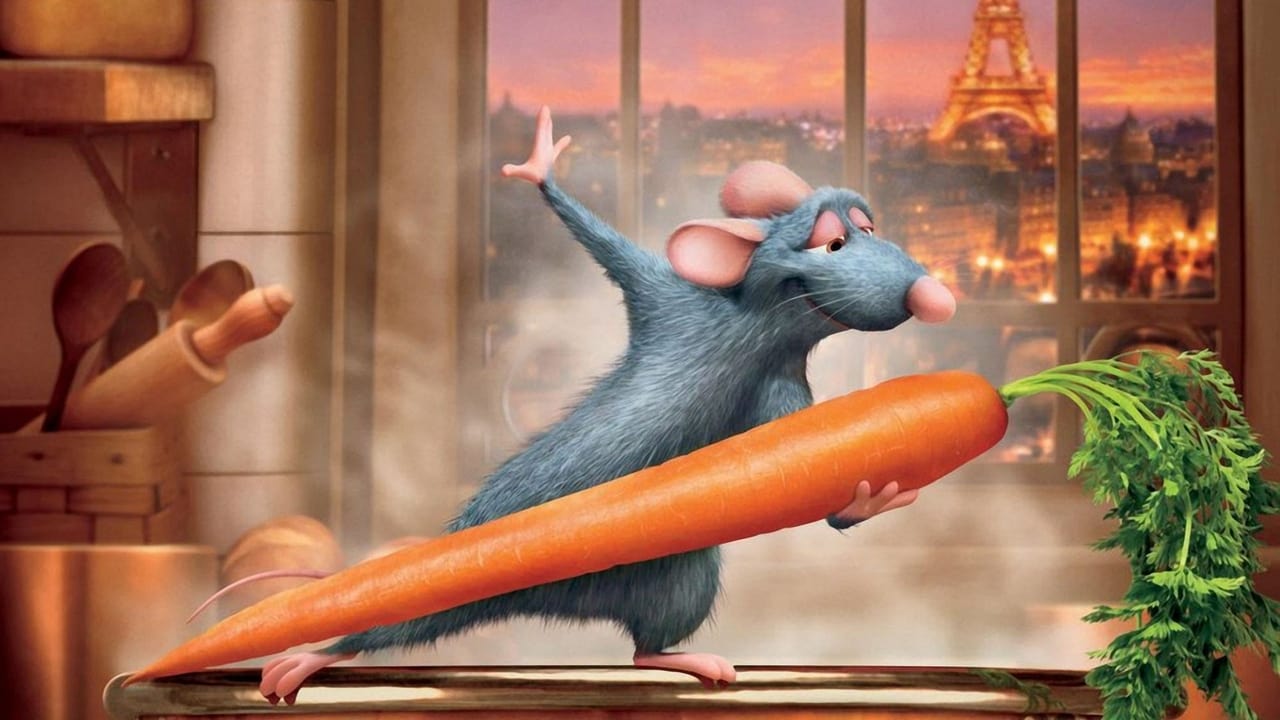
The premise is, on paper, a health inspector’s worst nightmare. A rat named Remy (Patton Oswalt) wants to cook. Not just scavenge, but compose. He finds a human vessel in Linguini (Lou Romano), a garbage boy with the coordination of a newborn giraffe. The comedy here is remarkably physical; the sequences where Remy controls Linguini by tugging on his hair are essentially a high-stakes marionette show. It’s slapstick, sure, but it’s executed with such rhythmic precision that it feels more like a dance.
Patton Oswalt brings a nervous, infectious energy to Remy that makes you forget you’re rooting for a rodent in a professional kitchen. Meanwhile, Ian Holm as the diminutive, paranoid Chef Skinner is a masterclass in vocal range. He plays Skinner like a man constantly on the verge of a spontaneous combustion. I’ve always felt that Skinner’s mustache deserves its own separate billing for the amount of emotional heavy lifting it does during his various tantrums.
The Beauty of the Burn
Looking back at 2007, Pixar was in the middle of a run that felt statistically impossible. They were moving from the superheroics of The Incredibles into the silent-film risks of WALL-E, but Ratatouille was the one that felt the most "adult" without ever alienating kids. It was a massive financial gamble—a $150 million movie about a rat—but it paid off to the tune of over $620 million.
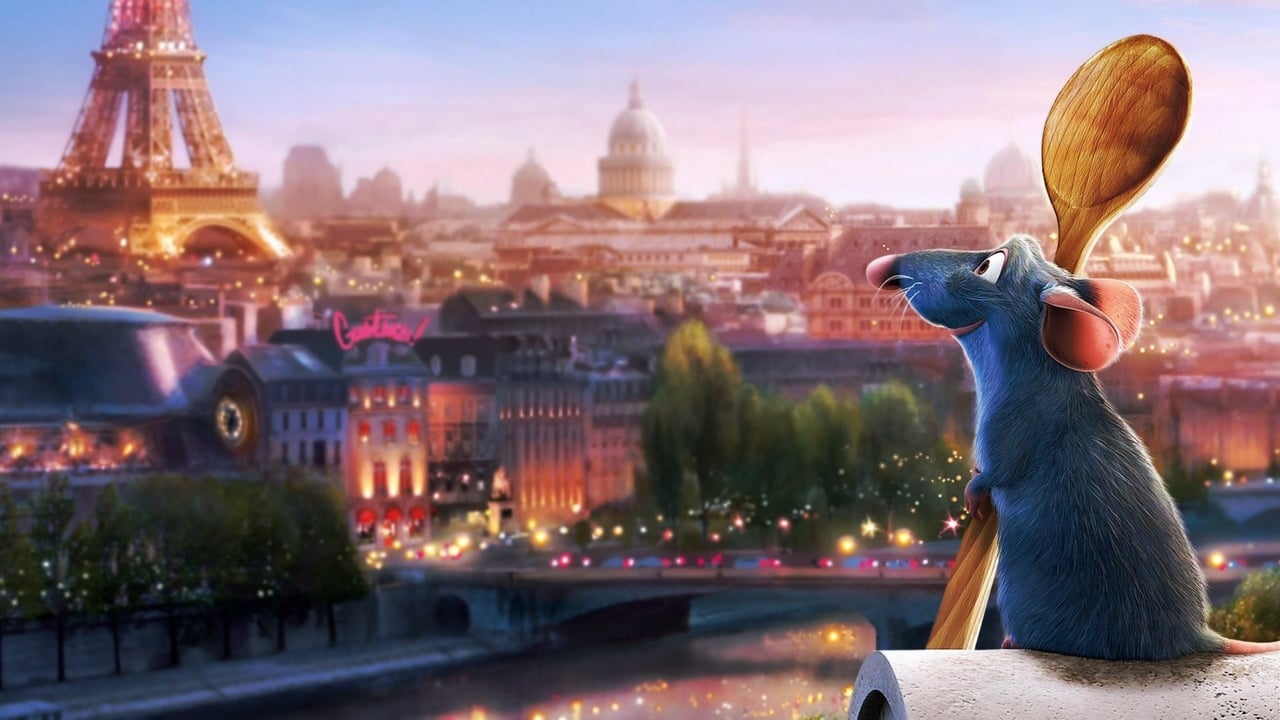
The technical leap here was massive. This was the era where CGI started to move away from looking like polished plastic and began to embrace texture. To get the food right, the crew actually spent time in Paris, eating at the finest restaurants and taking thousands of photos. They even consulted legendary chef Thomas Keller to design the titular dish. Apparently, the animators also created a literal compost pile of rotting produce to see how different vegetables actually decompose, just to ensure the "trash" Remy rejects looked authentic. It’s that level of obsessive detail that makes the world feel lived-in.
The lighting, handled by Sharon Calahan, is what really does it for me. She treated the film like a live-action shoot, using "warm" lighting for the kitchen and a cooler, romanticized glow for the Parisian streets. It’s the kind of cinematography that makes you want to crawl into the screen and live there, provided you don't mind the occasional sewer detour.
The Ego and the Id
While the slapstick keeps the pace up, the heart of the film belongs to the "villain," the food critic Anton Ego. Voiced by the legendary Peter O'Toole (who brought more gravity to a cartoon critic than most actors bring to Shakespeare), Ego is the personification of every cynical thought I’ve ever had while writing a review.

The climax isn’t a big explosion or a frantic chase; it’s a man eating a piece of squash and being transported back to his childhood. It’s a bold choice for a "family film" to hinge its entire emotional resolution on the concept of sensory memory. The final monologue from Ego is essentially a direct attack on anyone who thinks critics are more important than the people actually making things, and I felt that sting in my soul while I sat there with my saltines.
The score by Michael Giacchino—who I’m convinced has accordion music flowing through his veins—perfectly underscores the tension. It’s whimsical when it needs to be, but it’s also surprisingly frantic during the kitchen rushes. It captures that specific "service" energy: the heat, the clinking of copper pans, and the constant fear that everything is about to boil over.
Ratatouille remains the gold standard for how to blend high-concept art with broad, accessible comedy. It manages to be a movie about the struggle of the artist, the elitism of the culinary world, and a guy who gets his hair pulled by a rat, all without missing a beat. It’s a reminder that Pixar, at its peak, wasn’t just making movies for children; they were making movies for anyone who has ever felt like they didn't belong in the room where they were most inspired.
Even if that room is a kitchen and you’re a rat. Or if that room is my living room and I’m a guy who really needs to do his laundry.
Keep Exploring...
-
Shrek 2
2004
-
Hotel Transylvania
2012
-
The Lego Movie
2014
-

The SpongeBob SquarePants Movie
2004
-
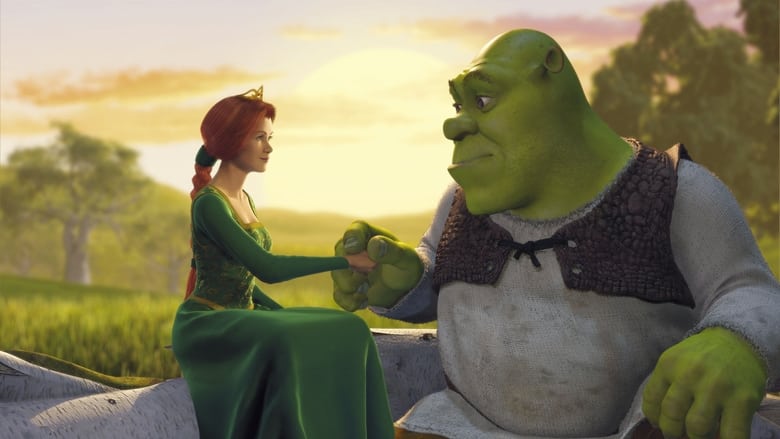
Shrek
2001
-
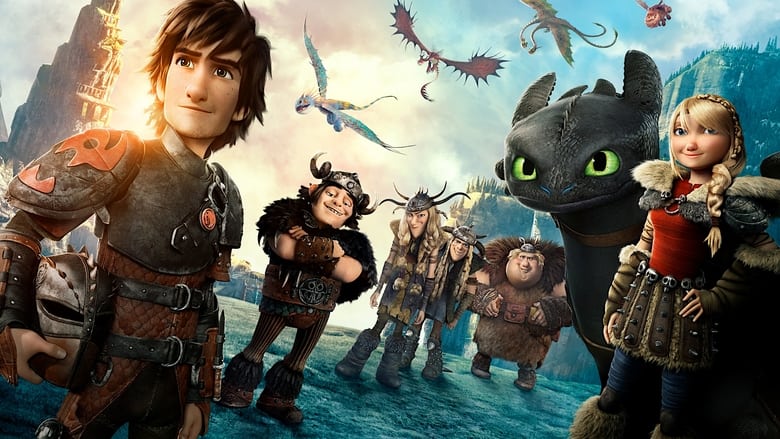
How to Train Your Dragon 2
2014
-
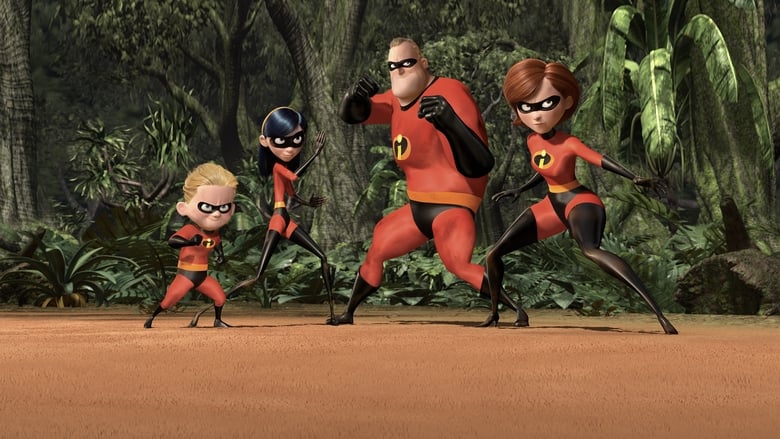
The Incredibles
2004
-
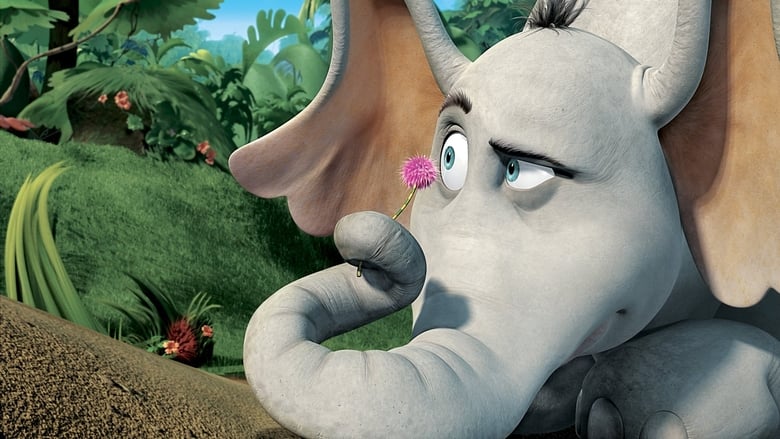
Horton Hears a Who!
2008
-

Sinbad: Legend of the Seven Seas
2003
-
Despicable Me
2010
-

Brave
2012
-

Puss in Boots
2011
-
Partly Cloudy
2009
-

Ice Age
2002
-

Lilo & Stitch
2002
-
Charlie and the Chocolate Factory
2005
-

Madagascar
2005
-
Cars
2006
-

The Simpsons Movie
2007
-
Kung Fu Panda
2008