Resident Evil: Extinction
"Alice in Zombieland, where the desert bites back."
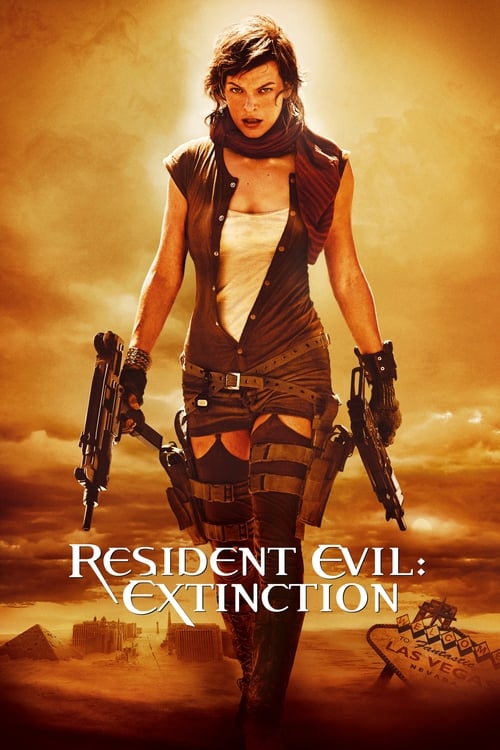
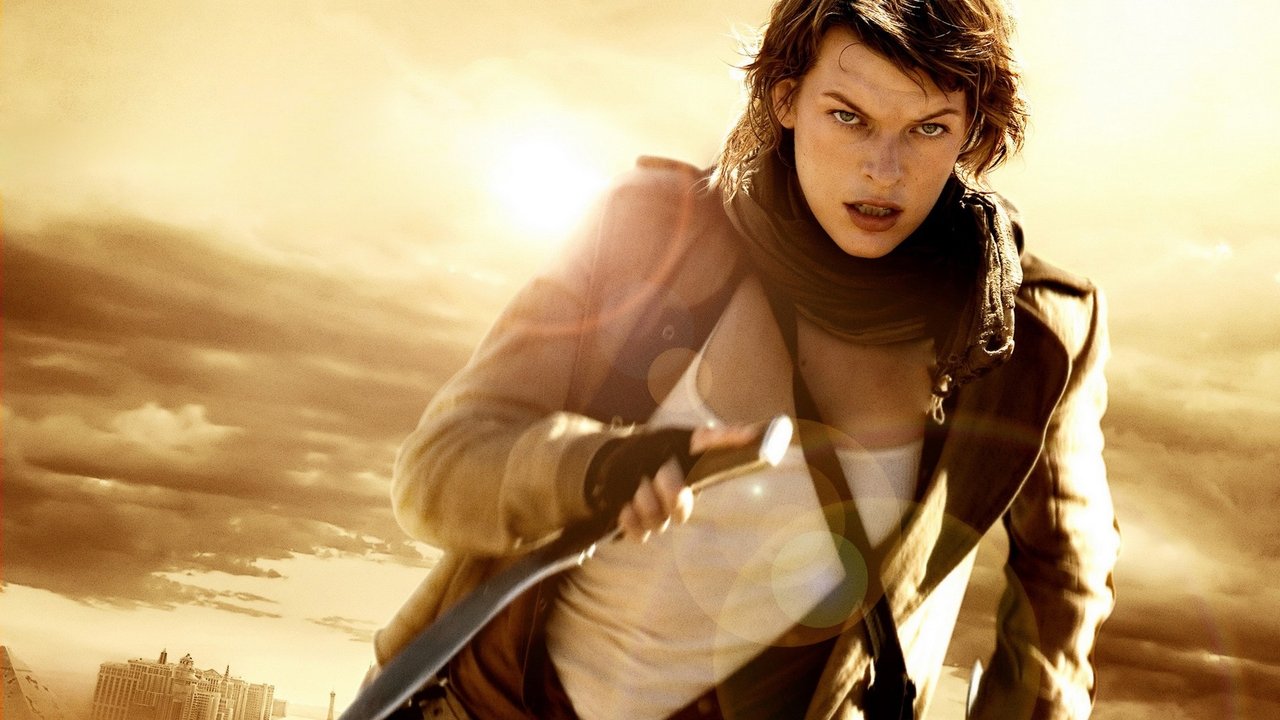
I remember trying to replicate Milla Jovovich’s iconic desert scarf look using a dusty bedsheet in my college dorm, only to trip over a cordless phone and realize I didn’t quite have the "super-soldier" grace required for the apocalypse. That’s the thing about Resident Evil: Extinction—it’s a movie that makes the end of the world look suspiciously fashionable. While the first film was a claustrophobic lab thriller and the second was a chaotic city brawl, Extinction pivots hard into the sun-bleached, post-apocalyptic aesthetic that dominated the mid-2000s.
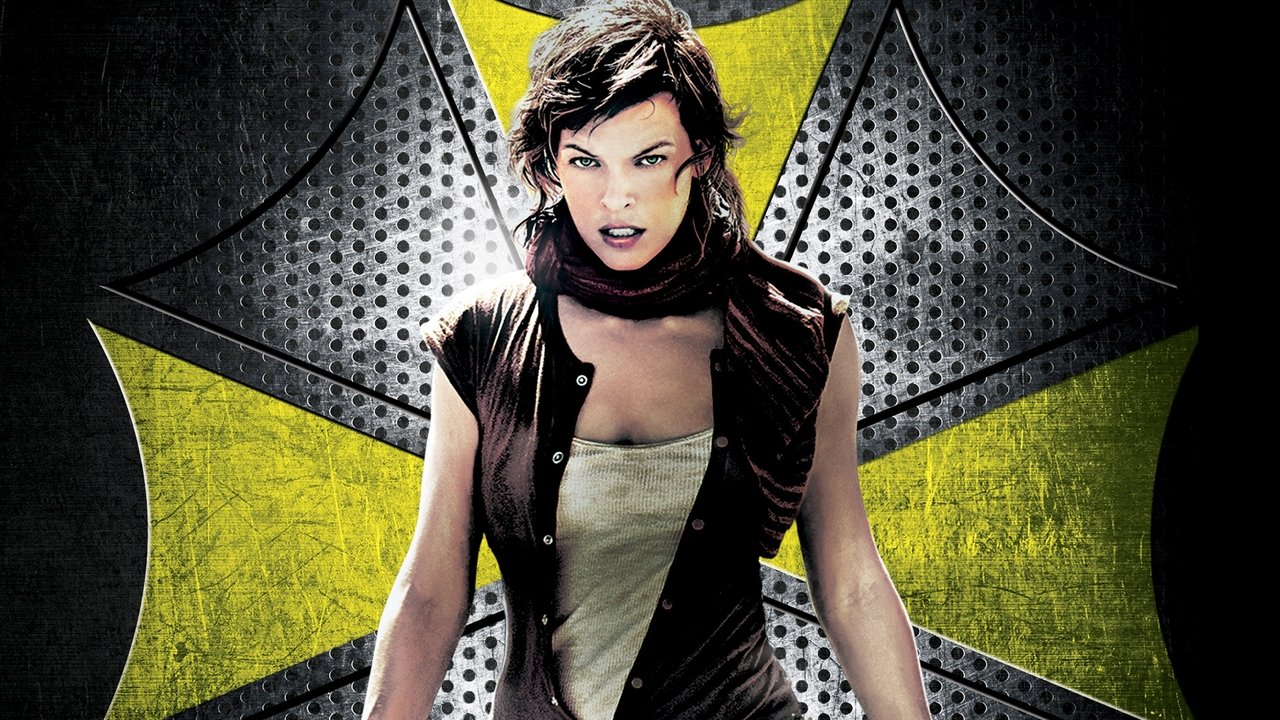
Mad Max with a T-Virus Twist
Director Russell Mulcahy—the man who gave us the stylistic feast of Highlander—takes over the reins from Paul W. S. Anderson (who stayed on as writer/producer), and the shift in visual language is immediate. We move from the blue-hued shadows of the Raccoon City ruins into the blinding, oppressive heat of the Nevada desert. Looking back, this was a bold move. It effectively turned the franchise from a survival-horror series into a "road movie from hell."
The plot follows a convoy of survivors led by Ali Larter’s Claire Redfield (finally making her live-action debut) and the returning, perpetually charismatic Oded Fehr as Carlos Olivera. They’re roaming the wasteland in armored school buses, looking for fuel, food, and the mythical "clean" air of Alaska. I’ve always found the 2007-era anxiety about resource scarcity reflected here to be quite telling; it’s very much a post-9/11 action film, where the threat isn't just a monster in the dark, but the collapse of every infrastructure we take for granted.
Alice’s Superhero Problem
Then there’s Alice. By this third installment, Milla Jovovich isn’t just a survivor; she’s basically a Jedi. The Umbrella Corporation’s experimentation has granted her telekinetic powers that allow her to incinerate entire flocks of zombie crows. While this makes for some "early-CGI-glory" spectacles, it does rob the film of some genuine horror tension. It’s a movie that prioritizes looking cool over making a lick of sense. When Alice is on screen, the zombies aren't a threat; they’re just target practice.

The horror elements that do work are the ones that lean into the "Super Undead" concept. Umbrella, led by a delightfully hammy Iain Glen as Dr. Isaacs, is trying to domesticate the zombies. The scene where a shipping container full of "upgraded" ghouls is unleashed on the convoy is genuinely tense. The makeup effects, though increasingly supplemented by 2007-era digital polish, still have enough grit to make you cringe. Iain Glen’s Dr. Isaacs has the survival instincts of a suicidal lemming, yet his descent into a tentacled, mutated mess provides the creature-feature finale the genre demands.
The Peak of the DVD Era
This film arrived at the absolute zenith of DVD culture. I remember pouring over the "Making Of" features on the disc, watching how the production team built the ruins of Las Vegas in the Mexican desert. They literally buried a portion of the "Strip" in sand. It’s the kind of practical-meets-digital ambition that feels specific to that transitional period in cinema. You have Ashanti and Christopher Egan rounding out a cast that feels like a time capsule of mid-2000s stardom, all of them doing their best to look gritty while being filmed with the high-contrast, saturated palette of cinematographer David Johnson.
What’s fascinating in retrospect is how Extinction paved the way for the "franchise mentality" we see today. It wasn't just a sequel; it was world-building on a global scale. It showed that the Resident Evil brand could survive being stripped of its original "spooky house" identity. Despite a $45 million budget—modest by today’s standards—it raked in over $147 million, proving that audiences were hungry for female-led action long before the industry made it a standard board-room mandate.
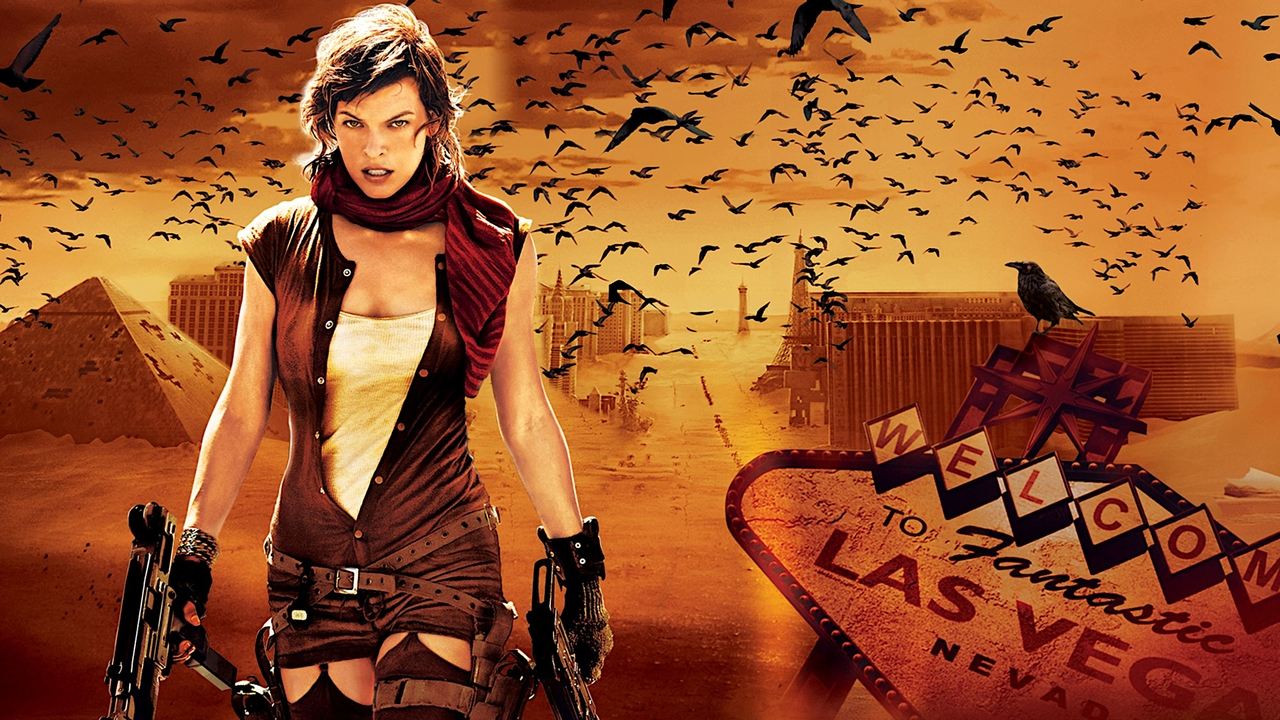
Resident Evil: Extinction is a loud, dusty, and occasionally ridiculous piece of popcorn cinema that works best if you don't ask too many questions about the physics of telekinesis. It captures a specific moment in the late 2000s when action movies were trying to find their footing between practical grit and digital excess. It’s not a masterpiece of horror, but as a stylized "zombie-western," it remains the most visually interesting entry in the original hexalogy.
The film ends on a cliffhanger that promised a "Clone Wars" future for the series, one that the subsequent sequels would struggle to live up to. But for 94 minutes, it’s a fun, sun-scorched ride through a world that’s already gone to the dogs—or in this case, the crows. If you find yourself with an hour and a half to kill and a craving for desert-based carnage, you could do a lot worse than watching Alice kick some Umbrella-branded teeth in.
Keep Exploring...
-
Resident Evil: Afterlife
2010
-

Resident Evil
2002
-
Resident Evil: Retribution
2012
-
Resident Evil: Apocalypse
2004
-
Resident Evil: The Final Chapter
2016
-
AVP: Alien vs. Predator
2004
-
Species
1995
-
Alien³
1992
-
Pandorum
2009
-
Blade: Trinity
2004
-
Carriers
2009
-
Spy Kids 2: The Island of Lost Dreams
2002
-
Dawn of the Dead
2004
-
Cloverfield
2008
-
Death Race
2008
-
Predators
2010
-

In Time
2011
-
Lake Placid
1999
-
Resident Evil: Degeneration
2008
-
Resident Evil: Damnation
2012