Rush Hour 3
"Big budget, loud banter, and a Parisian victory lap."
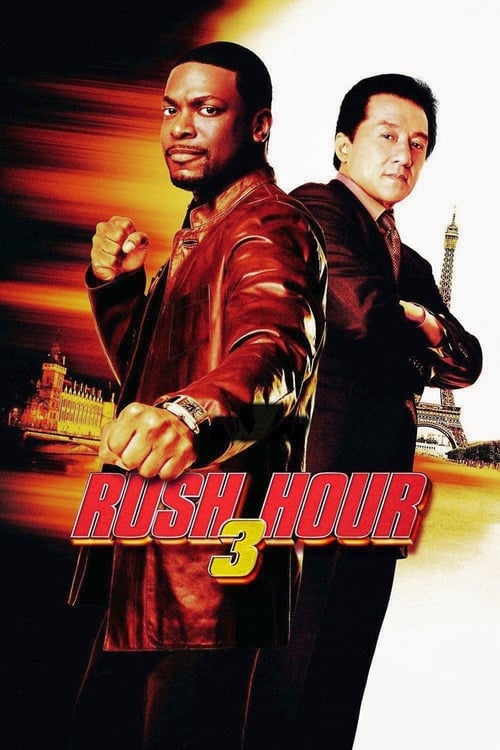
There is a specific kind of financial insanity that only existed in the mid-2000s, and it’s perfectly crystallized in the fact that Rush Hour 3 cost $140 million to produce. To put that in perspective, that’s about the same budget as the first Iron Man. I watched my copy on a scratched DVD I bought for three dollars at a garage sale that still smelled faintly of old dryer sheets, and even through the digital artifacts of a poorly cared-for disc, you can see every cent of that money on the screen—and a good chunk of it probably went straight into Chris Tucker’s pocket.
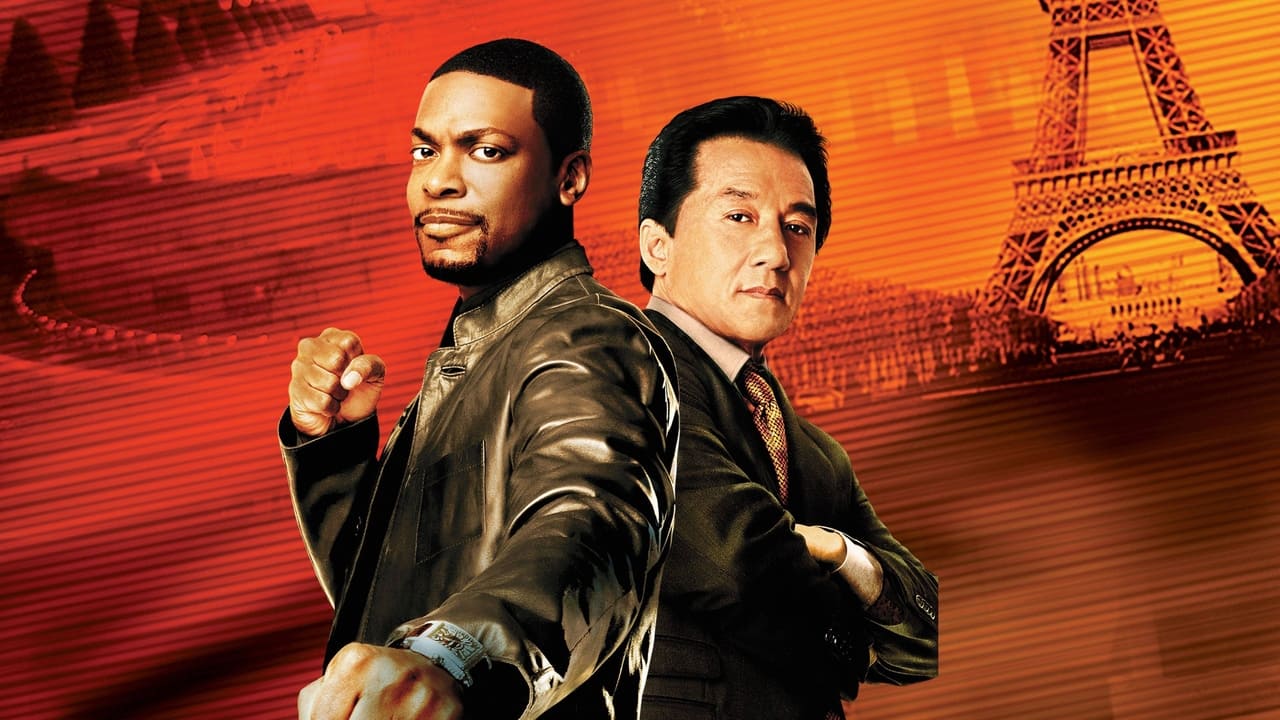
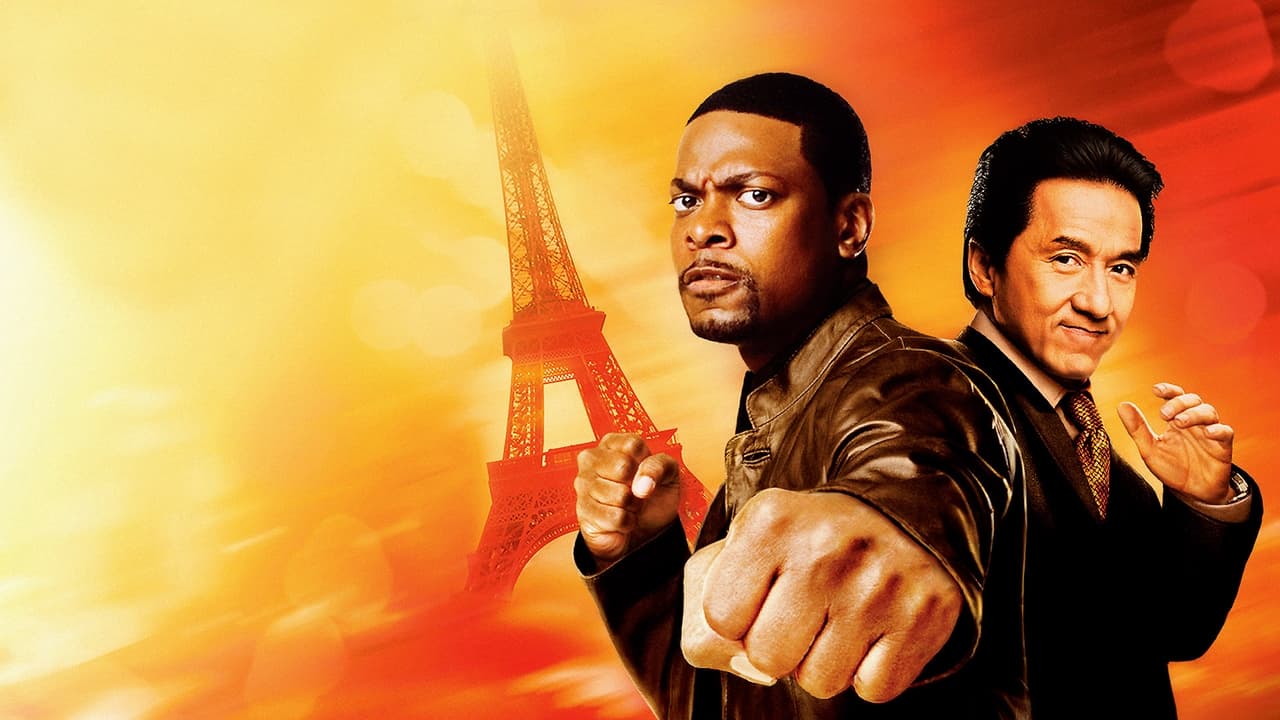
By 2007, the "three-quel" fever was at a breaking point. We were getting the third installments of Spider-Man, Shrek, and Pirates of the Caribbean. The culture was obsessed with completing trilogies, even if the creative tank was running on fumes. Rush Hour 3 doesn't try to reinvent the wheel; it just takes the wheel, gold-plates it, and drives it straight into the Eiffel Tower. It’s the cinematic equivalent of a high-school reunion where everyone’s a little older, a little richer, and mostly just happy to be back in the same room.
Banter, Bruises, and the Parisian Pivot
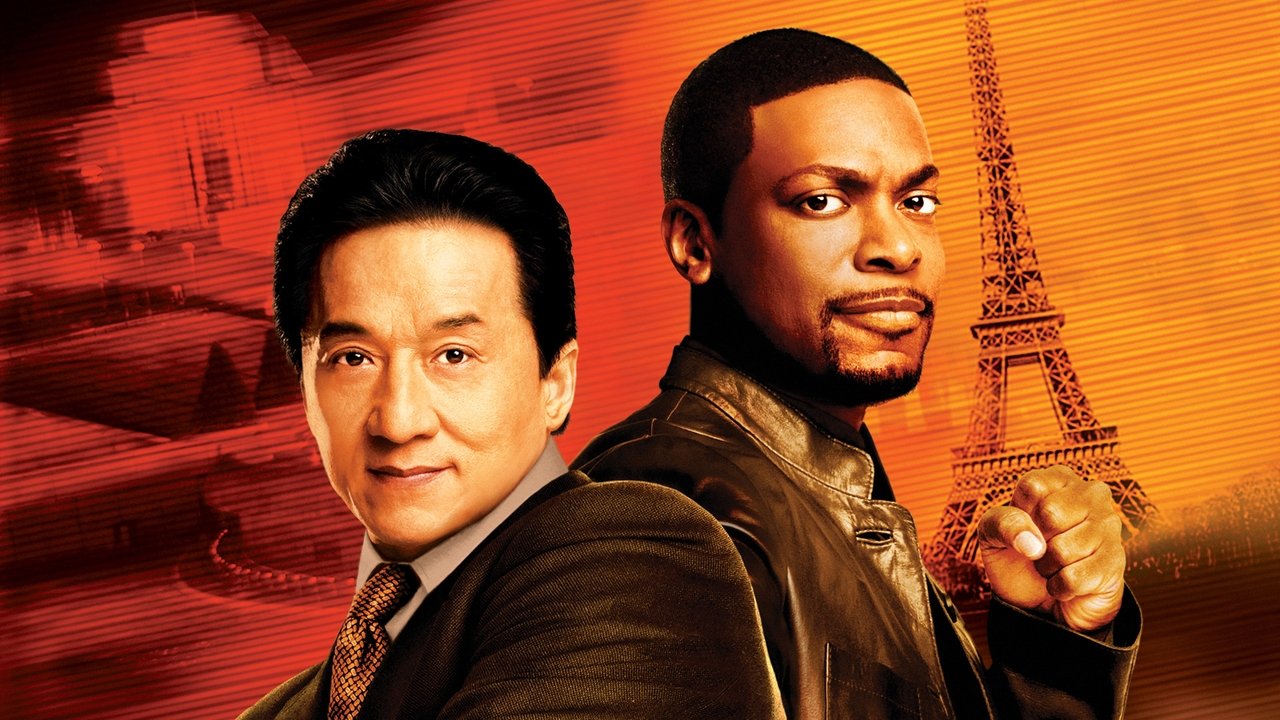
The plot is almost aggressively secondary. Something about a Triad assassination attempt on Ambassador Han and a secret list of crime bosses called the Shy Shen. But let's be honest: nobody is here for the geo-political intricacies of the Triads. We’re here to see Jackie Chan (Chief Inspector Lee) look disappointed while Chris Tucker (Detective James Carter) says something wildly inappropriate.
Looking back, the action choreography shows the inevitable transition of the era. Jackie Chan was 53 here, and while he’s still more mobile than 99% of the human population, you can see the shift toward more controlled, wire-assisted set pieces compared to the raw, frantic energy of his Police Story days. However, the climax on the Eiffel Tower is a genuine feat of scale. Director Brett Ratner (who also helmed X-Men: The Last Stand around this time) understands that if you’re going to Paris, you might as well use the most cliché landmark possible as a giant jungle gym. The wind, the heights, and the sheer verticality of that final fight offer a sense of "big-budget spectacle" that feels increasingly rare in an age of green-screened Marvel landscapes.
The Weirdest Casting Couch in Cinema
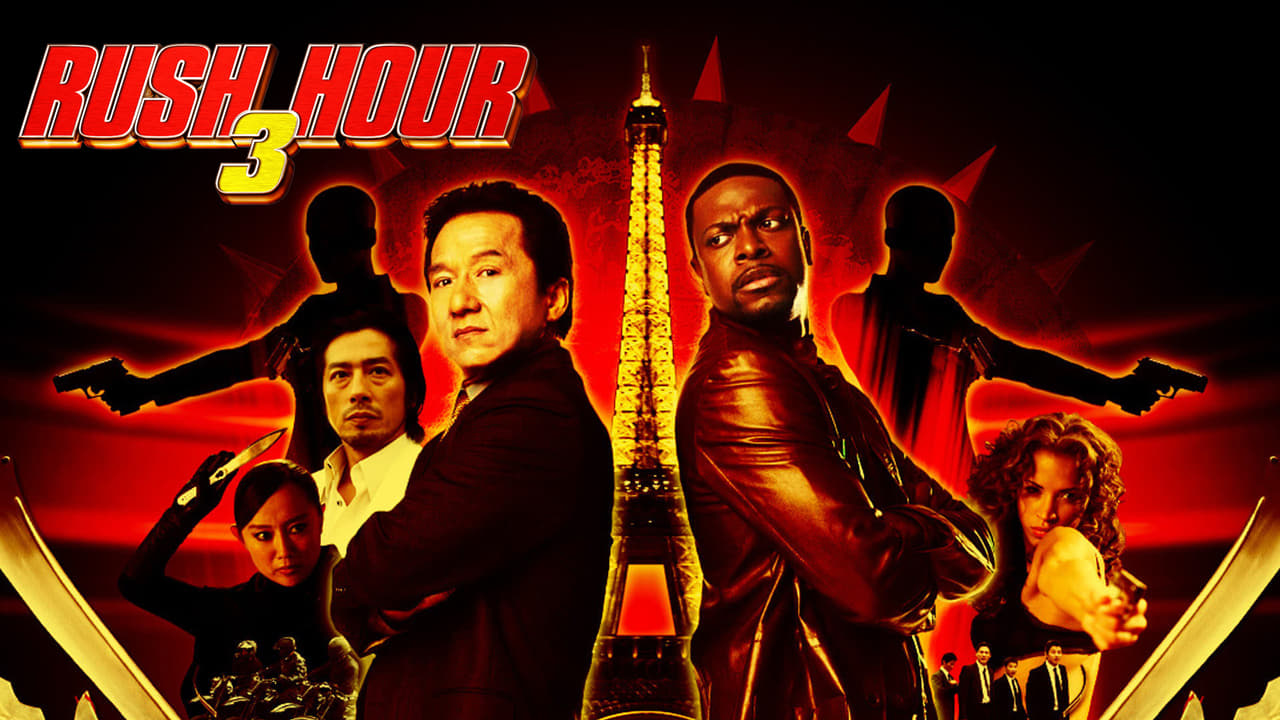
If you want to talk about "oddities," Rush Hour 3 is a goldmine of bizarre casting. We have the legendary Max von Sydow (the man from The Seventh Seal and The Exorcist!) playing a high-ranking official, looking like he wandered onto the wrong soundstage but decided to stay for the catering. Then there’s the Roman Polanski cameo. Yes, that Roman Polanski. He plays a French police official who subjects our heroes to a cavity search. It’s the weirdest casting choice of the decade, a tonal "record scratch" moment that feels even more uncomfortable in retrospect than it did in 2007.
But the real MVP of the supporting cast is Yvan Attal as George, the French taxi driver who hates Americans until he gets a taste of their "action movie" lifestyle. His transformation from a pacifist snob to a gun-toting enthusiast who wants to "kill for no reason" is a hilarious, if cynical, subversion of the "grumpy Frenchman" trope. It’s these weird detours that give the film its cult flavor. It’s a bloated $140 million ego trip, yet it possesses a strange, frantic charm that’s hard to hate.
Stuff You Didn't Notice
The production was a logistical nightmare that fans of the "DVD supplement" era will remember fondly. Chris Tucker famously held out for a $25 million salary and "final cut" approval, which is why the gap between the second and third films was six long years. By the time they got to Paris, the budget was so high that they actually had to find ways to trim costs—hence the heavy use of the Eiffel Tower, as the city of Paris was surprisingly accommodating with filming permits to boost tourism.
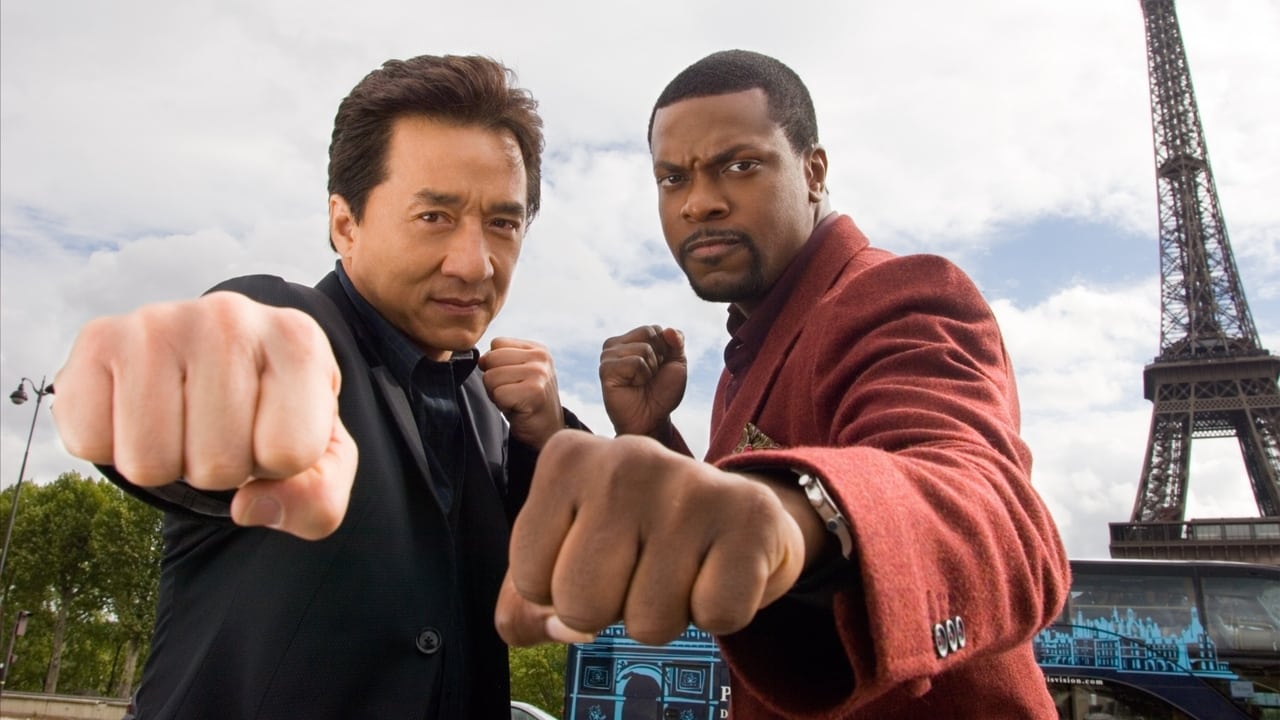
Also, keep an eye on the fight in the hospital at the beginning. Jackie Chan’s stunt team had to work overtime because the "modern" style of editing—fast cuts and shaky cam—was beginning to dominate Hollywood. Jackie, a purist for wide shots and long takes, fought to keep the action readable. While he didn't win every battle with the editor, the choreography still carries that signature Chan rhythm where the environment is as much a weapon as the fists.
Ultimately, Rush Hour 3 is the cinematic equivalent of a comfortable pair of old sneakers that are starting to get holes in the soles. The chemistry between Jackie Chan and Chris Tucker is the only thing keeping the film from collapsing under its own weight, but that chemistry is undeniably potent. They play off each other with a shorthand that only comes from years of shared history. It’s a relic of a time when you could throw a hundred million dollars at two guys shouting at each other in a taxi and call it a summer blockbuster. It’s not the best in the series—not by a long shot—but it’s a fascinating, funny, and occasionally breathtaking end to an era of action-comedy.
Keep Exploring...
-
Rush Hour 2
2001
-
Rush Hour
1998
-

Tower Heist
2011
-
Bad Boys II
2003
-
The A-Team
2010
-

The Green Hornet
2011
-
The Tuxedo
2002
-
Beverly Hills Cop III
1994
-
Lethal Weapon 4
1998
-
Shanghai Knights
2003
-
Around the World in 80 Days
2004
-
2 Guns
2013
-
RED 2
2013
-
Shanghai Noon
2000
-

RED
2010
-
The Family
2013
-
Rumble in the Bronx
1995
-

Taxi
1998
-
National Security
2003
-
Taxi
2004