Shrek the Third
"Heavy is the head that wears the swamp."
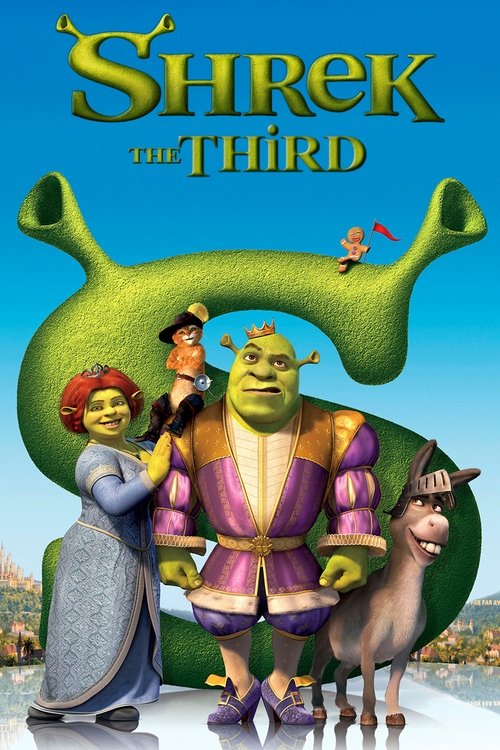
The year was 2007, and the world belonged to a green ogre with questionable hygiene. I remember sitting in a theater that smelled overwhelmingly of lemon-scented floor cleaner and stale Nacho Cheese Doritos, watching the trailers for Spider-Man 3 and Transformers, realizing we were at the absolute peak of the "Three-quel" era. Everything was a trilogy. Everything was bigger, louder, and—in the case of Shrek the Third—a little bit more crowded.
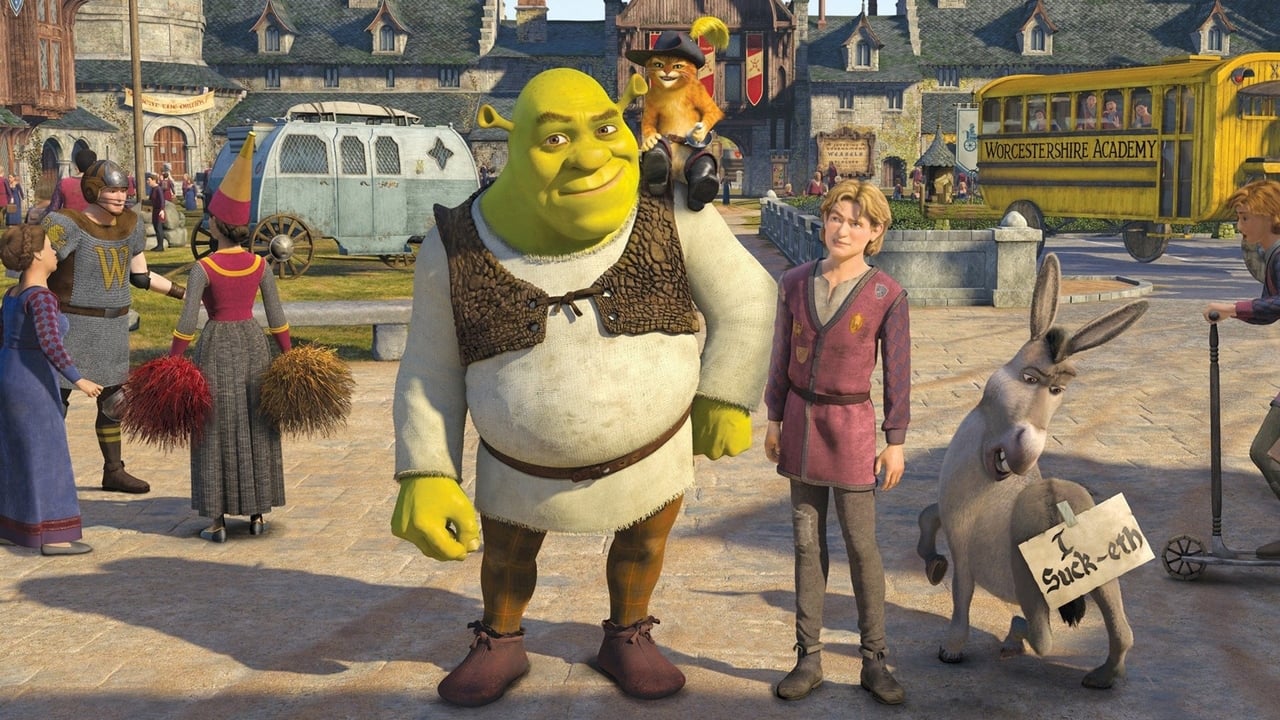
By the time the third installment rolled around, the Shrek franchise wasn't just a movie series; it was a cultural tectonic plate. It had successfully dismantled the "Disney Princess" trope and replaced it with a fart-joke-heavy, pop-culture-referencing machine that everyone from your toddler to your grandmother found hilarious. But looking back, Shrek the Third is where the "DreamWorks Face" started to feel a bit like a mask, and the subversive edge began to soften into something more comfortable and corporate.
The Quest for a King (and a Babysitter)
The plot kicks off with the death of King Harold (John Cleese), which leads to one of the funniest sequences in the entire franchise: a prolonged, dramatic, multi-stage frog death set to a choral version of "Live and Let Die." It’s peak Shrek—morbid, musical, and delightfully absurd. Suddenly, Mike Myers’ Shrek is next in line for the throne of Far Far Away. The problem? Shrek is a "swamp guy," not a "tights and crown guy."
To avoid a life of royal responsibility, Shrek, Donkey (Eddie Murphy), and Puss in Boots (Antonio Banderas) set sail to find the only other heir: a teenager named Arthur, or "Artie," voiced by Justin Timberlake. While they’re away, Cameron Diaz’s Princess Fiona is left to defend the kingdom from a vengeful Prince Charming (Rupert Everett), who has rallied a motley crew of fairy tale villains to stage a coup.
The "Adventure" element here feels a bit more episodic than the tight road-trip vibe of the first film. We move from the high seas to a magical high school (Worcestershire Academy) that feels like a medieval version of Mean Girls. It’s fun, but you can feel the screenplay—penned by Chris Miller and Aron Warner—stretching to find ways to keep the trio occupied while the real meat of the story happens back at the castle.
Princesses Packing a Punch

If there’s one part of this movie that has aged like fine wine, it’s the Princess Resistance. While the boys are off on their "finding Artie" quest, the film gives us a proto-Avengers team-up of fairy tale heroines. We get Julie Andrews as Queen Lillian (who literally head-butts walls down), Amy Poehler as a hilariously high-maintenance Snow White, and Maya Rudolph as a hilariously vain Rapunzel.
Watching these characters burn their bras—metaphorically and literally—to reclaim their kingdom is the highlight of the film. It captures that early-2000s "Girl Power" energy without feeling too preachy. Plus, seeing Snow White use her "animal friends" to take out a pair of Ents to the tune of Led Zeppelin’s "Immigrant Song" is a visual I didn't know I needed until I saw it. It’s here that the film’s $160 million budget really shows; the animation on the characters' hair and the complexity of the action sequences were a massive leap forward from the 2001 original.
However, the film’s central conflict—Shrek’s fear of fatherhood—feels a bit heavy for a movie that also features a puppet show gone wrong. The dream sequence involving a literal tidal wave of ogre babies is actual nightmare fuel. It’s a brave choice to make your main character a reluctant dad, but at times, Shrek’s grumpiness feels less like "charming ogre" and more like "guy who really needs a nap."
The Blockbuster Burden
Looking back through the Popcornizer lens, Shrek the Third is a fascinating artifact of the mid-2000s CGI revolution. This was the era where DreamWorks was finally out-earning Pixar at the box office, even if they weren't always winning the critical wars. This film pulled in a staggering $813 million worldwide, proving that the brand was bulletproof.
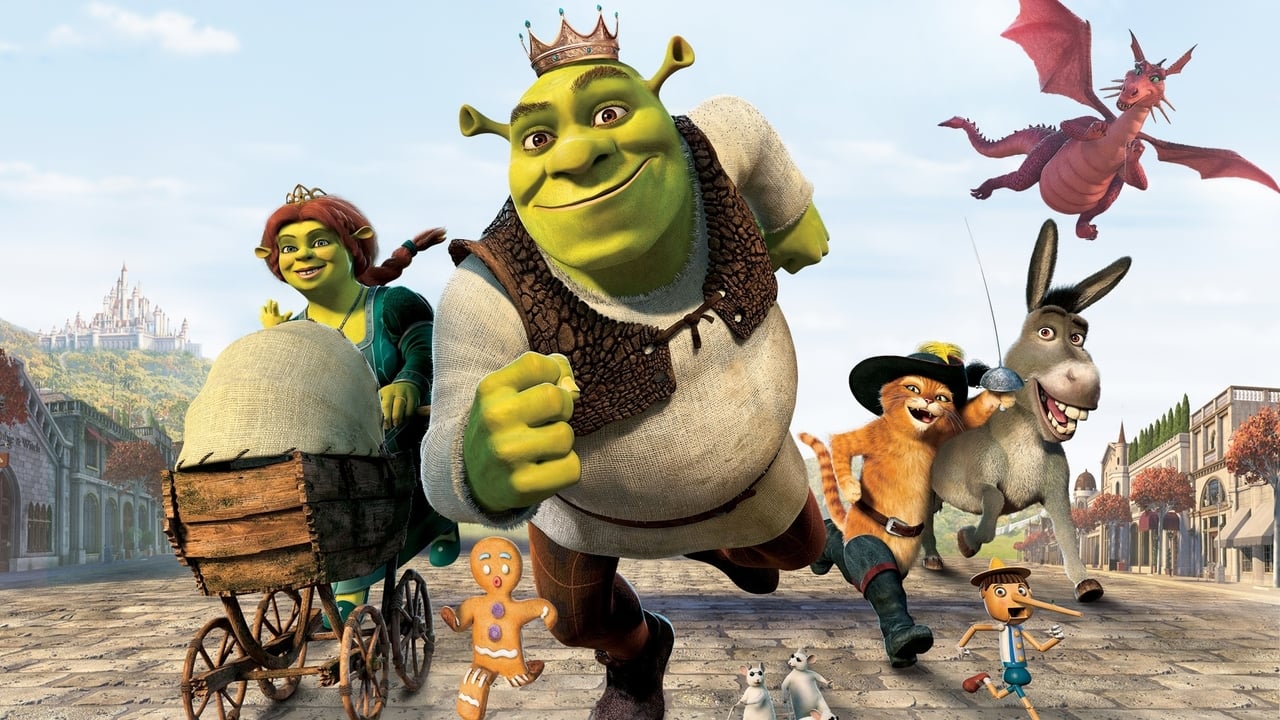
But the "Stuff You Didn't Notice" department reveals how much work went into that success. This was the first Shrek film to use "shave and haircut" technology, which allowed the animators to give characters like Artie and the princesses more realistic, flowing hair. Apparently, the technical crew spent months just figuring out how to make the cloth on the royal costumes move realistically. It’s ironic that a film famous for a protagonist who bathes in mud required some of the most sophisticated "clean" rendering technology of its day.
Interestingly, the movie almost looked very different. Early versions of the script focused much more on Artie as a rebellious punk, but once Justin Timberlake was cast, the character was softened to be more of a misunderstood underdog. The chemistry between Mike Myers and the rest of the cast remains solid, though you can tell they were recording their lines in separate booths—the snappy, overlapping dialogue of the first film feels a bit more "processed" here.
Shrek the Third is the cinematic equivalent of a very expensive, very loud birthday party. It’s got all your favorite guests, the cake is high-quality, and there are some genuinely great games played, but by the end, you’re a little exhausted by the noise. It lacks the heart of the first film and the perfect comedic timing of the second, but it’s still a colorful, breezy adventure that manages to be funnier than any movie featuring a dying frog has a right to be. It’s not a masterpiece, but it’s a solid reminder of why we all fell in love with the swamp in the first place.

Keep Exploring...
-
Shrek Forever After
2010
-
Shrek 2
2004
-
Shrek
2001
-

Puss in Boots
2011
-
Shrek the Halls
2007
-
Horton Hears a Who!
2008
-
The Smurfs
2011
-

Sinbad: Legend of the Seven Seas
2003
-

The Ant Bully
2006
-
Brave
2012
-

The SpongeBob SquarePants Movie
2004
-

The Swan Princess
1994
-
Charlie and the Chocolate Factory
2005
-

Madagascar
2005
-
Cars
2006
-

Ice Age: The Meltdown
2006
-

Night at the Museum
2006
-
Madagascar: Escape 2 Africa
2008
-

Ice Age: Dawn of the Dinosaurs
2009
-
Rio
2011