Spider-Man 3
"The greatest battle lies within a very crowded script."
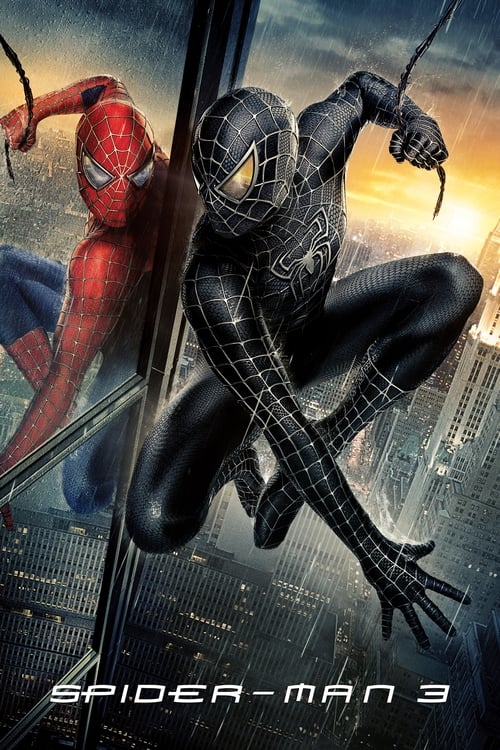
The 2007 blockbuster landscape was a graveyard of overstuffed trilogies, but none felt quite as bloated—or as fascinatingly weird—as the third outing for our favorite wall-crawler. At the time, it was the most expensive movie ever made, carrying a staggering $258 million budget that equated to roughly $1 million for every day of production. Looking back, you can see every cent of that money on the screen, even if you can’t always see the logic in the script. I watched this recently on a DVD I borrowed from a neighbor who had clearly used the disc as a coaster for a very sticky soda, and honestly, the occasional skips during the jazz club scene felt like a mercy.
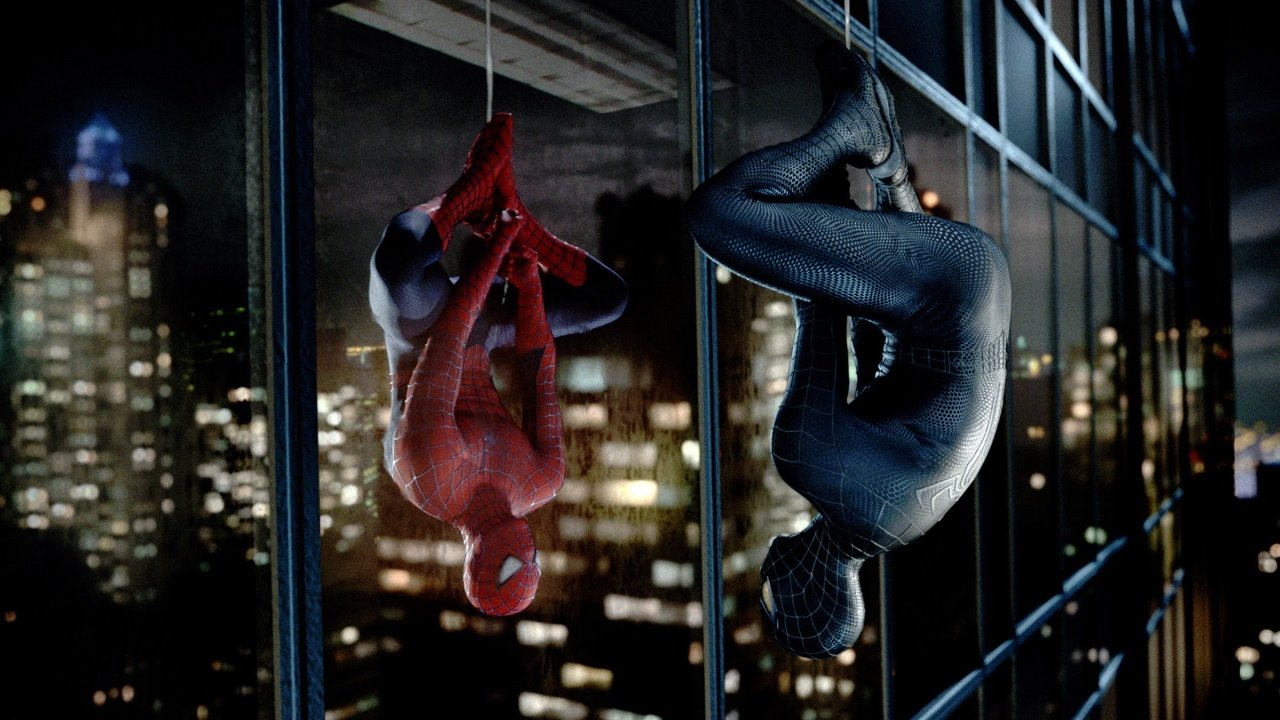
The Symbiote in the Room
The DNA of this film is a tug-of-war between a director’s vision and studio mandates. Sam Raimi, the man who gave us the frantic energy of Evil Dead and the grounded heart of Spider-Man 2, clearly wanted to make a movie about Sandman. But the higher-ups, led by producer Avi Arad, insisted on shoehorning in Venom, the fan-favorite anti-hero. The result is a narrative that feels like it's bursting at the seams. We have Tobey Maguire returning as Peter Parker, who is now dealing with the fame of being a hero, a failing relationship with Kirsten Dunst’s Mary Jane (who is back in her Marie Antoinette era of tragic longing), and a vengeful James Franco as a memory-impaired New Goblin.
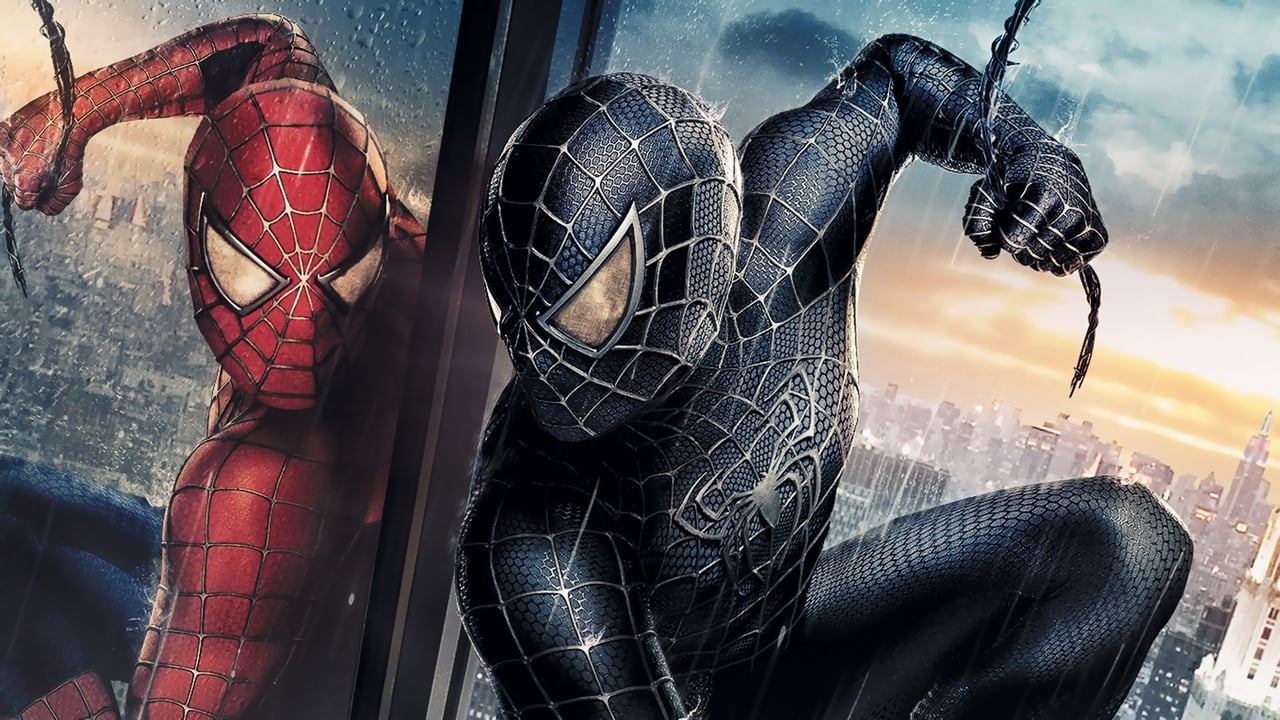
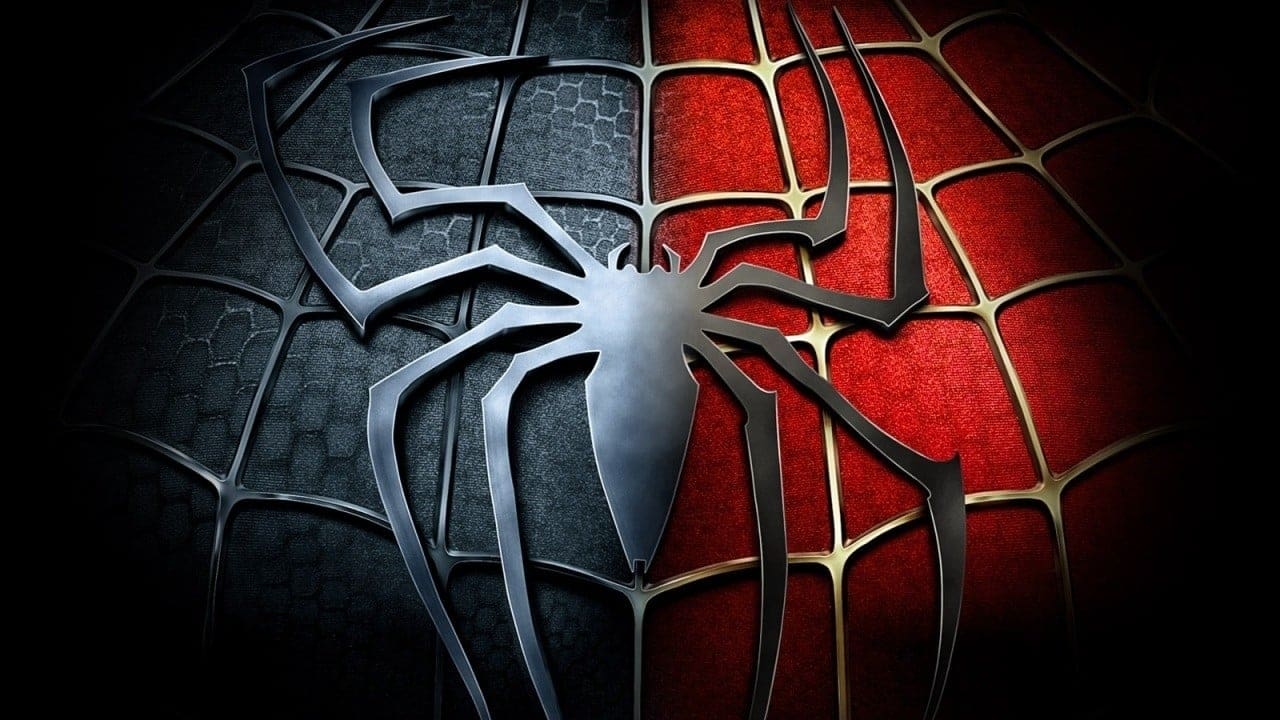
Then comes the black suit. The alien organism that amplifies Peter’s darker impulses leads to the most discussed sequences in superhero history. I’m talking, of course, about "Emo Peter." While audiences in 2007 were baffled by the hip-thrusting, finger-gunning montage through the streets of New York, I’ve come to appreciate it as pure Raimi camp. It’s not meant to be "cool"; it’s meant to show what a nerd thinks "cool" looks like. The jazz club scene is the only part of the movie where Sam Raimi looks like he’s actually having fun, even if the rest of us are cringing into our popcorn.
A Sandcastle Built on Shaky Ground
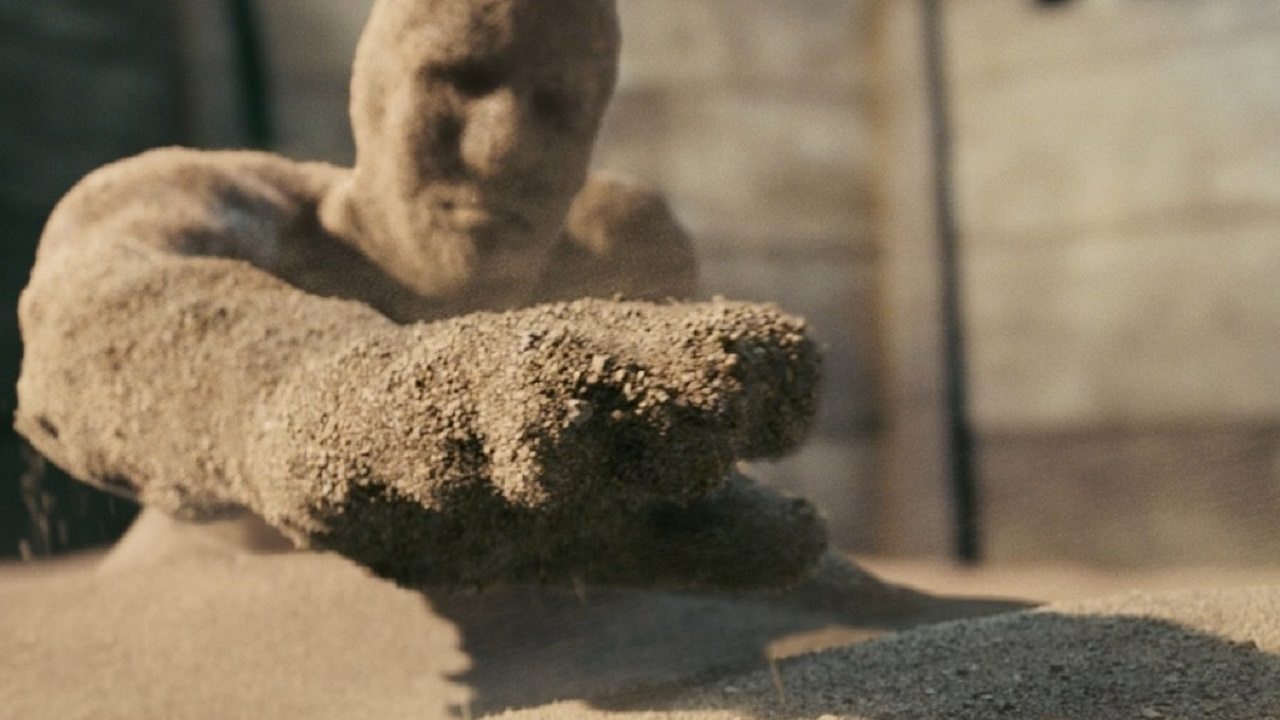
If there is a soul to this film, it belongs to Thomas Haden Church as Flint Marko, aka Sandman. Coming off his Oscar-nominated turn in Sideways, Church brings a weary, soulful physicality to a man who is literally falling apart. The sequence where he first reconstitutes himself from a pile of sand is a high-water mark for 2000s CGI. Created by the wizards at Sony Pictures Imageworks, the scene required entirely new software to simulate the physics of billions of sand grains. It’s a silent, beautiful moment of body horror and pathos that reminds you why we loved this franchise in the first place.
Contrast that with Topher Grace as Eddie Brock. Grace, known then as the skinny kid from That '70s Show, was an inspired, if controversial, choice to play the mirror version of Peter Parker. He’s fine as a sleazy photographer, but Topher Grace as Venom is the cinematic equivalent of putting orange juice in your cereal—it’s technically breakfast, but everything about it feels wrong. The character is relegated to the final fifteen minutes, sporting a face-peeling effect that was groundbreaking at the time but now feels like a victim of the era’s "more is more" philosophy.
The Logistics of a Mega-Blockbuster
The action choreography, handled in part by second-unit experts and cinematographer Bill Pope (who lensed The Matrix), remains spectacular. The construction crane disaster early in the film is a masterclass in tension and scale. Interestingly, Bryce Dallas Howard, playing Gwen Stacy, performed many of her own stunts in that sequence—including hanging off the side of a collapsing building—without realizing she was pregnant at the time. It’s that kind of practical commitment that keeps the film from feeling like a total digital blur.
Musically, the film suffered from the absence of Danny Elfman, who had a falling out with Raimi during the previous film. Christopher Young, who worked with Raimi on The Gift, stepped in to create a score that tries desperately to weave together motifs for three different villains while maintaining the heroic brass of the original theme. It’s a loud, frantic soundscape that mirrors the film’s pacing—a breathless sprint toward a climax that takes place at a construction site (the official birthplace of all 2000s action finales).

Despite the "villain fatigue" and the tonal whiplash, there is something undeniably earnest about Spider-Man 3. It was a massive commercial success, raking in $894 million worldwide and proving that the superhero genre was an unstoppable juggernaut, even if the wheels were starting to wobble. It’s a film that captures the exact moment when the "trilogy" mentality of the 90s met the "cinematic universe" greed of the 2010s.
Looking back, it’s far more interesting than your average, polished modern blockbuster because its flaws are so human. It is a messy, expensive, heartfelt, and occasionally ridiculous conclusion to a saga that changed how we see comic book movies. It’s not the masterpiece its predecessor was, but it’s a fascinating time capsule of a transitional era in cinema. If you can stomach the dancing and the crowded subplots, there’s still plenty of web-swinging magic left in the tank.
Keep Exploring...
-
Spider-Man 2
2004
-
Spider-Man
2002
-
The Amazing Spider-Man
2012
-
Darkman
1990
-

Star Wars: Episode II - Attack of the Clones
2002
-

The Matrix Reloaded
2003
-
Transformers
2007
-
2012
2009
-
Transformers: Revenge of the Fallen
2009
-

Iron Man 2
2010
-
Resident Evil: Afterlife
2010
-

Transformers: Dark of the Moon
2011
-
Journey 2: The Mysterious Island
2012
-

The Hunger Games
2012
-
Spy Kids 2: The Island of Lost Dreams
2002
-

John Carter
2012
-
Stargate
1994
-
Congo
1995
-
Independence Day
1996
-

The Lost World: Jurassic Park
1997