Stardust
"Catch a falling star, then try to survive it."
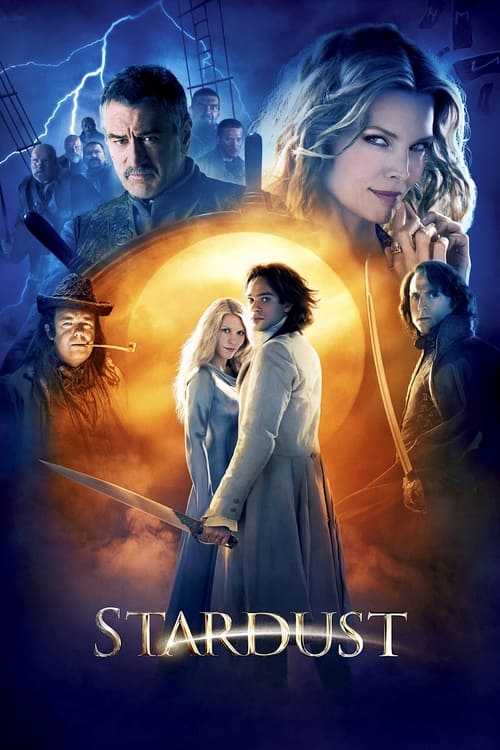
I distinctly remember watching Stardust for the first time on a flight to London while sitting next to a man who was snoring so loudly I could hear him through my headphones. Even with that rhythmic, nasal percussion as a soundtrack, the movie managed to cast a spell on me. It felt like something I wasn’t supposed to find in 2007—a year dominated by the gritty, rain-slicked cynicism of The Bourne Ultimatum and the CGI-heavy bloat of the third Pirates of the Caribbean. Amidst all that metallic noise, here was a film that felt hand-stitched, slightly eccentric, and unapologetically romantic.
Directed by Matthew Vaughn—who, at the time, was mostly known for the sleek crime thriller Layer Cake—Stardust is a rare bird. It’s an adult fairy tale that actually remembers to be a fairy tale. It doesn't apologize for its magic, nor does it try to "deconstruct" the genre into a pile of ironic tropes. It just dives headfirst into the wall, literally and figuratively.
A Tale of Two Sides of the Wall
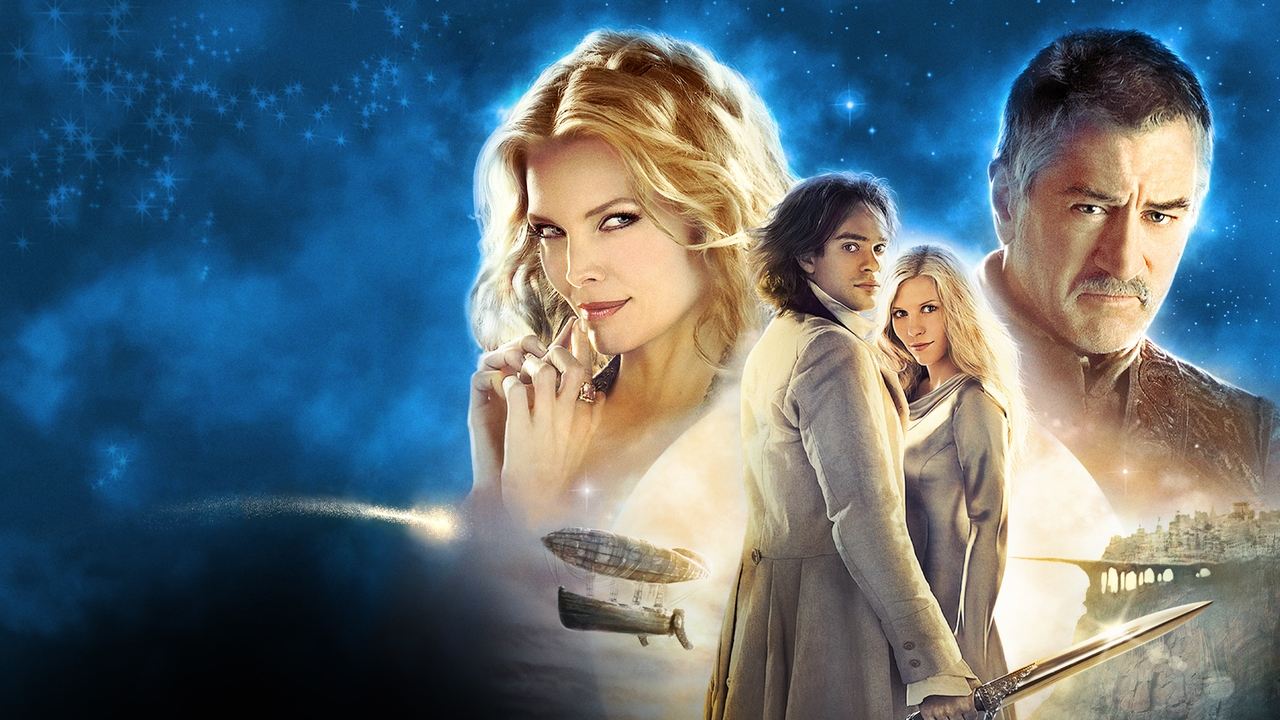
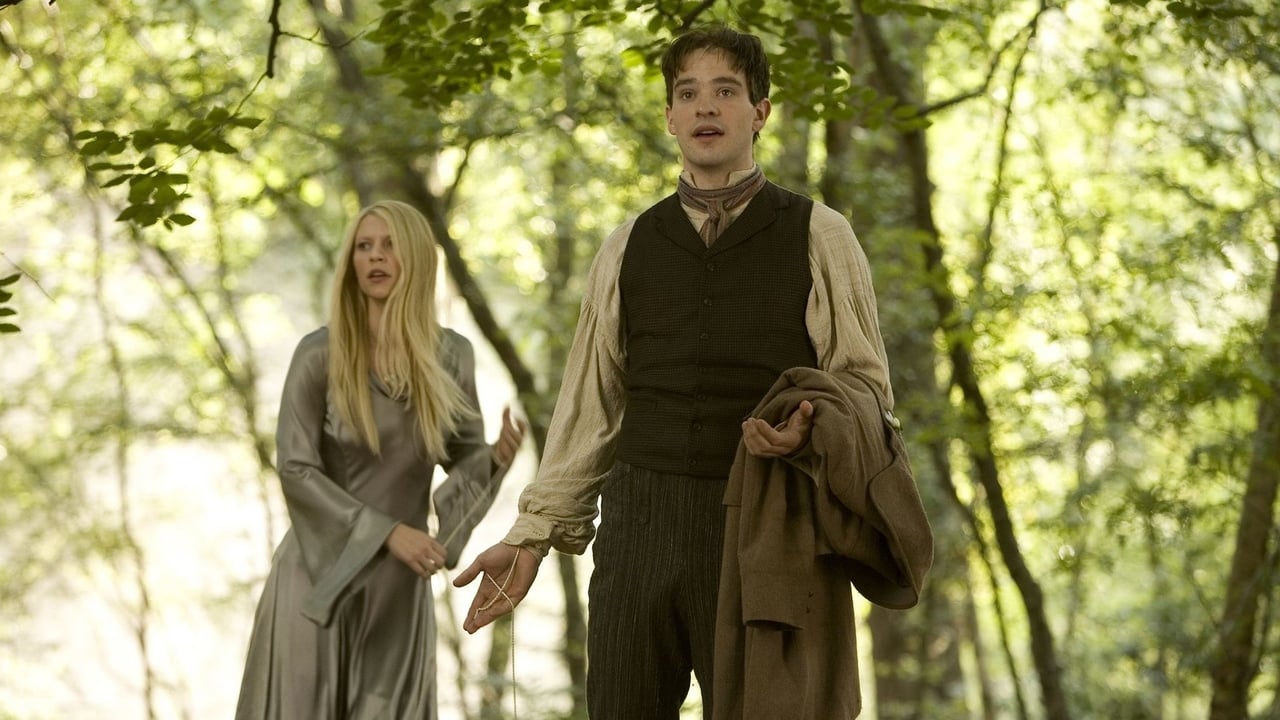
The story kicks off in the sleepy English village of Wall, named for the stone barrier that separates our world from the magical kingdom of Stormhold. Charlie Cox, years before he’d be bruising knuckles as Daredevil, plays Tristan Thorn, a sweet, bumbling shop boy desperately in love with the village beauty (Sienna Miller). To win her hand, he promises to retrieve a fallen star from the other side of the wall.
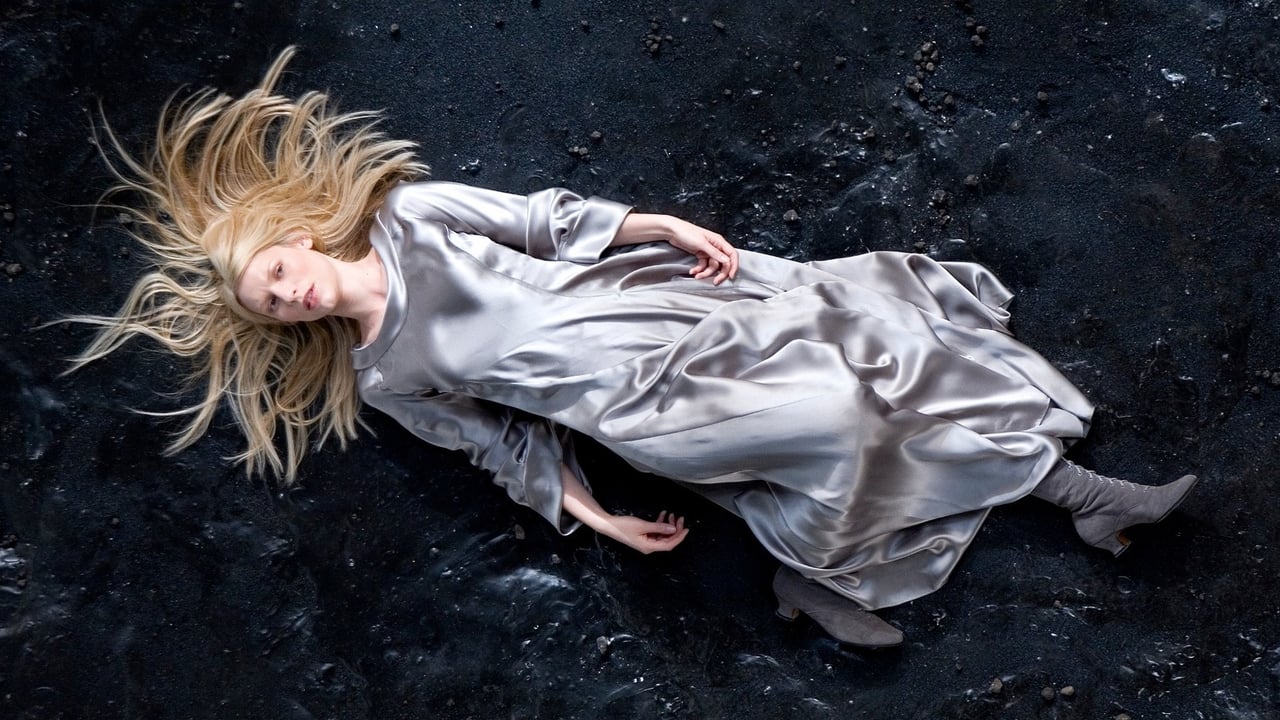
When he finds the star, however, she isn't a lump of space rock; she’s Claire Danes in a silk dress with a very bad attitude. Her name is Yvaine, and she’s not particularly thrilled about being knocked out of the sky or being dragged across a magical moor by a boy who doesn't know how to use a sword.
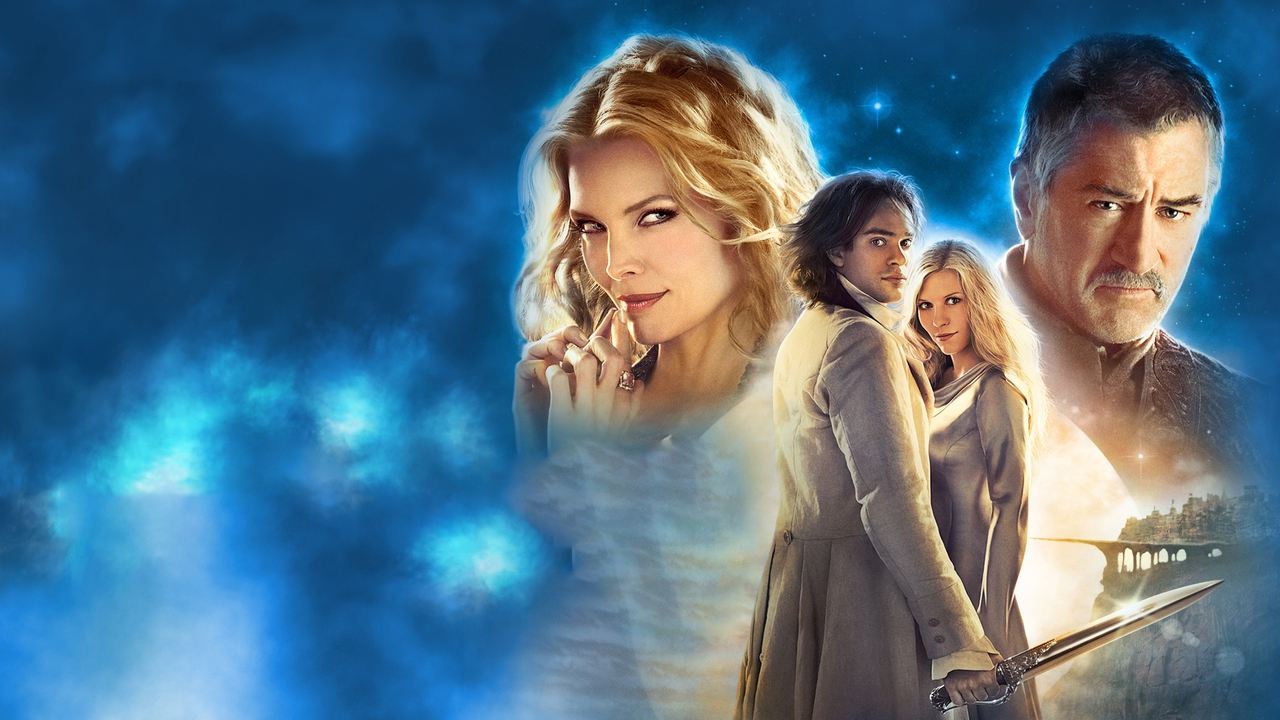
What follows is a classic adventure structure, but it’s populated by characters who feel refreshingly unpredictable. You have Michelle Pfeiffer as Lamia, the leader of a trio of ancient witches who want to cut out Yvaine’s heart to regain their youth. Then there’s Mark Strong as Septimus, the most ruthless of seven princes who are all murdering each other for the crown of Stormhold. The film manages a tricky tonal balance: it’s funny, occasionally quite dark, and deeply sincere all at once. Vaughn’s specific brand of violence-adjacent whimsy ensures that the stakes feel real, even when the ghosts of dead princes are providing a literal Greek chorus of slapstick commentary from the sidelines.
The Last Gasp of Practical Wonder
Looking back at Stardust now, it sits at a fascinating crossroads of film history. This was the tail end of an era where $70 million could buy you a sprawling, original fantasy that wasn't part of a pre-baked "cinematic universe." While it uses CGI for its more ethereal moments—like Yvaine glowing when she's happy—much of the film feels grounded. The production designer, Gavin Bocquet, used the craggy landscapes of Scotland and Iceland to give Stormhold a tactile, weathered beauty that a green-screen studio can never quite replicate.
The film also captures that mid-2000s DVD culture peak, where the "making-of" features revealed a production that felt like a labor of love. Apparently, author Neil Gaiman only gave Matthew Vaughn the rights for a "pittance" because he trusted the director's vision over the big-studio executives who wanted to turn the star into a magical pebble or a CGI light-show.
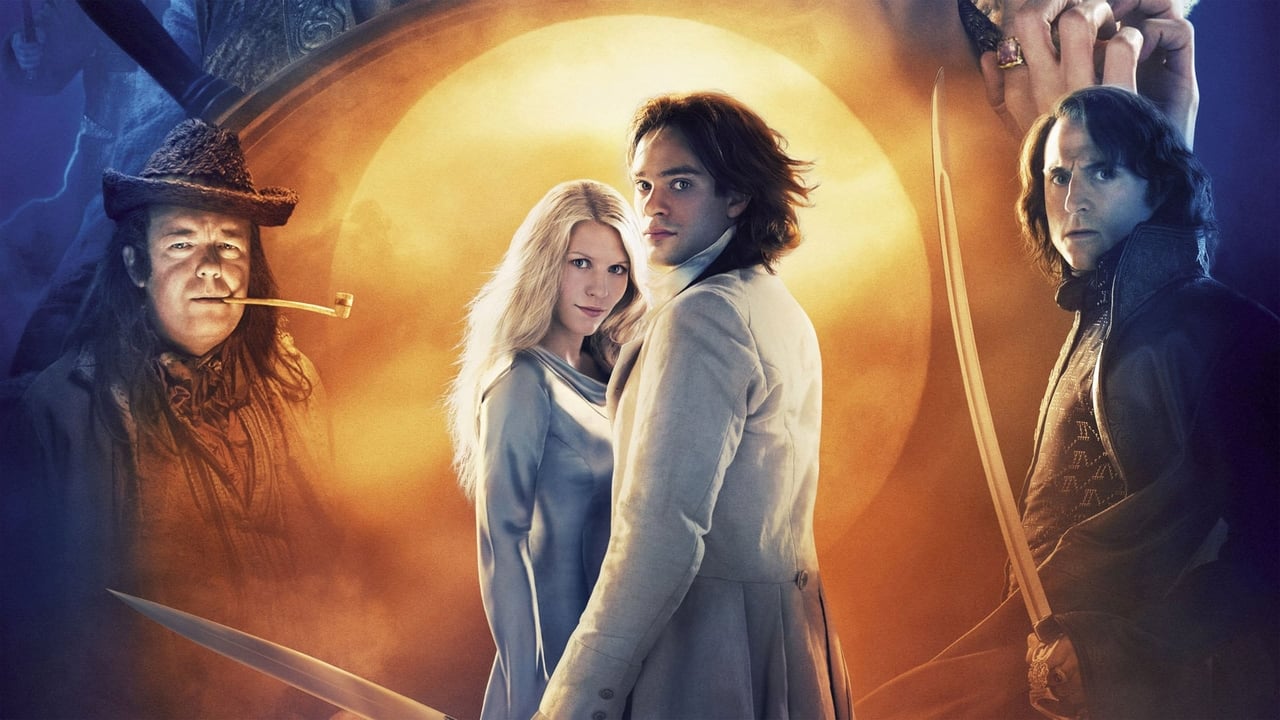
And then, of course, there is Robert De Niro. His turn as Captain Shakespeare, a sky pirate who cultivates a reputation for bloodthirsty ruthlessness while secretly harboring a love for high fashion and Can-can dancing, is a highlight of the decade. It’s a performance that could have easily felt like "stunt casting," but De Niro plays the dual nature of the character with such genuine warmth that it becomes the film's emotional pivot point. It’s the kind of role that reminds you why he’s a legend; he’s having the time of his life, and that joy is infectious.
Why It Lingers
Stardust didn't set the box office on fire in 2007. It was a modest hit that found its true audience on home video and cable, steadily climbing to cult classic status. I think that’s because it treats its audience like adults while speaking to their inner children. It’s not afraid to show Michelle Pfeiffer eating a literal heart like it's a cold shrimp cocktail, but it’s also not afraid to let two people fall in love while dancing on the deck of a flying ship.
There is a sequence near the end involving a transformation and a fight in a crumbling palace that still hits harder than most modern superhero finales. It’s not about the spectacle; it’s about the fact that we’ve come to care about this bumbling boy and this glowing woman. It’s a film that understands that the "adventure" isn't just the miles traveled, but the way those miles change the traveler.
By the way, I recently rewatched this while wearing one wool sock because I’d lost the other behind my radiator during a cleaning frenzy. Even with one cold foot, I was completely swept away. Stardust is a reminder that fantasy doesn't have to be "important" or "epic" to be great—it just has to be magical.
In an era of assembly-line blockbusters, Stardust remains a shining example of what happens when a director and a cast decide to just have fun with a high-budget fairy tale. It’s witty, beautifully acted, and contains just enough darkness to make the light feel earned. If you’ve missed this one over the last decade and a half, do yourself a favor and cross the wall. It’s much better on the other side.
Keep Exploring...
-
Hercules
1997
-

Sinbad: Legend of the Seven Seas
2003
-
Shrek 2
2004
-

X-Men: First Class
2011
-
Herbie Fully Loaded
2005
-
Arthur and the Invisibles
2006
-
Treasure Planet
2002
-

The Polar Express
2004
-
Inkheart
2008
-
The Chronicles of Narnia: Prince Caspian
2008
-
The Spiderwick Chronicles
2008
-
The Princess and the Frog
2009
-
The Chronicles of Narnia: The Voyage of the Dawn Treader
2010
-
Brave
2012
-
Rise of the Guardians
2012
-
Maleficent
2014
-

Asterix & Obelix: Mission Cleopatra
2002
-

Peter Pan
2003
-
Legend of the Guardians: The Owls of Ga'Hoole
2010
-

Aladdin
1992