Sunshine
"To save the light, they must embrace the dark."
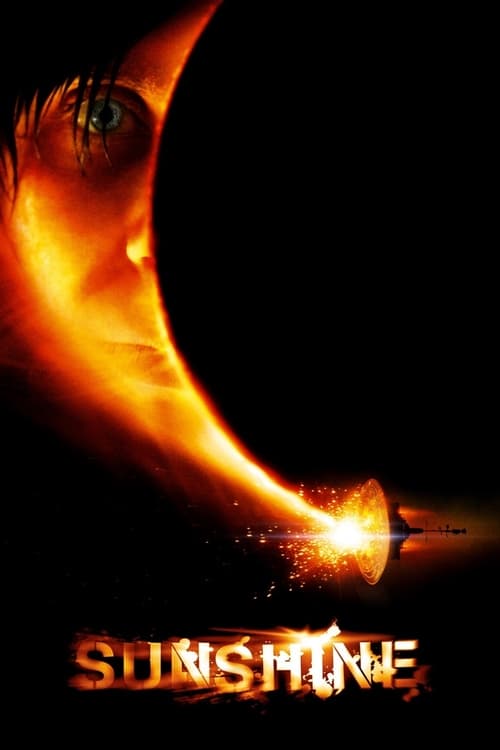
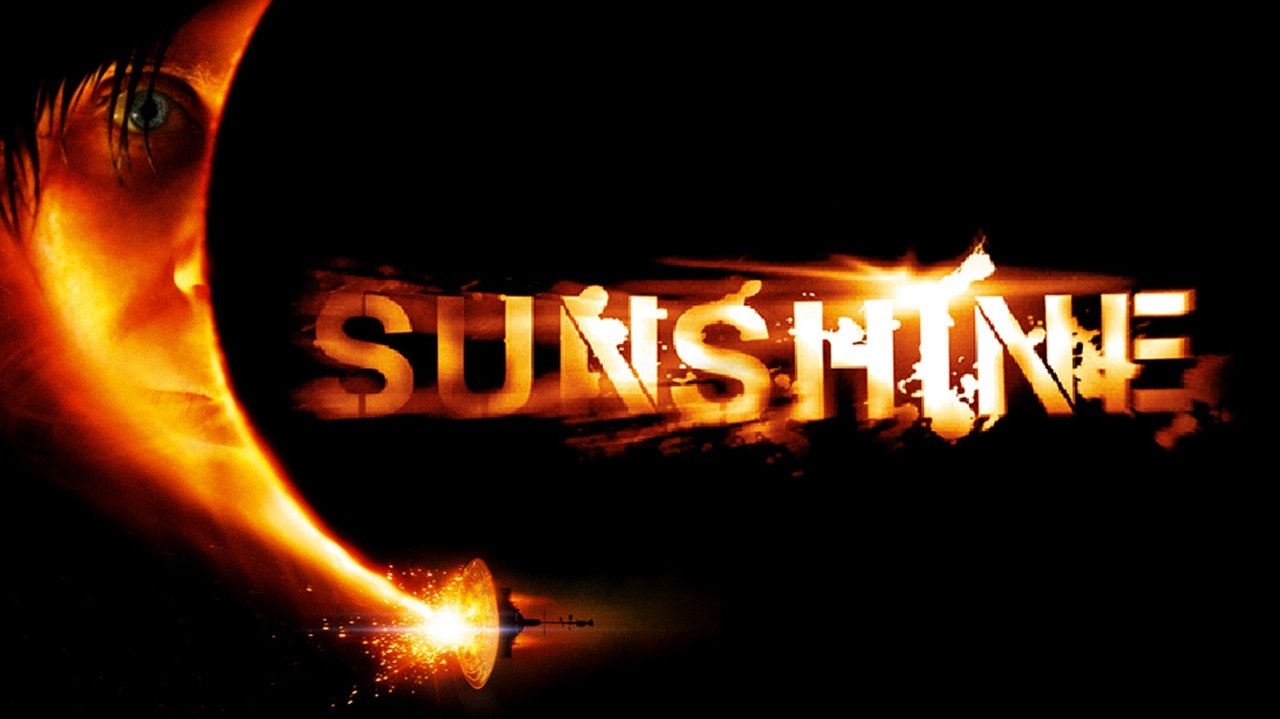
Staring directly into the sun is usually a recipe for a trip to the optometrist and a lifetime of regret, but Danny Boyle makes it look like a religious experience. The first time we see the Icarus II—a massive, golden-shielded needle drifting through the void—there is a sense of scale that most modern CGI-fests fail to capture. It feels heavy. It feels hot. Most importantly, it feels like it’s actually there. Released in 2007, a year dominated by the polished, plastic sheen of Transformers, Sunshine arrived as a gritty, analog-feeling antidote that prioritized mood and physics over mere pyrotechnics.
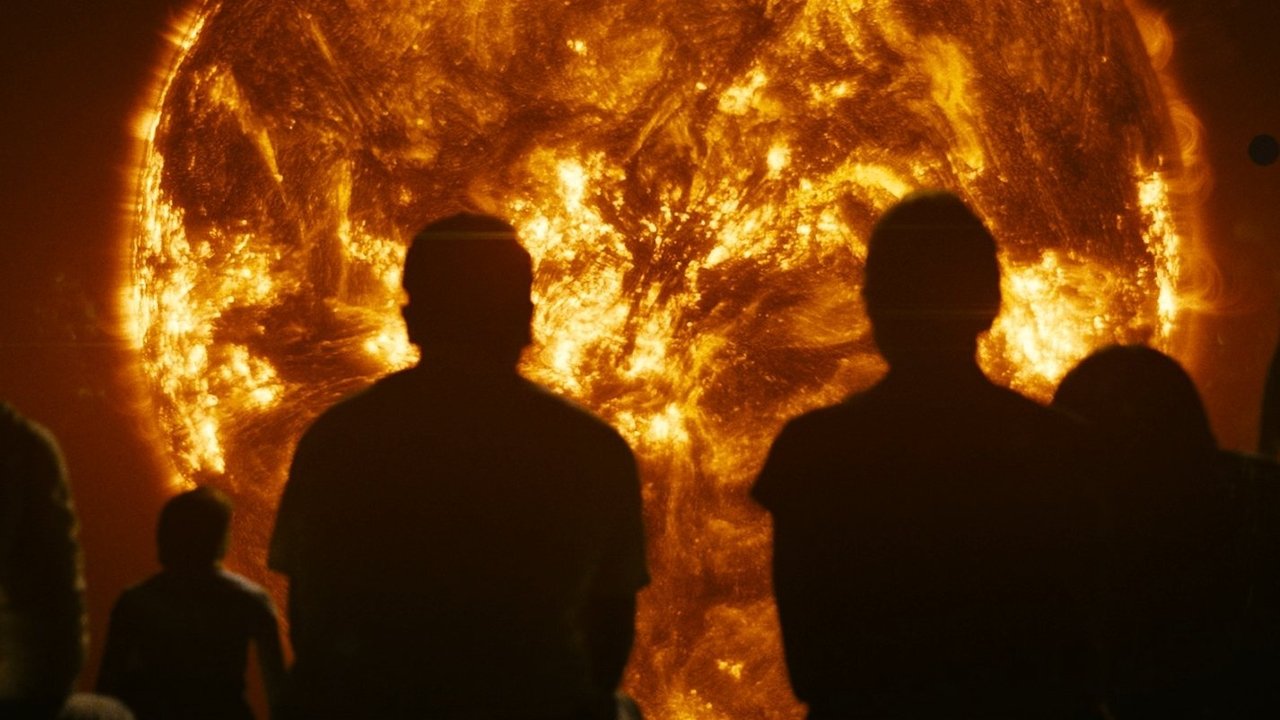
I watched this most recently while my apartment’s radiator was clanking so loudly I genuinely thought the Icarus II was suffered a hull breach in my living room, and honestly, the added stress only improved the experience. That’s the magic of this film; it’s a high-concept "what if" that manages to feel uncomfortably intimate.
The Blinding Radiance of Practical Logic
The setup is classic Alex Garland (who later gave us the clinical brilliance of Ex Machina and Annihilation). The sun is dying, Earth is freezing, and a crew of eight specialists is hauling a "stellar bomb" the size of Manhattan to jumpstart the heart of our solar system. It’s a suicide mission, and the film doesn't let you forget it. Director Danny Boyle—reuniting with his 28 Days Later producer Andrew Macdonald—treats the vacuum of space not as a playground, but as an active predator.
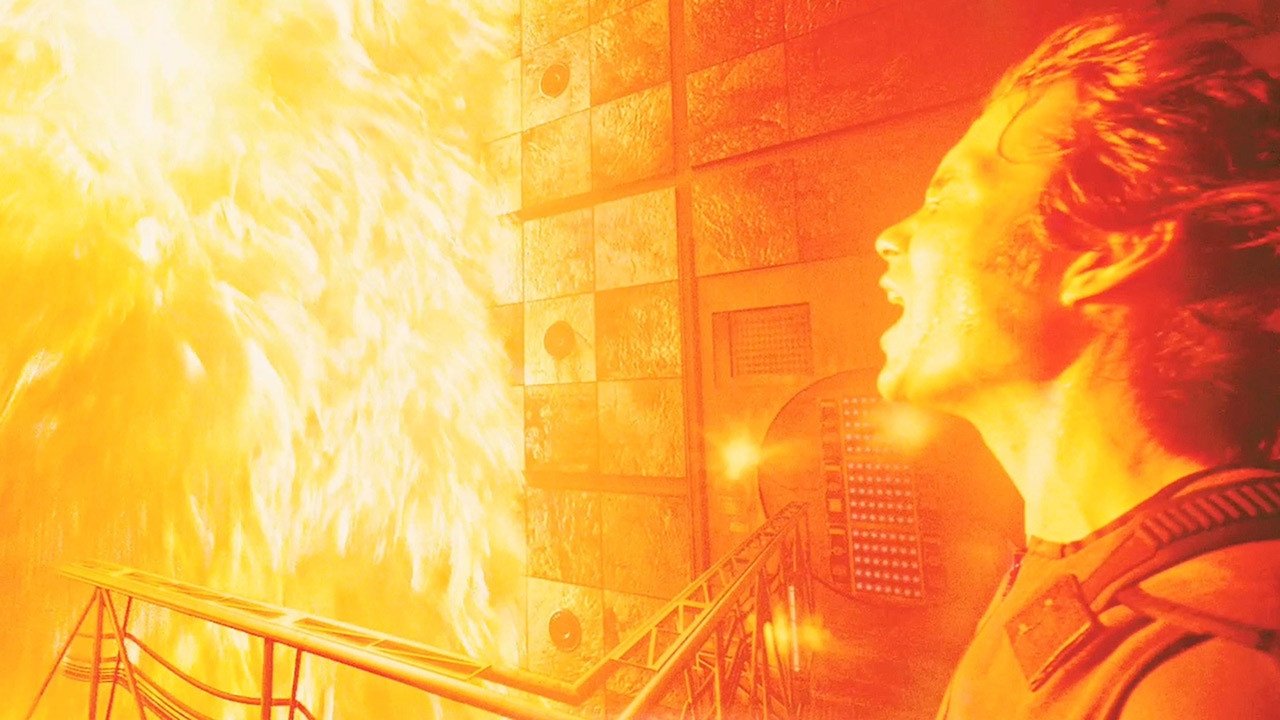
What stands out nearly two decades later is how well the visual effects have aged. This was a transitional era where digital tools were becoming sophisticated enough to blend seamlessly with practical sets. The production team built massive sections of the Icarus II, and you can feel the cramped, recycled air in every frame captured by cinematographer Alwin H. Küchler. The "sun" itself wasn't just a yellow ball added in post-production; the crew used incredibly high-intensity lighting rigs on set to ensure the actors were actually squinting and bathed in a harsh, unforgiving glow.
A Cast Built for the End of the World
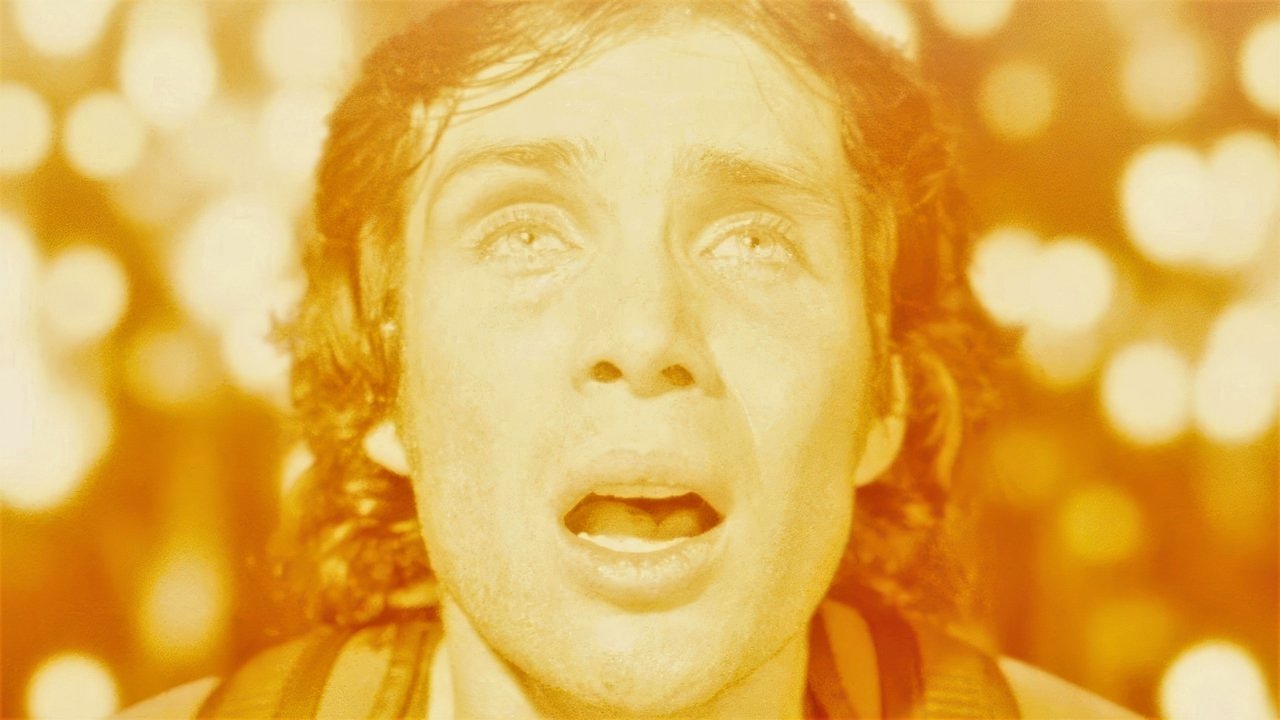
Before he was winning Oscars for Oppenheimer, Cillian Murphy was the soulful, wide-eyed center of this film as Capa, the physicist who is the only one who truly "understands" the bomb. Murphy has a way of looking at a computer screen that makes you feel the weight of four billion lives. But the real revelation here, especially looking back from the era of the MCU, is Chris Evans. As the engineer Mace, Evans plays a pragmatic jerk with such conviction that you almost forget he spent the next decade being the world’s moral compass. He’s the guy making the hard, cold calculations while everyone else is losing their minds to "space madness."
The ensemble is rounded out by heavy hitters like Michelle Yeoh as the ship’s botanist and Hiroyuki Sanada (of Shogun and The Last Samurai fame) as the captain. There’s a wonderful bit of trivia involving their preparation: the entire cast lived together in a student-style flat during rehearsals to build a sense of claustrophobic familiarity. It worked. You don’t need long monologues to understand their relationships; you see it in the way Rose Byrne’s Cassie avoids eye contact with Mace, or the way Cliff Curtis’s Searle spends his free time literally tanning himself in the dangerous rays of the sun.
The Slasher in the Sunbeams
If you’ve heard anything about Sunshine, you’ve probably heard about "The Third Act Problem." About an hour in, the film shifts gears from a hard-science survival thriller into something closer to a supernatural slasher movie. When the crew discovers the remains of the Icarus I (the first failed mission), they find more than just dust.
Many critics at the time—and plenty of fans today—argue that this shift ruins the movie. I’d argue the opposite. Alex Garland is better at writing existential dread than he is at sticking a horror movie landing, but the descent into chaos feels earned. The film stops being about the science of the sun and starts being about the madness of staring into the face of God. The score by John Murphy (collaborating with Underworld) is the MVP here. The track "Surface of the Sun" is one of the most hauntingly beautiful pieces of music in cinema history; it’s been reused in a thousand movie trailers since, but it never hits as hard as it does right here.
Despite being a commercial flop—earning back only about $34 million against a $50 million budget—Sunshine has found a second life as a cult essential. It’s the kind of movie that flourished on DVD, where the special features revealed that the crew actually consulted with physicist Brian Cox to make the science as plausible as possible (until the monster shows up, anyway). It’s a relic of a time when studios would still drop $50 million on an R-rated, philosophical space tragedy without a franchise logo in sight.
Sunshine isn't a perfect film, but it is a magnificent one. It captures that specific mid-2000s energy where directors were pushing the limits of digital filmmaking to tell stories that felt tactile and dangerous. Whether you’re here for the stellar physics, the top-tier acting, or just to see Cillian Murphy look distressed in high-definition, it’s a journey that demands to be seen on the biggest, brightest screen you can find. Just remember to wear your sunglasses.
Keep Exploring...
-

28 Days Later
2002
-

28 Years Later
2025
-
127 Hours
2010
-

28 Weeks Later
2007
-
Children of Men
2006
-
Déjà Vu
2006
-

Trance
2013
-
Push
2009
-
Terminator 3: Rise of the Machines
2003
-
The Matrix Revolutions
2003
-
The Island
2005
-

V for Vendetta
2006
-
Surrogates
2009
-
Terminator Salvation
2009
-
The Book of Eli
2010
-
Contagion
2011
-
The Adjustment Bureau
2011
-
Total Recall
2012
-

Equilibrium
2002
-
The Butterfly Effect
2004