Superbad
"One fake ID. Two best friends. Infinite bad decisions."
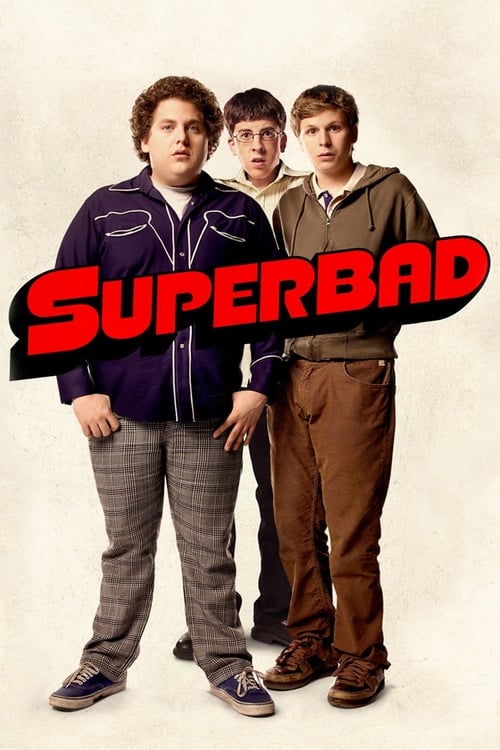
High school movies are usually written by 40-year-olds squinting through a foggy lens of nostalgia, trying to remember what it felt like to be 17. Superbad felt different. It felt like it was leaked from a teenager’s brain in real-time—uncensored, panicked, and obsessed with the logistics of obtaining cheap vodka. When it hit theaters in 2007, it didn't just land; it detonated, marking the absolute zenith of the Judd Apatow-produced comedy era that dominated the mid-to-late 2000s.
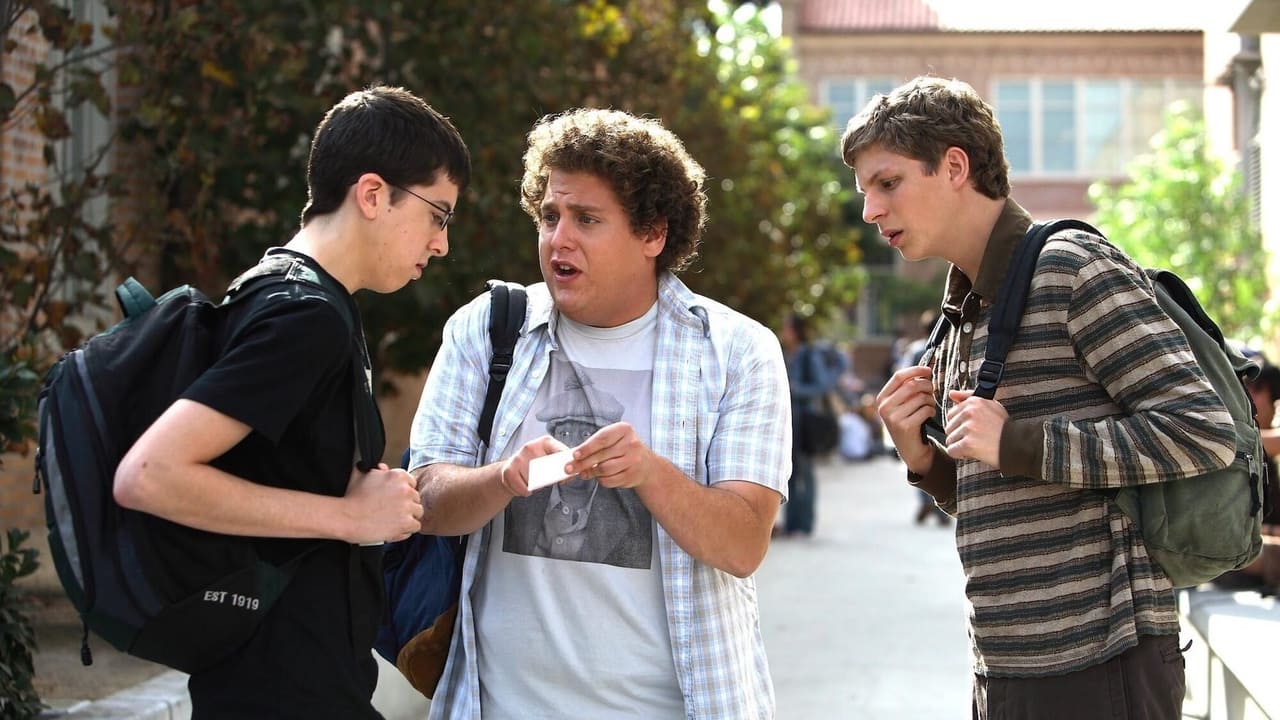
I first saw this on a DVD borrowed from a guy who smelled exclusively of old pennies and damp laundry, and honestly, the grimy atmosphere of his apartment only enhanced the film's "one long, sweaty night" energy. Looking back, Superbad represents a specific turning point in modern cinema: the moment when the gross-out teen comedy finally grew a heart, even if that heart was hidden behind 186 uses of the word "fuck."
The Rhythm of Desperation
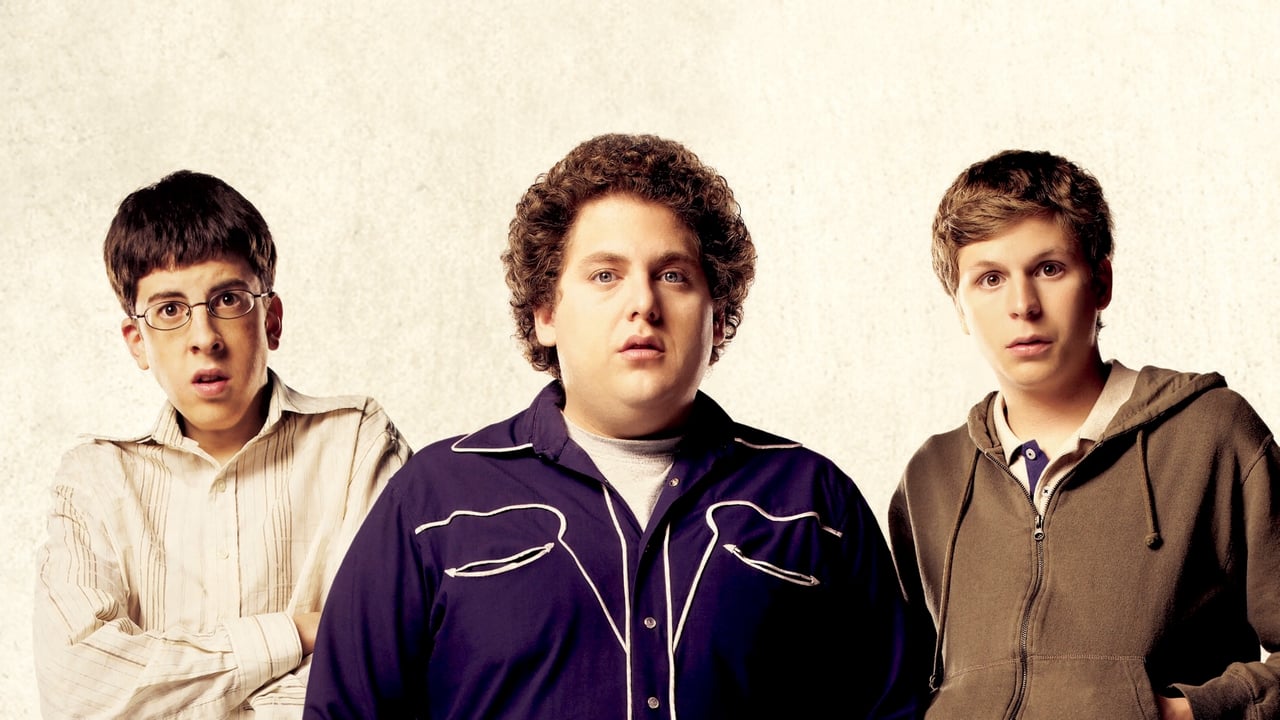
The movie lives and dies on the chemistry between Jonah Hill (as Seth) and Michael Cera (as Evan). It’s a masterstroke of casting against type—or rather, leaning so hard into types that they become three-dimensional. Jonah Hill is like a pressurized steam pipe about to burst, delivering a performance defined by frantic, foul-mouthed momentum. In contrast, Michael Cera plays the ultimate foil, utilizing his signature stuttering, awkward stillness to ground the madness.
The plot is deceptively simple: two co-dependent seniors want to get laid at a party and need to provide the alcohol to make it happen. But the script by Seth Rogen and Evan Goldberg—which they famously began writing when they were just 13 years old—captures the genuine terror of high school graduation. It’s not really about the booze; it’s about the looming realization that your best friend won't be three feet away from you in three months. That "separation anxiety" isn't just a plot point; it’s the engine. Director Greg Mottola (who later gave us Adventureland) treats these boys’ plight with a weirdly respectful cinematic eye, using long takes and wide shots that let the comedic timing breathe rather than hacking it up in the edit suite.
The McLovin Mirage
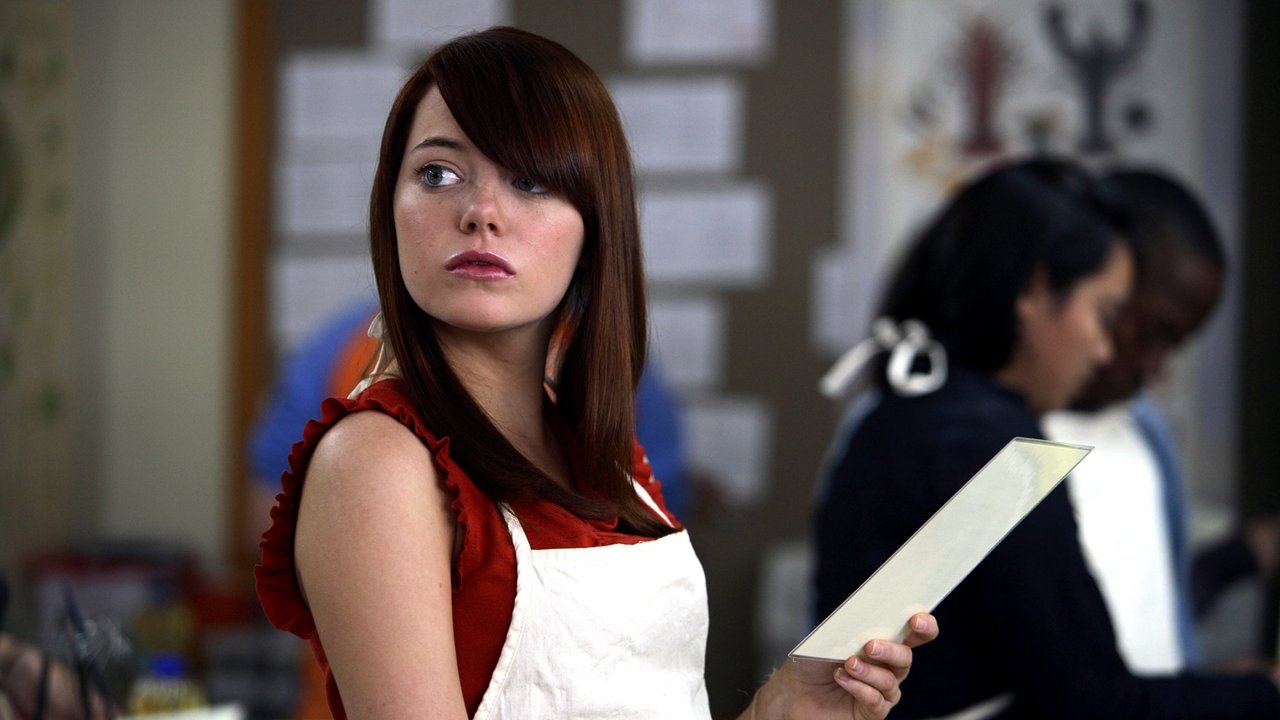
While Seth and Evan are the soul, Christopher Mintz-Plasse as Fogell (aka McLovin) is the film’s chaotic mascot. Legend has it that during auditions, Mintz-Plasse—a high schooler with no professional acting experience at the time—was so annoyingly "in character" that Jonah Hill actually hated him. Hill’s genuine irritation with the kid’s ego is visible on screen, and it fuels some of the best improvisational beats in the movie.
Then there are the cops. Bill Hader and Seth Rogen as Officers Slater and Michaels represent the film’s biggest tonal gamble. In any other movie, two police officers kidnapping a teenager to show him a "good time" involving donuts and firearms would feel like a dark thriller. Here, the cops are the cinematic equivalent of a 'get out of jail free' card played by a drunk person. Their subplot is the ultimate "DVD culture" fodder—the kind of scenes you’d play on loop for your friends because Bill Hader’s delivery is so pinpoint-accurate it feels like he’s practicing a very specific brand of professional incompetence.
More Than Just Dick Drawings
Technologically, Superbad sits at that interesting crossroads. It was shot on 35mm film, giving it a warm, grainy texture that digital comedies often lack today. It feels "analog" in its soul, despite being a cornerstone of the 21st-century comedy canon. It also benefited immensely from the peak of the DVD era. The "2-Disc Unrated Special Edition" was a staple of dorm rooms everywhere, packed with deleted scenes and those loose, conversational commentary tracks that taught a generation of fans how these movies were actually pieced together.

Financially, the film was a juggernaut. On a modest $20,000,000 budget, it clawed its way to over $170,000,000 worldwide. It proved that audiences were hungry for R-rated comedies that didn't treat their characters like caricatures. Even the famous obsession Seth has with drawing certain... phallic illustrations... serves a character purpose, highlighting his arrested development and nervous energy. The film knows when to be crude and when to be quiet. The final scene in the mall—a place that was still the social epicenter in 2007—is a surprisingly poignant goodbye to childhood.
The film is a lightning-in-a-bottle moment where the right cast met a script that actually understood the cadence of teenage panic. While some of the mid-2000s "edginess" has aged into a bit of a cringe-fest, the core of the movie remains remarkably sturdy. It’s a comedy about the end of an era, made at the end of a specific era of filmmaking, and it remains the gold standard for its genre. If you haven't revisited the saga of McLovin lately, it’s time to see if your fake ID still works.

Keep Exploring...
-
Paul
2011
-

Adventureland
2009
-
Pineapple Express
2008
-

21 Jump Street
2012
-
The 40 Year Old Virgin
2005
-

Juno
2007
-

Forgetting Sarah Marshall
2008
-
Zombieland
2009
-
22 Jump Street
2014
-

Horton Hears a Who!
2008
-
Kung Fu Panda
2008
-

Kung Fu Panda 2
2011
-
This Is the End
2013
-
About a Boy
2002
-

About Schmidt
2002
-
Chicago
2002
-
Sweet Home Alabama
2002
-
Elf
2003
-
Freaky Friday
2003
-

School of Rock
2003