Sweeney Todd: The Demon Barber of Fleet Street
"A razor-sharp symphony of blood, soot, and sorrow."
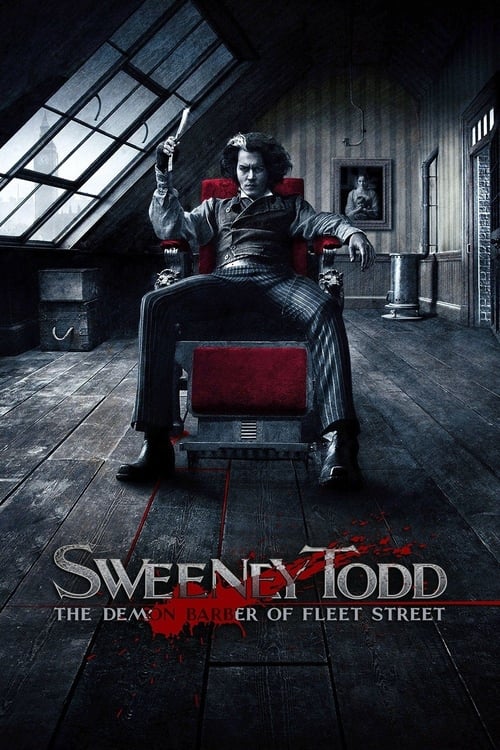
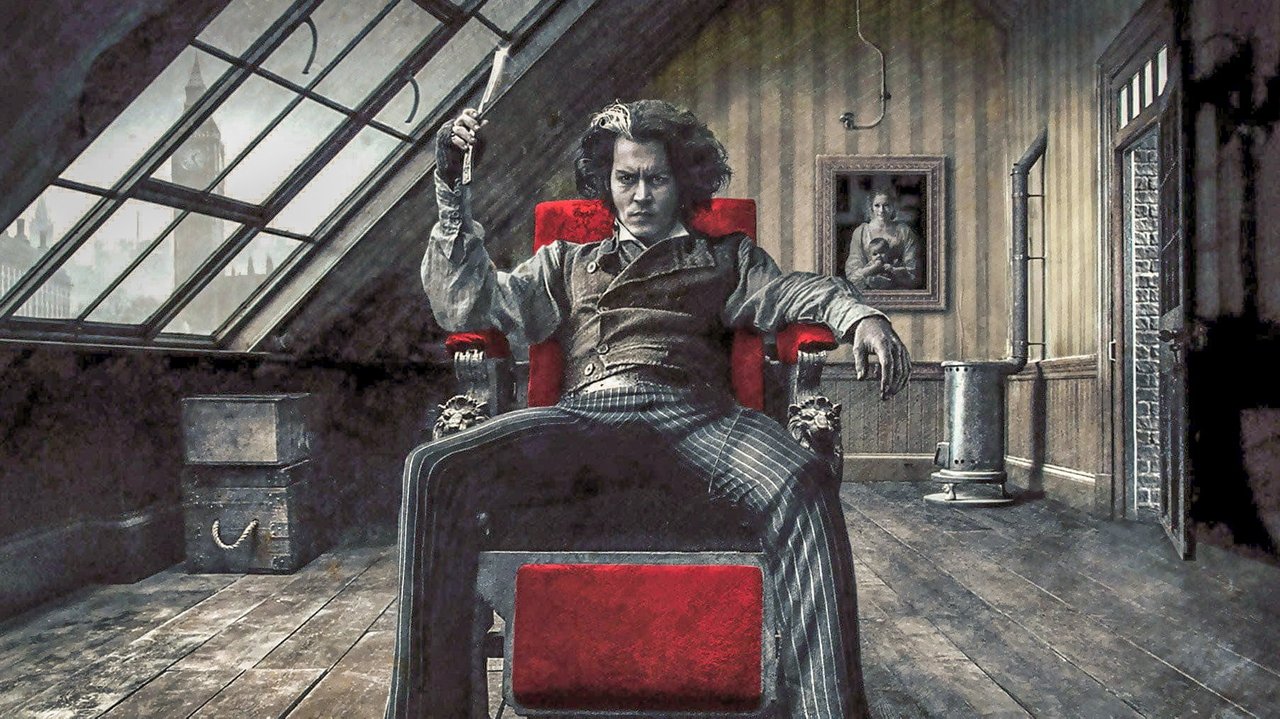
There is a specific, ashen gray that only exists in the mind of Tim Burton, a color that suggests the sun has been permanently smothered by the chimneys of Industrial Revolution London. In his 2007 adaptation of Sweeney Todd: The Demon Barber of Fleet Street, that gray isn't just a stylistic choice; it’s a moral condition. Every frame feels caked in soot and dried blood, creating a world where the only vibrant thing is the arterial spray from a freshly slit throat. I watched this again last night while eating a bowl of cold cereal, and I couldn't help but stare at the milk, wondering if the color grading would turn it gray too.
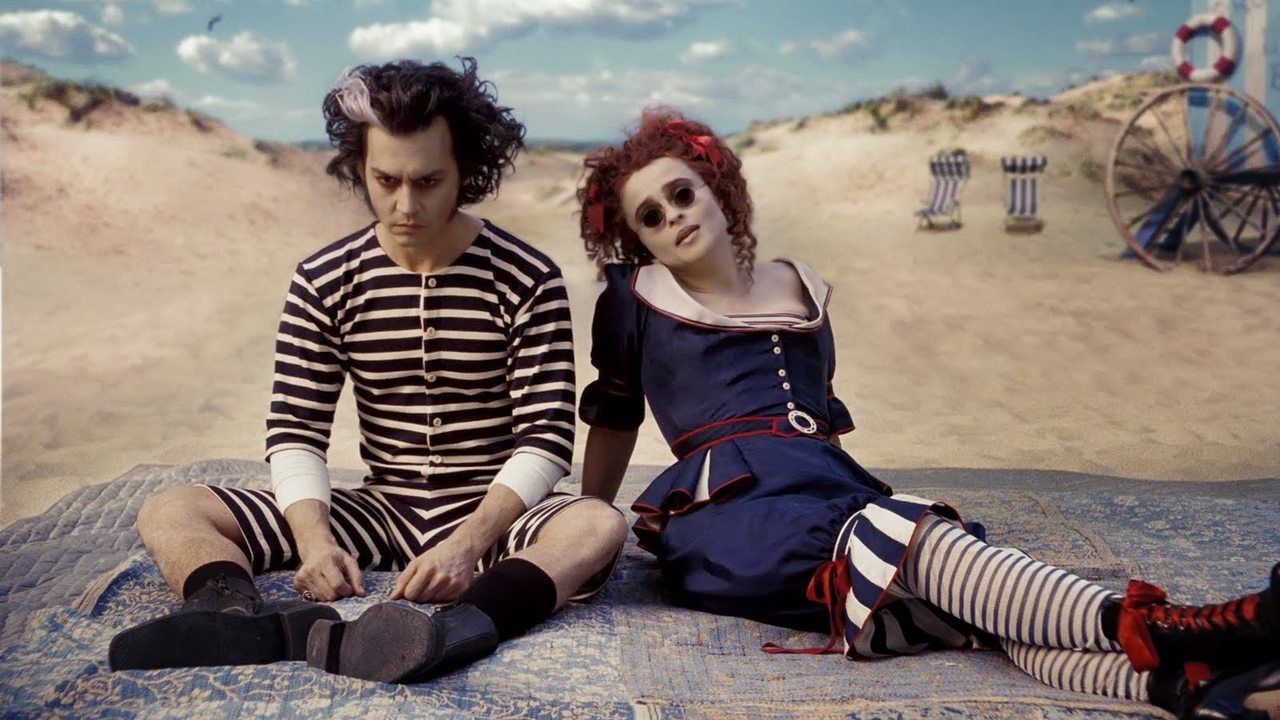
The Industrial Gothic Nightmare
By the time 2007 rolled around, the Tim Burton and Johnny Depp partnership was a well-oiled machine, perhaps even threatening to become a caricature of itself. But Sweeney Todd snatched that partnership back from the brink of whimsy and plunged it into a bucket of ice water. This was the era where "dark and gritty" was the industry mandate—think Batman Begins or Casino Royale—and Burton took that mandate to its logical, nihilistic conclusion.
The London depicted here isn't the charming cobblestone city of a Dickens novel; it’s a claustrophobic, carnivorous machine. The cinematography by Dariusz Wolski (who would later give us the stark visuals of The Martian) captures a city that feels like a tomb. It’s a transition point in cinema history where digital color grading was becoming the ultimate tool for world-building, and Burton used it to drain every ounce of warmth from the screen. The CGI arterial spray looks like it was piped in from a Mario Kart track, yet it’s the only thing that feels alive in this dead world. That contrast is jarring, almost theatrical, reminding us that while we are watching a movie, the DNA of Stephen Sondheim’s stage masterpiece is still very much present.
A Cast of Lost Souls
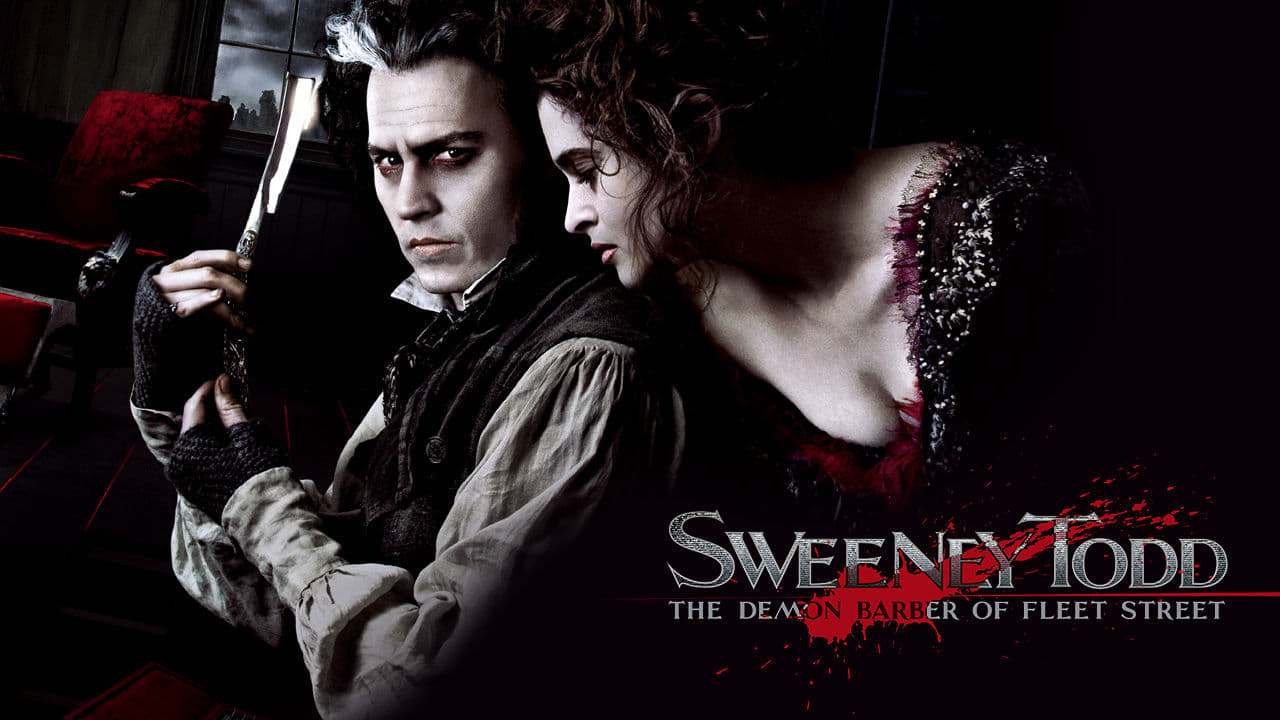
Johnny Depp as Benjamin Barker—now Sweeney—is a performance of silent, simmering rage. He doesn't have the traditional Broadway baritone, and honestly, that’s for the best. Depp’s singing sounds less like a professional theater lead and more like a punk rock star who’s had a very long night at a David Bowie karaoke bar. It’s thin, raspy, and desperate, which fits a man who has been "away" for fifteen years, fueled only by the hope of killing the man who stole his life.
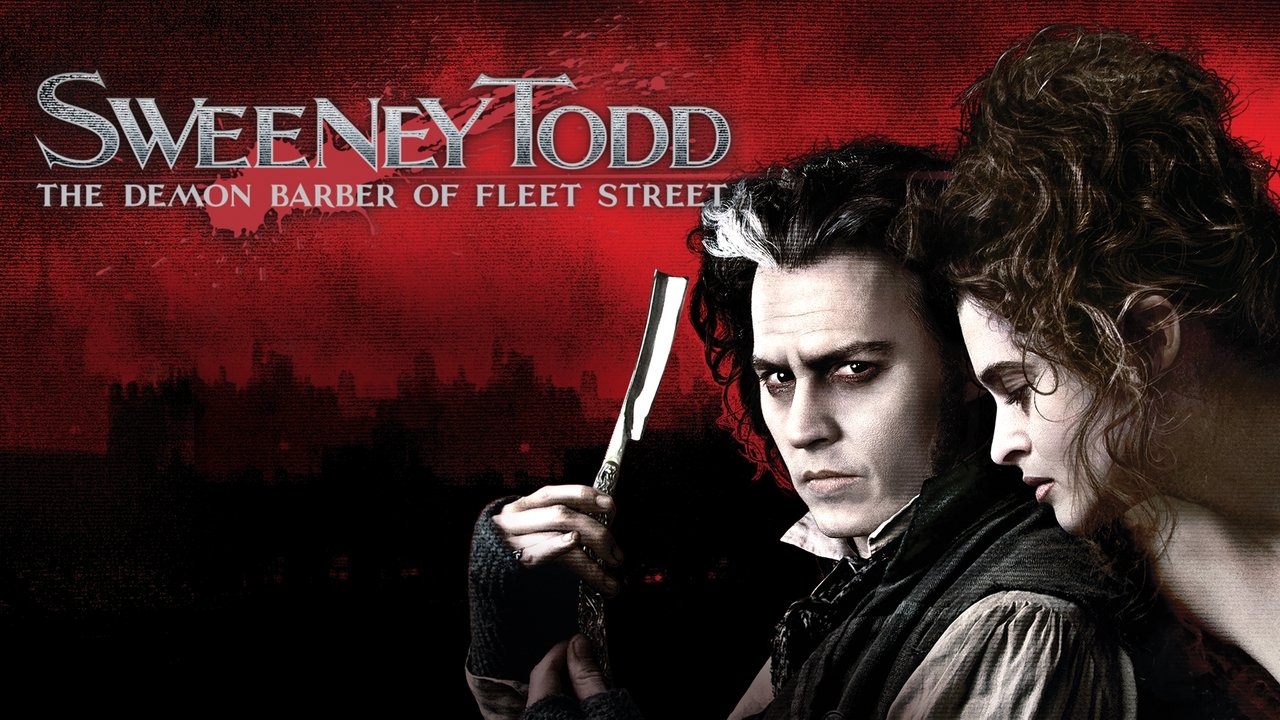
Beside him, Helena Bonham Carter is a revelation as Mrs. Lovett. She brings a tragic, domestic longing to a woman who is literally grinding up neighbors to save on her overhead. Their chemistry isn't romantic; it’s parasitic. They are two lonely, broken people who find a way to make their pathologies work for profit. Then you have Alan Rickman as Judge Turpin. Watching Rickman play a villain was always a masterclass in controlled menace, but here, he adds a layer of skin-crawling lechery that makes his eventual fate feel like a mercy to the audience. Even Sacha Baron Cohen, fresh off the madness of Borat, shows up as the flamboyant Pirelli, reminding us that he’s a classically trained actor who can handle a razor and a high note with equal dexterity.
Blood, Pies, and DVD Magic
Looking back, the success of Sweeney Todd was something of a miracle. It was a $50 million R-rated musical about cannibalism and revenge, released right in the middle of the holiday season. It shouldn't have worked, but it tapped into a post-9/11 cultural anxiety—a sense that the world was rigged, the powerful were untouchable, and the only way to get justice was to burn the whole thing down.
The production trivia is as grimly fascinating as the plot itself. Because the film was so desaturated, the crew had to use a specific shade of bright orange "blood" that would show up as deep, crimson red on film. There’s something wonderfully analog about that, even in a film that utilized digital sets. It’s the kind of detail that filled the "Special Features" menus of the DVDs we all used to collect. I remember the "Making of" segments showing the massive "pie-slide" mechanism built into the set—a practical effect that feels increasingly rare in an era of pure green-screen.
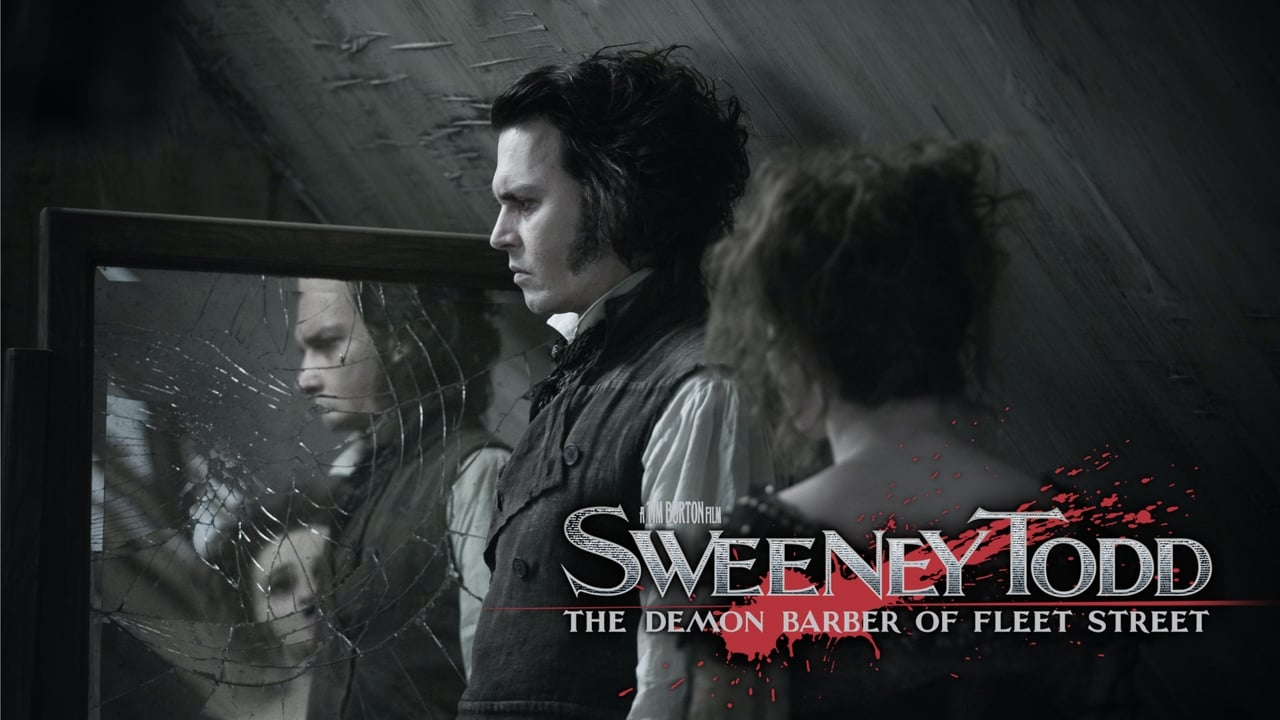
The film serves as a landmark for the "Sundance Generation" of directors moving into big-studio budgets. Burton was given the freedom to be as uncompromising as possible. There is no happy ending here; there is only the inevitable conclusion of a revenge cycle that consumes everyone it touches. It’s a film that leaves you feeling a bit cold, a bit greasy, and perhaps a little more suspicious of your local baker.
Sweeney Todd is a triumph of atmosphere and uncompromising vision. It’s the last time a Tim Burton film felt truly dangerous, shedding the "family-friendly goth" label to deliver a story that is as heartbreaking as it is horrifying. While the singing might lack the polish of a stage production, the raw, jagged emotion of the performances more than makes up for it. It is a masterpiece of the macabre that deserves to be seen on the biggest, loudest screen possible—just maybe skip the snacks while you watch.
Keep Exploring...
-
Sleepy Hollow
1999
-
The Last Samurai
2003
-
Charlie and the Chocolate Factory
2005
-
Alice in Wonderland
2010
-

Black Swan
2010
-
Interview with the Vampire
1994
-
Big Fish
2003
-
Edward Scissorhands
1990
-
Ed Wood
1994
-

The Dark Knight Rises
2012
-
Donnie Brasco
1997
-
A Tale of Two Sisters
2003
-
Corpse Bride
2005
-
Inland Empire
2006
-
The Orphanage
2007
-
Let the Right One In
2008
-
Martyrs
2008
-
Thirst
2009
-
Take Shelter
2011
-
The Skin I Live In
2011