Taxi 4
"High-speed chaos meets low-IQ comedy in Marseille."
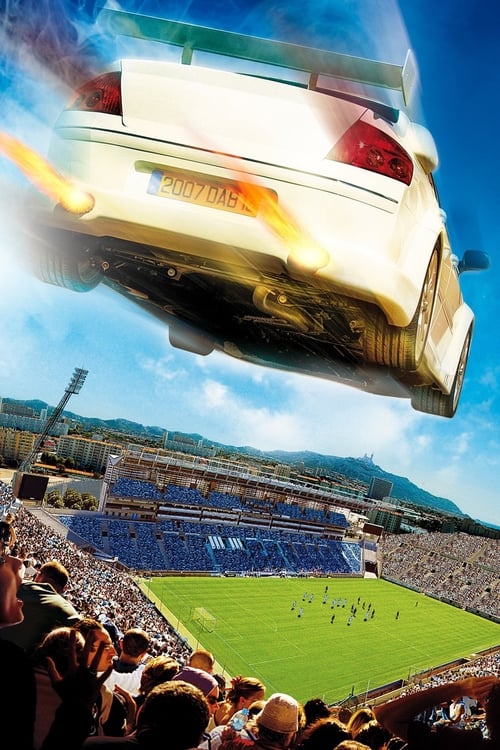
There is a specific kind of sun-drenched, Gallic madness that only the Taxi franchise can provide. By the time 2007 rolled around, the high-octane formula established by Luc Besson back in 1998 had mutated from a gritty, car-focused actioner into something closer to a live-action Saturday morning cartoon. I recently revisited Taxi 4 on a grainy DVD I found in a bargain bin, and I was struck by how much it feels like a time capsule of that mid-2000s European blockbuster energy—unapologetically silly, frantic, and perhaps a little bit tired of its own engine noise.
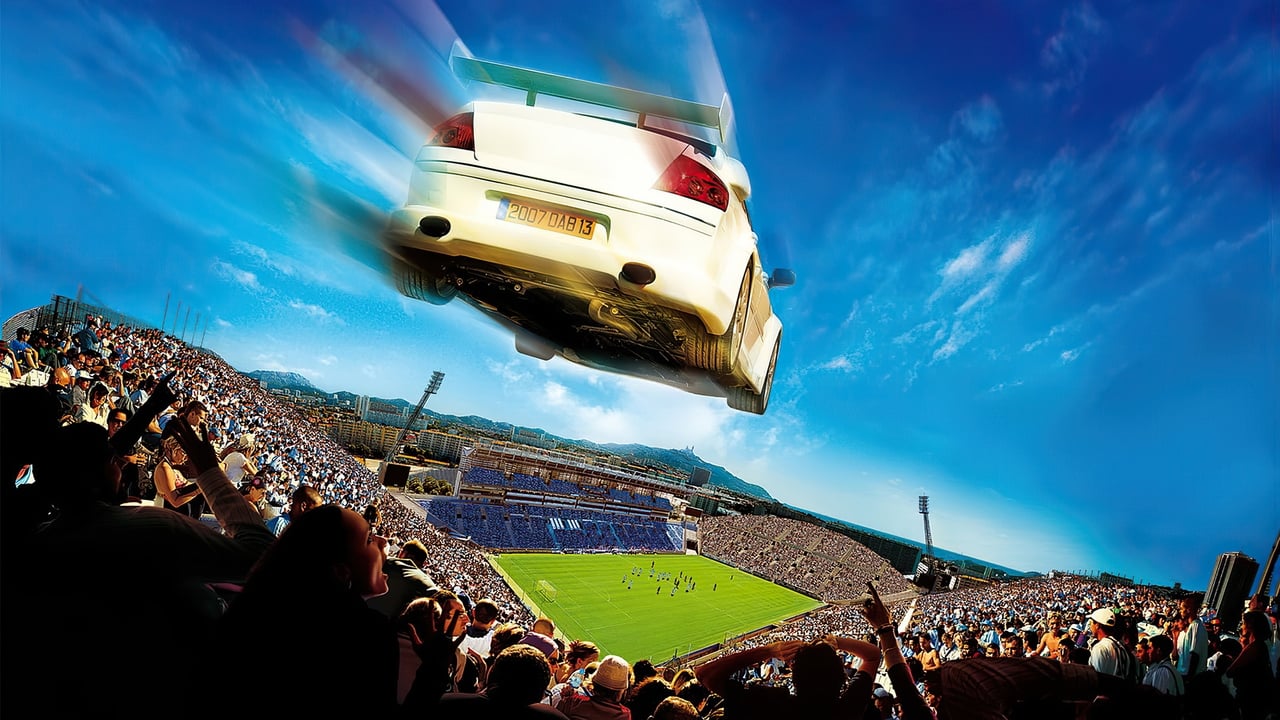
I remember watching this for the first time while nursing a terrible cold, wrapped in three blankets and drinking lukewarm peppermint tea, and honestly, the film’s manic energy was the only thing that could pierce through my sinus headache. It doesn’t ask much of you, which is both its greatest strength and its most obvious flaw.
The Peugeot Paradox
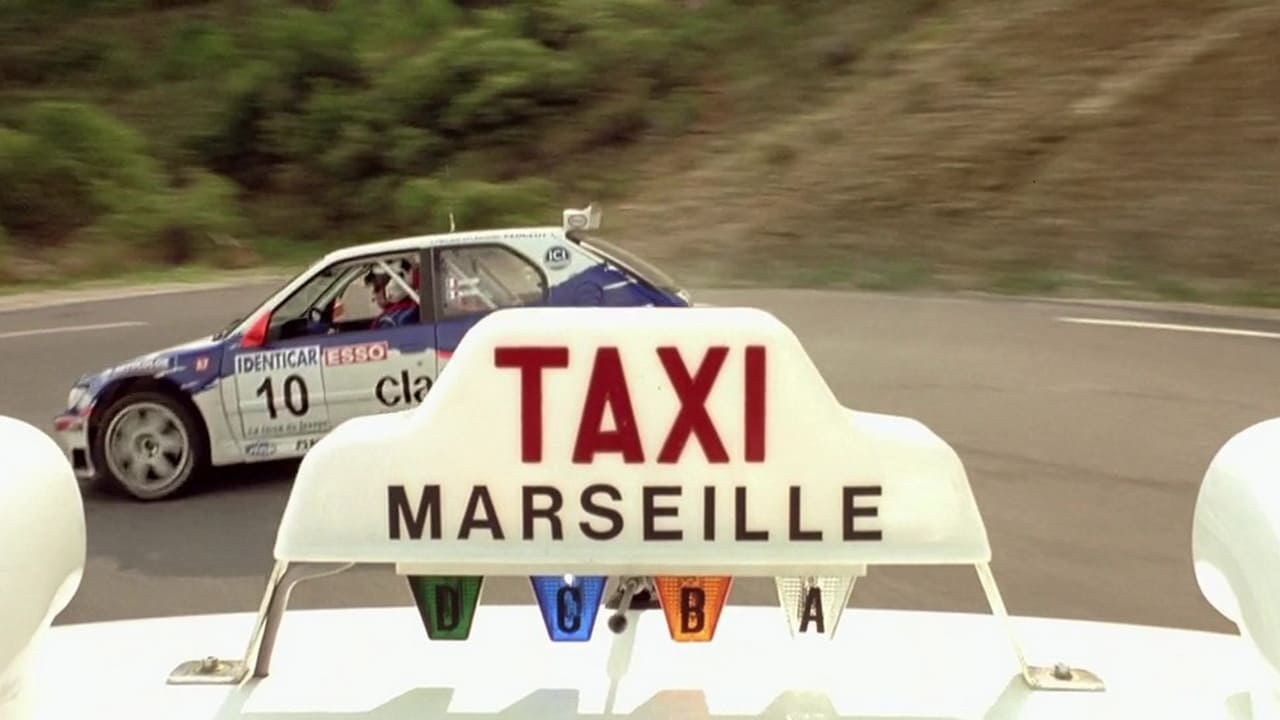
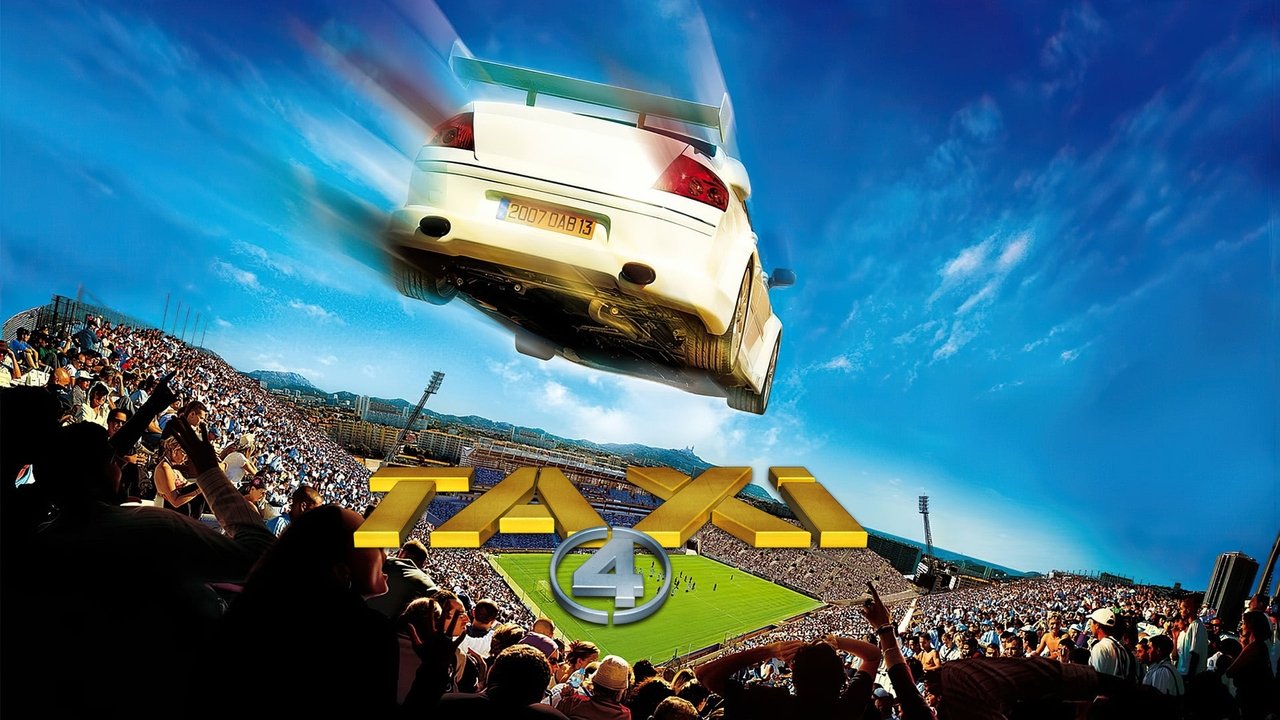
In the first two films, the car was the undisputed star. That white Peugeot 406 was a character in its own right, a mechanical marvel that could sprout wings and outrun fighter jets. By Taxi 4, the upgrade to the Peugeot 407 feels somewhat symbolic of the franchise's trajectory: it’s sleeker and more modern, but it lacks the soul of its predecessor. In fact, for a movie titled Taxi, there’s a surprising lack of actual driving.
Samy Naceri returns as Daniel Morales, the speed-demon cabbie with a heart of gold and a complete disregard for the French penal code. Naceri still has that effortless, street-smart charisma, but you can tell the script by Luc Besson is more interested in the police station’s antics than Daniel’s racing lines. The plot involves a high-profile Belgian criminal (played with sneering glee by Jean-Luc Couchard) who escapes custody because Frédéric Diefenthal’s Émilien is, quite frankly, the most incompetent police officer in the history of cinema.
Watching Frédéric Diefenthal play Émilien is like watching a golden retriever try to solve a Rubik's Cube. You feel for the guy, but you also kind of want to see him lose his badge for the sake of public safety. The dynamic between the two leads is still the glue holding the film together, even if the "buddy" element feels like it’s running on fumes.
The Gibert Show
If we’re being honest, the real reason anyone was still watching by Part 4 wasn't the cars or the crime; it was Bernard Farcy as Commissioner Gibert. By this installment, Gibert has fully transcended human logic. He is no longer a police commissioner; he is a chaotic force of nature. Whether he’s accidentally tranquilizing himself or leading a tactical raid with the grace of a drunken hippo, Farcy is the comedic MVP.
Commissioner Gibert is basically a French live-action Wile E. Coyote, and his performance is the only thing that keeps the middle act from sagging into total boredom. Director Gérard Krawczyk, who also helmed the second and third entries, knows exactly where to point the camera to catch Farcy’s impeccable facial contortions. It’s broad, slapstick humor that borders on the prehistoric, but in the context of Marseille’s brightest (and dimmest), it somehow works.
The supporting cast, including Emma Wiklund as the perpetually overqualified Petra and Édouard Montoute as the long-suffering Alain, do what they can with limited screen time. There's even a bizarrely placed cameo by football legend Djibril Cissé, which feels like the ultimate mid-2000s "cool factor" move. It’s the kind of production detail that screams 2007—a time when digital cinematography was starting to look cleaner, but the stunts still felt largely grounded in the physical world.
A Franchise in Transition
Looking back, Taxi 4 arrived at a weird crossroads for action cinema. We were moving away from the practical, stunt-heavy sequences of the 90s and toward the hyper-edited, CGI-assisted spectacle of the modern era. While the Taxi series always prided itself on real cars doing real jumps, this fourth outing feels smaller. The set pieces are less about the "how did they do that?" and more about the "look at this explosion."
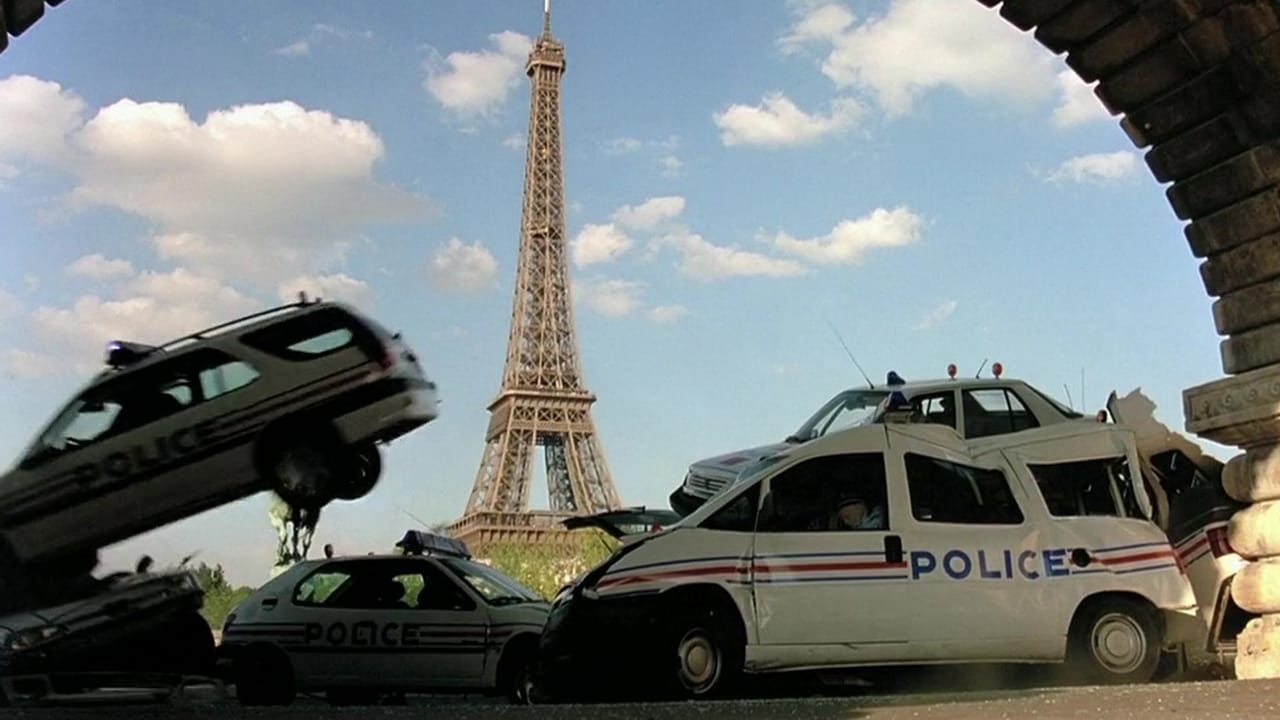
It’s also a fascinating look at the "Besson-verse" before it shifted into the Taken era of grim, gritty thrillers. Taxi 4 is bright, loud, and colorful. It reflects a pre-financial-crash optimism where the biggest problem in the world was a Belgian bank robber and a taxi driver who couldn't stop breaking the speed limit. It’s "comfort cinema" in the truest sense; you know exactly how it’s going to end, you know the bad guys will be caught in some ridiculous way, and you know the car will look cool doing it.
However, I have to say: the Peugeot 407 is a boring dad-car compared to the legendary 406. I spent half the movie wishing they’d just go back to the old model. It’s like watching Bond trade in his Aston Martin for a very fast Volvo. It’s technically better, but where’s the romance?
Ultimately, Taxi 4 is for the completionists and the fans of the Farcy-style farce. It’s a movie that knows exactly what it is—a 91-minute distraction designed to sell movie tickets and Peugeots in equal measure. It lacks the punch of the original and the creative absurdity of the second, but it’s far from a total wreck. If you’ve got an hour and a half to kill and a high tolerance for bumbling police officers, there are worse ways to spend your time. Just don't expect it to change your life—or your driving habits.

Keep Exploring...
-
Taxi 3
2003
-
Taxi 2
2000
-

Taxi
1998
-
Bandidas
2006
-
Smokin' Aces
2006
-

Wasabi
2001
-
Taxi
2004
-
Shoot 'Em Up
2007
-
Cop Out
2010
-
Big Mommas: Like Father, Like Son
2011
-

One for the Money
2012
-
Stand Up Guys
2012
-
National Security
2003
-
The Family
2013
-
Blue Streak
1999
-

The Mexican
2001
-
Johnny English Reborn
2011
-
OSS 117: Cairo, Nest of Spies
2006
-

Rush Hour 3
2007
-
District 13: Ultimatum
2009