The Assassination of Jesse James by the Coward Robert Ford
"Fame is a bullet waiting to happen."
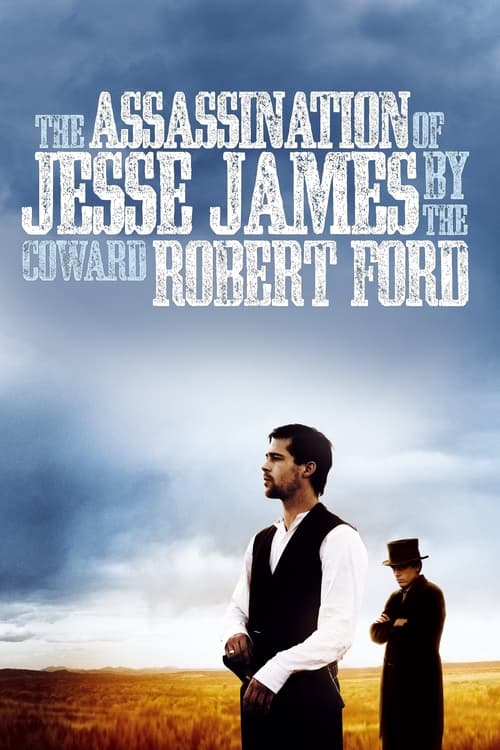
In 2007, while most of us were busy watching giant robots punch each other in Transformers or following the intricate steps of Spider-Man 3, a Western arrived with a title so long it practically required its own zip code. The Assassination of Jesse James by the Coward Robert Ford didn't just walk into theaters; it drifted in like woodsmoke, moved at the speed of a changing season, and promptly vanished from the box office. I first watched this on a flickering laptop screen during a rainstorm while my roommate was loudly microwaving fish in the next room—an experience that should have ruined it, but the film’s sheer, quiet gravity pulled me in anyway.
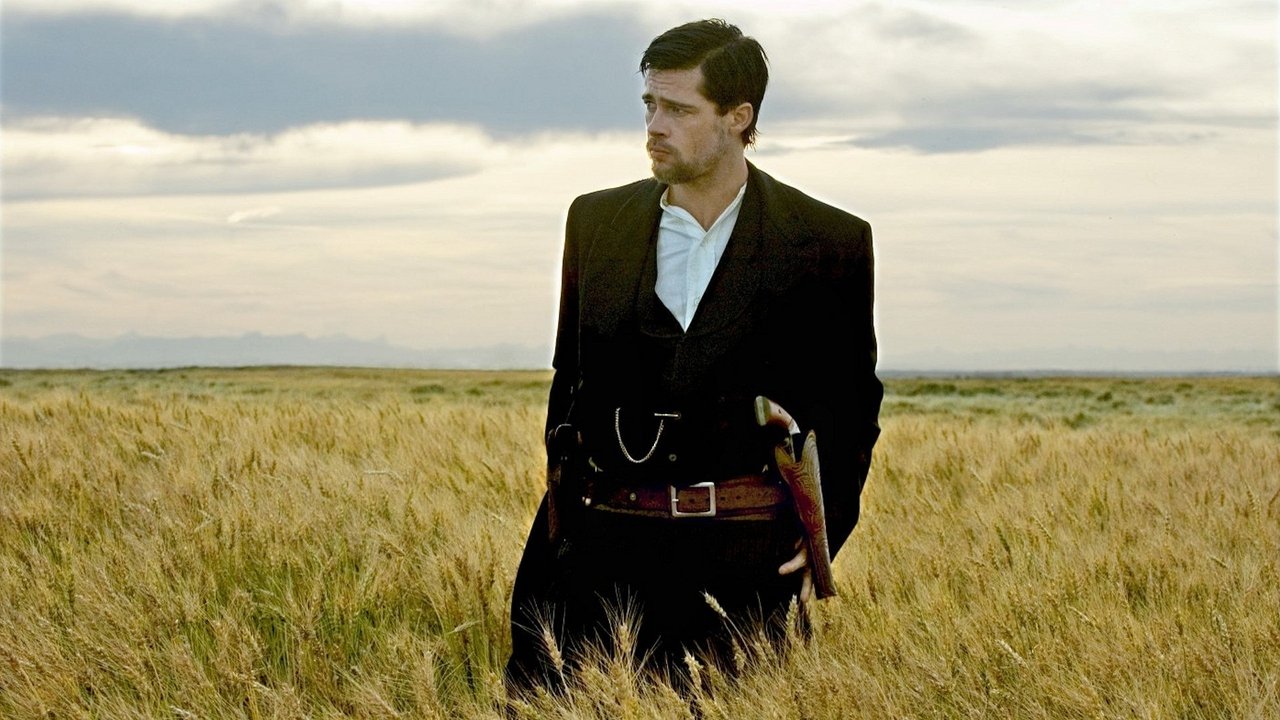
Looking back, it’s clear that Andrew Dominik wasn’t interested in making a "cowboy movie." He was performing a slow-motion autopsy on the very idea of the American celebrity. In an era where we were just starting to grapple with the invasive nature of paparazzi and the birth of the 24-hour digital news cycle, this 160-minute epic felt less like a period piece and more like a warning.
A Masterclass in Stalking Your Idols
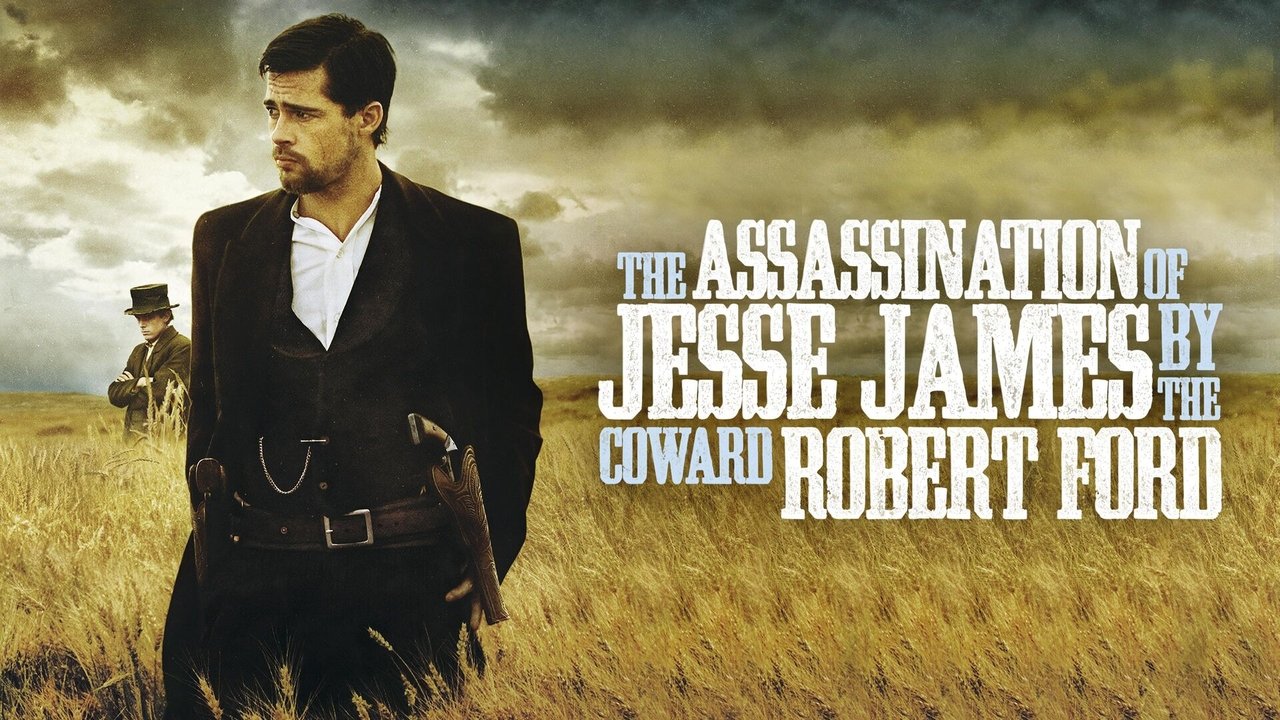
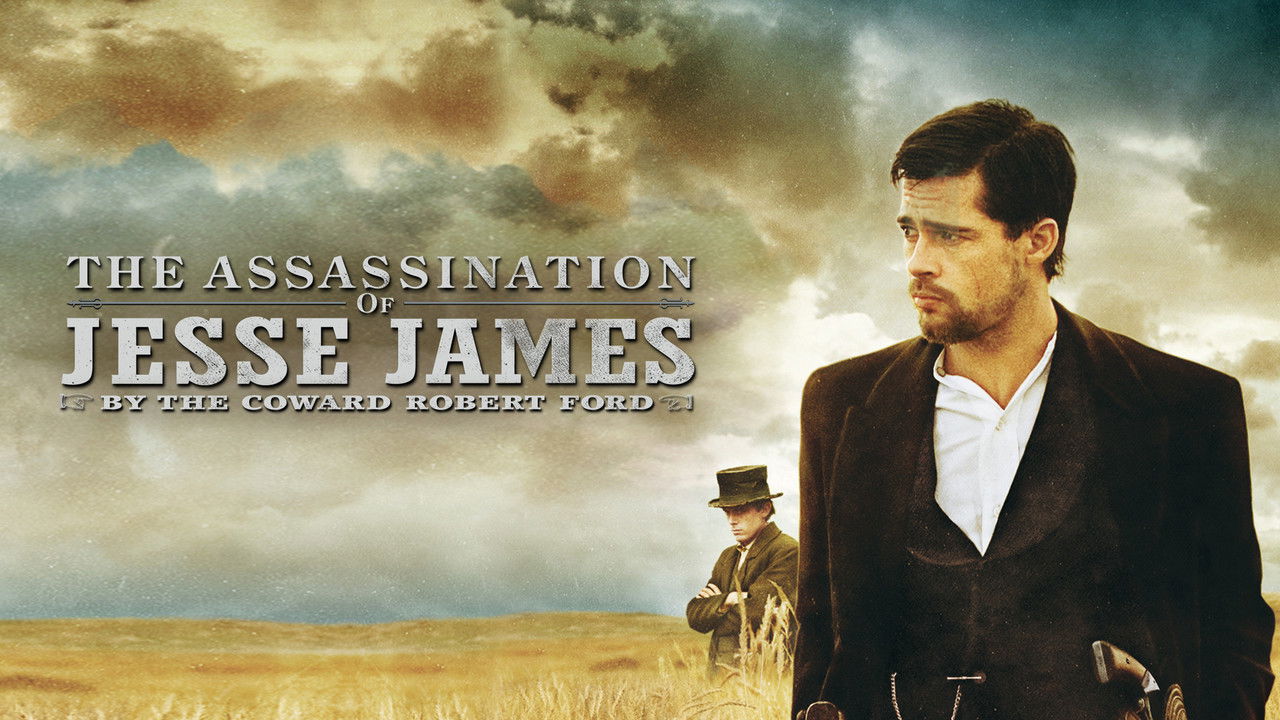
The film centers on the parasitic relationship between the legendary outlaw Jesse James and his eventual killer, Robert Ford. Brad Pitt plays Jesse not as a heroic gunslinger, but as a man suffering from a terminal case of his own myth. He’s paranoid, cruel, and deeply bored by the fact that he can’t walk into a room without someone wanting to either be him or kill him. Pitt’s performance is a career-best because he uses his own real-world superstardom to fuel Jesse’s weariness; he looks like a man who has been stared at for too long.
Then there’s Casey Affleck. If Jesse is the sun, Bob Ford is the cold, damp moon reflecting a light he didn't earn. Affleck plays Bob with a skin-crawling desperation that is almost painful to watch. He’s the ultimate fanboy—the kind of guy who keeps a shoebox of clippings about his hero under his bed and eventually realizes that the only way to "equal" his idol is to destroy him. I’ve seen less awkward tension in a middle school dance than in the scenes where Bob tries to mimic Jesse’s laugh.
The supporting cast is an embarrassment of riches. Sam Rockwell is heartbreaking as Charley Ford, caught between his brother’s ambition and Jesse’s terrifying whims. We also get early glimpses of Jeremy Renner and Garret Dillahunt, reminding us that 2007 was a golden year for finding "that guy" actors who would soon become household names.
Painting with Light and Dust
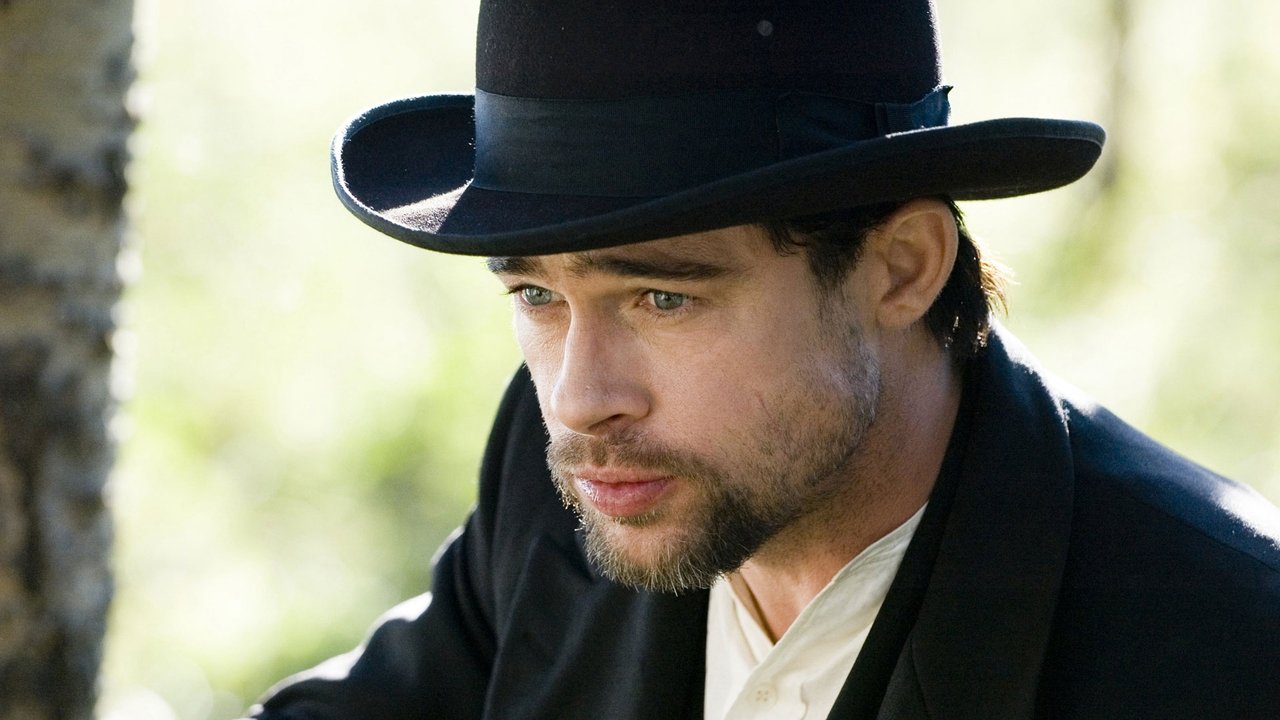
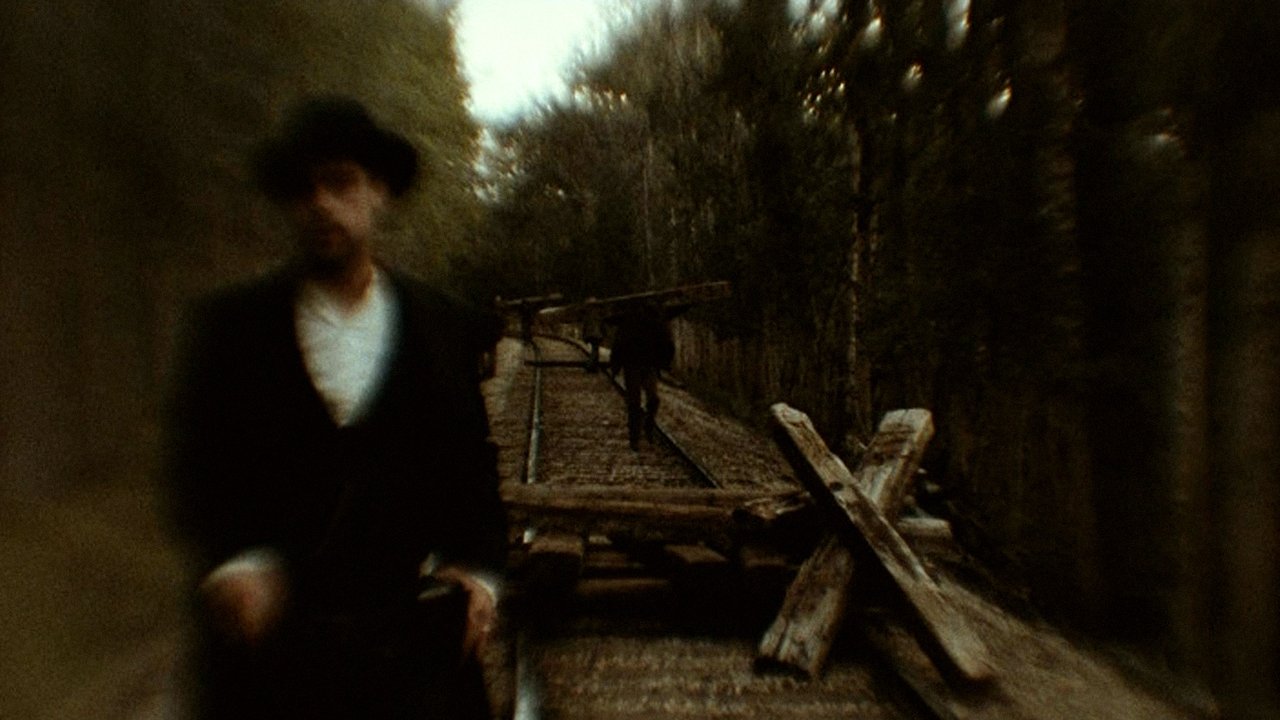
You cannot talk about this movie without talking about Roger Deakins. This was the peak of the "Modern Cinema" transition where digital was looming, but film stock was still king, and Deakins pushed celluloid to its absolute limit. He used custom-made lenses—now nicknamed "Deakinizers"—to blur the edges of the frame, giving the movie the look of an old, deteriorating photograph.
The train robbery sequence is, quite simply, one of the most beautiful things ever put on screen. The way the light from the locomotive cuts through the dark woods, silhouettes the outlaws, and turns the smoke into a solid wall of gold is enough to make you want to pause the movie and frame your television. It’s a reminder of what was lost as Hollywood shifted toward the flat, crisp look of early digital; there is a texture here, a sense of cold air and damp wool, that feels tactile.
Equally important is the score by Nick Cave and Warren Ellis. It doesn't use the triumphant horns of a traditional Western. Instead, it’s all mournful violins and tinkling celestas. It sounds like a funeral march held in a jewelry box.
The Battle for the Cut
The film’s journey to cult status is a classic story of "Art vs. The Machine." Warner Bros. was reportedly terrified by the 160-minute runtime and the glacial pace. There were rumors of over a dozen different cuts floating around, with some versions reportedly stretching to four hours. The studio wanted an action movie; Dominik gave them a Victorian poem.
Because it failed so spectacularly at the box office—making back less than half its budget—it became a "secret handshake" movie. In the late 2000s, owning the two-disc Special Edition DVD was a mark of a "serious" film fan. It was the kind of movie you'd lend to a friend with the instruction: "You have to turn your phone off for this one."
It’s a film that asks for your patience and rewards it with a haunting psychological depth that the MCU-era blockbusters rarely touch. It’s about the crushing weight of expectations and the realization that our heroes are often just broken men in nice coats. This movie is so slow that a snail could probably finish a marathon during the runtime, but every second feels earned.
The Assassination of Jesse James by the Coward Robert Ford is a rare beast: a big-budget studio film that feels like a whispered secret. It’s a gorgeous, harrowing look at the dark side of the American Dream, anchored by a pair of performances that have only grown more impressive with age. If you haven't seen it, dim the lights, put your phone in another room, and let the dust settle. It’s a masterpiece that was just waiting for the rest of us to catch up to it.
Keep Exploring...
-
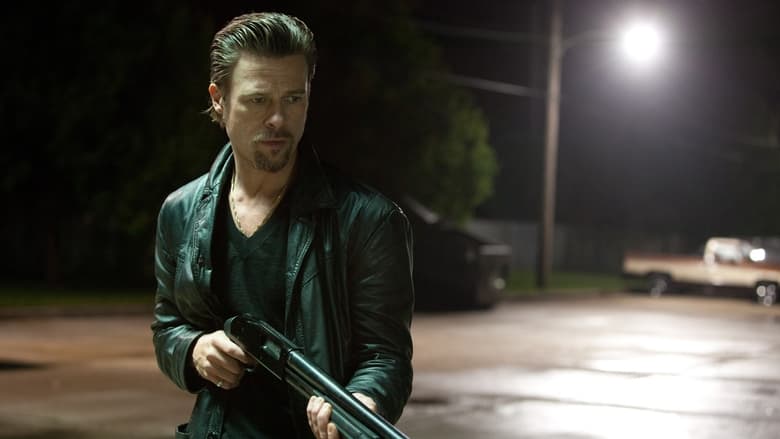
Killing Them Softly
2012
-
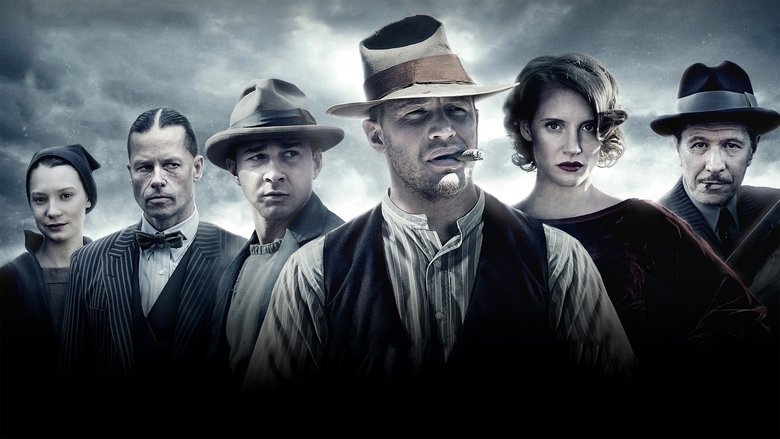
Lawless
2012
-

The Tree of Life
2011
-

Legends of the Fall
1994
-
Spirit: Stallion of the Cimarron
2002
-
The Curious Case of Benjamin Button
2008
-
Moneyball
2011
-
Open Range
2003
-
Appaloosa
2008
-
(500) Days of Summer
2009
-

Brothers
2009
-
The Road
2009
-
True Grit
2010
-
Out of the Furnace
2013
-

Seven Years in Tibet
1997
-
Babel
2006
-

American Gangster
2007
-
Bridge to Terabithia
2007
-
The Spiderwick Chronicles
2008
-
25th Hour
2002