The Brave One
"Fear has a voice, and it's calling for blood."

New York City in 2007 was caught in a strange, liminal space—the twin towers were gone, but the grit of the 1970s hadn’t yet been fully scrubbed away by the hyper-sanitized glass towers of the modern billionaire era. It’s in this humid, anxious atmosphere that director Neil Jordan (who gave us the haunting The Crying Game) decided to remake Death Wish for the NPR set. This wasn't a low-budget grindhouse flick; it was a $70 million prestige thriller that somehow ended up being both a philosophical meditation on trauma and a movie where a diminutive Oscar winner executes people in subway stations.
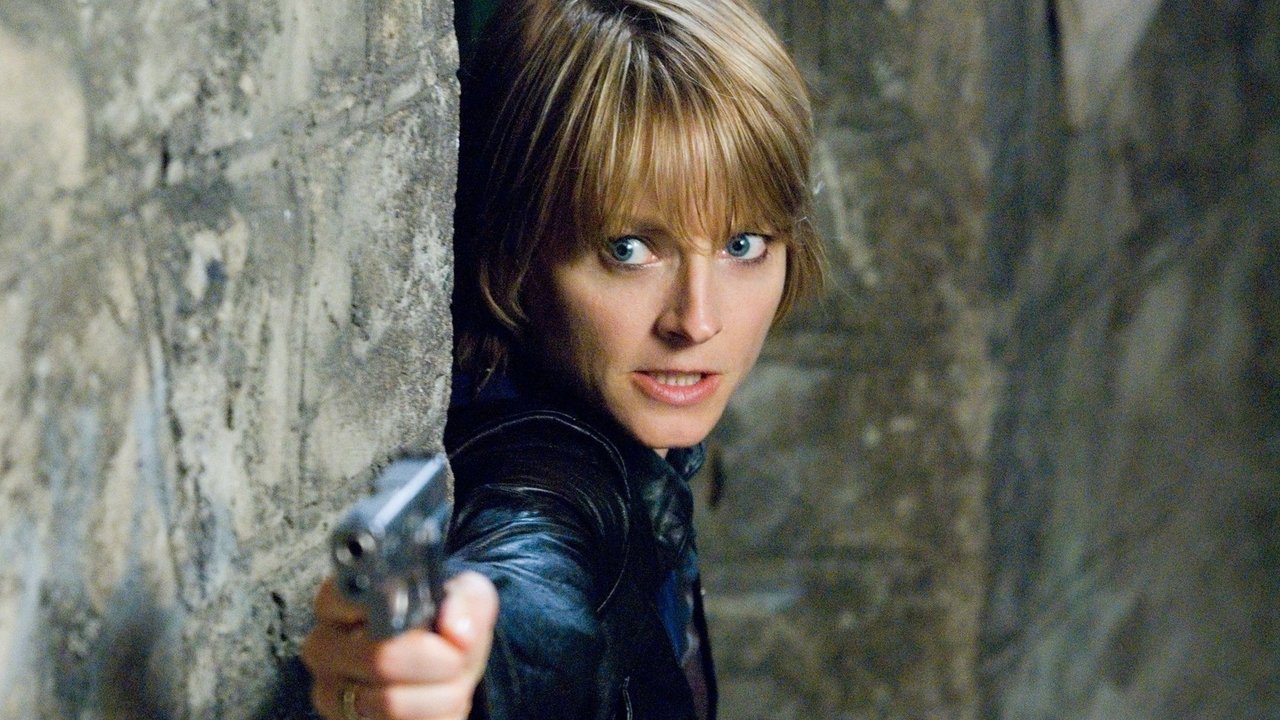
I watched this on a DVD I found in a "3 for $10" bin at a closing Blockbuster, and the disc had a faint, inexplicable smell of vanilla air freshener that lingered on my fingers for hours. It was a fittingly domestic backdrop for a movie that tries so hard to reconcile the mundane life of a radio host with the explosive reality of urban violence.
The Voice of the City
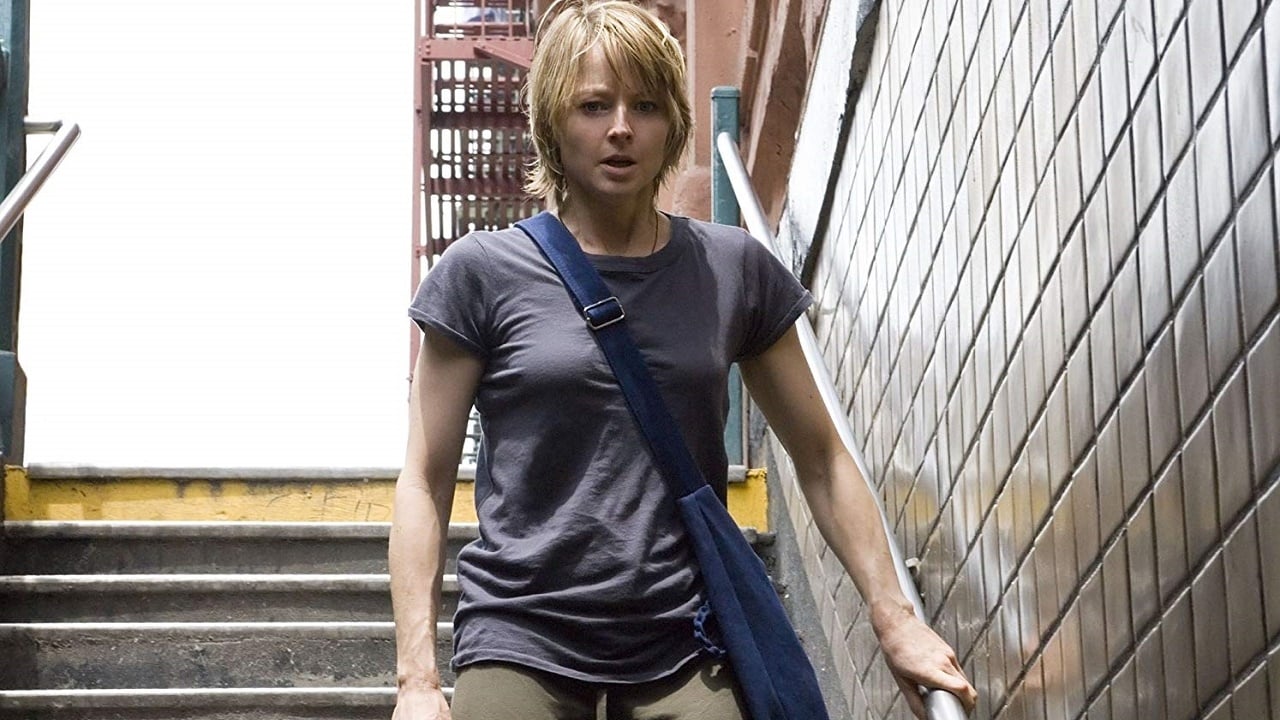
Jodie Foster plays Erica Bain, a woman who records the "sounds of the city" for her radio show. She’s sophisticated, articulate, and deeply in love with her fiancé, David, played by Naveen Andrews (who most of us were obsessing over in Lost at the time). Their lives are shattered during a walk in Central Park that goes south in the most brutal way imaginable. The attack is filmed with a jarring, shaky intimacy that feels very of its era—that post-9/11 cinematic language where everything needed to feel "real" and unpleasant.
When Erica emerges from her coma, she isn't the same person. She buys an illegal handgun, and the film shifts gears from a tragedy into a psychological vigilante procedural. Foster is, as always, incredible at projecting a high-IQ internal monologue without saying a word. You can see her brain rewiring itself. She doesn't become a superhero; she becomes a ghost haunting her own life. It’s a far cry from the mustache-twirling bravado of Charles Bronson. Erica is terrified of herself, which makes her much more dangerous.
A High-Price Identity Crisis
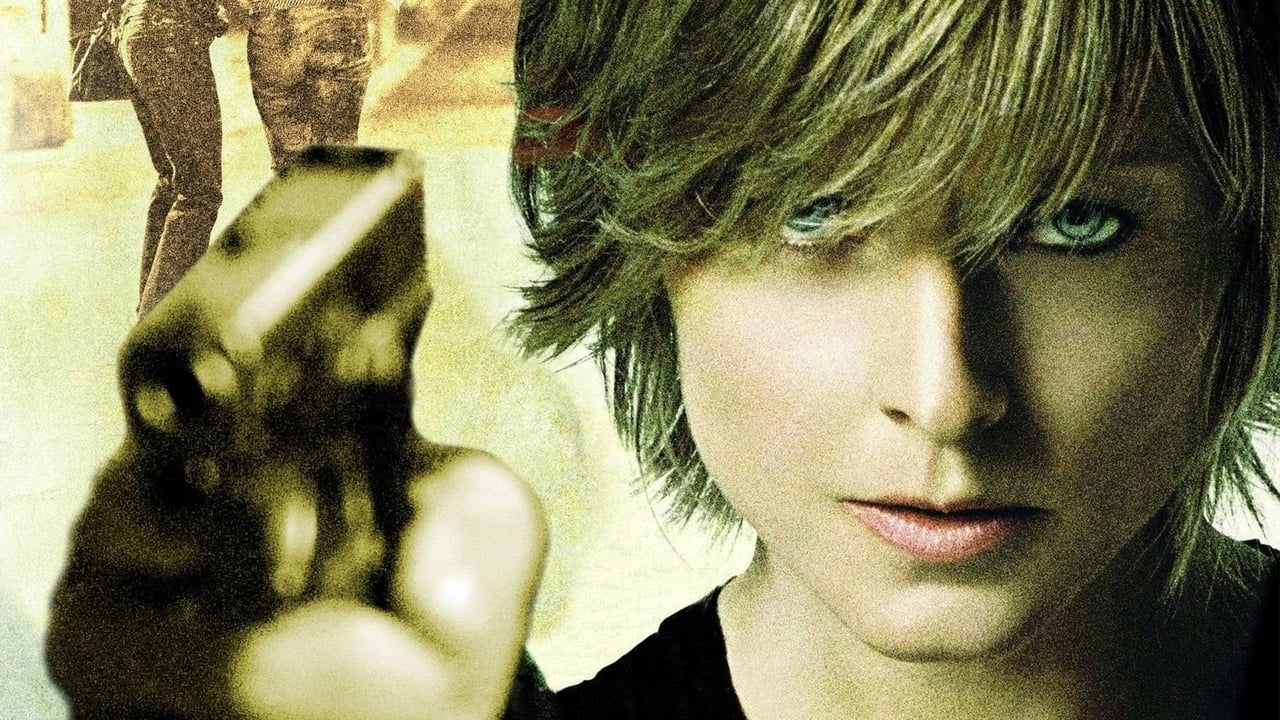
The strangest thing about The Brave One is the math. Production companies Village Roadshow and Silver Pictures poured $70 million into what is essentially a dark, character-driven drama. To put that in perspective, that is an insane amount of money to spend on a movie about a lady buying a Glock and feeling sad. You can see where the money went—the cinematography by Philippe Rousselot (A River Runs Through It) is gorgeous, turning NYC into a golden-hued dreamscape that slowly rots into a neon nightmare—but the film struggled to find an audience. It barely clawed back its budget at the box office.
I suspect the disconnect came from the marketing. The posters promised a high-octane revenge thriller, but Neil Jordan delivered a slow-burn study on how violence changes the DNA of a person. It’s a movie that wants to have its cake and eat it too: it gives you the "satisfaction" of seeing bad guys get what’s coming to them, but then it stares you in the face and asks why you’re enjoying it.
The relationship between Erica and Detective Mercer, played by Terrence Howard, provides the film’s spine. Howard, riding high on his Hustle & Flow fame, brings a soft-spoken, almost musical quality to his performance. He suspects Erica, but he also respects her, and their scenes together have a weirdly romantic, cat-and-mouse tension that feels like it belongs in a much older, noir-inspired film.
Does the Vengeance Hold Up?
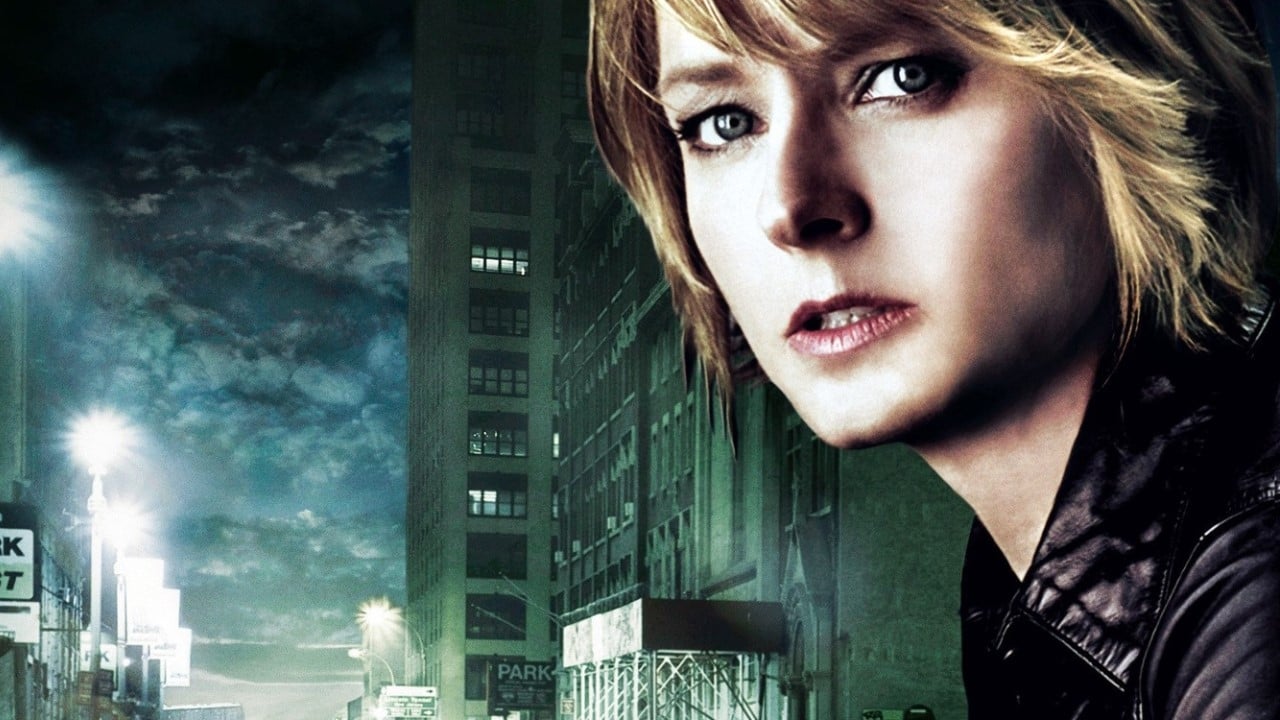
Looking back, The Brave One feels like a relic of a time when major studios were still willing to gamble on adult-oriented "star vehicles" that didn't involve a cape or a multiversal portal. It captures a very specific New York anxiety—the feeling that the city is a monster that might swallow you whole if you stop paying attention.
However, the film’s ending remains a massive point of contention. Without spoiling the specifics, the resolution takes a hard turn away from "prestige drama" and dives straight into "vigilante fantasy." It’s the kind of ending that likely tested well with audiences who wanted a "win," but it feels a bit dishonest compared to the gritty realism of the first hour. It’s a choice that reflects the Hollywood of the mid-2000s: even our most intellectual explorations of trauma had to have a "cool" payoff.
Despite its flaws, I find myself thinking about it more than most modern thrillers. It’s a messy, expensive, beautifully shot experiment. It treats its protagonist’s descent into madness with a level of gravity that we rarely see anymore. Plus, seeing Nicky Katt pop up as a cynical detective is always a win for fans of 90s indie mainstays.
The Brave One is a fascinating "what-if" from the twilight of the star-driven era. It's a film that tries to be both a heavy-hitting Oscar contender and a Saturday night popcorn flick, and while it doesn't quite nail the landing, Jodie Foster's performance is a masterclass in controlled intensity. It’s worth a watch if you’re in the mood for a New York story that isn't afraid to get its hands dirty, even if it spent way too much money on the manicure.
Keep Exploring...
-
Murder by Numbers
2002
-
Basic
2003
-
Matchstick Men
2003
-

Out of Time
2003
-
The Hunted
2003
-
The Black Dahlia
2006
-
Edge of Darkness
2010
-
Dead Man Down
2013
-
Panic Room
2002
-
Confessions of a Dangerous Mind
2002
-

Domino
2005
-
Alpha Dog
2006
-
Undisputed II: Last Man Standing
2006
-
In the Valley of Elah
2007
-
We Own the Night
2007
-

Lakeview Terrace
2008
-
Street Kings
2008
-
Untraceable
2008
-
The Last House on the Left
2009
-
Brooklyn's Finest
2010