The Diving Bell and the Butterfly
"One blink for yes, two for freedom."
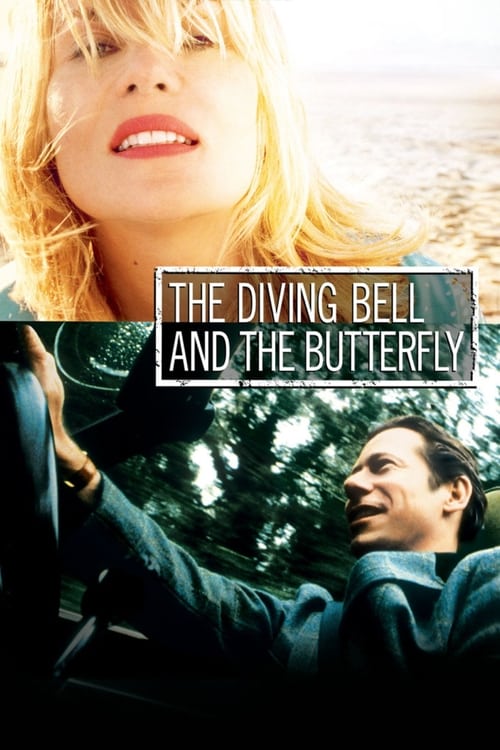
There is a specific kind of terror in the first person. Usually, when a movie puts us behind the eyes of a character, it’s for a high-octane gimmick—a shootout or a slasher chase. But Julian Schnabel’s 2007 masterpiece, The Diving Bell and the Butterfly, uses the POV shot to execute a different kind of heist. It steals your ability to move.
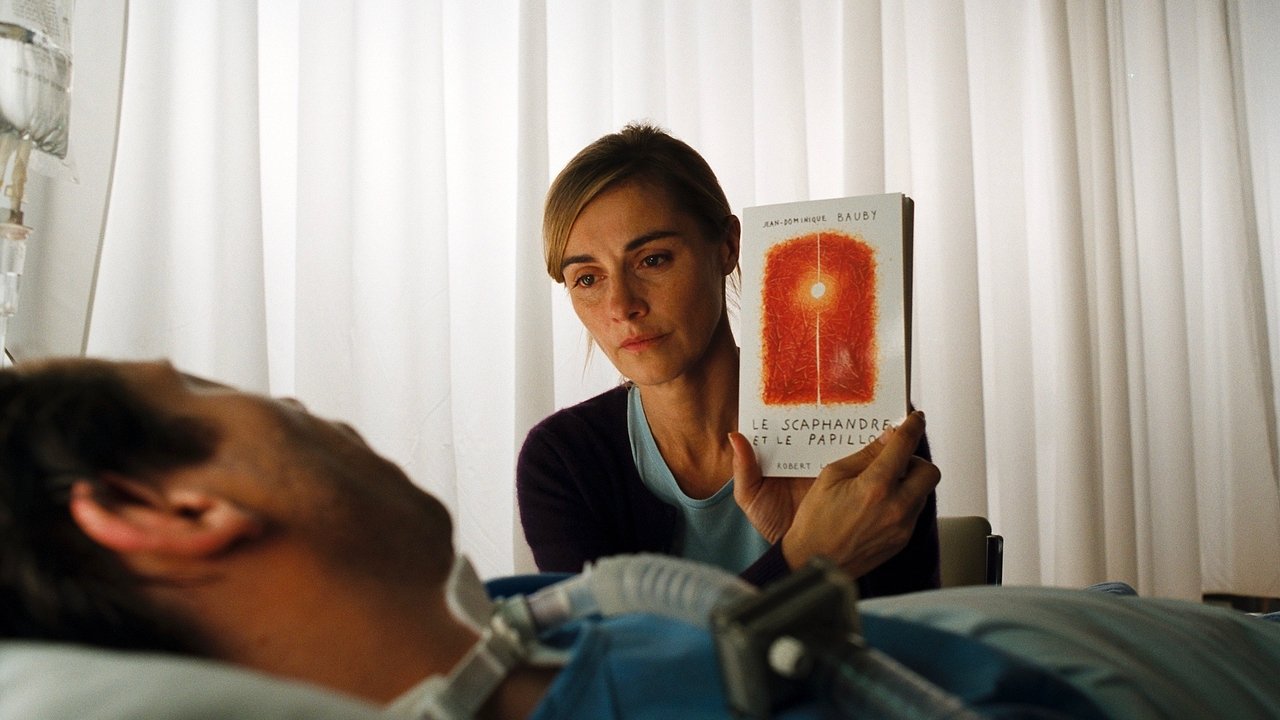
The film opens with a blurry, terrifying awakening. We are Jean-Dominique Bauby, the former high-flying editor of French Elle, and we have just emerged from a massive stroke. We hear the doctors talking over us like we’re a piece of furniture. We feel the stitching of an eyelid being sewn shut. It is suffocating, claustrophobic, and honestly, being trapped in your own skin is the ultimate horror movie premise disguised as a prestige drama. I watched this for the first time on a laptop with a cracked screen, and the glitching pixels actually added to the disorienting, jagged sensation of Bauby’s shattered world.
The Lens as a Prison Cell
For the first third of the movie, we don’t even see Mathieu Amalric. We are him. Schnabel, who began his career as a world-renowned painter, treats the camera like a canvas that’s been left out in the rain. Janusz Kamiński—the cinematographer who usually helps Steven Spielberg make things look heroic—uses tilt-shift lenses and extreme close-ups to mimic the way a single functioning eye tries to make sense of a room.
It’s a daring choice that shouldn't work for 112 minutes, yet it’s the only way to make us understand the "diving bell"—that heavy, iron weight of a paralyzed body. But then there’s the "butterfly." That’s the imagination. As Bauby begins to dictate his memoir by blinking his left eye to a patient transcriber, the film breaks out of the hospital room and into the lush, saturated world of his memories and fantasies.
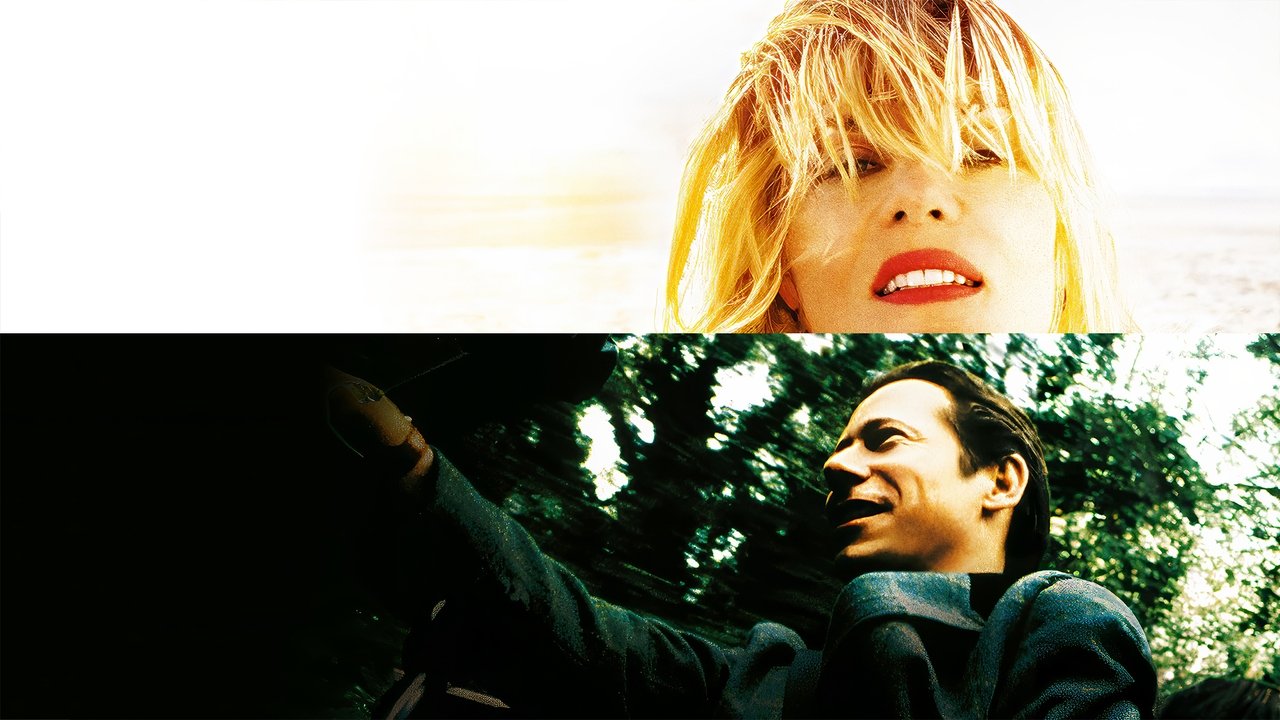
The contrast is where the film finds its pulse. One moment we are staring at a beige ceiling, the next we are watching a slow-motion feast or a ghostly fashion shoot on a windswept beach. It asks a heavy question without being a drag: If your physical life ended today, which memories would be strong enough to keep you company in the dark?
A Hedonist’s Internal Revolution
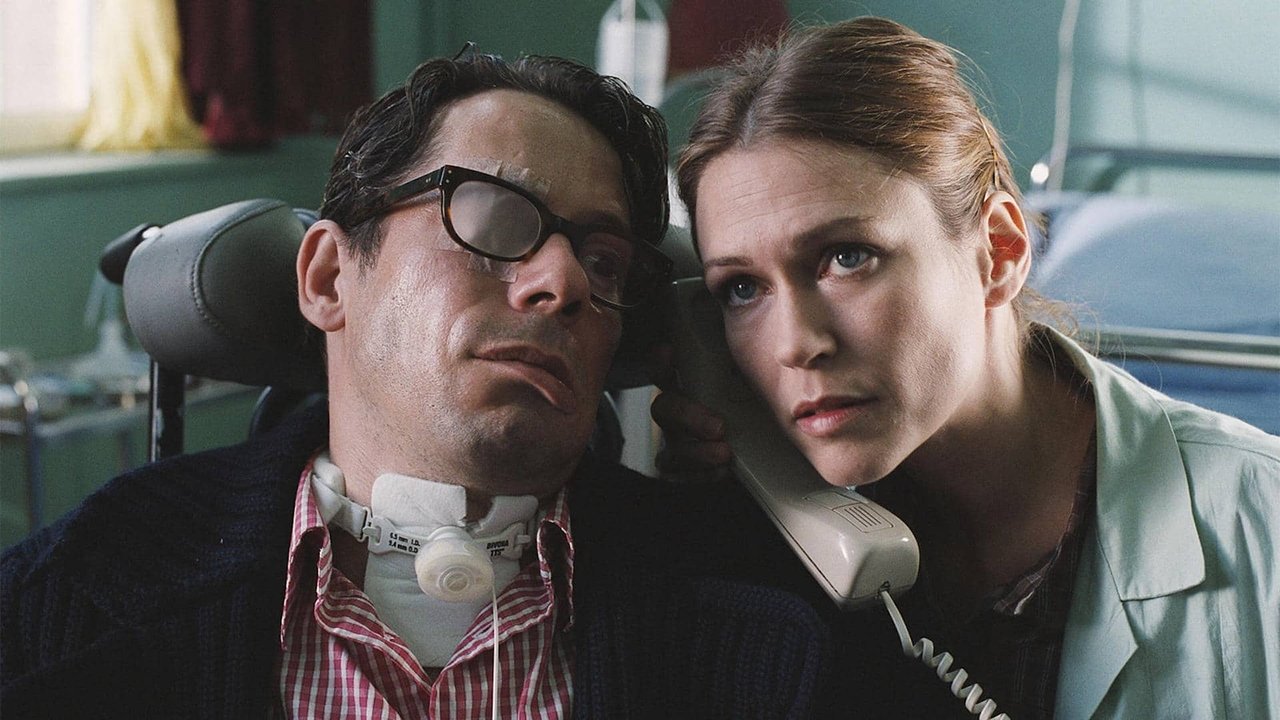
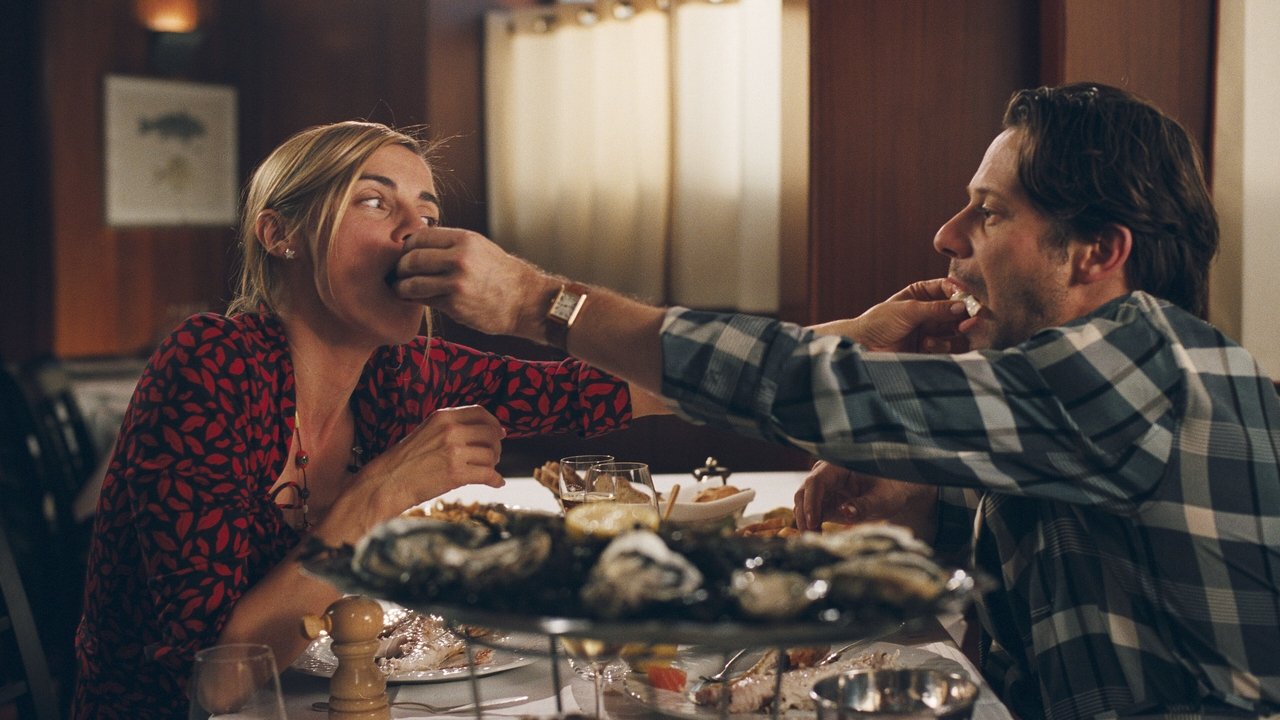
Mathieu Amalric is a marvel here, mostly because he has to act with a fraction of his face. Before the stroke, his Bauby was a charming, slightly arrogant man of the world. After, he is a "mind without a voice," but through his caustic, funny, and often pathetic internal monologue, we see him become more human than he ever was when he could walk.
The women in his life—the mother of his children, Emmanuelle Seigner, and his speech therapist, Marie-Josée Croze—are portrayed with a heartbreaking patience. There is a scene involving a telephone and a one-way conversation that is the most effective tear-jerker of the 2000s without even trying. It’s not about pity; it’s about the sheer, exhausting labor of love.
We also get a brief, towering performance from the late Max von Sydow as Bauby’s father. The scene where the two men—one trapped by age in his apartment, the other trapped by paralysis—try to communicate is a masterclass in what a script can do when it stops trying to be "clever" and starts being honest. It’s a reminder that we are all, eventually, going to be betrayed by our bodies.
The DVD Era’s Quiet Masterpiece
Released in 2007, this film arrived right at the peak of the "indie boom" and the height of the DVD supplement culture. I remember the special features on the disc being almost as famous as the movie, showing how Schnabel (who looks like a bohemian giant) navigated a French-speaking set despite not being fluent when he started. It was a time when a "difficult" foreign film could still find a massive audience through word-of-mouth and rental kiosks.
Looking back, The Diving Bell and the Butterfly feels like a bit of a lost relic. It’s a film that demands your undivided attention in an era where we’re all dual-screening our lives away. You can’t check your phone while watching this; if you look away, you might miss the one blink that changes everything. It doesn't rely on the CGI spectacle that was starting to take over the industry in the mid-2000s. Instead, it uses old-school camera tricks—smearing Vaseline on the lens, manual focusing—to create a world that feels more "real" than any digital landscape.
It’s a "cerebral" movie, sure, but it’s not an academic exercise. It’s a visceral, sensory experience that makes you want to go outside and breathe cold air or eat a piece of fruit just because you can.
Ultimately, this isn't a movie about a man dying; it’s a movie about the frantic, beautiful necessity of expression. It’s about the fact that even if you are reduced to a single eyelid, you still have a story that needs to be told. It’s a gorgeous, painful, and surprisingly funny look at the internal life we all take for granted. If you haven't seen it since the days of the Netflix red envelopes, or if you've never seen it at all, find the biggest screen you can and let yourself get trapped for a while. You’ll feel a lot lighter when the credits roll.
Keep Exploring...
-
Malcolm X
1992
-
Selena
1997
-
The Round Up
2010
-

Hero
2002
-
Coach Carter
2005
-
Apocalypto
2006
-
Ip Man
2008
-
The King's Speech
2010
-
Amour
2012
-
Confessions of a Dangerous Mind
2002
-
The Count of Monte Cristo
2002
-
Good Night, and Good Luck.
2005
-
Joyeux Noel
2005
-
United 93
2006
-
In the Valley of Elah
2007
-
Defiance
2008
-
Frost/Nixon
2008
-
The Duchess
2008
-
Coco Before Chanel
2009
-
The Young Victoria
2009