The Golden Compass
"A glittering North Star that lost its way."
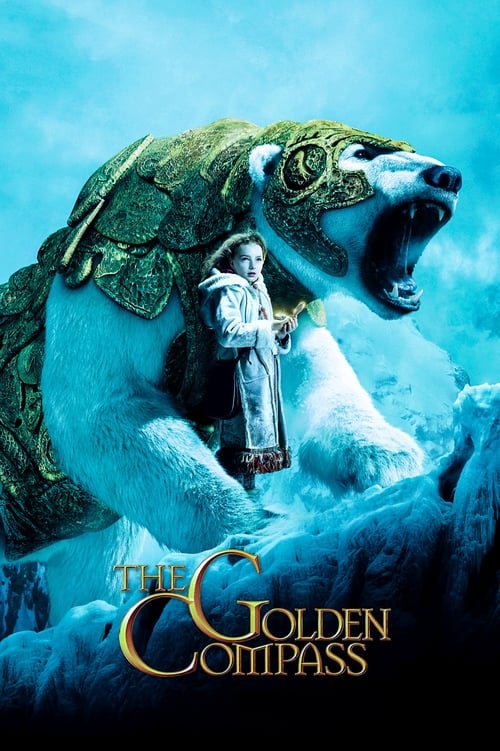
There was a specific kind of "New Line Cinema" energy in 2007 that felt both invincible and desperate. Flush with Lord of the Rings cash but terrified of losing their crown to the Harry Potter juggernaut, the studio bet the farm on Philip Pullman’s His Dark Materials trilogy. I remember watching this on a slightly warped DVD I’d borrowed from a neighbor who smelled faintly of mothballs, and the skipping during the ice bear fight only added a weird, jittery tension to the experience. Looking back, The Golden Compass is a fascinating relic of that mid-aughts transition where CGI was becoming sentient, and studios were trying to turn complex literature into "all-ages" Happy Meal toys.
The Gilded Cage of the Mid-2000s Blockbuster
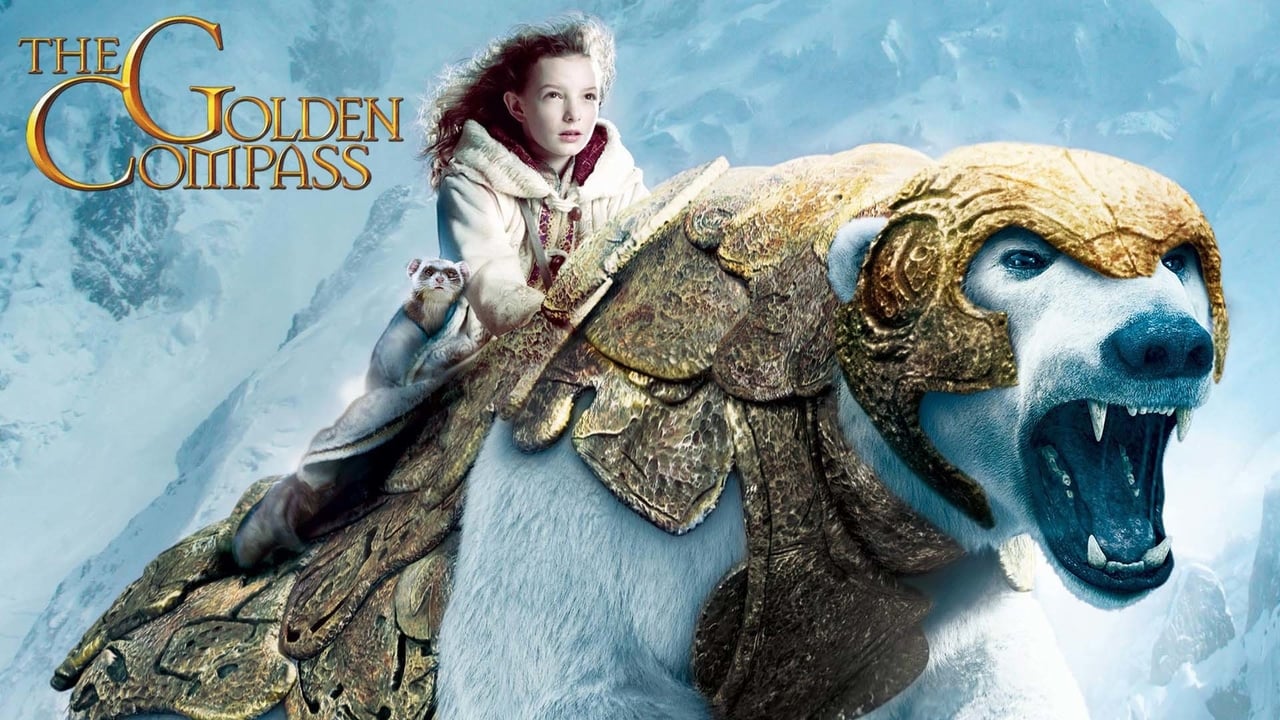
The film follows Lyra Belacqua, played by Dakota Blue Richards, a newcomer who carried the weight of this massive production with an impressive, unpolished grit. She’s an orphan at Jordan College in an Oxford that isn’t quite ours—a world where everyone’s soul lives outside their body as an animal companion called a "daemon." It’s one of the most beautiful concepts in fantasy history, and for about forty-five minutes, director Chris Weitz (who also steered About a Boy) actually captures that sense of wonder.
The production design by Dennis Gassner is genuinely world-class. It’s "steampunk-lite" before the term became a Pinterest aesthetic, all brass dials, zeppelins, and Victorian velvet. But you can feel the corporate anxiety vibrating off the screen. The studio neutered the philosophy until it was as toothless as a gummy bear. Pullman’s books were a fierce, controversial critique of organized religion and dogma; the movie, under pressure from groups like the Catholic League, scrubbed the "Magisterium" of its clerical overtones, turning the villains into generic, shadowy bureaucrats. In doing so, it lost its soul—ironic for a movie about daemons.
Casting Perfection in a Compromised Script
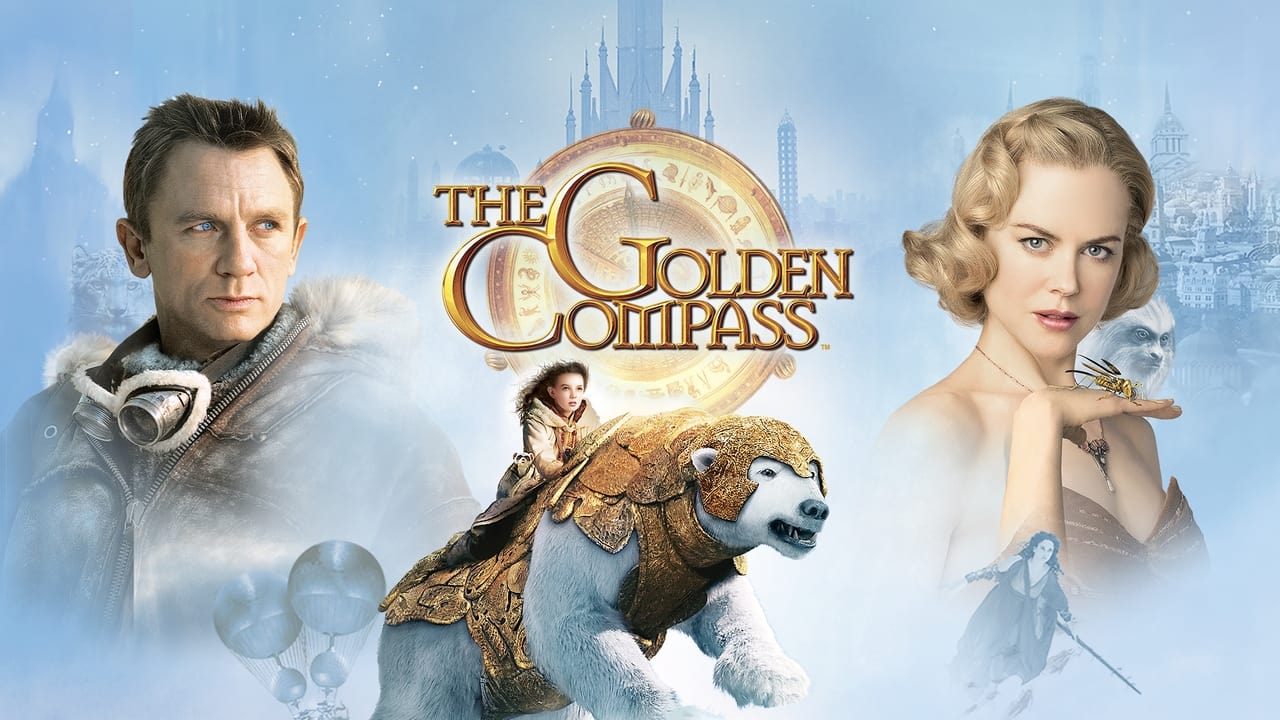
If there is a reason this film has sustained a cult following despite being a "franchise non-starter," it’s the cast. Nicole Kidman as Marisa Coulter is a masterclass in predatory elegance. She doesn't just play the role; she haunts it. There’s a scene where she hits her daemon, a golden monkey, and the look of self-loathing on her face is more sophisticated than anything else in the script. Apparently, Pullman himself had Kidman in mind while writing the later books, and it shows.
Opposite her, we get Daniel Craig as Lord Asriel. Fresh off his Casino Royale (2006) debut, he’s peak "intense Craig" here—all piercing blue eyes and rugged ambition. It’s a shame he’s barely in the movie. The chemistry between the cast members, including a young Ben Walker and the voice of Freddie Highmore as Lyra’s daemon, Pan, is top-tier. Even the voice cast for the armored bears is legendary, with Ian McKellen bringing a weary, gravelly nobility to Iorek Byrnison. Fun fact: Ian McShane (who was in Deadwood at the time) voiced the rival bear king, Ragnar Sturlusson, after the studio decided they wanted a more "menacing" voice than the original choice.
The CGI Bear in the Room

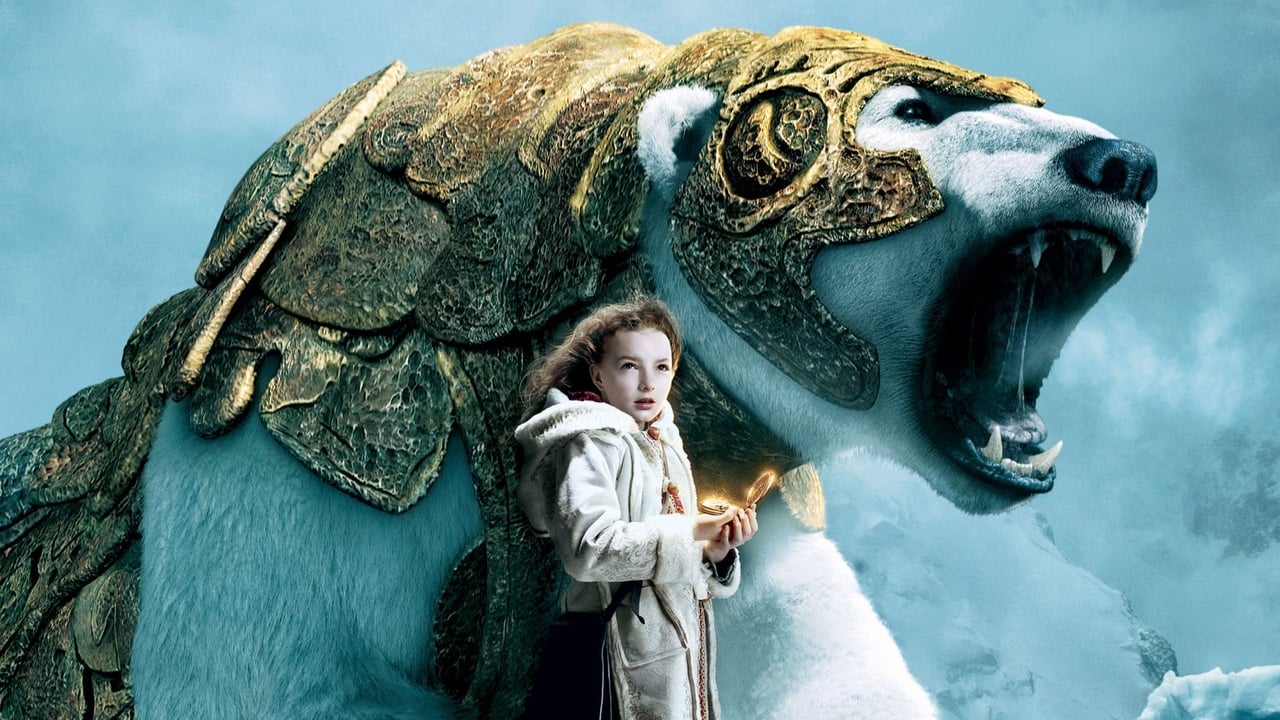
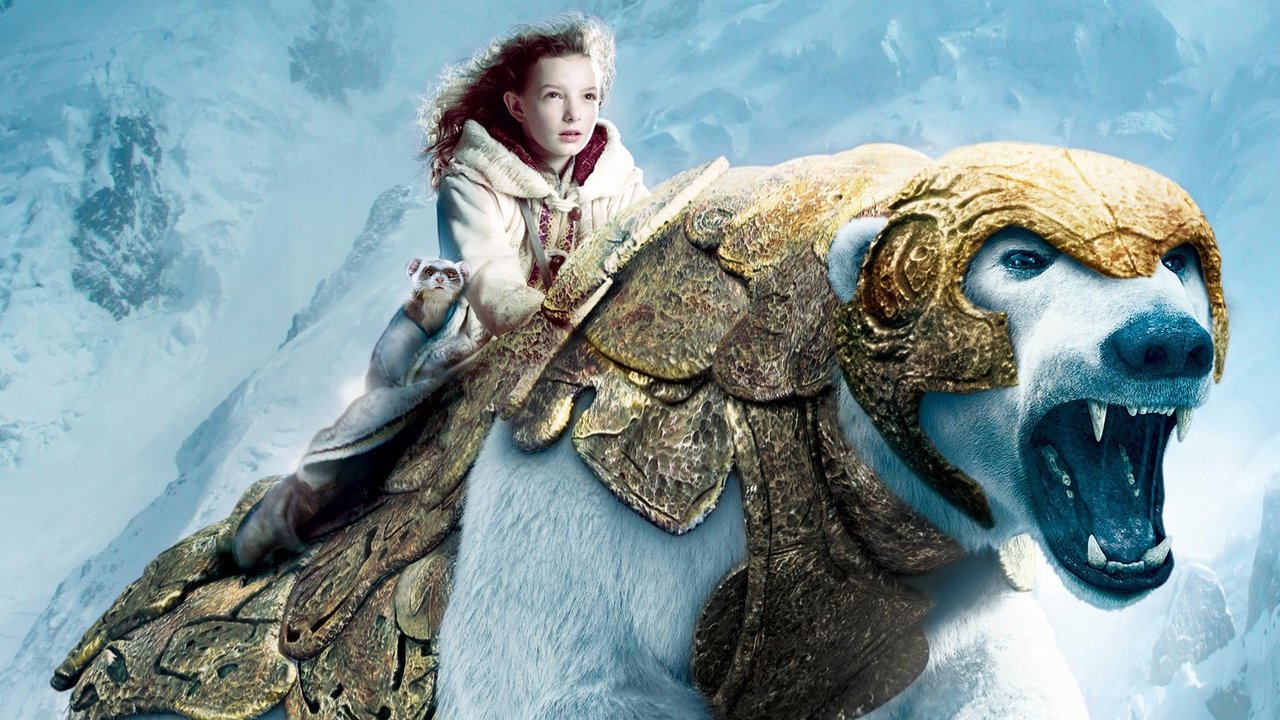
Technologically, The Golden Compass was a titan. It actually won the Academy Award for Best Visual Effects, famously beating out the first Transformers. Watching it now, the digital work on the daemons and the bears holds up surprisingly well. The fur rendering was a massive leap forward for the time, handled by the wizards at Rhythm & Hues and Digital Domain. It’s a lavish $180 million trailer for a sequel that never happened.
The real tragedy of the film lies in the editing room. In a move that still baffles fans, New Line decided to cut the final three chapters of the book from the movie after they had been filmed. They wanted a "happier" ending to ensure a sequel, but by removing the darker, climactic twist, they left the movie feeling like a meal that ends right before the main course. The deleted footage—roughly 15 to 20 minutes of Lyra in the far North—reportedly contains some of the best material Weitz shot. It’s the holy grail for Golden Compass cultists, though the studio has never released a "Director’s Cut."
Ultimately, The Golden Compass is a beautiful, fractured mirror. It captures the aesthetic of Pullman’s world perfectly but shies away from its heart. While the HBO series His Dark Materials eventually gave the story the breathing room it deserved, there’s still something uniquely "cinema" about this 2007 attempt—the sheer scale of the sets, the star power, and the haunting score by Alexandre Desplat (The Shape of Water). It remains a shimmering example of what happens when big-budget ambition meets small-minded studio interference. It’s well worth a rewatch, if only to see Nicole Kidman absolutely devour the scenery in those stunning furs.
Keep Exploring...
-

The Twilight Saga: New Moon
2009
-
Pirates of the Caribbean: On Stranger Tides
2011
-
Snow White and the Huntsman
2012
-
The Brothers Grimm
2005
-
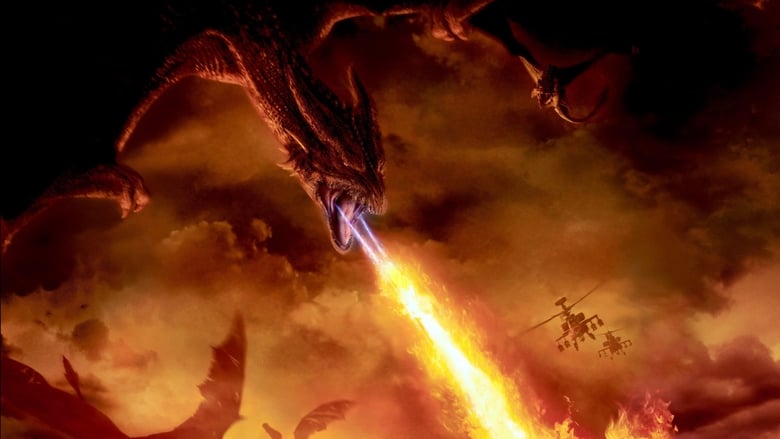
Reign of Fire
2002
-
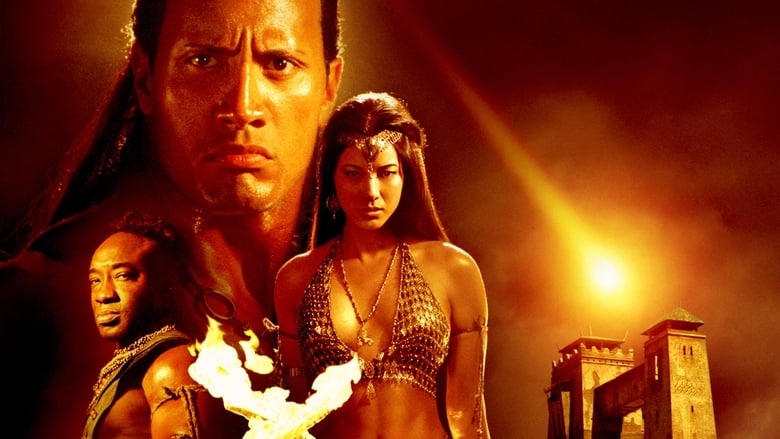
The Scorpion King
2002
-

Lara Croft: Tomb Raider - The Cradle of Life
2003
-

Sinbad: Legend of the Seven Seas
2003
-

The Polar Express
2004
-

Herbie Fully Loaded
2005
-

Arthur and the Invisibles
2006
-

10,000 BC
2008
-
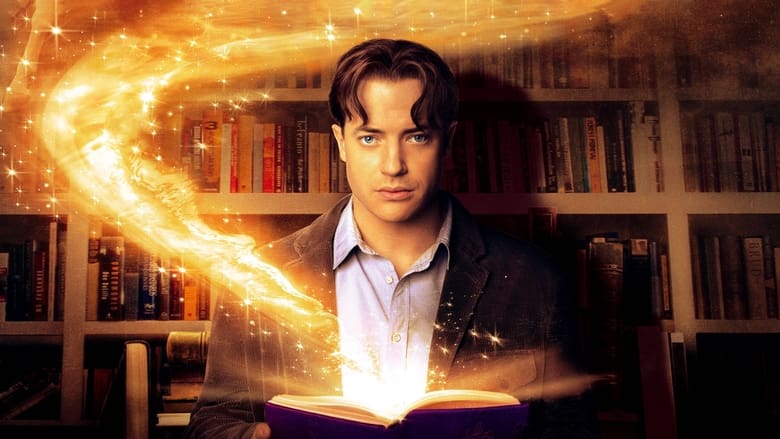
Inkheart
2008
-
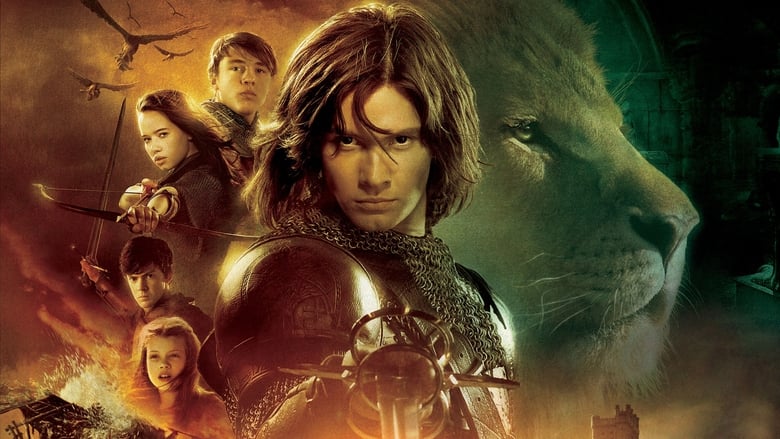
The Chronicles of Narnia: Prince Caspian
2008
-
The Mummy: Tomb of the Dragon Emperor
2008
-
The Spiderwick Chronicles
2008
-
Night at the Museum: Battle of the Smithsonian
2009
-
The Imaginarium of Doctor Parnassus
2009
-
Legend of the Guardians: The Owls of Ga'Hoole
2010
-
Percy Jackson & the Olympians: The Lightning Thief
2010