The Hills Have Eyes 2
"The desert still has teeth."
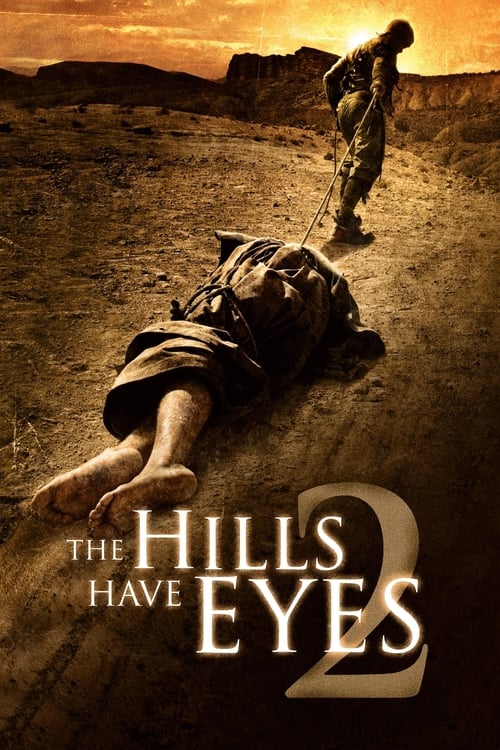
I remember the first time I saw the poster for The Hills Have Eyes 2. It was 2007, and I was standing in a humid lobby of a Regal Cinema, clutching a slightly stale bag of pretzel nuggets that cost more than my ticket. The image of a hand dragging a body into a dark hole felt like the ultimate promise of the era. We were right in the thick of the "torture porn" boom—a term I always found a bit reductive, but one that perfectly captured the industry's obsession with seeing how much punishment the human body could take on screen.
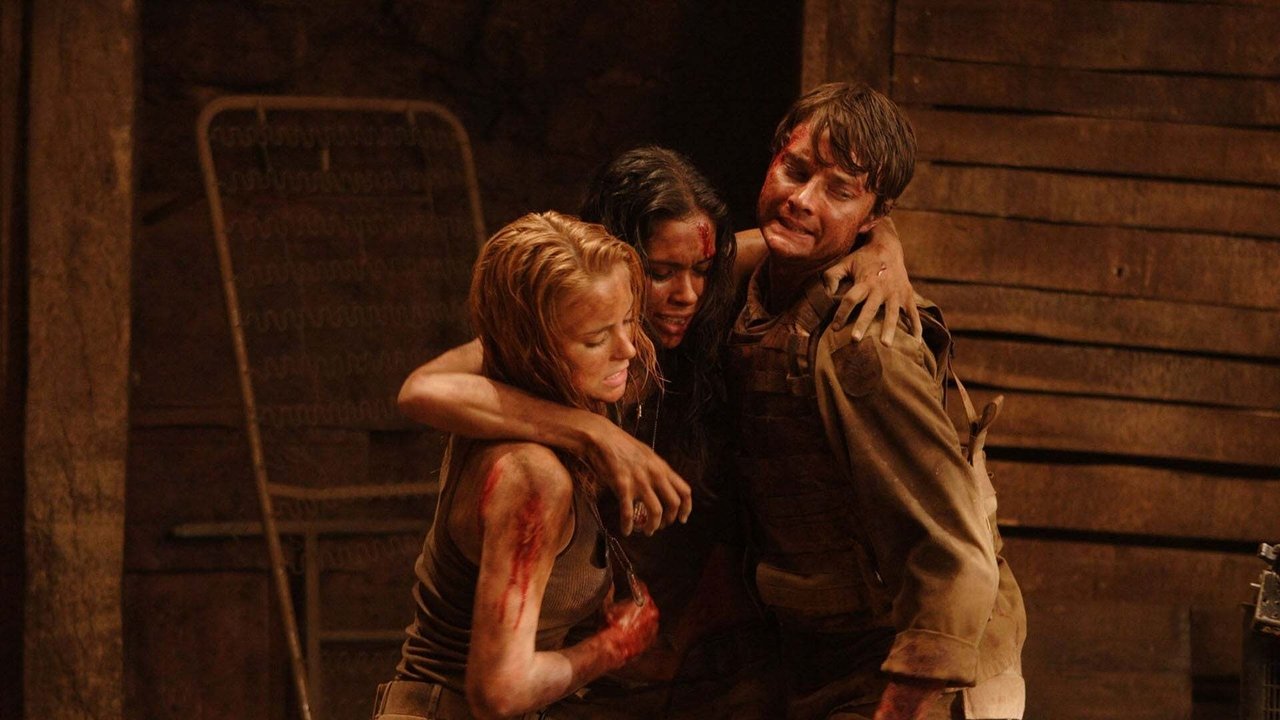
Looking back, this sequel is a fascinating artifact of a very specific moment in horror history. It arrived just one year after Alexandre Aja’s 2006 reboot, which was a surprisingly mean, sleek, and effective piece of survival horror. But while the first film felt like a desperate struggle for family survival, this follow-up, directed by Martin Weisz, leans into something far more cynical and, frankly, much weirder.
Boot Camp Meets the Blender
The setup is pure mid-2000s genre fare. Instead of a vacationing family, we get a squad of National Guard trainees sent into the New Mexico desert to deliver equipment to a group of scientists. Naturally, the scientists are missing, and the hills are crawling with the same inbred, irradiated mutants we met in the first film.
What’s interesting about the cast is how much they reflect the "young Hollywood" energy of the time. You’ve got Jessica Stroup, who would soon become a staple of the 90210 reboot, and Lee Thompson Young, whom I—and many others my age—still remembered as Disney’s The Famous Jett Jackson. Seeing a former Disney star navigate a script co-written by the legendary Wes Craven that involves this much "unrated" gore was a genuine culture shock in 2007.
The central character, Napoleon (played by Michael McMillian), is the classic pacifist trainee who is "too soft" for the military. The film isn't subtle; it’s essentially a slasher movie where everyone is wearing the same outfit. While it tries to play with the post-9/11 anxiety of soldiers being unprepared for an unconventional enemy, any intellectual depth is usually swallowed up by a jump scare or a geyser of stage blood within five minutes.
The Craft of the Gross-Out

If there is one reason to revisit this film today, it’s the practical effects. This was an era where CGI was becoming the standard for big-budget action, but horror was still clinging to the messy, tactile brilliance of prosthetic makeup. KNB EFX Group, led by legends like Greg Nicotero and Howard Berger, handled the mutant designs, and their work is undeniably impressive.
The mutants, led by Michael Bailey Smith as Papa Hades, are repulsive in a way that feels heavy and real. There is a grittiness to the makeup that digital effects just couldn't replicate at the time. However, the film often forgets that tension is built through what you don't see. By the halfway point, it becomes a movie that thinks "gross" is a synonym for "scary." I found myself less frightened and more concerned about the laundry bills for the production’s wardrobe department.
The cinematography by Sam McCurdy (who did the brilliant The Descent) tries to bring some claustrophobia to the wide-open desert. He uses the cave systems to create a sense of being trapped, even when the sky is visible. It’s a handsome-looking movie for something so fundamentally ugly, capturing that bleached-out, high-contrast look that defined late-2000s digital color grading.
Why It Vanished into the Dust
So, why don't we talk about this one as much as the 2006 version? Part of it was the "sequel fatigue" of the Fox Atomic era. Fox Atomic was a short-lived studio division meant to target the "youth market," and their strategy often involved rushing sequels to market as quickly as possible. Wes Craven and his son Jonathan Craven reportedly wrote the screenplay in about a month because the studio was desperate to hit a release date.
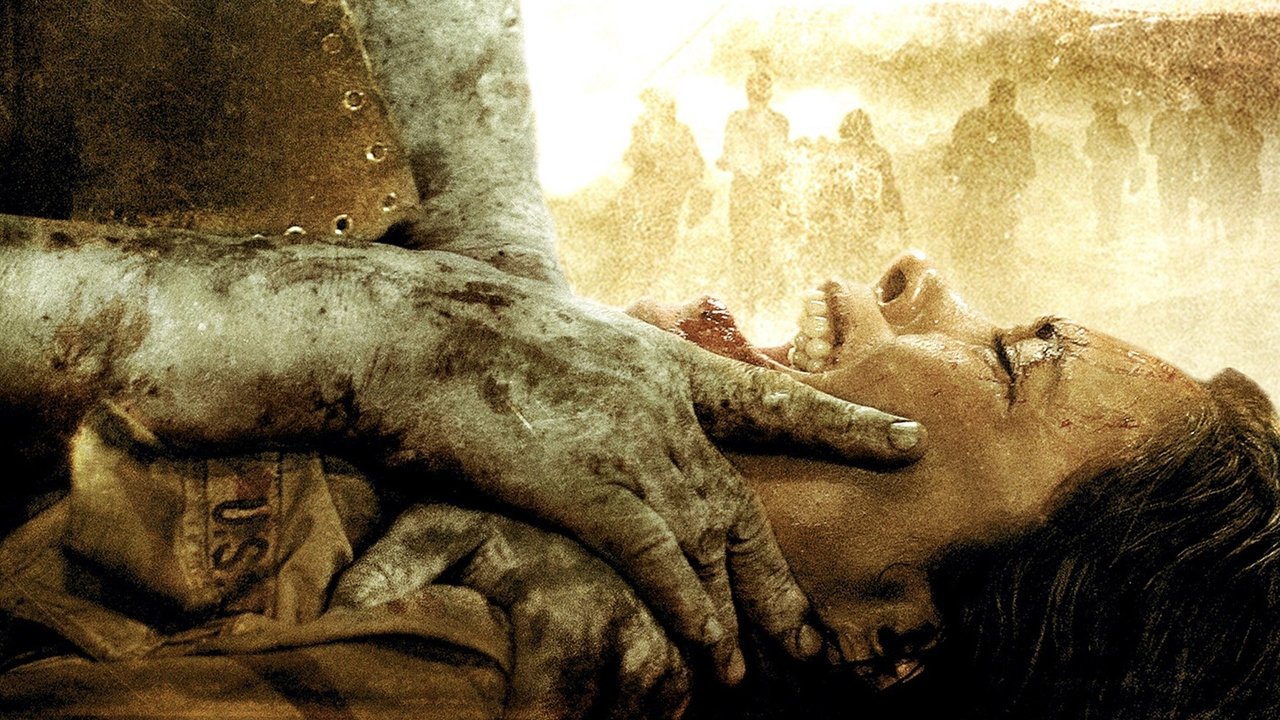
You can feel that rush in the final product. It lacks the tight pacing of the original and relies heavily on "the unrated version" gimmick that dominated DVD culture. I remember the DVD cases of the mid-2000s always having that red banner across the top: TOO SURPRISING FOR THEATERS! In reality, it usually just meant an extra three seconds of a finger being chopped off.
Despite its flaws, there is a strange comfort in watching a film that is so unapologetically a product of its time. It’s a relic of the transition from the indie-horror boom to the franchise-heavy landscape we live in now. It’s not a "hidden gem" in the traditional sense, but it’s a fascinating look at what happens when a legendary creator like Wes Craven tries to play in the sandbox of a younger, meaner generation of filmmakers.
Ultimately, The Hills Have Eyes 2 is a loud, messy, and occasionally creative exercise in endurance. It lacks the heart of its predecessor but makes up for it with sheer, stubborn nastiness and some high-tier creature makeup. If you're a completionist or someone who misses the days of the "unrated" horror DVD aisle, it's a brisk 89 minutes of desert mayhem. Just don't expect it to stay with you much longer than the walk back to your car.
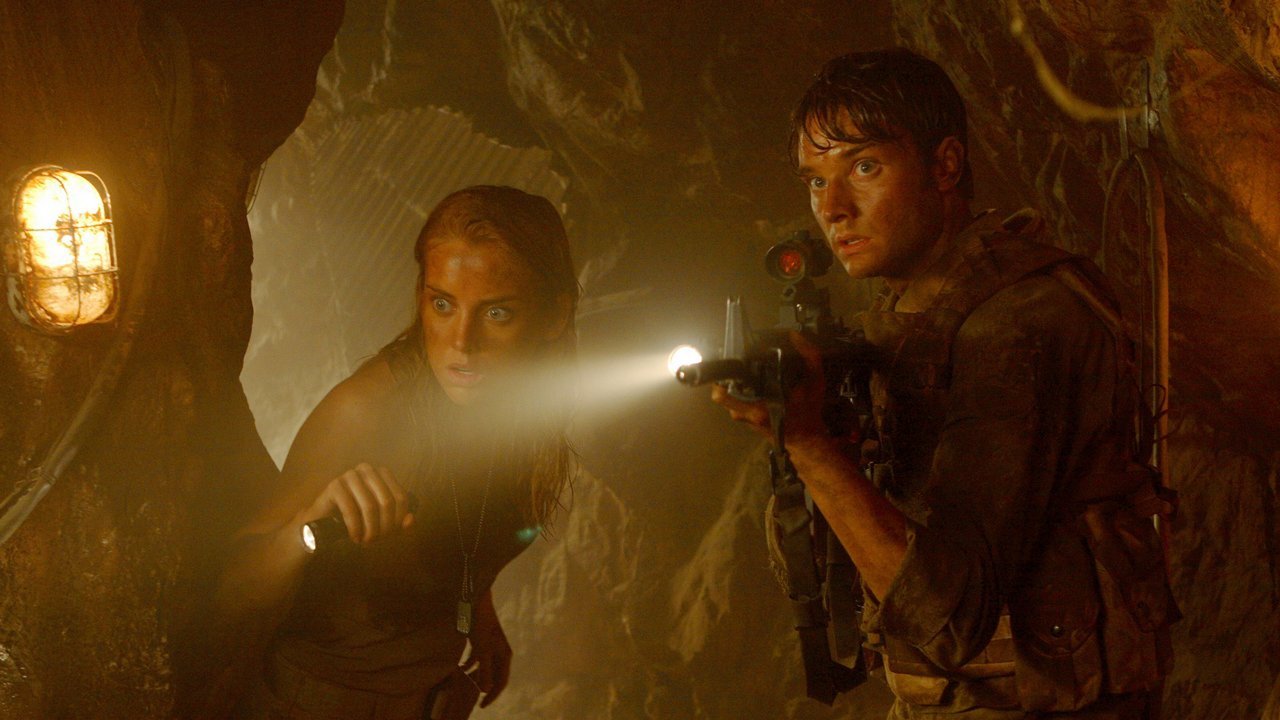
Keep Exploring...
-

The Hills Have Eyes
2006
-
The Grudge 2
2006
-
The Hitcher
2007
-
The Eye
2008
-
Untraceable
2008
-
The Descent: Part 2
2009
-
The Haunting in Connecticut
2009
-
The Stepfather
2009
-
Don't Be Afraid of the Dark
2010
-
The Ward
2010
-
House at the End of the Street
2012
-

Silent Hill: Revelation 3D
2012
-
The Possession
2012
-
The Tall Man
2012
-

Dreamcatcher
2003
-

The Invasion
2007
-
Carriers
2009
-
Wrong Turn 4: Bloody Beginnings
2011
-
The Collection
2012
-
Devil
2010