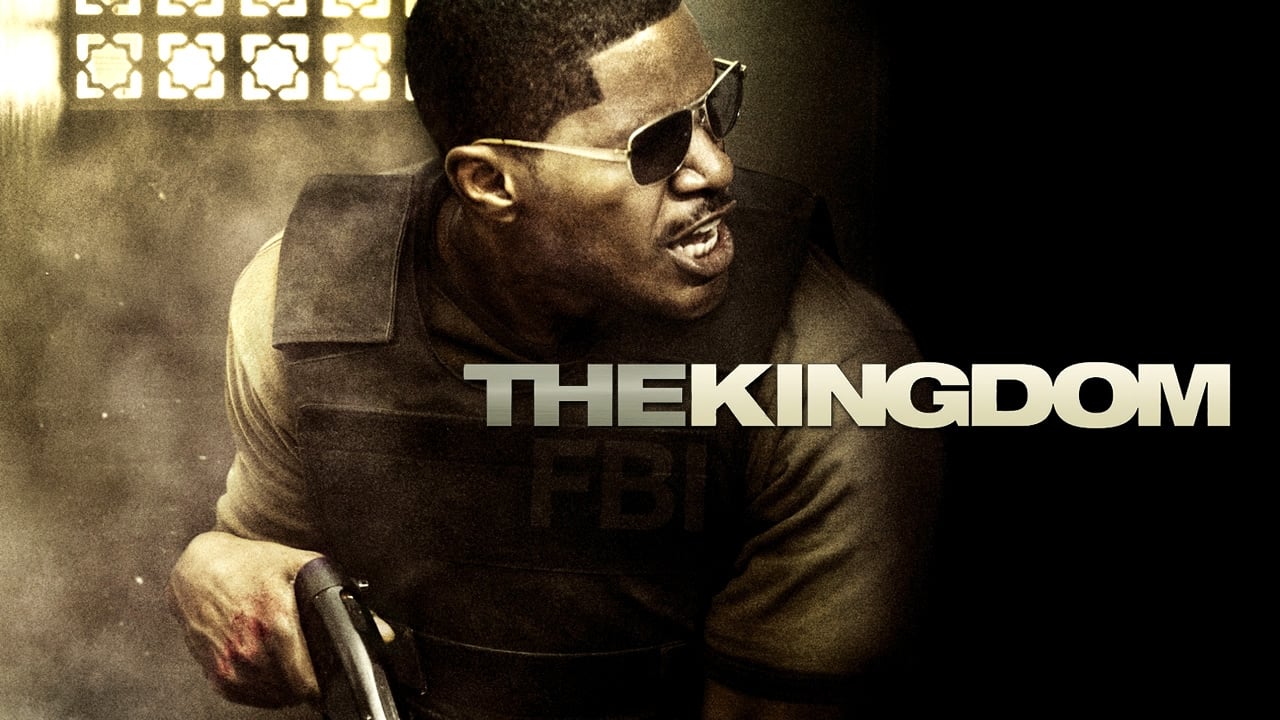
The Kingdom
"The desert remembers every bullet."
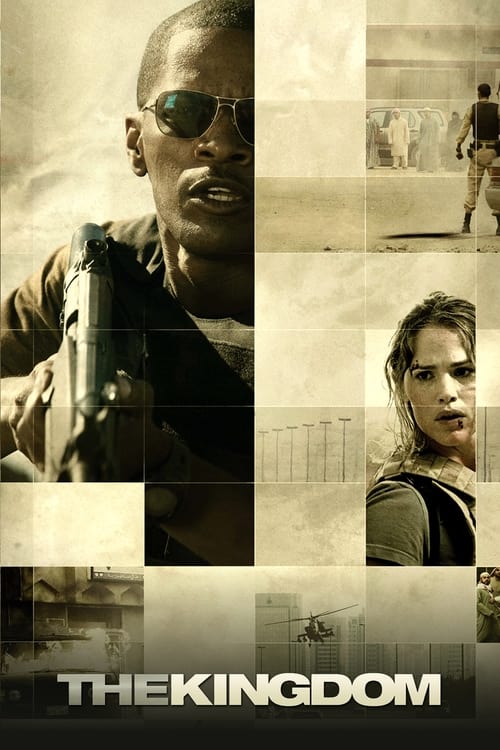
The opening five minutes of The Kingdom are some of the most stressful minutes of 2000s cinema. It starts with a softball game in a gated American housing compound in Riyadh, Saudi Arabia—a slice of suburban Americana transplanted into the desert. Then, the screaming starts. The way Peter Berg (who had just come off the success of the Friday Night Lights TV series) captures the sheer, sudden terror of a suicide bombing is enough to make your pulse spike seventeen years later. It’s a sequence that doesn't just set the plot in motion; it leaves you feeling genuinely rattled.
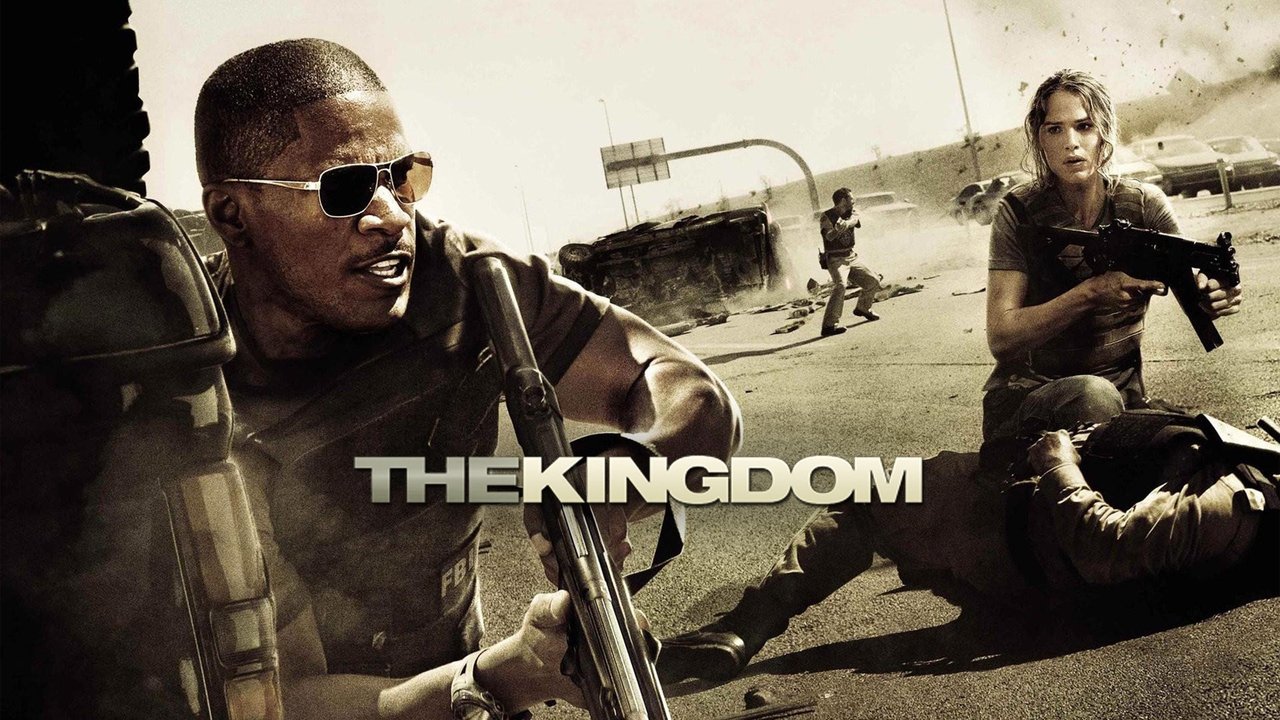
I first caught this flick on a DVD I rented from a Blockbuster that was literally three days away from closing its doors forever. I watched it while eating a bowl of cereal that was definitely past its "best by" date, and honestly, the crunch of the cornflakes weirdly harmonized with the gravelly, high-definition grit of the film’s cinematography. It’s one of those movies that feels like it belongs to a very specific window of time—the mid-to-late 2000s—when Hollywood was trying to figure out how to turn the "War on Terror" into a weekend blockbuster without losing its soul.
Procedural Grit and Sand-Blasted Style
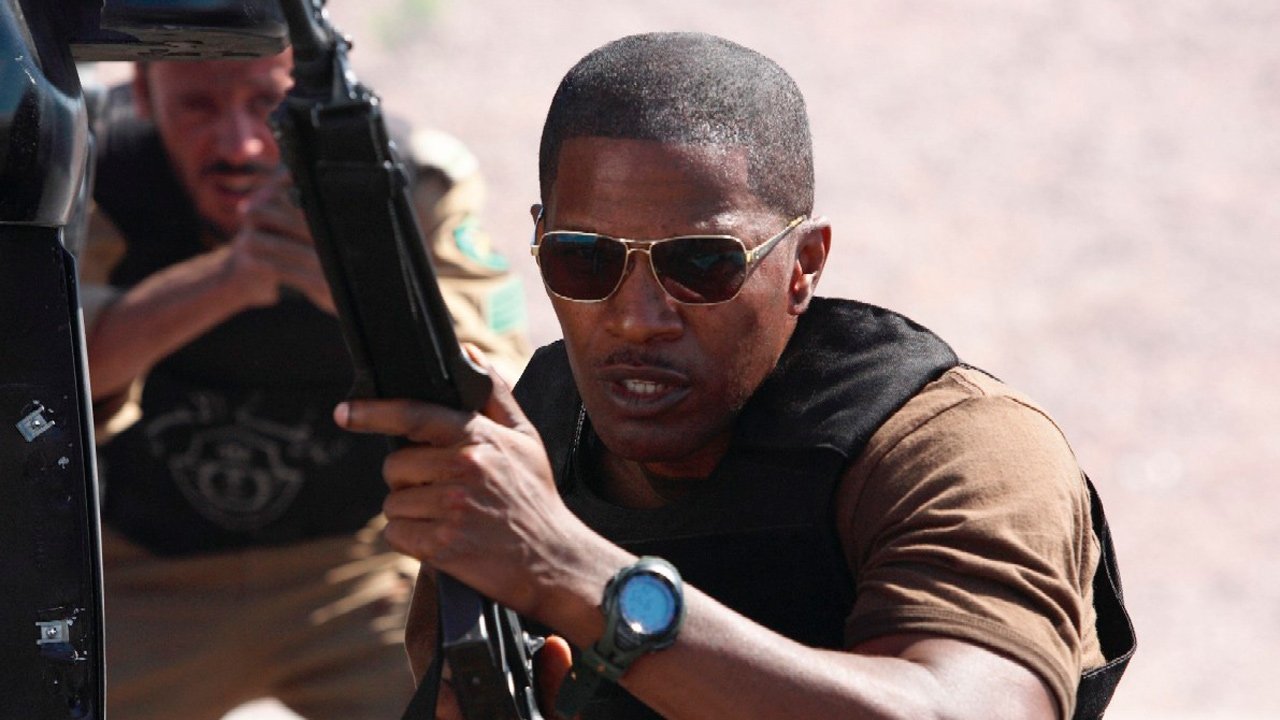
The story follows a team of FBI investigators led by Special Agent Ronald Fleury (Jamie Foxx), who sneak into Saudi Arabia to find the men responsible for the compound massacre. Alongside him are Jennifer Garner as a forensic specialist, Chris Cooper as the grizzly veteran, and Jason Bateman as the guy providing the cynical, fast-talking levity. They are eventually joined by a local Saudi Colonel, played by the fantastic Ali Suliman, who provides the film with its most grounded and human performance.
What’s fascinating looking back is how much this film reflects the "shaky-cam" era of the 2000s. Mauro Fiore (Avatar, Training Day) handles the cinematography, and he uses a bleached-out, high-contrast palette that makes the heat feel oppressive. You can almost feel the sand in your teeth. While some films from this era used handheld cameras to hide poor choreography, Peter Berg uses it to create a sense of frantic realism. The Kingdom is basically a Michael Bay movie that went to grad school—it has all the pyrotechnics and machismo, but it’s anchored by a genuine interest in the forensic process and geopolitical tension.
The Best Shootout You’ve Probably Forgotten
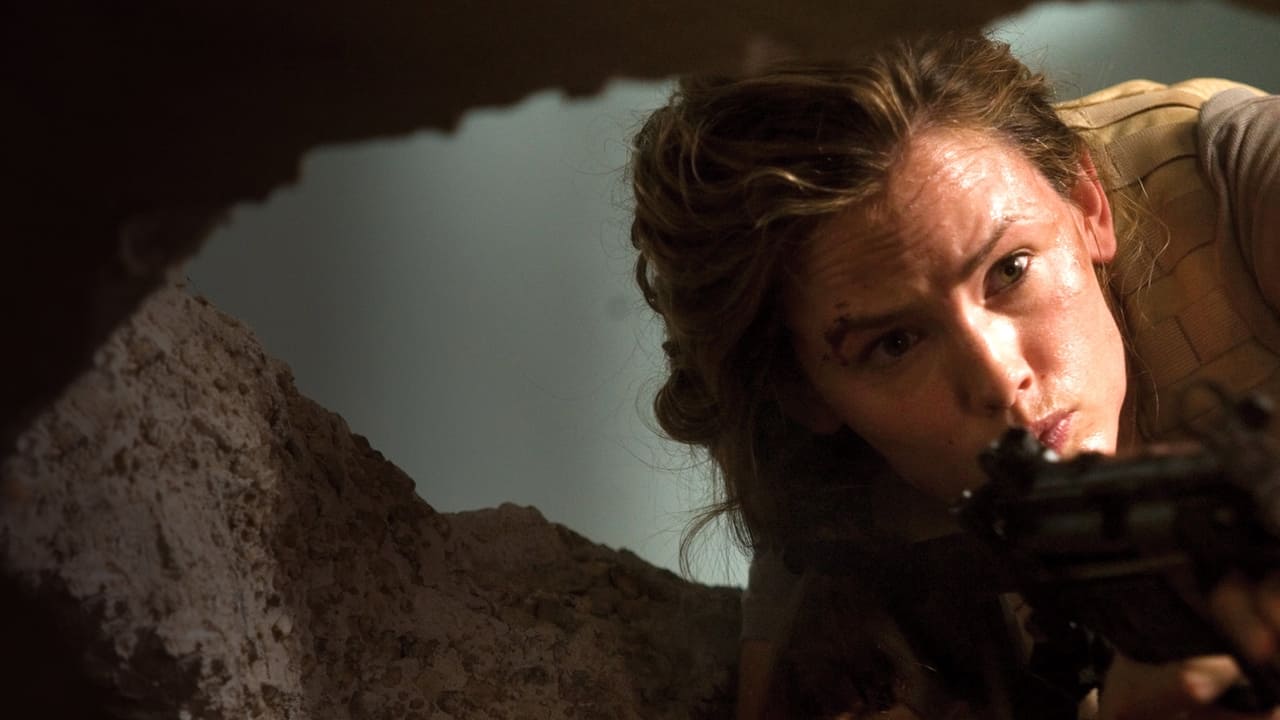
The third act of The Kingdom is essentially one long, sustained urban combat sequence. After two acts of slow-burn investigation and political maneuvering, the film erupts. The team gets ambushed in a narrow street, leading to a frantic rescue mission through a maze of apartment buildings.
The action choreography here is top-tier. It’s not about "superhero" moves; it’s about the terrifying reality of being trapped in a "kill box." The sound design is particularly mean—bullets don’t just "ping" here; they thud into concrete and car doors with a heavy, sickening weight. I’ve always felt that the final twenty minutes of this movie feature more coherent, impactful action than most modern CGI-heavy spectacles. There’s a scene involving a kidnapped agent and a ticking clock that still makes me hold my breath, even though I know exactly how it ends.
Interestingly, despite the massive scale of the finale, much of this wasn't even filmed in the Middle East. Most of the "Riyadh" scenes were actually shot in the suburbs of Phoenix, Arizona. The production team built massive sets and used clever framing to turn the American Southwest into a convincing Saudi Arabian metropolis. It’s a testament to the era's practical-meets-digital effects work that it holds up so well on a modern 4K screen.
Why Did This One Slip Away?
The Kingdom made a modest profit, but it never achieved the "classic" status of something like The Hurt Locker (2008) or Black Hawk Down (2001). I think it’s because it sits in an awkward middle ground. It’s too "action-movie" for the high-brow critics who wanted a deep dive into Middle Eastern politics, and perhaps too "political" for the audience that just wanted to see Jamie Foxx kick down doors.
But looking back at it now, that middle ground is exactly what makes it a hidden gem. It’s a procedural that respects the intelligence of the audience while still delivering the high-octane thrills we go to the movies for. It also features a pre-fame Jeremy Piven doing his best "stressed-out government suit" impression, which is always a treat.
The film ends on a haunting, whispered exchange that complicates everything you’ve just seen. It’s a cynical, sharp ending that reminds you that for every "victory" won in the desert, the cycle of violence just resets. It’s a gutsy move for a $70 million studio picture, and it’s why this movie deserves a spot in your weekend queue.
If you missed this during the late-2000s shuffle of war movies, it’s time to rectify that. It’s a lean, mean, and surprisingly thoughtful thriller that understands the cost of a bullet. Just maybe skip the expired cereal when you sit down to watch it.
Keep Exploring...
-

Collateral Damage
2002
-
The Sum of All Fears
2002
-
Basic
2003
-
The Hunted
2003
-
The Rundown
2003
-

Battleship
2012
-
The Count of Monte Cristo
2002
-
Walking Tall
2004
-

Domino
2005
-
Undisputed II: Last Man Standing
2006
-
United 93
2006
-
Street Kings
2008
-
Carriers
2009
-
Takers
2010
-
Batman: Year One
2011
-
Seeking Justice
2011
-

Get the Gringo
2012
-
The Bourne Identity
2002
-
Jack Reacher
2012
-
Lone Survivor
2013