The Kite Runner
"A thousand times over, a debt is paid."
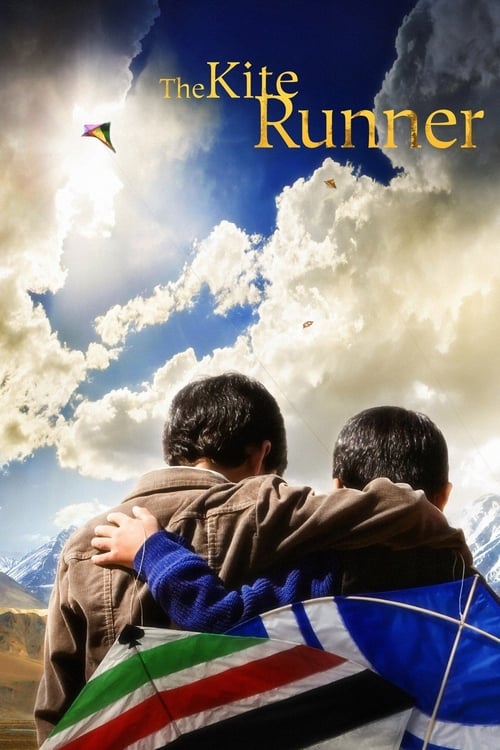
Most of us remember the book—the ubiquitous yellow cover, the tear-stained pages on airplane rides, the way Khaled Hosseini’s prose felt like a weight in the chest. But when I sat down to revisit Marc Forster’s 2007 adaptation, I realized that the film has largely drifted into that peculiar cinematic purgatory: it was a respectable box-office success and a critical darling at the time, yet it’s rarely discussed in the same breath as the decade’s other heavy hitters. I watched this on a couch so lumpy it felt like I was sitting on a sack of walnuts, which, ironically, kept me from getting too comfortable during the film's more agonizing stretches.
Looking back, The Kite Runner arrived at a very specific crossroads in Hollywood history. We were smack in the middle of the "prestige literary adaptation" boom, and the industry was still grappling with how to tell stories about the Middle East in a post-9/11 landscape that didn't involve a soldier’s perspective. It’s a film that tries to be both a sweeping epic and an intimate apology, and while it doesn’t always stick the landing, the parts that work still have the power to knock the wind out of you.
The Beauty of a Vanished Kabul
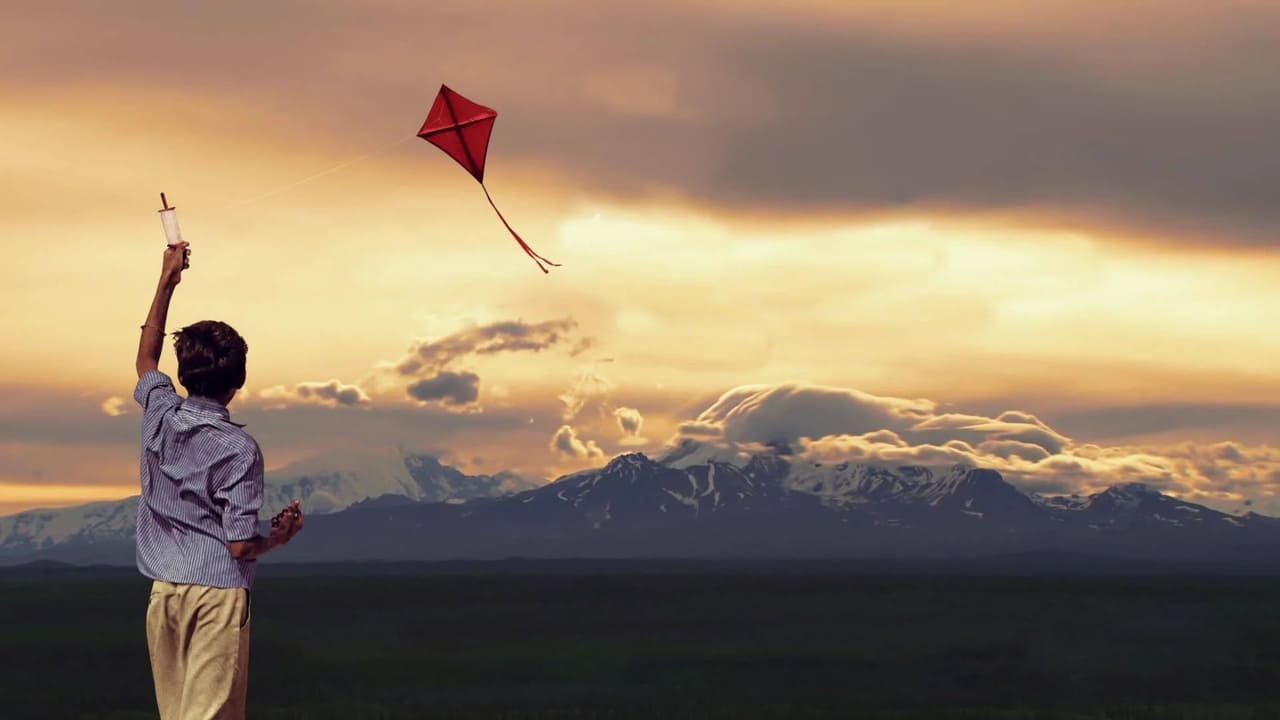
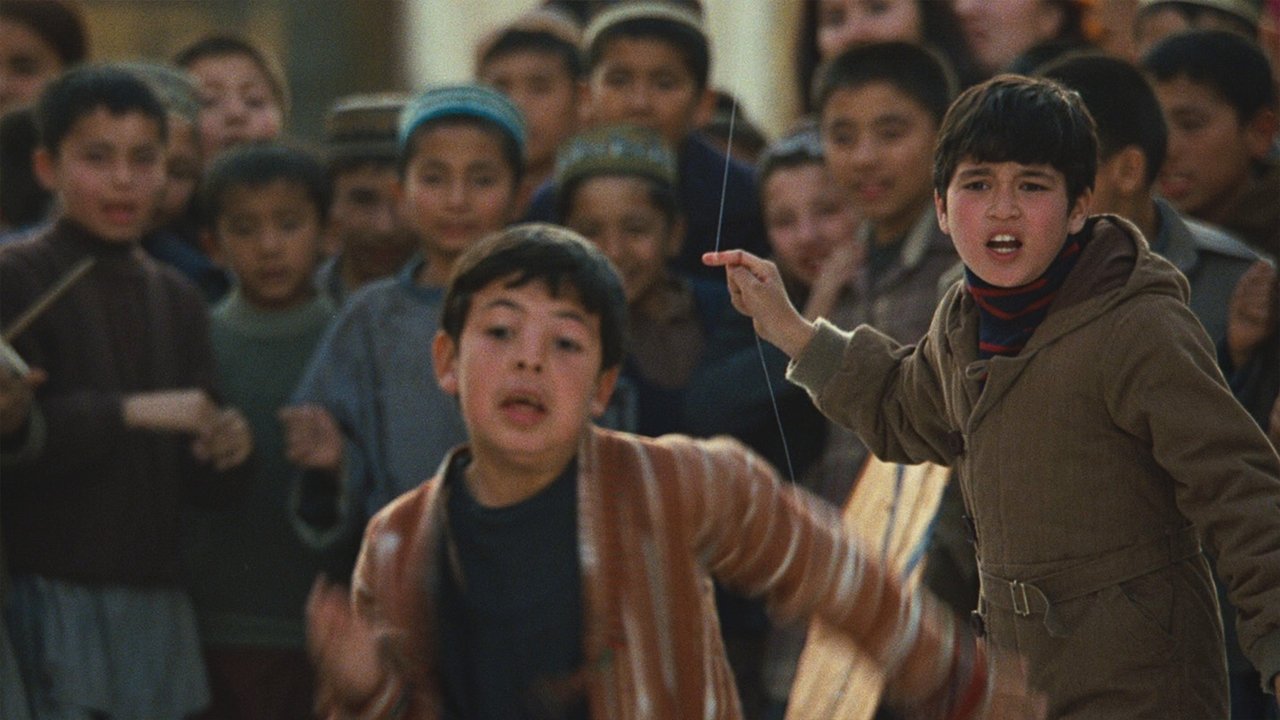
The first act is, without question, the film’s high-water mark. Forster captures a 1970s Kabul that feels vibrant, lived-in, and heartbreakingly peaceful. The kite-fighting sequences are a masterclass in how mid-2000s CGI could be used for something other than superhero brawls. Because actual kite fighting is erratic and nearly impossible to choreograph, the production used digital kites to create that balletic, lethal dance in the sky. To my eye, the digital kites have aged surprisingly well, mostly because they aren’t trying to defy physics; they’re just enhancing a sky that feels endless.
The heart of this section belongs to the kids. Ahmad Khan Mahmoodzada, who plays young Hassan, has a face that tells the entire story of the film before a single line of dialogue is even spoken. His performance is so earnest that it makes the impending betrayal feel like a physical blow. Opposite him, Zekeria Ebrahimi plays young Amir with the perfect amount of privileged cowardice. It’s a difficult thing to ask a child actor to be unlikable, but he nails that specific brand of "rich kid" insecurity that fuels the rest of the narrative.
A Father’s Shadow and a Screenplay’s Burden
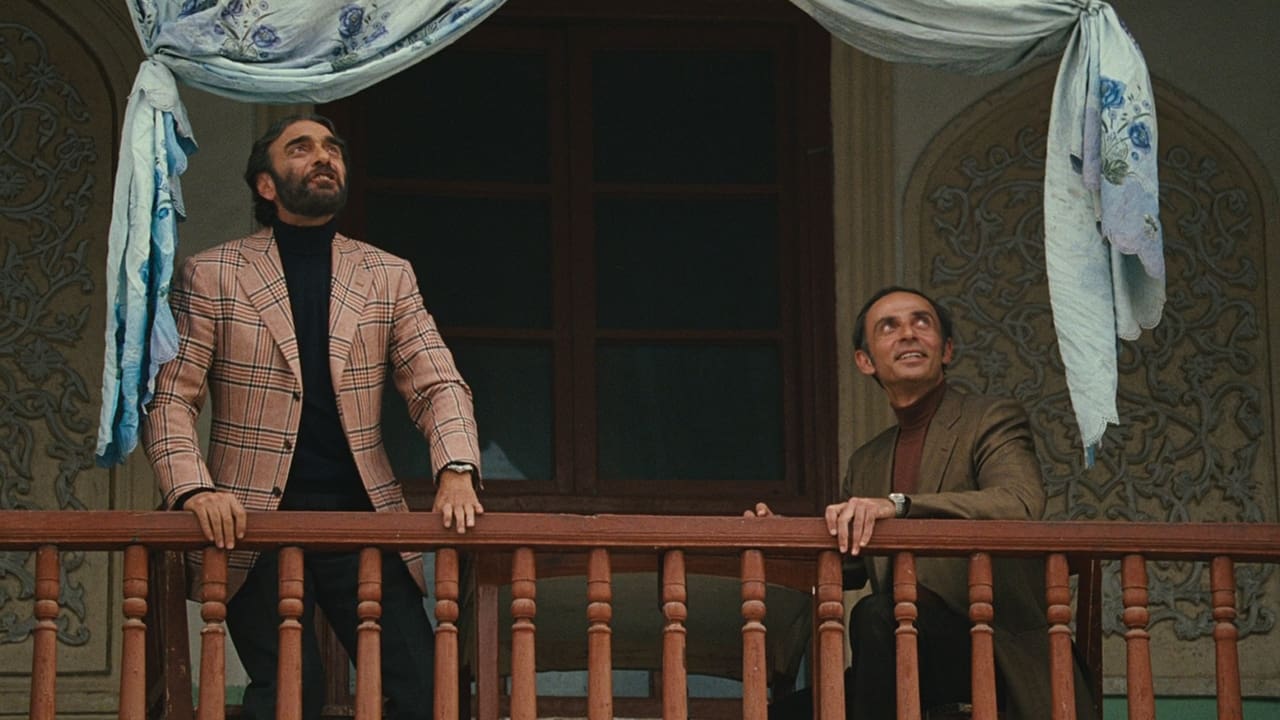
As the story shifts to 1980s California, the film enters the territory of the "immigrant drama," and this is where Homayoun Ershadi absolutely takes over the movie. As Baba, the towering father figure reduced to working at a gas station, Ershadi provides the film’s most nuanced performance. He manages to be both a stubborn relic of the old world and a deeply empathetic protector. Every time he’s on screen, the movie feels ten feet taller.
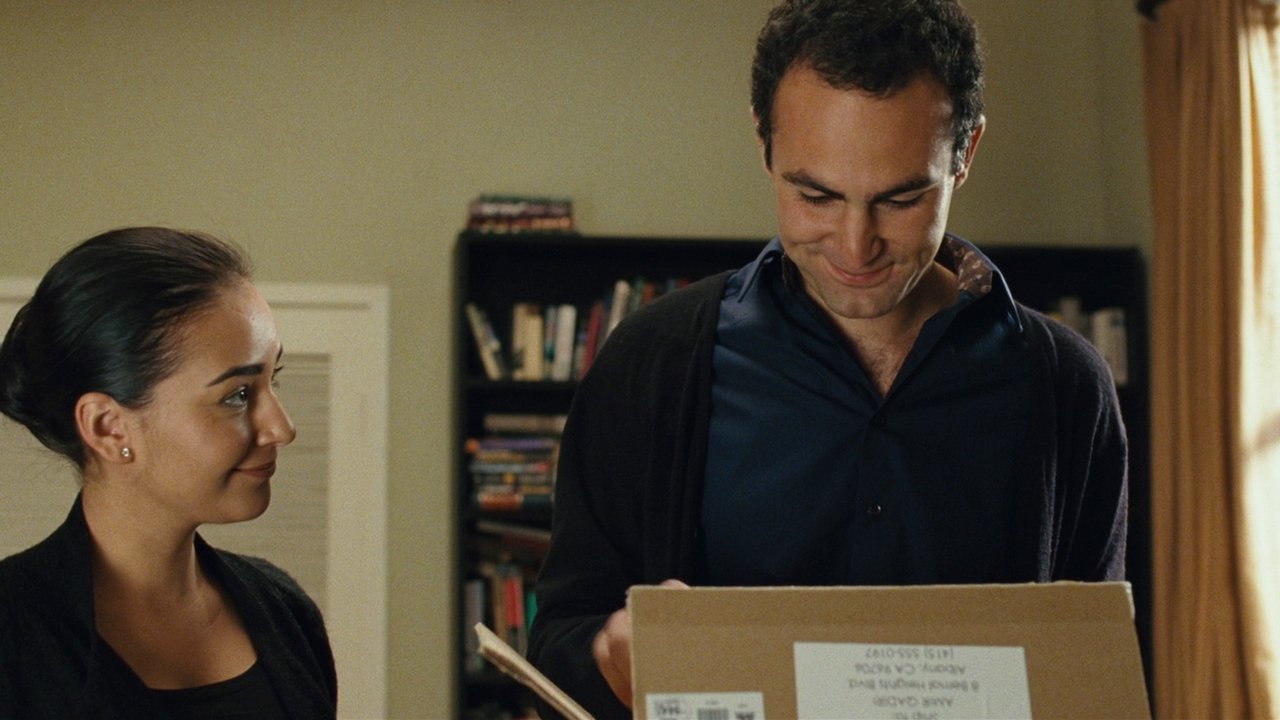
However, this is also where you start to feel the hand of the screenwriter, David Benioff. Before he was the most polarizing man in television for Game of Thrones, Benioff was Hollywood’s go-to guy for "unfilmable" books. He does an admirable job of condensing a sprawling novel, but the second half of the movie eventually starts to feel like a checklist of plot points rather than an organic story. When the adult Amir, played with a quiet intensity by Khalid Abdalla, finally returns to Afghanistan to seek redemption, the film shifts gears into a rescue thriller.
I’ll be honest: the third act feels like a Liam Neeson movie that accidentally wandered into a somber drama. The transition from a poetic exploration of guilt to a high-stakes escape from the Taliban is jarring. It’s not that it’s poorly directed—Forster keeps the tension high—but the tonal whiplash is real. One moment we’re ruminating on the nature of memory, and the next we’re dealing with a villain who might as well be twirling a digital mustache.
The Cost of Truth
One thing that’s easy to forget is just how much this film cost the people involved—not in dollars, but in safety. The infamous rape scene, which is essential to the plot but undeniably harrowing, created a massive real-world controversy. The young actors had to be relocated to the United Arab Emirates because of fears for their safety in Kabul. Knowing that context adds a layer of gravity to the viewing experience; you realize the filmmakers and actors were playing for keeps, even if the final product feels a bit "Hollywood-ized" at the edges.
Alberto Iglesias’s score deserves a shout-out here, too. It avoids the stereotypical "Middle Eastern" musical tropes of the era, opting instead for something that feels more universal and haunting. It’s the kind of score that stays in your head long after the credits roll, much like the image of those kites.
So, does it hold up? Mostly. It’s a beautifully shot, superbly acted drama that suffers slightly from trying to fit too much soul into a two-hour container. It’s a reminder of a time when studios were willing to spend $20 million on a subtitled drama (most of the film is in Dari) just because the story mattered. It might not be the masterpiece the book was, but it’s a noble, affecting attempt to capture the wind.
The Kite Runner is a film that earns its tears through the sheer strength of its performances, even when the script starts to feel a bit too much like a standard Hollywood rescue mission. It’s a poignant look at how the ghosts of our past follow us across oceans, and it remains one of the more successful literary adaptations of the mid-2000s. If you haven't seen it since its release, it’s well worth a revisit, if only to see Homayoun Ershadi remind us what it looks like to carry the weight of a world on your shoulders.

Keep Exploring...
-
Stay
2005
-
Stranger Than Fiction
2006
-

Finding Neverland
2004
-
Machine Gun Preacher
2011
-
Monster's Ball
2001
-
Agora
2009
-
25th Hour
2002
-
Confessions of a Dangerous Mind
2002
-

Enough
2002
-
One Hour Photo
2002
-
The Count of Monte Cristo
2002
-
Holes
2003
-
Open Range
2003
-

Uptown Girls
2003
-

Raise Your Voice
2004
-

A Lot Like Love
2005
-
Broken Flowers
2005
-

Casanova
2005
-
Derailed
2005
-
Get Rich or Die Tryin'
2005