The Mist
"The monsters outside aren't the ones to fear."
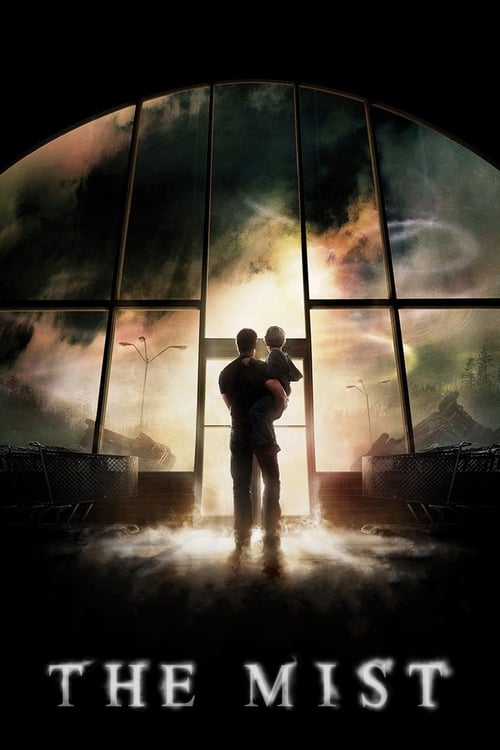
A tree limb crashing through a studio window is a standard Maine Tuesday, but the silent, opaque wall of white that follows is where David Drayton’s world ends. Most horror movies from the mid-2000s were busy trying to out-gross the Saw franchise, but Frank Darabont—the man who gave us the hope-drenched The Shawshank Redemption—decided to pivot toward something significantly more nihilistic. The Mist isn't just a monster movie; it’s a pressure cooker where the lid is soldered shut and the heat is turned to high.

I watched this recently on a Tuesday night while my radiator made a rhythmic, metallic clicking sound that perfectly synced with the skittering of the creatures on screen, and honestly, it made the whole experience twice as unnerving.
A Microcosm in Aisle Five
The premise is deceptively simple: a freak storm brings a thick mist to a small town, trapping a group of locals inside a grocery store. Among them are Thomas Jane as the level-headed David, Andre Braugher as the skeptical big-city lawyer, and Toby Jones as Ollie, the mild-mannered assistant manager who turns out to be a crack shot with a handgun.
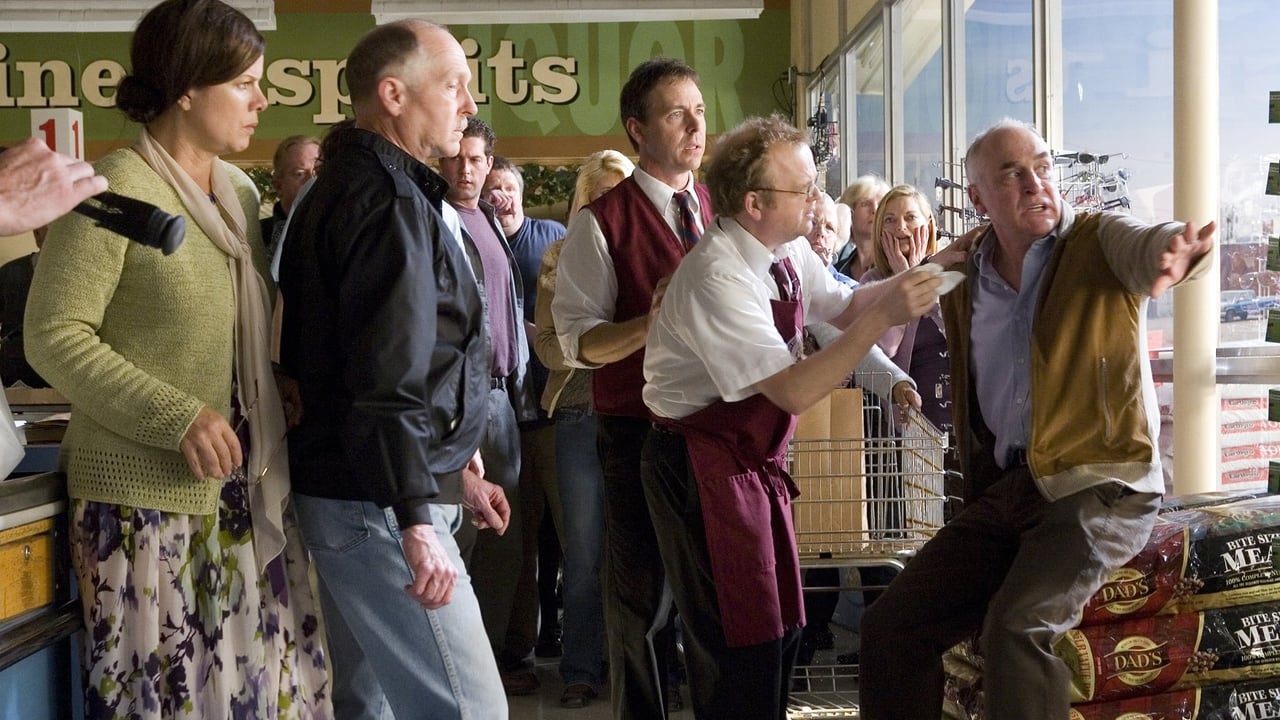
What I love about this era of filmmaking (roughly 1990–2014) is how it handled the "social breakdown" trope. We were deep into the post-9/11 collective psyche, where the fear of the person standing next to you was often more potent than the threat from outside. As the mist settles, the store splits into factions. On one side, you have the rationalists; on the other, you have the fanatical followers of Mrs. Carmody. Marcia Gay Harden plays Carmody with such venomous, finger-wagging conviction that you’ll find yourself shouting at your screen. She is, without exaggeration, one of the most effective villains in horror history because she feels like someone you’ve actually met at a town hall meeting.
The CGI Learning Curve
Looking back at 2007, we were in a strange transitional period for visual effects. Some of the digital work here—specifically the tentacled things in the loading dock—shows its age. The textures can look a bit "rubbery" by today’s 4K standards. However, Darabont was smart enough to lean into the "mist" of it all. By obscuring the threats, he lets our imagination do the heavy lifting.

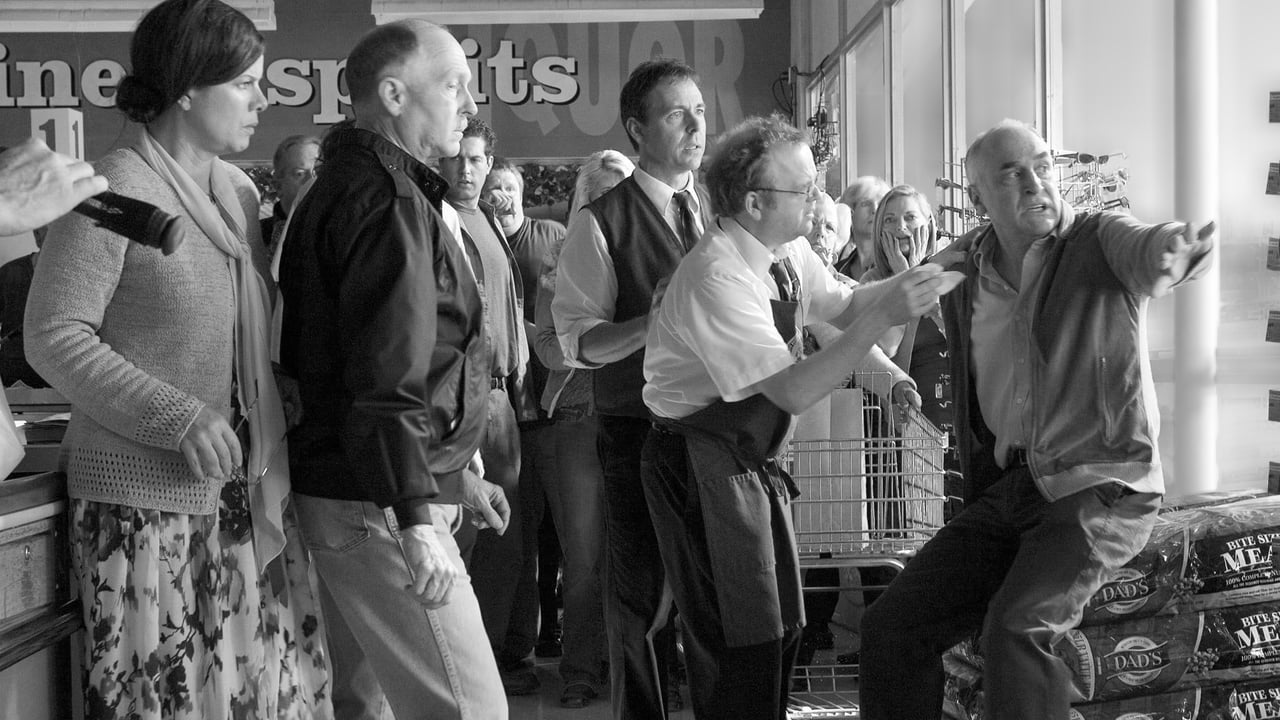
The creature designs themselves are fantastic, largely thanks to the influence of legendary comic artist Bernie Wrightson. These aren't just generic aliens; they are Lovecraftian nightmares with too many limbs and eyes in the wrong places. If you can, I highly recommend tracking down the black-and-white version found on the "two-disc special edition" DVD. Removing the color masks the dated CGI and transforms the movie into a 1950s creature feature that feels ten times more atmospheric. It’s the way Darabont originally wanted it seen, and it changes the entire DNA of the film.
Stuff You Didn't Notice
One of the best things about being a Popcornizer reader is digging into the "how" and "why" of a production. The Mist is a treasure trove of nerd-tier trivia:
The opening scene features Thomas Jane painting a poster for a film—it’s actually a painting of Roland Deschain from Stephen King’s The Dark Tower series, painted by movie poster legend Drew Struzan. Frank Darabont actually turned down a higher budget from a different studio because they wanted him to change the ending. He took a massive pay cut to keep his vision intact. Fans of The Walking Dead will recognize a massive chunk of the cast. Laurie Holden, Melissa McBride, and Jeffrey DeMunn all appear here before they were dodging zombies on AMC. The sound of the "Behemoth" (the giant creature at the end) was created by layering the sounds of whales, elephants, and tigers. * The grocery store wasn't a set; it was a vacant furniture store in Louisiana that the production team fully stocked with actual products.
The Ending That Broke the Internet
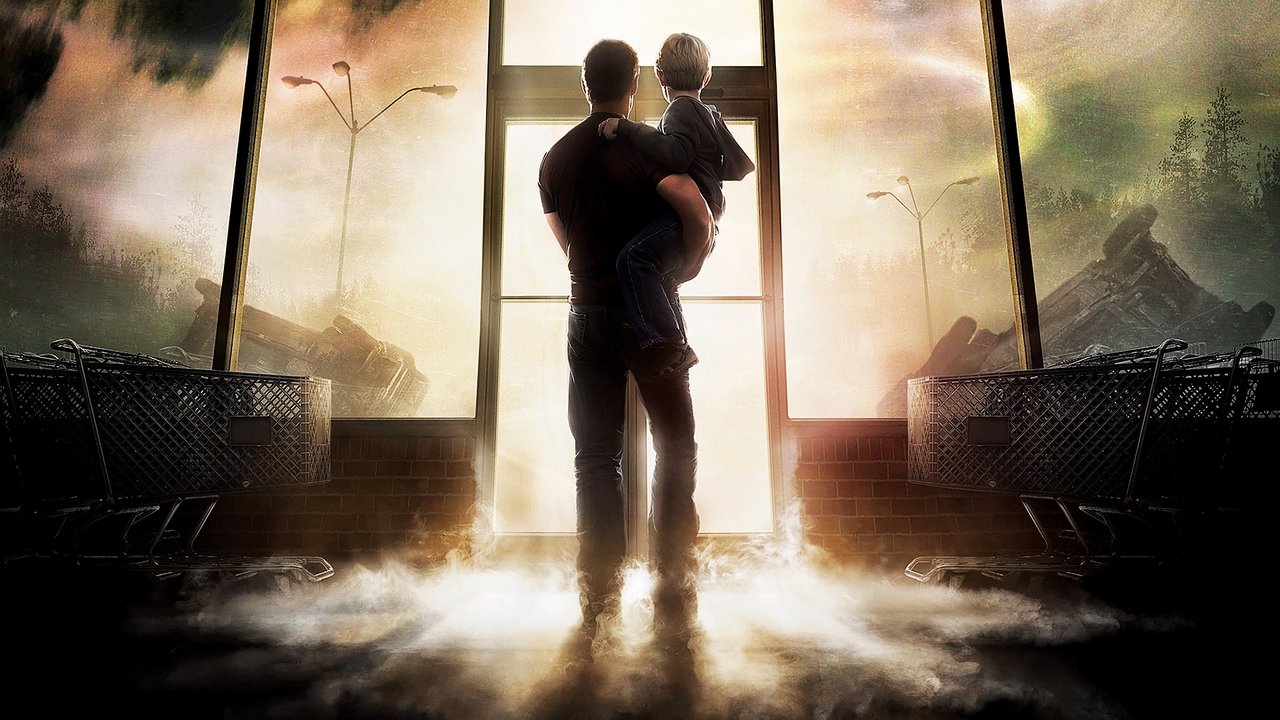
We have to talk about the ending. Without spoiling the specifics for the three people who haven't seen it: the ending isn't just dark; it’s a middle finger to every Hollywood trope in the book. When the film was released, it polarized audiences. Some felt cheated; others, like me, felt like they’d been punched in the soul in the best way possible. Even Stephen King famously said he preferred Darabont’s ending to the one he wrote in the original novella.
In an era of cinema where every blockbuster felt the need to wrap things up with a heroic sacrifice and a sunset, The Mist dared to suggest that sometimes, your best isn't good enough. It’s the ultimate "what if?" scenario that haunts you long after the credits roll. It’s a film that demands to be discussed over a drink, preferably somewhere well-lit and far away from any suspicious weather patterns.
The Mist is a masterclass in building tension within a single location. It captures that specific 2000s blend of practical grit and experimental CGI while delivering a social commentary that feels more relevant today than it did seventeen years ago. It’s mean, it’s ugly, and it features Toby Jones being an absolute legend. If you haven't revisited this one lately, turn off the lights, ignore the weather report, and dive back into the fog. Just maybe skip the snacks—it’s a bit of a stomach-turner.
Keep Exploring...
-
Pandorum
2009
-

28 Days Later
2002
-

28 Weeks Later
2007
-
The Rite
2011
-

World War Z
2013
-
Land of the Dead
2005
-
Carriers
2009
-
The Purge
2013
-
Equilibrium
2002
-
Wrong Turn
2003
-
Resident Evil: Apocalypse
2004
-
The Butterfly Effect
2004
-
House of Wax
2005
-
Serenity
2005
-
The Skeleton Key
2005
-

The Hills Have Eyes
2006
-
30 Days of Night
2007
-

Planet Terror
2007
-
Death Race
2008
-
Funny Games
2008