The Nanny Diaries
"Mary Poppins gets a Manhattan reality check."
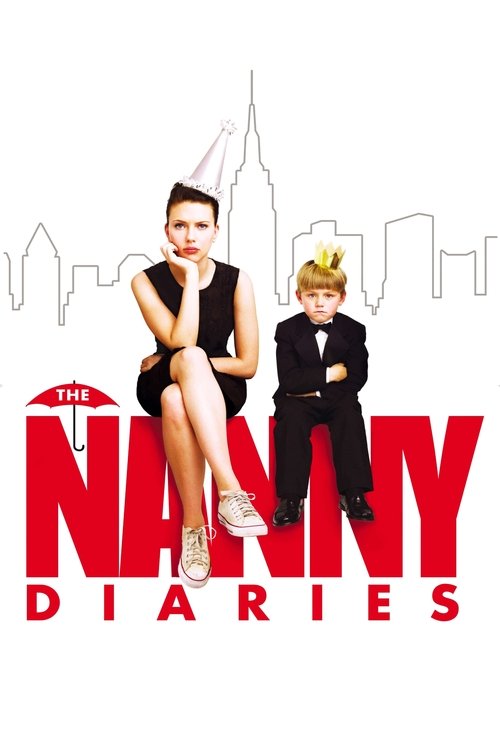
There is a specific kind of existential dread that only exists in the five minutes after a college graduation ceremony. You have the degree, the debt, and a mother who looks at you like you’re a bridge that’s suddenly stopped halfway across the river. It’s this exact flavor of mid-2000s anxiety that kicks off The Nanny Diaries, a film that feels like a time capsule of a very specific era in New York cinematic history—the post-Sex and the City, pre-financial-crash "Chick Lit" boom.

I remember watching this on a laptop with a dying battery while sitting on a floorboard that squeaked every time I breathed, which honestly felt like the perfect immersive experience for a movie about a girl whose life is a series of structural collapses.
The Anthropology of the Upper East Side
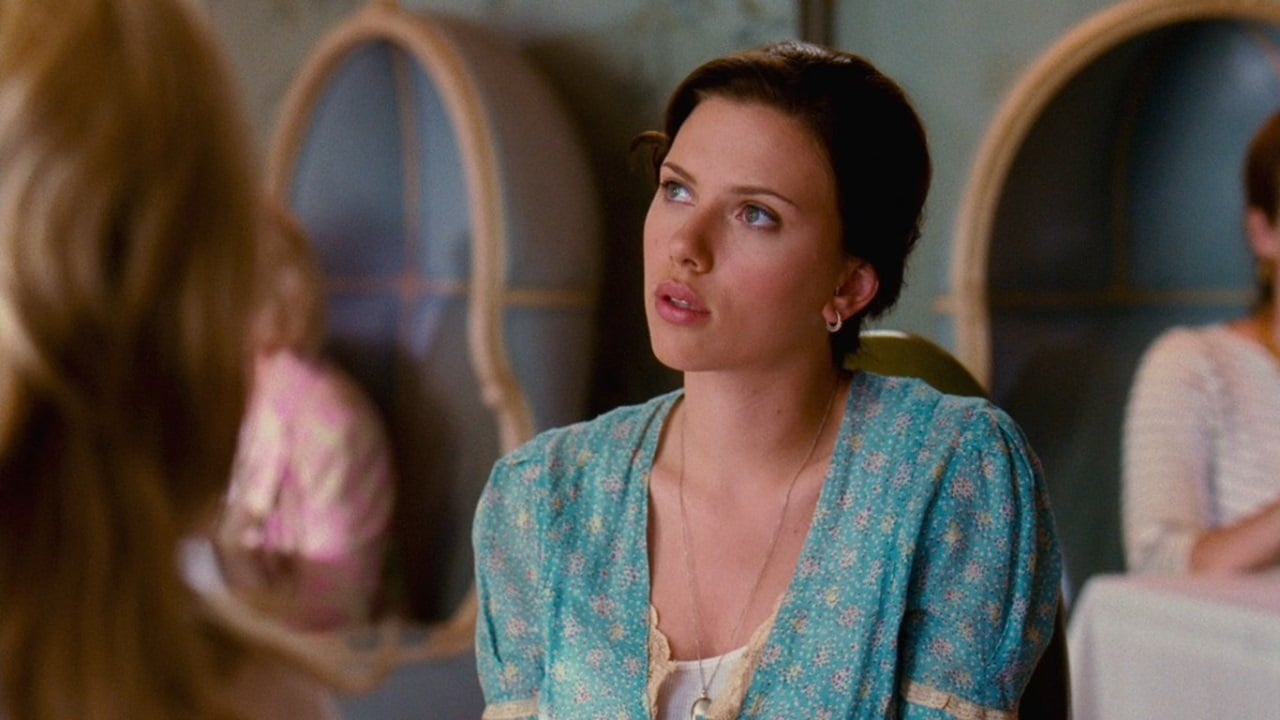
What sets this apart from your standard "girl in the big city" romp is the framing. Directors Robert Pulcini and Shari Springer Berman had just come off the indie success of American Splendor (2003), and they brought a bit of 그 quirkiness with them. They treat the wealthy denizens of the Upper East Side like a tribal civilization being studied by an outsider. Scarlett Johansson plays Annie Braddock, a recent grad who, in a moment of panic, tells a socialite she’s a professional nanny rather than admitting she has no idea what she’s doing with her life.
The visual metaphors—like Annie literally standing in a museum diorama of a Manhattan apartment—are the kind of "Indie-Lite" flourishes that were everywhere in 2007. Looking back, they’re a bit cheesy, but they give the film a personality that the blandly shot rom-coms of the same period lacked. It’s a movie that tries to be about more than just finding a boyfriend; it’s about the truly horrifying realization that being a grown-up is just pretending you aren't scared.
Linney vs. The World
If you’re coming to this for a lighthearted comedy, Laura Linney is here to ruin your day in the best way possible. As Mrs. X, she is a masterclass in brittle, high-society desperation. She isn’t a cartoon villain; she’s a woman who has traded every ounce of her soul for a zip code and a husband who treats her like a line item on an expense report.

Laura Linney (who was brilliant in The Savages that same year) carries the emotional weight of the film. When she’s on screen, the movie shifts from a comedy into a genuine drama about the cycles of emotional neglect. Scarlett Johansson does a fine job as the "everywoman," but she’s often overshadowed by Linney’s ability to make a simple request for a soy latte sound like a declaration of war.
Then there’s the kid, Grayer, played by Nicholas Art. Usually, movie kids are either precocious geniuses or sticky plot devices. Grayer is just a lonely, confused child caught in the middle of a cold war. The relationship between him and Annie is the actual heart of the story, and it’s surprisingly tender. It reminds me of the era’s obsession with "authentic" parenting struggles, a theme that popped up everywhere from Little Miss Sunshine to Juno.
The Avenger Before the Shield
And then, we have the "Harvard Hottie." Long before he was leading the Avengers, Chris Evans was the go-to guy for "charming love interest with great bone structure." His chemistry with Scarlett Johansson is palpable—there’s a reason Marvel kept pairing them up later. Here, he’s basically a human golden retriever in a sweater vest. It’s light, it’s breezy, and it provides a necessary release valve for the heavy "neglected child" drama happening back at the X household.
However, the film stumbles when it tries to juggle too many subplots. Alicia Keys shows up as Annie’s best friend, Lynette, and while she’s charming, the role is remarkably thin. It’s a symptom of the era’s studio filmmaking: the "best friend" character exists solely to give the protagonist someone to talk to in scenes where they need to explain the plot. It’s the kind of role that makes you wish they’d just given Alicia Keys something—anything—more to do.

A Relic of the Miramax Era
Watching this now, it feels like one of the final gasps of the Weinstein/Miramax machine’s attempt to dominate the "smart adult comedy" market. It has that polished, high-gloss cinematography by Terry Stacey that makes New York look like a dream even when the characters are miserable.
Is it a masterpiece? No. The ending feels like it was written by a committee that was terrified of leaving the audience even slightly bummed out. But as a retrospective look at 2007—the fashion, the flip phones, the pre-Recession excess—it’s a fascinating watch. It captures a moment when we were all obsessed with the secret lives of the 1%, right before we all decided we’d rather see them lose their shirts.
It’s a mid-tier gem that benefits immensely from a powerhouse performance by Laura Linney and the easy charm of the Johansson/Evans pairing. If you can get past the slightly dated "anthropology" gimmick, you’ll find a drama that has more teeth than the marketing suggested. It’s the perfect movie for a Sunday afternoon when you’re feeling a little bit lost and a lot bit cynical about the world.

Keep Exploring...
-
Rock of Ages
2012
-

Confessions of a Dangerous Mind
2002
-

S1m0ne
2002
-

What a Girl Wants
2003
-
First Daughter
2004
-
Jersey Girl
2004
-

A Lot Like Love
2005
-

Broken Flowers
2005
-

Casanova
2005
-
The Family Stone
2005
-
The Sisterhood of the Traveling Pants
2005
-

A Good Year
2006
-
Just My Luck
2006
-

Dan in Real Life
2007
-
Lars and the Real Girl
2007
-
Ghost Town
2008
-

Nick and Norah's Infinite Playlist
2008
-
Wild Child
2008
-

Youth in Revolt
2009
-
I Love You Phillip Morris
2010