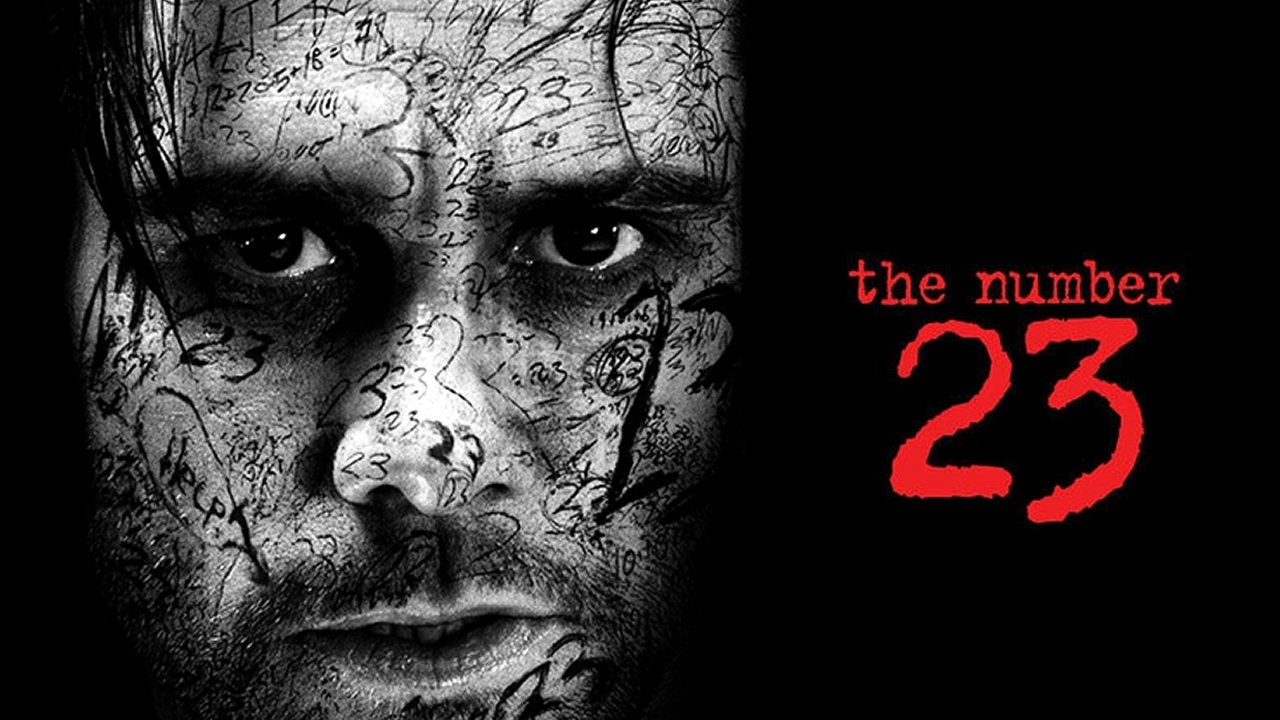
The Number 23
"Once you see it, you can’t uncount it."

By 2007, the neon-soaked trauma of the "nipple-suit" era of Batman had mostly faded into the background of pop culture, and Joel Schumacher was looking for a way to prove he could still grip an audience by the throat. At the same time, Jim Carrey was in the midst of his most fascinating career phase—the "I’m more than just a rubber face" era. We’d seen him pull off the melancholy of Eternal Sunshine of the Spotless Mind (2004) and the existential dread of The Truman Show (1998), but The Number 23 was something different. It was a plunge into pure, unadulterated pulp.
I watched this film while my apartment’s radiator was making a persistent clicking sound that, if you listened closely enough, seemed to repeat exactly 23 times every hour. It was the perfect, slightly annoying atmosphere for a movie that insists the entire universe is governed by a single prime number.
The Gospel of the Hidden Pattern
The premise is the kind of high-concept hook that fueled the mid-to-late 2000s thriller market. Jim Carrey plays Walter Sparrow, a mild-mannered animal control officer who spends his days chasing dogs and his nights being a devoted husband to Agatha (Virginia Madsen). His life is aggressively normal until Agatha buys him a red-covered book titled The Number 23. As Walter reads, he realizes the book's protagonist—a brooding, saxophone-playing detective named Fingerling—mirrors his own life with terrifying precision.
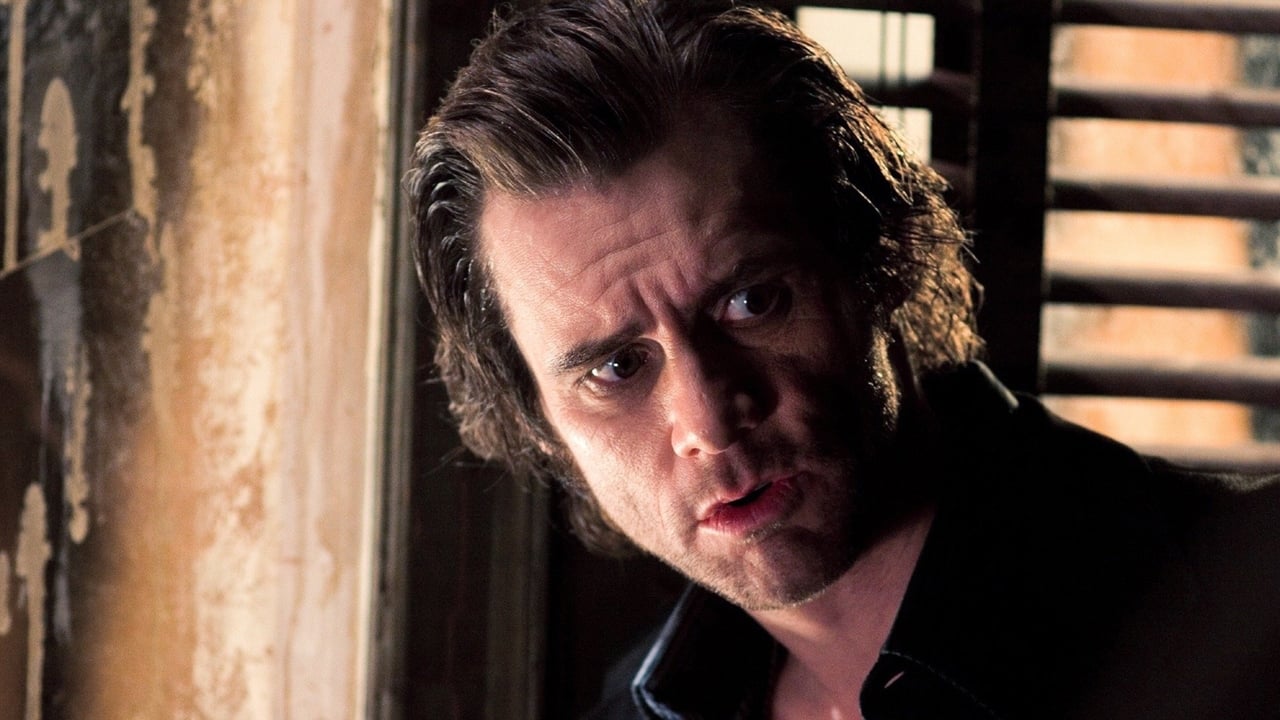
Soon, Walter is seeing the number 23 everywhere: in his birthday, his license plate, the colors of the walls, and the Latin names of the dogs he catches. It’s basically 'National Treasure' for people who find Nicolas Cage too well-adjusted. The film leans hard into the "dark fate" aesthetic of the time, mirroring that post-9/11 anxiety where everyone felt like there was a hidden, perhaps sinister, logic operating just beneath the surface of reality.
Noir Sledgehammers and Stylized Shadows
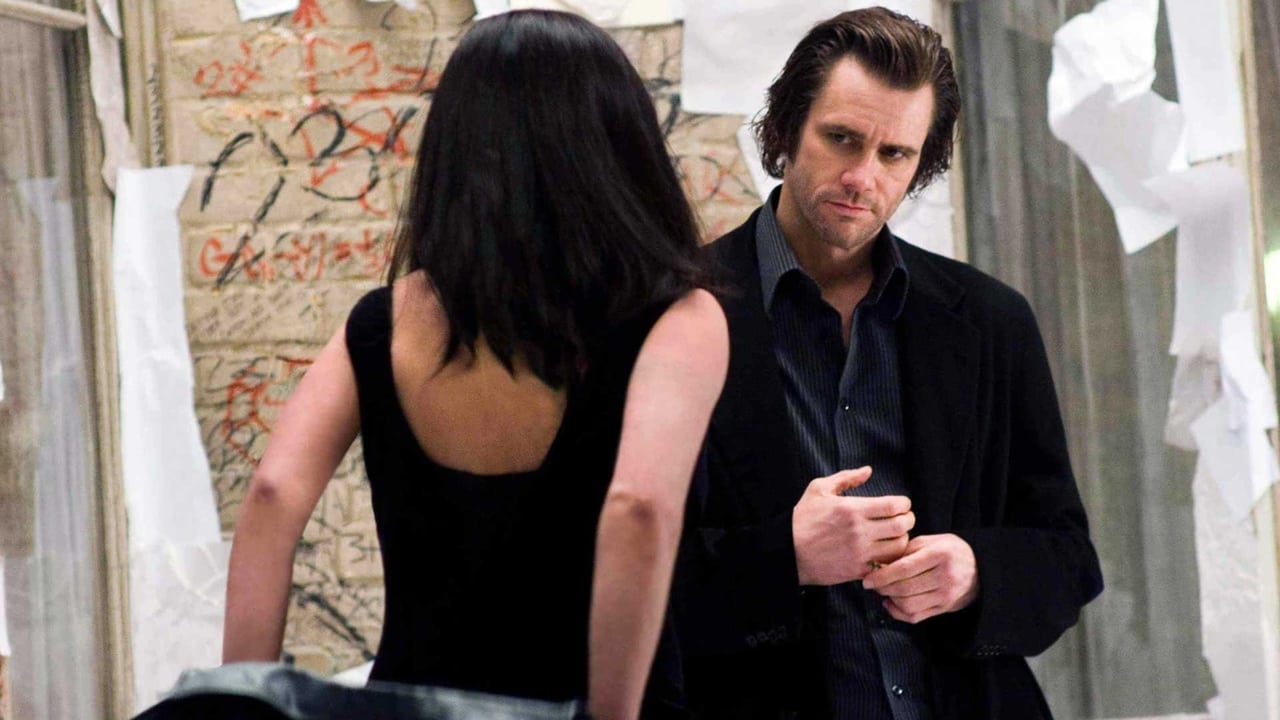
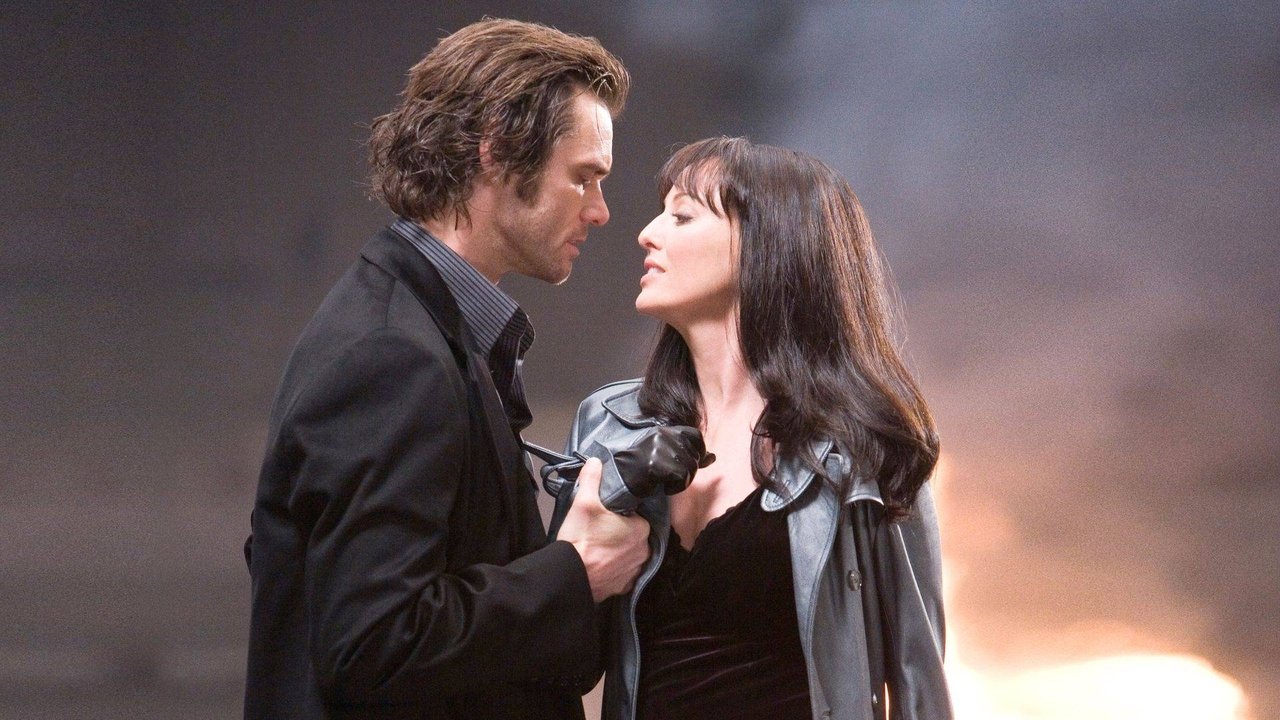
What makes the film a cult curiosity today isn't necessarily the plot—which gets increasingly convoluted—but the visual swings Joel Schumacher takes. When the movie shifts into the world of the novel, the cinematography by Matthew Libatique (who would later dazzle us with Black Swan) goes into overdrive. The colors are blown out, the shadows are deep enough to hide a fleet of trucks, and Jim Carrey gets to play Fingerling with a gravelly, "I’ve seen too much" noir voice that borders on self-parody.
The Fingerling noir sequences look like a high-budget Evanescence music video, and I mean that with a strange amount of affection. It’s peak 2007 edginess. While the critics at the time were busy sharpening their knives, I found myself appreciating the sheer commitment to the bit. Carrey doesn't wink at the camera once. He is all-in on the madness, and there’s something genuinely compelling about watching a comedic genius try to vibrate on the frequency of a psychological breakdown. Virginia Madsen does incredible double-duty here too, playing both the grounded wife and the hyper-sexualized "Fabrizia" in the book sequences, providing the necessary anchor for Walter’s spiraling sanity.
The Cult of the 23rd Project
Part of the fun of The Number 23 is the lore surrounding its production, which the studio leaned into with a marketing campaign that would make a conspiracy theorist blush. For starters, this was Joel Schumacher’s 23rd directing project. The film was released on February 23, 2007. Jim Carrey himself was reportedly so obsessed with the number in real life that he changed the name of his production company to JC 23 Entertainment.
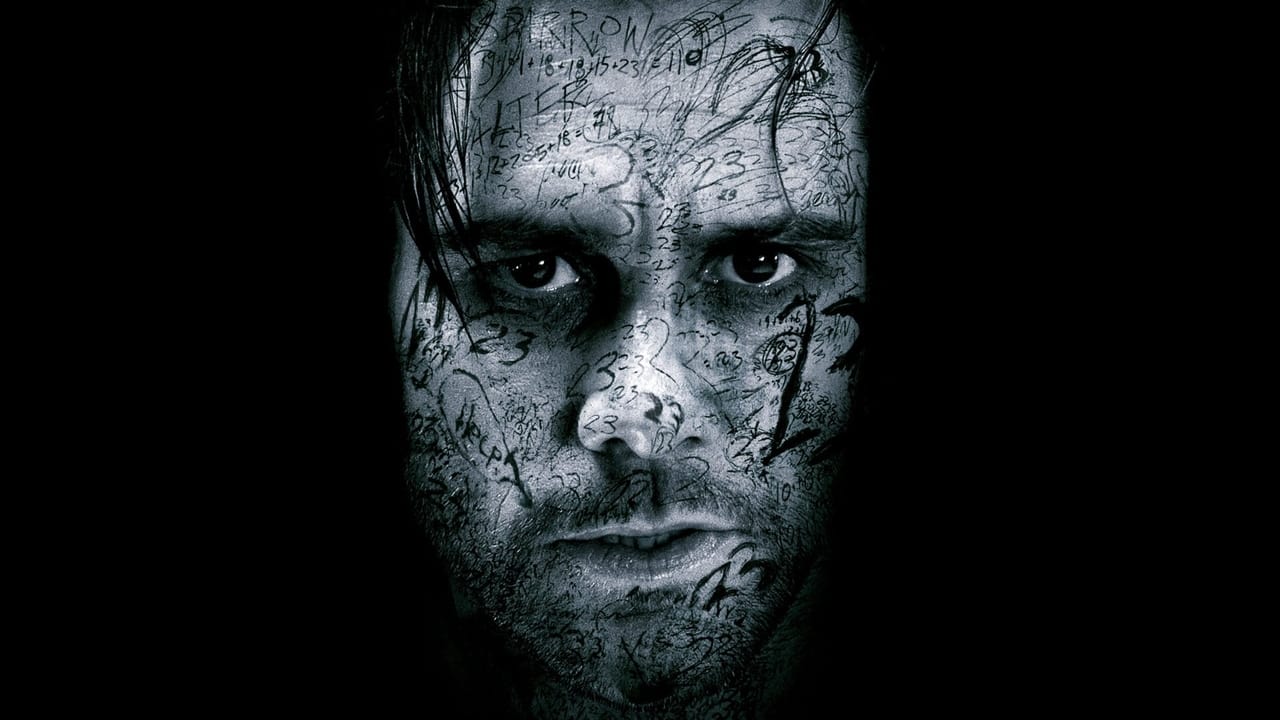
During the height of the DVD boom, this was the ultimate "pause and check" movie. Fans spent hours looking for the number hidden in the background of scenes—it’s tucked into graffiti, house numbers, and even the credits. It’s that era-specific "Easter Egg" culture that helped the film find a second life on home video. While it flopped with critics, it became a sleepover staple for teenagers who wanted something that felt "deep" and "dark" without being a full-blown slasher flick.
Looking back, the film captures that specific transition from analog to digital. Walter is using physical books and notebooks to track his descent, but the movie’s frenetic editing and CGI-enhanced color palettes scream "modern digital age." It’s a bridge between the classic psychological thrillers of the 90s and the tech-paranoia that would follow.
Ultimately, The Number 23 is a fascinating mess. It’s not the masterpiece of psychological horror it wants to be, but it’s a masterclass in "era-appropriate style." It earns its points through the sheer audacity of its visuals and Jim Carrey’s relentless, sweaty performance. If you go in expecting a tight mystery, you might be disappointed, but if you go in for the 2007 vibes and the pleasure of watching a director and star go "full tilt" on a weird idea, it’s a wild ride. Just don't start counting the letters in this review—you won't like what you find.
Keep Exploring...
-
8MM
1999
-
Phone Booth
2003
-
The Client
1994
-
State of Play
2009
-

Falling Down
1993
-
A Time to Kill
1996
-
A Walk Among the Tombstones
2014
-
Edge of Darkness
2010
-
The Bone Collector
1999
-
Mindhunters
2004
-
Kiss Kiss Bang Bang
2005
-
Cleaner
2007
-
Untraceable
2008
-
The Losers
2010
-
The Raven
2012
-

Trance
2013
-
Blood Work
2002
-
Basic
2003
-
The Life of David Gale
2003
-

Revolver
2005