The Orphanage
"A mother’s love. A child’s game. A house’s memory."
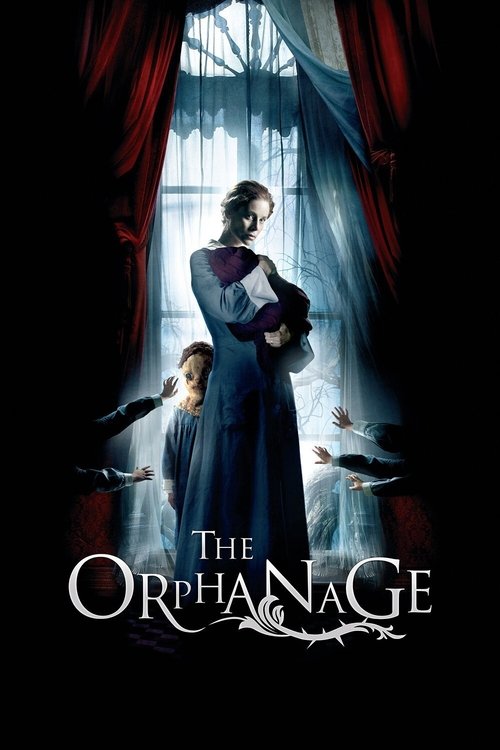
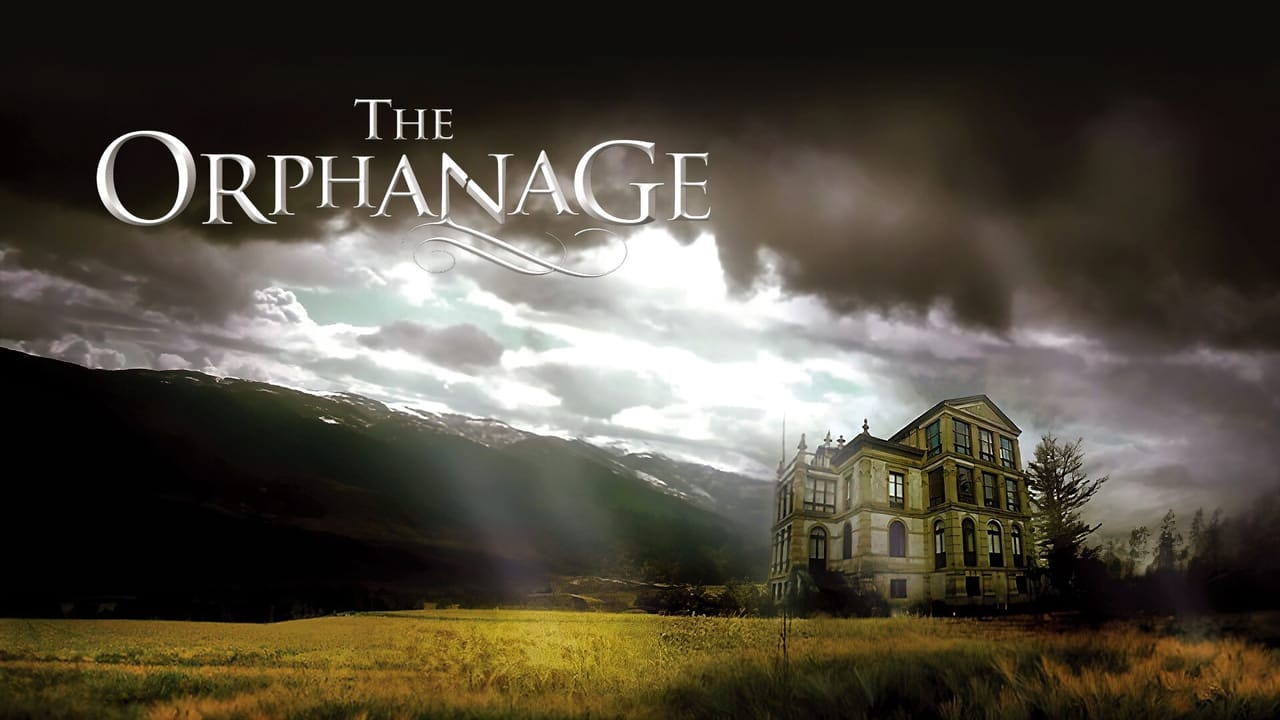
There is a specific kind of silence that only exists in massive, coastal houses—the kind that feels like it’s holding its breath, waiting for you to notice it. I first watched The Orphanage while eating a bowl of dangerously soggy cornflakes because I was too nervous to look away from the screen long enough to actually use a spoon correctly. Even on a small television in a bright room, the film’s atmosphere managed to seep out of the speakers and turn my living room into something cold and unfamiliar.
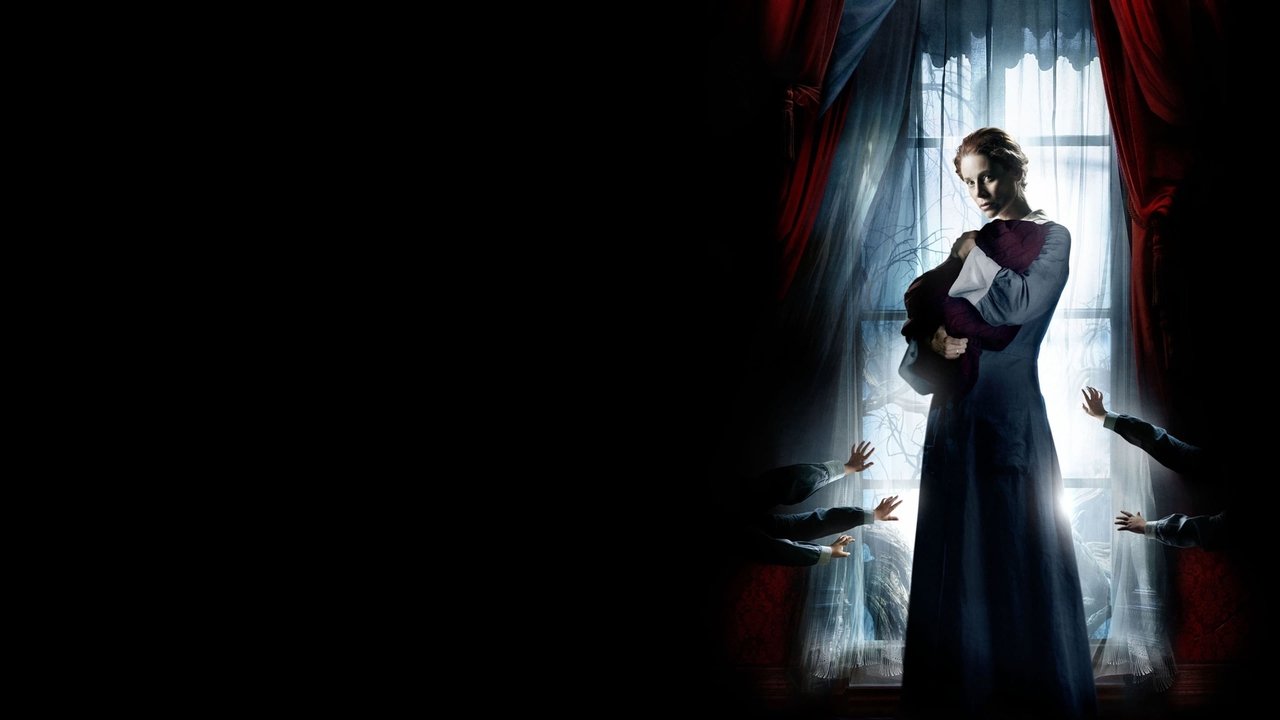
Released in 2007, J.A. Bayona’s directorial debut arrived at a fascinating crossroads for the horror genre. While Hollywood was leaning heavily into the "torture porn" trend of the mid-2000s, defined by the Saw and Hostel franchises, a new wave of Spanish-language cinema was proving that the most effective way to rattle an audience was through the heart rather than the gut. With Guillermo del Toro (who had just released Pan’s Labyrinth) serving as a producer, the film carried a pedigree of dark fantasy, yet it remains one of the most grounded, devastating ghost stories ever put to film.
The Architecture of a Grief-Stricken Ghost Story
The setup is deceptively simple: Laura (Belén Rueda) returns to the sprawling, dilapidated orphanage where she spent her childhood. She brings her husband, Carlos (Fernando Cayo), and their young son, Simón (Roger Príncep), with the goal of turning the estate into a home for children with special needs. It’s a classic Gothic setup, but Sergio G. Sánchez’s screenplay immediately complicates it with a layer of crushing reality. Simón is HIV-positive and adopted—two facts that place him in a state of precarious innocence.
When Simón starts talking to an "invisible friend" named Tomás, we expect the usual genre tropes. But Bayona is less interested in things that go bump in the night and more interested in the way a mother’s intuition can slowly warp into obsession. Belén Rueda gives a performance that is nothing short of heroic; she manages to navigate the transition from a rational, loving mother to a woman hollowed out by grief and desperation with terrifying conviction. Honestly, the Spanish really know how to make trauma look like a haunted house, and Rueda is our perfect, trembling guide.
Restraint in an Age of Excess
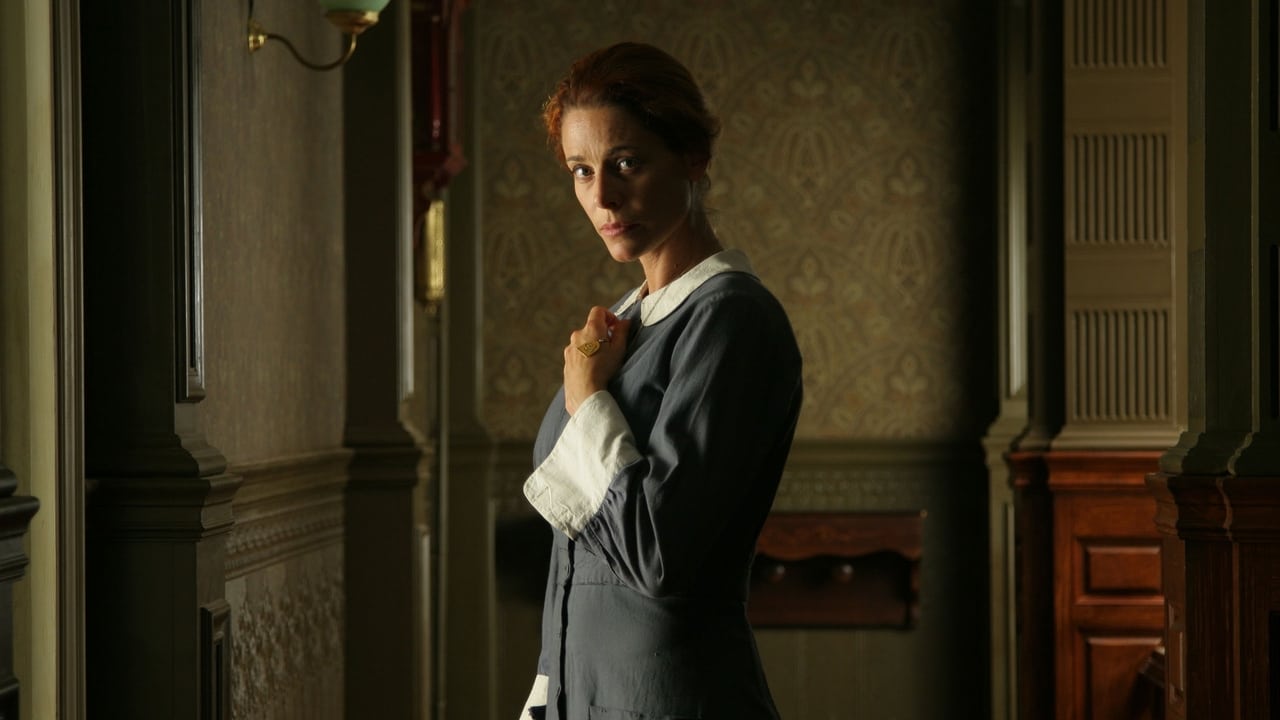
Looking back from our current era of "elevated horror," it’s easy to forget how refreshing The Orphanage felt in 2007. This was the peak of the DVD era, a time when we’d pore over special features to see how practical effects were achieved. Watching it now, the film’s reliance on practical tension over digital wizardry is its greatest strength. There is very little CGI here. Instead, Bayona relies on the cinematography of Óscar Faura, who uses the cavernous architecture of the house to create a sense of permanent shadow.
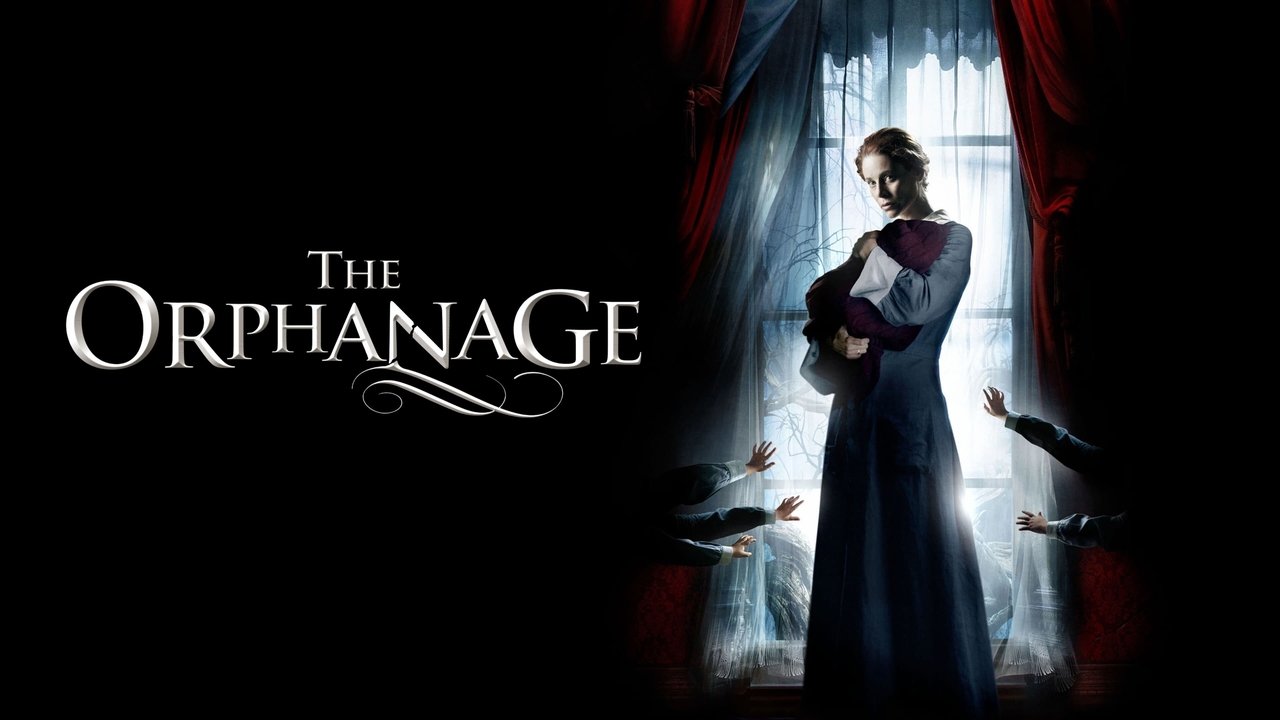
One of the most famous sequences involves a medium named Aurora (Mabel Rivera) and a game of "Knock, Knock." It’s a scene of pure sonic terror, relying almost entirely on the sound design and the sight of a woman crawling through the dark with a night-vision camera. It reminds me of the first time I saw The Blair Witch Project, where the absence of the monster was infinitely more frightening than the reveal. In The Orphanage, the "monsters" are often just children in masks, yet the sack mask is ten times scarier than any $100 million CGI creature I’ve seen in the last decade. It’s a testament to the idea that a simple, distorted human silhouette is the most primal fear we have.
The Power of the Mask and the Melancholy Score
The film’s legacy is inextricably tied to its ending, which I won't spoil here, but I will say it’s one of the few horror finales that invites a genuine sob rather than a scream. The score by Fernando Velázquez plays a massive role in this. It’s lush, orchestral, and deeply melancholic, echoing the Golden Age of Hollywood thrillers. It treats the story not as a slasher flick, but as a tragic fairy tale.
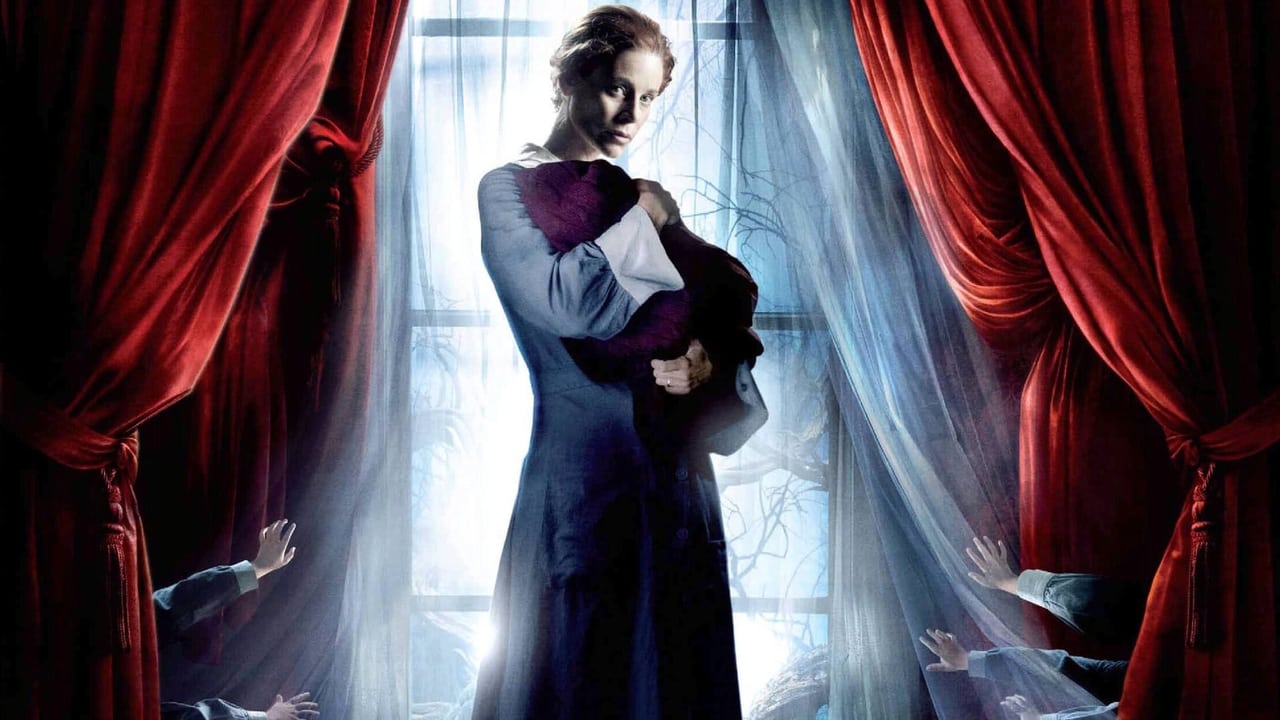
In terms of trivia, it’s worth noting that the film received a ten-minute standing ovation at the Cannes Film Festival. In an era where indie films were starting to find massive global audiences through word-of-mouth and international distribution deals, The Orphanage became a juggernaut, grossing nearly $80 million on a tiny $3.4 million budget. It proved that a story rooted in specific cultural anxieties—like the dark history of Spain’s institutional past—could resonate universally. It’s a film that asks: how far would you go to find what you’ve lost? And more importantly, are you prepared for the answer?
The Orphanage is a rare breed of horror that respects its audience’s intelligence and their emotions in equal measure. It’s a film that stays with you long after the credits roll, making you look at the dark corners of your own home with a mix of dread and a strange, lingering sadness. If you haven’t seen it since the mid-2000s, it warrants a revisit; it’s a beautifully constructed puzzle box that only gets more impressive with age. Just maybe keep the lights on and skip the soggy cereal.
Keep Exploring...
-
The Impossible
2012
-

The Devil's Backbone
2001
-
The Skin I Live In
2011
-
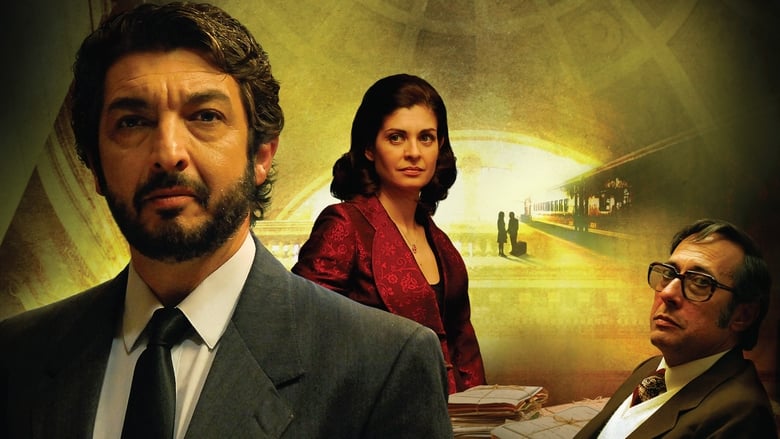
The Secret in Their Eyes
2009
-
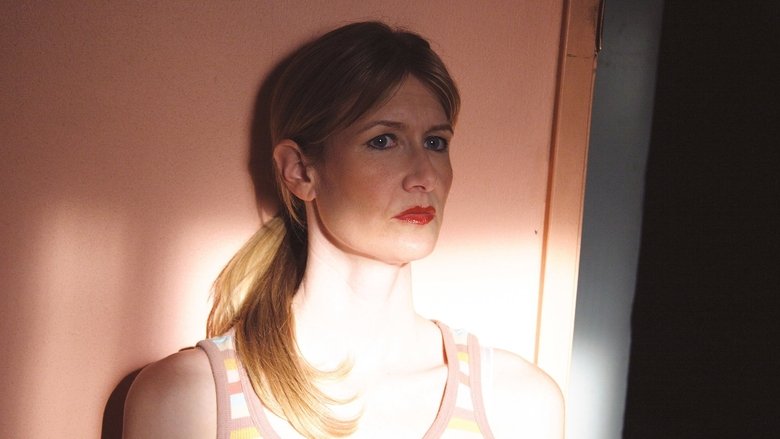
Inland Empire
2006
-
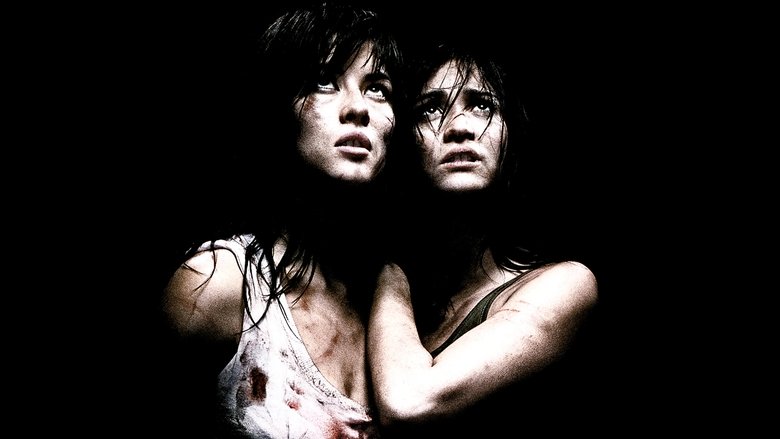
Martyrs
2008
-
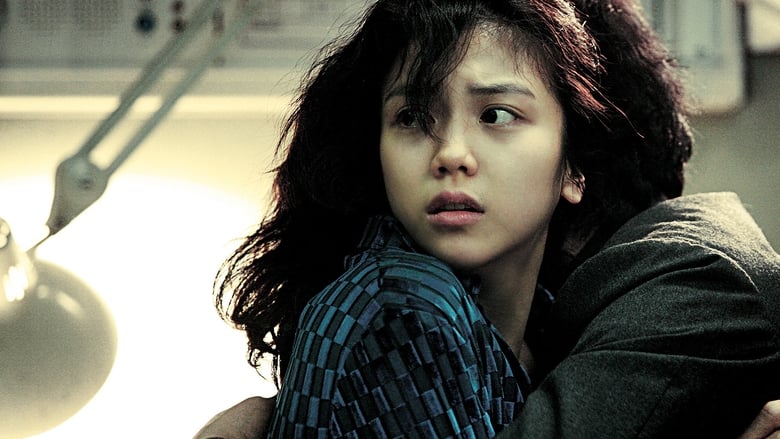
Thirst
2009
-

Black Swan
2010
-
Take Shelter
2011
-
Irreversible
2002
-
Sympathy for Mr. Vengeance
2002
-
Shutter
2004
-
Felon
2008
-
Let the Right One In
2008
-

Blood and Bone
2009
-
Undisputed III: Redemption
2010
-
Open Your Eyes
1997
-
Funny Games
1997
-
Bound
1996
-
Pi
1998