The Reaping
"When science fails, the swamp bleeds."
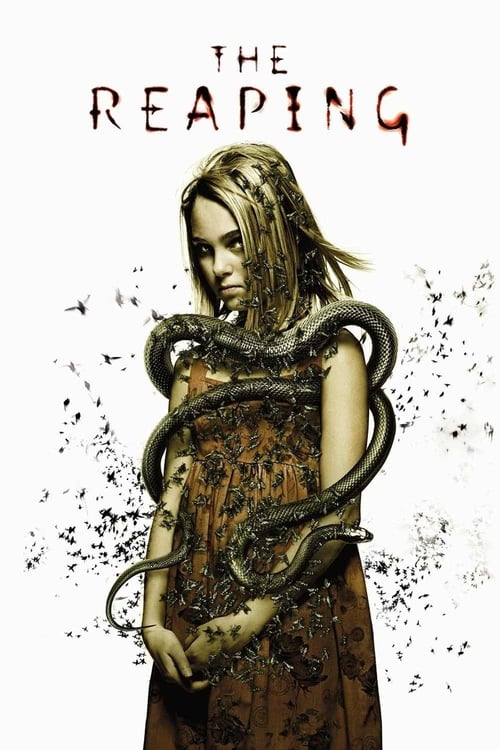
I distinctly remember the first time I saw the trailer for The Reaping. It was 2007, a year when cinema felt like it was caught in a tug-of-war between the gritty realism of No Country for Old Men and the CGI-saturated maximalism of the burgeoning blockbuster machine. Dark Castle Entertainment, the house that Robert Zemeckis and Joel Silver built, was at its peak, churning out horror movies that felt like high-budget theme park rides—shiny, loud, and unashamedly theatrical.

When I sat down to re-watch this on a Tuesday night while nursing a lukewarm cup of ginger ale that had lost its fizz twenty minutes earlier, I was struck by how much this film represents that specific "pre-Conjuring" era of horror. It’s a movie that desperately wants to be The Exorcist but can’t help being a mid-2000s digital spectacle.
The Skeptic in the Swamp
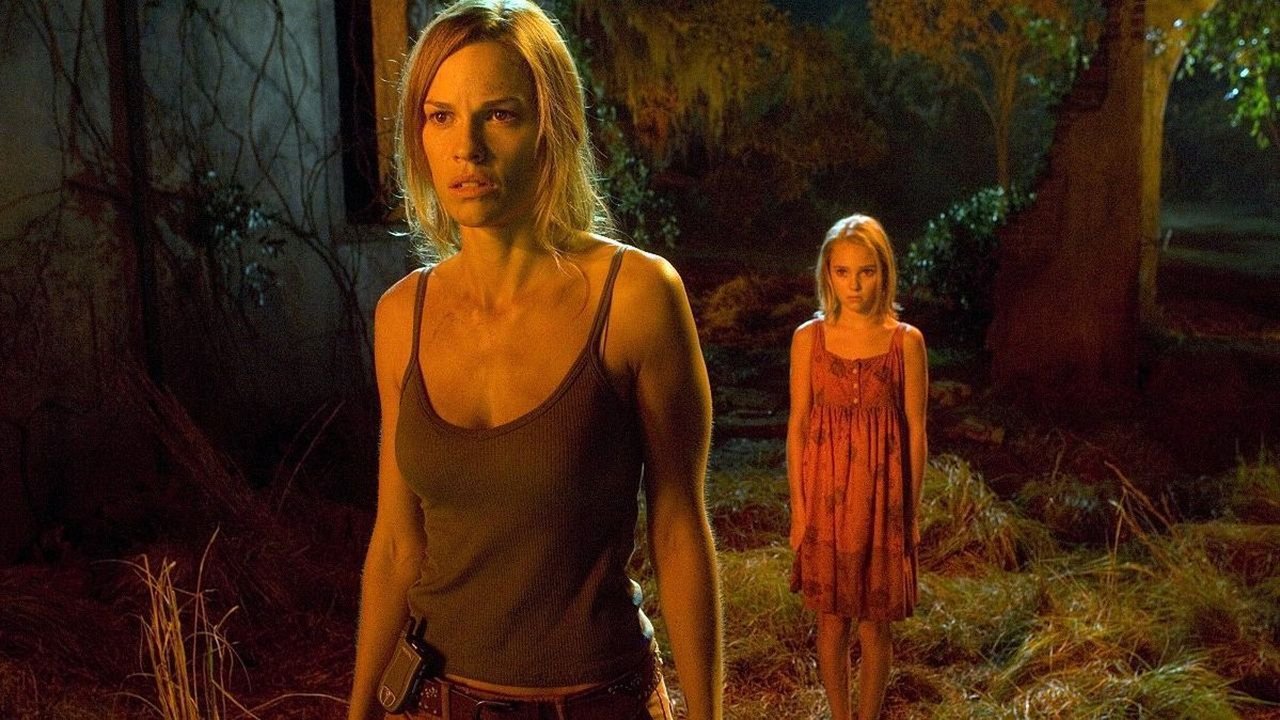
The film centers on Katherine Morrissey, played by Hilary Swank with the kind of grave intensity usually reserved for Best Actress acceptance speeches. Katherine is a professional miracle-debunker, a former missionary who lost her faith after a tragedy in Sudan and now spends her days proving that "divine" occurrences are just chemical spills or clever hoaxes. It’s a classic trope, but Hilary Swank (fresh off her wins for Boys Don't Cry and Million Dollar Baby) brings more weight to the role than the script probably deserves.
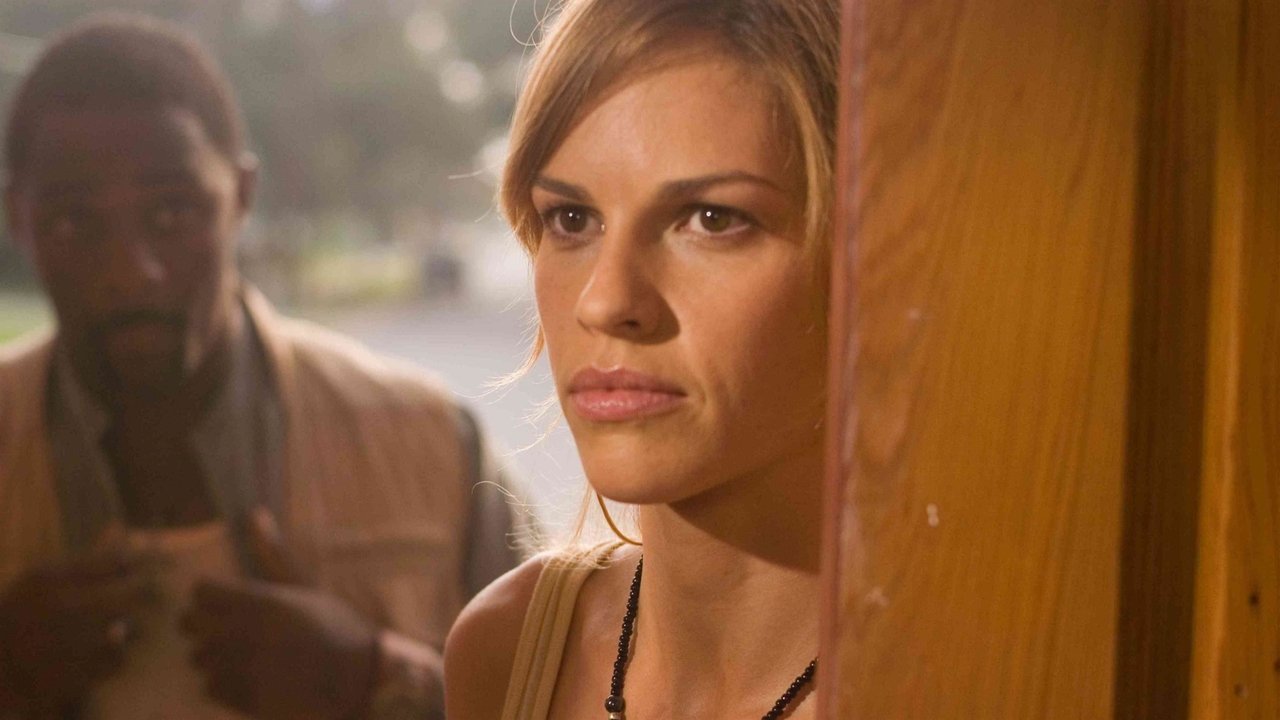
She’s joined by Idris Elba as her partner, Ben. Looking back, it’s wild to see Idris Elba in this "trusted sidekick" phase of his career, before Thor or Luther truly launched him into the stratosphere. He’s charming and provides a necessary groundedness, but you can tell the movie doesn't quite know what to do with him other than having him look worriedly at computer monitors.
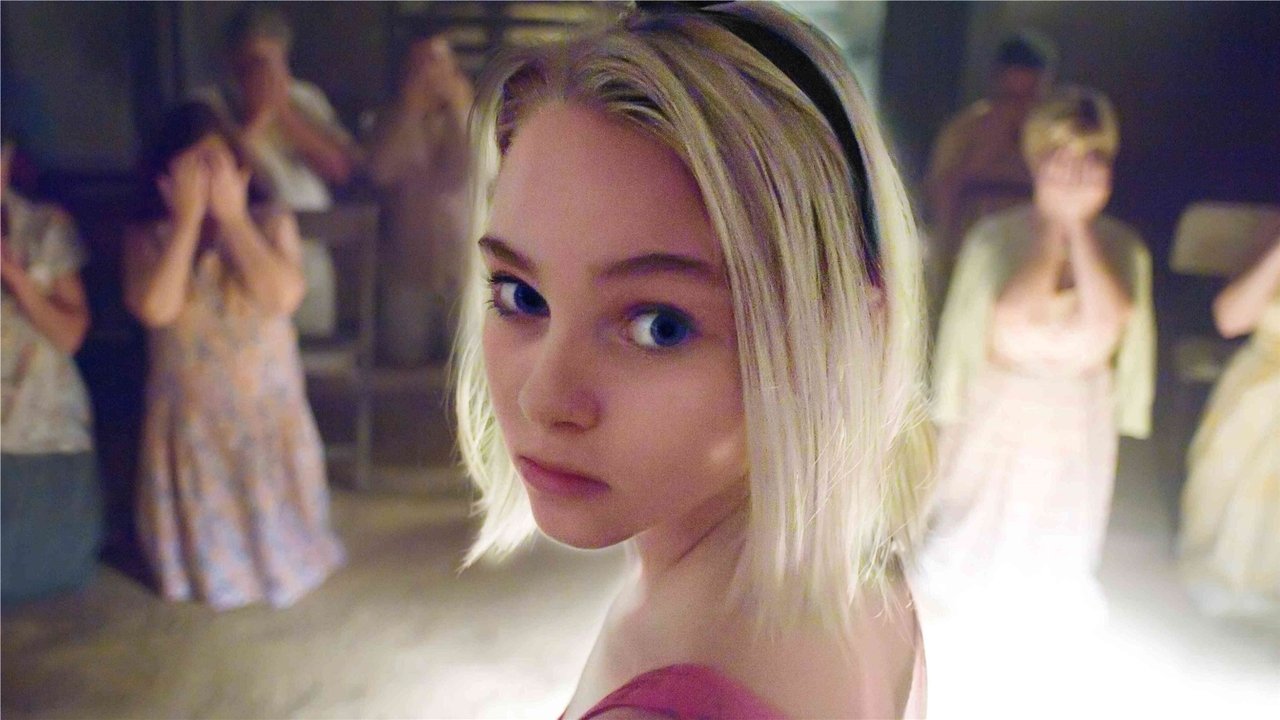
The plot kicks in when they’re summoned to Haven, Louisiana—a town that looks like it was decorated by someone who thought True Detective was a bit too cheerful. A local boy has died, the river has turned into a thick, arterial red sludge, and the locals are convinced a young girl named Loren, played by a silent and spooky AnnaSophia Robb, is the cause.
CGI Plagues and Southern Gothic Grime

Director Stephen Hopkins, the man behind the underrated Predator 2 and The Ghost and the Darkness, knows how to shoot a location. The Louisiana setting is oppressive, humid, and thick with dread. However, this was 2007, and the "CGI Revolution" was in full swing. When the Biblical plagues start to manifest—the frogs, the lice, the boils—the film pivots from a moody psychological thriller into a digital firestorm.
The plague of locusts is the centerpiece, and it’s a perfect time capsule of that era’s technology. It’s ambitious, swarming the screen in a way that practical effects never could, but it also has that slightly "floaty" digital sheen that reminds you you're watching a computer render. It’s the kind of sequence that makes you miss the tactile gross-out effects of the 80s, even as you appreciate the scale of what Hopkins is trying to achieve. The logic of this movie’s biology is thinner than the paper used for the script, but there’s a certain B-movie joy in watching a two-time Oscar winner stare down a swarm of pixels.
There’s also a fascinating bit of behind-the-scenes context here: the production was actually interrupted by Hurricane Katrina. The film was shooting in Louisiana when the storm hit, forcing a hiatus and a relocation. You can almost feel that real-world atmospheric tension bleeding into the frames; the swamp doesn't just look wet, it looks haunted by the very real disasters of its time.
A Relic of the "Twist" Era
Because this is a post-M. Night Shyamalan horror film, it’s legally required to have a third-act pivot that recontextualizes everything you’ve just seen. David Morrissey (who would later go on to be the terrifying Governor in The Walking Dead) plays the local teacher, Doug, and Stephen Rea shows up as a priest who spends most of his screen time looking like he’s just smelled something sour.
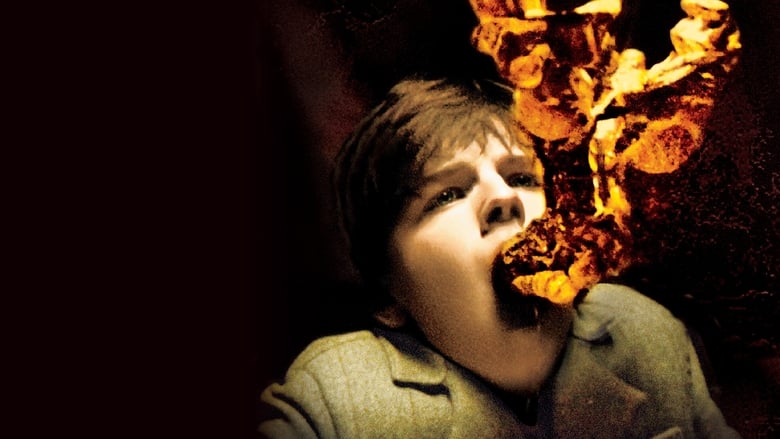
The film grapples with the "Science vs. Faith" debate with all the subtlety of a sledgehammer. It’s a recurring theme in mid-2000s cinema—think Signs or The Da Vinci Code—reflecting a cultural anxiety about where we find our truth in a rapidly digitizing world. The Reaping isn't interested in a nuanced discussion, though; it wants to get to the fire and brimstone. By the time we get to the finale, any pretense of being a "debunker" movie is gone, replaced by a full-blown supernatural apocalypse.
I’ll be honest: The Reaping isn’t a "good" movie by traditional standards, but it is an incredibly watchable one. It’s a remnant of a time when studios would drop $40 million on an R-rated religious horror movie just to see if it would stick. It’s loud, it’s slightly nonsensical, and it features a climax that involves a literal rain of fire.
Ultimately, The Reaping is the cinematic equivalent of that bag of slightly stale pretzel rods I mentioned earlier—it’s salty, it’s got a satisfying crunch, and you’ll finish the whole thing even if you aren't particularly proud of it. It’s a fascinating look at the mid-career choices of some truly great actors and a snapshot of a visual style that has since been replaced by the "elevated horror" of the 2020s. If you’ve got ninety minutes to kill and a craving for some Southern-fried blasphemy, you could do a lot worse than a trip to Haven.
Keep Exploring...
-
Eight Legged Freaks
2002
-
The Mothman Prophecies
2002
-
House of 1000 Corpses
2003
-
Jeepers Creepers 2
2003
-

Seed of Chucky
2004
-
Dark Water
2005
-
House of Wax
2005
-
The Covenant
2006
-
The Texas Chainsaw Massacre: The Beginning
2006
-
When a Stranger Calls
2006
-
The Hitcher
2007
-

Vacancy
2007
-
Mirrors
2008
-
Quarantine
2008
-
The Eye
2008
-

The Midnight Meat Train
2008
-
The Ruins
2008
-
Untraceable
2008
-
The Descent: Part 2
2009
-
The Haunting in Connecticut
2009